When's the best time to visit Varanasi in 2026?
October through February, when daytime temperatures range from 15°C to 28°C and the monsoon has cleared. November tends to be the best single month. The Dev Deepavali festival lights the ghats in late November. Avoid April through September for a first visit, when extreme heat and monsoon flooding make the ghats inaccessible.
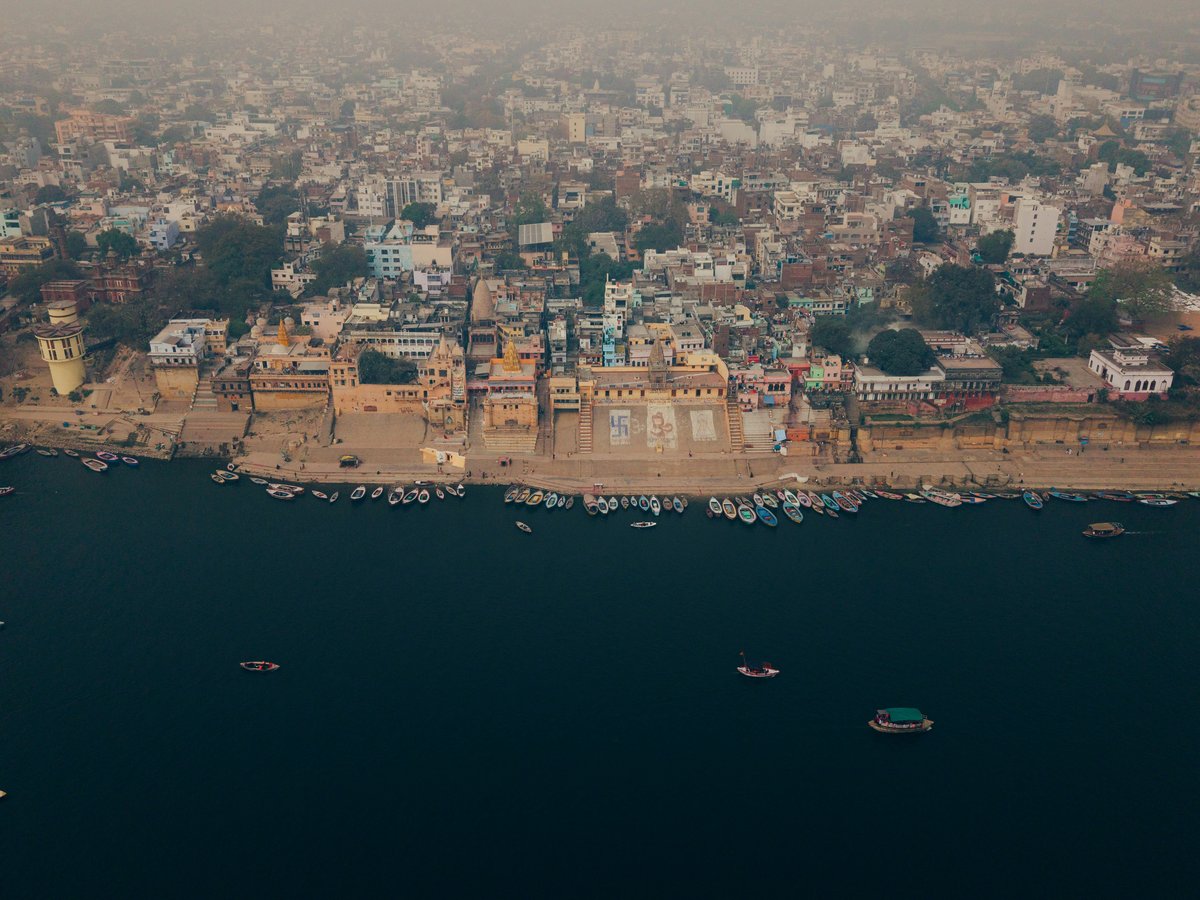
October through February is when Varanasi works for first-time visitors. The monsoon rains have cleared by early October, and the Ganges has dropped to a level where all 84 ghats are walkable. December and January mornings at Dashashwamedh Ghat start around 12°C, cold enough that you'll want a layer for the pre-dawn boat ride but warm enough to sit on the stone steps without shivering. The air smells of sandalwood incense and marigold garlands, and the priests' chanting carries across still water during the 6:45pm Ganga Aarti. That said, this is peak season. Guesthouse rates in Bangali Tola and near Assi Ghat rise 40-60% from November through January. At roughly 96 INR to 1 USD, even peak-season rooms near the ghats tend to run ₹1,500-3,000 per night for a decent double.
November is likely the single best month. Dev Deepavali falls 15 days after Diwali, typically in late November, when over a million earthen oil lamps line the ghats from Assi to Raj Ghat across a 6-kilometre stretch of riverfront. The daytime temperature hovers near 25°C. Hotel rates haven't hit the December-January holiday ceiling yet, and the post-monsoon Ganges still carries enough volume for a proper boat ride without flooding the lower steps at Manikarnika or Harishchandra. Book a river-view room near Meer Ghat or Munshi Ghat at least 3 weeks ahead, because Dev Deepavali week sells out. The lamp-lit ghats reflected in the river at night are worth the planning, and the smell of warm ghee and camphor from the ceremony drifts across the entire old city.
Avoid April through September for a first visit. Temperatures reach 45°C by mid-May, and the stone ghats radiate stored heat well past sunset. The narrow lanes of Vishwanath Gali feel airless by 9am. July through September brings monsoon rains totaling around 900mm over 3 months. The Ganges rises 5-8 metres and submerges the lower ghats entirely. Boat rides get cancelled for weeks. The lanes flood with ankle-deep water that carries the smell of sewage and river silt. If you're reading this in mid-August, conditions currently sit at 30°C with 75% humidity and intermittent showers. Not dangerous, but uncomfortable for a first trip built around 3 hours of daily walking and sitting through the nightly ceremony on damp stone steps.
March and early October sit in between. March mornings start at 18-20°C, and the Holi festival (mid-March most years) is a genuine spectacle along the ghats. Mind you, the city gets chaotic that week, and you will get covered in coloured powder whether you want to or not. Early October can still catch tail-end monsoon showers, but the crowds are thin and rates drop to their lowest. The Sarnath Museum, about 10 kilometres north of the old city and open since 1910, makes a good half-day trip in either shoulder month before the midday heat builds. For a first-timer keeping things simple, the 5 days around Dev Deepavali or any week in January are the two clearest choices. Solo-traveler safety sits at 5.8/10 (see the TTDI Solo-Safety Index), so booking a local guide for the first evening walk through the old city lanes is a reasonable precaution in any season.
Month-by-month outlook
- Jan Ideal
- Feb Ideal
- Mar Shoulder
- Apr Avoid
- May Avoid
- Jun Avoid
- Jul Avoid
- Aug Avoid
- Sep Shoulder
- Oct Ideal
- Nov Ideal
- Dec Ideal
Year-round climate
Averages from the last 5 years.
| Month | Avg high (°C) | Avg low (°C) | Rainfall (mm) |
|---|---|---|---|
| Jan | 21 | 10 | 12 |
| Feb | 27 | 13 | 10 |
| Mar | 33 | 19 | 12 |
| Apr | 39 | 24 | 2 |
| May | 39 | 27 | 41 |
| Jun | 38 | 28 | 158 |
| Jul | 34 | 27 | 304 |
| Aug | 32 | 26 | 306 |
| Sep | 32 | 26 | 256 |
| Oct | 31 | 22 | 98 |
| Nov | 28 | 16 | 5 |
| Dec | 23 | 12 | 10 |
October to February brings 15-28°C days with dry skies. April to June peaks near 45°C. July through September drops roughly 900mm of monsoon rain and floods the lower ghats.
Go deeper into Varanasi
Last verified by automated review (v1.7.2) on . What is automated review?