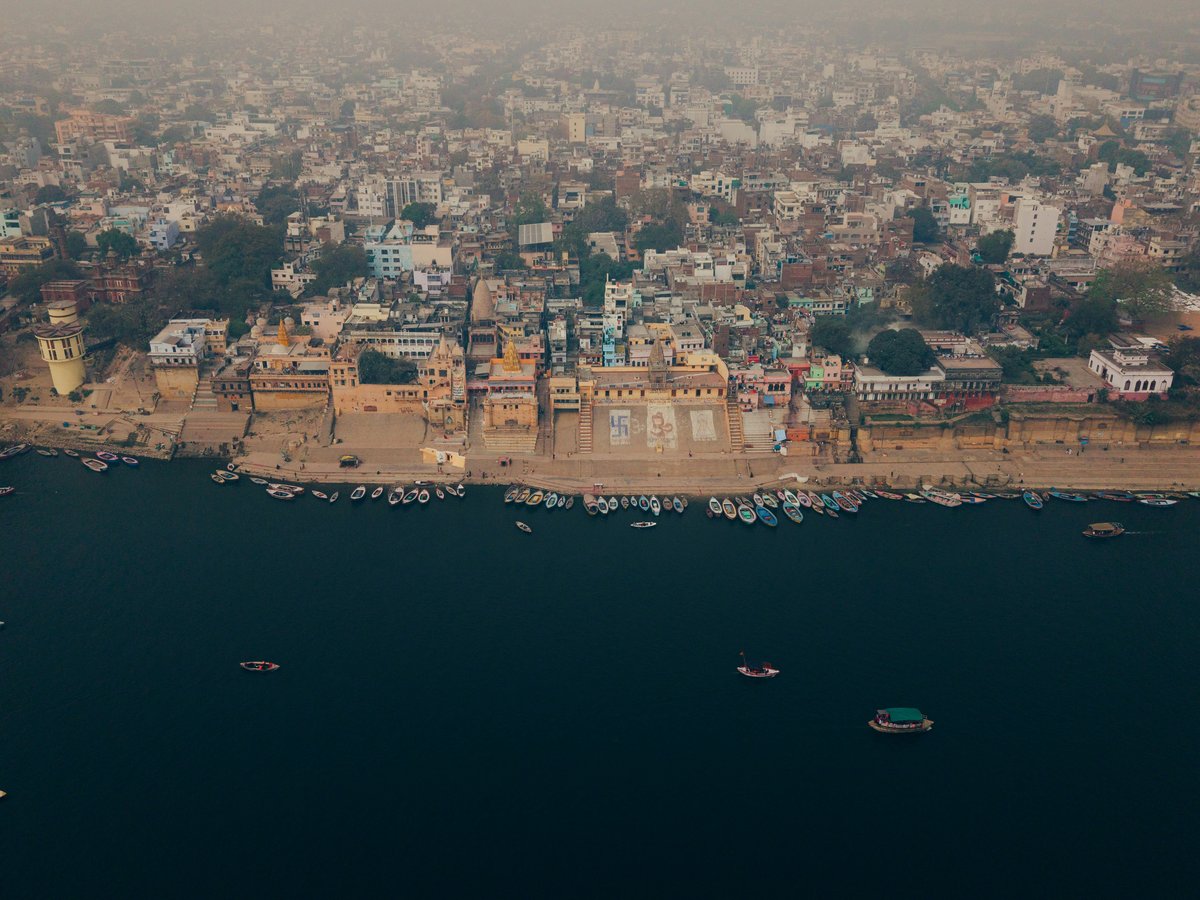
Varanasi has been a trading city for longer than most modern nations have existed. The Ganges waterfront gets the attention, but the commercial backbone runs through a tangle of lanes behind the ghats, where silk weavers, brass smiths, and bead sellers have operated from the same family stalls for generations. Banarasi silk is the headline product. Weavers in the Madanpura and Alaipura neighborhoods still work handlooms that produce the gold-zari brocade sarees worn at weddings across South Asia. That said, shopping here is not a streamlined experience. The old city lanes are narrow, often less than 2 meters wide, and you'll share them with motorcycles, cows, and funeral processions heading to Manikarnika Ghat. Solo-traveler safety sits at 5.8/10 (see the TTDI Solo-Safety Index), so keeping your bearings matters. Worth noting, the monsoon humidity (currently 75% with light showers at 30.1°C) means silk purchases benefit from a dry bag for the walk back to your hotel.
Shopping districts
-
Vishwanath Gali
mid-range to high (tourist markup)The narrow lane running from Dashashwamedh Ghat toward the Kashi Vishwanath Temple is Varanasi's most concentrated retail corridor. Silk shops, religious offerings, brass idols, rudraksha beads, and sandalwood items line both sides, packed tight. The air smells of incense and marigold garlands. Shopkeepers call out in Hindi and broken English, and the lane gets shoulder-to-shoulder by late afternoon. Most vendors here cater to pilgrims and tourists, so prices start high. You'll need to bargain firmly, typically 40-50% off the opening ask. Mind you, the silk shops in this lane tend to be middlemen rather than weavers, which adds a markup layer.
Best for: Silk sarees, religious items, brass devotional pieces, rudraksha malas
-
Thatheri Bazaar
budget to mid-rangeThis is where Varanasi's brasswork tradition lives. UNESCO recognized Thatheri Bazaar's metalworking community for their intangible cultural heritage, and the workshops here still shape brass and copper vessels by hand. You can hear the tapping of hammers from the lane entrance. The shops sell lotas (ritual water vessels), thalis, decorative plates, and oil lamps. Prices tend to be lower than Vishwanath Gali because this bazaar still serves a local clientele buying everyday kitchen and puja items. The craftsmen often sit right at the shop front, so you can watch the work happening.
Best for: Handmade brass and copper vessels, oil lamps, traditional kitchenware
-
Chowk
budgetThe old commercial heart of the city, Chowk sits north of Godowlia and functions as Varanasi's wholesale and everyday shopping zone. Locals come here for fabric by the meter, household goods, stainless steel utensils, and affordable clothing. The lanes branch off in every direction, and each sub-lane seems to specialize. One stretch sells nothing but glass bangles. Another is stacked floor to ceiling with stainless steel. The vibe is functional rather than scenic, and you're likely the only foreigner in sight. Prices reflect that.
Best for: Fabric by the meter, glass bangles, household goods, everyday clothing
-
Godowlia Crossing
mixedGodowlia is the main traffic intersection and commercial node where old Varanasi meets the slightly wider roads. The surrounding blocks hold bookshops, sweet shops, clothing stores, and electronics dealers. Brands like Bata and Raymond have outlets here alongside local tailors. It is noisy and congested, with auto-rickshaws and cycle-rickshaws competing for space. The sweet shops near Godowlia sell fresh Banarasi paan and the local thandai drink. This area works as a practical base for shopping because most auto-rickshaw routes pass through it.
Best for: Books, sweets, branded clothing, electronics, and thandai
-
Lanka and Sigra
mid-rangeThese two neighborhoods on the south side of the city represent Varanasi's newer commercial development. Lanka sits near the entrance to Banaras Hindu University, where Bharat Kala Bhavan has housed its collection since 1920. The streets here have wider sidewalks, a few air-conditioned showrooms, and cafes catering to university students. Sigra, a bit further west, has the IP Vijaya Mall and standalone stores selling branded goods. If you want fixed-price shopping without negotiation, these areas deliver that. The trade-off is fewer artisanal or unique-to-Varanasi items.
Best for: Air-conditioned retail, branded goods, cafes, university-area bookshops
Markets
-
Dashashwamedh Ghat Evening Market
artisan and devotionalThe stretch behind Dashashwamedh Ghat transforms each evening into an informal market timed to the Ganga Aarti ceremony. Vendors lay out blankets and small tables selling miniature brass diyas, sandalwood paste, flower garlands, and framed prints of Hindu deities. The smell of camphor and ghee from the aarti preparations fills the air. Prices are small, most items under 200 INR, and the atmosphere is more about the experience than the merchandise. The crowd is thick with pilgrims, so keep belongings close.
Daily, roughly 5:00 PM to 9:00 PM, peaks around aarti time (6:30-7:30 PM depending on season)
-
Sonarpura Silk Market
artisan and textileSonarpura Road is where serious silk buyers go. The shops here tend to deal in higher-grade Banarasi sarees, including the katan silk and organza varieties with real gold and silver zari thread. Some shops connect directly to weaving families in the Madanpura neighborhood. You might spend 30 minutes examining weave patterns before a price is even mentioned. Expect to sit on a gaddi (floor cushion), drink chai, and watch bolts of fabric unfurled one by one. It is a slow, tactile process. The better pieces start around 5,000-8,000 INR for lighter work and climb steeply for heavy zari.
Daily except some Hindu holidays, typically 10:00 AM to 8:00 PM
-
Golghar Vegetable and Spice Market
food and spiceGolghar, near the old city's western edge, hosts a sprawling daily market where local families buy their vegetables, spices, and cooking staples. The turmeric here is a deep, staining orange. Whole dried chilies, black cardamom pods the size of small acorns, and bags of mustard oil fill the stalls. This is not a tourist market, so prices reflect actual Varanasi cost of living. A kilo of fresh turmeric root might run 40-60 INR. The ground is often wet and slippery, especially in monsoon, so wear shoes you do not mind getting dirty.
Daily, busiest 6:00 AM to 11:00 AM
-
Nakkhas Market (Sunday Bird and Animal Market)
flea and specialtyNakkhas is a general bazaar during the week, selling cheap clothing and plastic goods. On Sunday mornings, it becomes a bird market. Sellers bring pigeons, parakeets, and songbirds in bamboo cages. The scene is loud with birdcall and the haggling of pigeon fanciers. It is a culturally specific experience more than a shopping destination for visitors. The narrow lanes around Nakkhas also have stalls selling wooden toys and lac bangles, both traditional Varanasi crafts that tend to be overlooked in favor of silk.
General market daily; bird market Sunday mornings, roughly 7:00 AM to noon
-
Lahurabir Market
general retail and street foodLahurabir sits along the road between Godowlia and the cantonment area. It functions as Varanasi's mid-city commercial strip, with shops selling electronics, mobile phones, shoes, and ready-made garments. The street food stalls here serve kachori-sabzi in the mornings and chaat in the evenings. The kachori vendors fry in huge kadais visible from the street, and the smell of hot oil and spiced potato fills the block. Locals treat Lahurabir as the practical shopping zone for non-specialty items.
Daily, 10:00 AM to 9:00 PM; street food stalls open earlier
Souvenirs worth bringing home
Banarasi silk is the obvious choice, and for good reason. A handloom saree or a cut of brocade fabric is genuinely unique to this city's weaving tradition. If a full saree feels like too much, Sonarpura shops sell smaller pieces of brocade by the meter that work as table runners or wall hangings. Brass diyas (oil lamps) from Thatheri Bazaar weigh enough to feel like the real thing and cost a fraction of what decorative shops charge in Delhi or Mumbai. Rudraksha bead malas from the ghat-side vendors are a classic Varanasi purchase, though quality varies. Look for beads with clearly defined mukhis (faces) and avoid anything that looks machine-pressed. Wooden toys from the Nakkhas area, typically painted in bright lacquer colors, make lightweight gifts. Gulabi meenakari, the pink-enamel metalwork done on copper, is specific to Varanasi and Lucknow. Small meenakari boxes or jewelry are distinctive and easy to pack. For edible souvenirs, the Banarasi paan masala (dried, not the fresh leaf) and packets of local churan digestive powder travel well. The thandai spice mix sold near Godowlia is another option. At around 95.7 INR to the dollar, most artisan purchases feel very accessible by international standards.
Practical tips
- Bargaining
- Bargaining is expected in the old city markets, Vishwanath Gali, Chowk, and Nakkhas. A reasonable target is 40-60% of the first quoted price for textiles and brass. Silk sarees are the exception. The opening ask at a reputable Sonarpura shop might be closer to fair value, with 10-20% negotiation room. Fixed-price shops exist in Lanka and Sigra, and their tags tend to be honest. If a shopkeeper says 'fixed price' in Vishwanath Gali, it likely is not.
- Opening Hours
- Old city shops typically open by 10:00 AM and close by 8:00 or 9:00 PM, with no fixed lunch break. Golghar's food market runs earliest, from around 6:00 AM. Many shops close on major Hindu festivals like Holi, Diwali, and during Chhath Puja. Friday afternoons see some closures in Muslim-majority weaving neighborhoods like Madanpura. The Sunday bird market at Nakkhas wraps up by noon.
- Payment Methods
- Cash remains dominant in the old city bazaars. UPI (PhonePe, Google Pay, Paytm) has reached most mid-size shops and is the easiest digital option if you have an Indian bank account or a supported international wallet. Credit cards work at the larger silk showrooms on Sonarpura and in the Lanka-Sigra commercial areas, but carry cash for anything in the ghat lanes or at Thatheri Bazaar. ATMs cluster around Godowlia and Lahurabir.
- Tax Refunds
- India does not currently have a tourist VAT refund scheme at point of sale the way the EU does. GST (Goods and Services Tax) is included in the price. Some silk shops may offer to write a lower value on a receipt for customs purposes. Decline this, as it creates problems if you need to make an insurance claim or if customs in your home country inspects the goods.
- Navigating the Old City
- GPS tends to lose accuracy in the old city lanes because the buildings are tall and the alleys are narrow, sometimes under 1.5 meters wide. Cycle-rickshaws cannot enter the innermost lanes. Walking is the only option for Vishwanath Gali and the ghat markets. Wear shoes that handle wet stone, especially during monsoon when the ghats and lanes stay damp. Auto-rickshaws from Godowlia to Lanka or Sigra cost roughly 30-50 INR by meter, though most drivers will quote a flat fare.
- Shipping Purchases Home
- Large silk or brass purchases can be shipped through India Post's Speed Post service. The main post office is on Kabir Chaura Road. Expect a parcel to Europe or North America to take 2-4 weeks via Speed Post and cost 1,500-3,000 INR for a 2-3 kg package. Some Sonarpura silk dealers offer their own courier service for large orders, but confirm tracking details before paying. Private couriers like DTDC and Blue Dart have offices near Sigra.
FAQ
Is Varanasi silk the same as Banarasi silk?
Yes, Banarasi silk refers to the handloom silk brocade produced in and around Varanasi (historically called Banaras). The GI (Geographical Indication) tag protects the term, so genuine Banarasi silk should come from this region. The key indicators of real handloom work are slight irregularities in the weave and a fabric that folds softly rather than holding a stiff crease. Power-loom imitations exist and cost significantly less, which is one reason prices vary so widely between shops.
What are typical prices for a Banarasi silk saree?
Prices range enormously depending on the material and zari content. A cotton-silk blend with printed (not woven) patterns might start around 1,500-2,500 INR. A genuine handloom katan silk saree with real silver or gold zari thread typically starts around 8,000 INR and can reach 50,000 INR or more for heavily worked bridal pieces. The thread metal content is the biggest price driver. Ask the shopkeeper to burn a small thread from the pallu. Real zari leaves a metallic residue, while fake zari melts like plastic.
Are the markets in Varanasi safe for solo travelers?
The old city markets are generally safe during daylight hours, though the narrow lanes and dense crowds require alertness. Pickpocketing is a risk in Vishwanath Gali and around Dashashwamedh Ghat, especially during aarti time. Touts near the ghats may steer you toward specific silk shops where they earn commission. A firm 'no' works. Women traveling alone may attract persistent attention in the busier bazaars. The family-friendliness score for Varanasi sits at 4.8/10 (see the TTDI Family-Friendliness Index), which reflects the general intensity of the old city rather than any specific danger.
Can I visit a silk weaving workshop?
Several weaving families in the Madanpura and Alaipura neighborhoods accept visitors, though there is no formal tour infrastructure. Your hotel or a local guide can typically arrange a visit. Expect to see pit looms operated by 1-2 weavers in a ground-floor room, often beneath the family's living quarters. The looms produce a rhythmic wooden clacking sound. A single saree can take 15 days to 6 months depending on the complexity of the zari pattern. These visits are free, though the family will usually offer to sell directly at workshop prices.
What should I avoid buying in Varanasi?
Be cautious with gemstones and jewelry sold in the ghat lanes. Varanasi is not a gem-cutting center, and the stones are likely sourced from Jaipur or are synthetic. Rudraksha beads warrant inspection. Genuine beads have natural variation in shape and mukhis. Perfectly uniform beads or anything sold as '1-mukhi' at a low price is almost certainly fake. Antique-looking brass pieces marketed as old temple items are overwhelmingly modern reproductions. If you want to see genuinely old metalwork and textiles for reference, Sarnath Museum, which opened in 1910, has a collection of historical artifacts from the region that calibrates the eye before you shop.
Last verified by automated review (v1.7.2) on . What is automated review?