What cultural etiquette should I know for Varanasi?
Varanasi's biggest etiquette mistake is photographing cremation ceremonies at Manikarnika Ghat. You will be confronted if you try. Remove shoes before entering any temple, keep your left hand away from food and people, and cover shoulders and knees at Kashi Vishwanath and every other religious site. Greet with 'Namaste,' palms together at chest height.
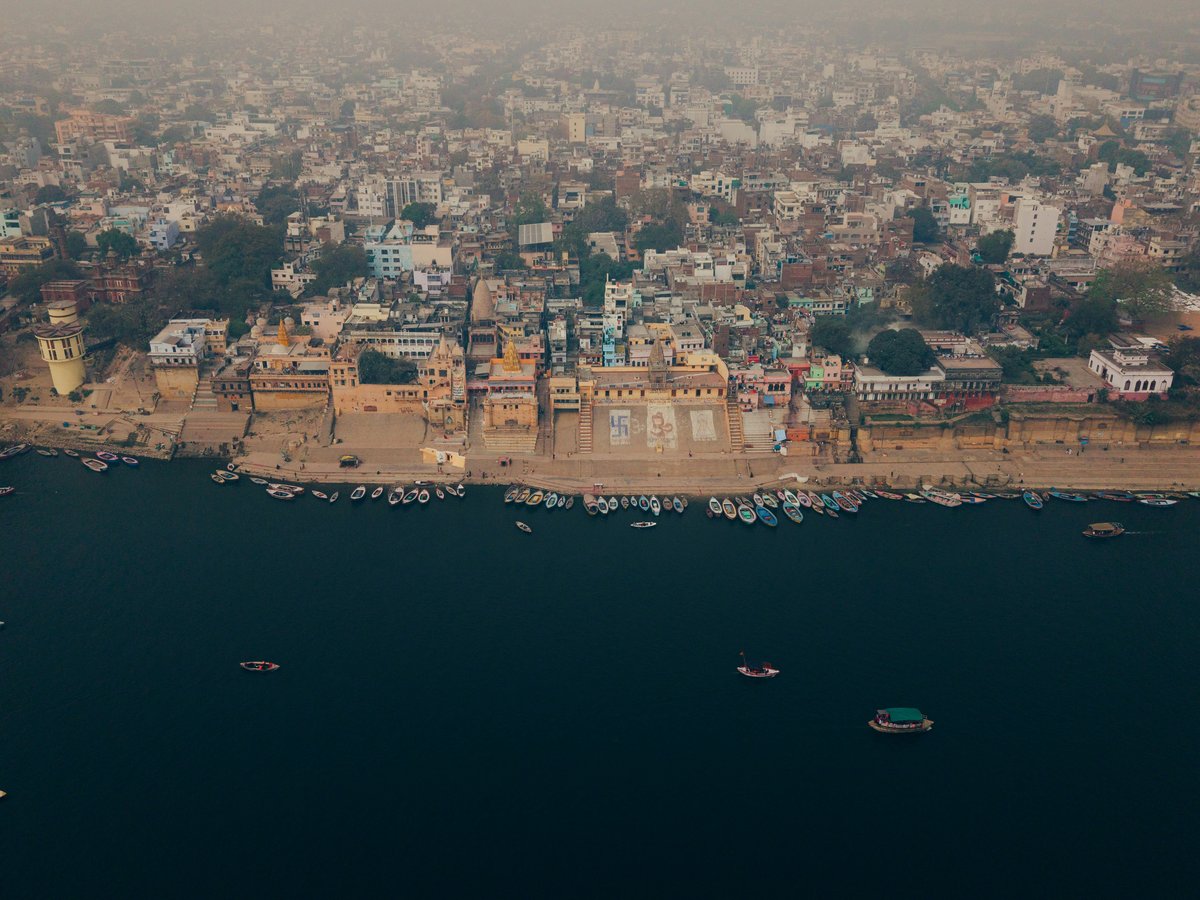
The single biggest mistake visitors make in Varanasi is treating the cremation ghats like a tourist attraction. Manikarnika Ghat operates 24 hours a day, every day. Families carry their dead down the narrow lanes of the old city on bamboo stretchers draped in marigolds, and the smoke from sandalwood pyres drifts across the Ganges at all hours. These are Hindu last rites, not a performance. The Dom community, who have managed the sacred fires for centuries, will tell you firmly not to photograph or film. You can observe quietly from the upper terrace or from a boat on the Ganges, but keep your phone in your pocket. Harishchandra Ghat, 2 km south, follows the same rules. Mind you, touts near Manikarnika often claim to collect donations for firewood on behalf of the ghat. They are unofficial. Walk past.
Shoes come off before you cross the threshold of any temple in Varanasi. This applies to the smallest neighborhood shrine on Bangali Tola lane as much as it does to the security perimeter around Kashi Vishwanath Temple. Leather is the second trip-wire. Belts, bags, wallets, and watch straps made of leather are prohibited inside Hindu temples. The Kashi Vishwanath security check confiscates them, and you won't get a claim ticket. Leave leather at your hotel. Your left hand is considered unclean in North Indian custom, so do not use it to pass food, hand over money, or touch anyone. This seems minor until you absentmindedly hand a chai vendor 20 rupees with your left hand and watch the mood shift.
The Ganga Aarti at Dashashwamedh Ghat begins each evening around 6:45 PM, and it is one of the few rituals in Varanasi where photography is welcome. Five priests in silk dhotis swing heavy brass lamps trailing camphor smoke while chanting reverberates off the worn stone steps. Arrive 30 minutes early for a spot on the ghat itself, or hire a boat for an unobstructed view from the river. The aarti runs about 45 minutes. Afterward, you might find devotees placing small leaf boats with oil flames onto the Ganges. You can buy one for 10-20 rupees from the flower sellers along the steps. Worth noting, Varanasi's ghats before dawn are a different world. Bathers enter the Ganges around 5 AM for private devotion, not ceremony. This matters most at the smaller ghats south of Dashashwamedh, where bathers have no audience in mind.
Varanasi is an overwhelmingly vegetarian city. Beef is effectively illegal across Uttar Pradesh, and most restaurants near Godowlia Chowk serve no meat at all. Alcohol is available at a handful of licensed shops near Lanka, south of Banaras Hindu University, but drinking on the ghats or near temples will draw sharp looks. If you bargain at the silk shops along Vishwanath Gali, 40-50% off the opening ask tends to be the real price. The city's LGBTQ+ friendliness scores 3.5/10 (sourced from TTDI's editorial rubric), so same-sex couples should know that public affection of any kind draws attention here, regardless of gender. Varanasi is conservative by Indian standards, which is saying something. That said, solo travelers tend to navigate the old city lanes without issues during daylight, though the solo-traveler safety score sits at 5.8/10 (see the TTDI Solo-Safety Index).
Cultural norms
Greet people with a namaste (palms pressed together at chest height, a slight bow) rather than extending a hand, particularly when meeting elders or anyone at the ghats. Hindi is the working language, but most shopkeepers along Dashashwamedh Ghat speak functional English. Conversations run direct; a stranger asking where you are from or what your religion is means friendliness, not intrusion.
Cover your shoulders and knees before visiting any temple, including the smaller shrines tucked into the old city's lanes. Kashi Vishwanath Temple enforces this strictly and prohibits leather belts, bags, and shoes inside the security perimeter. Remove footwear before entering any ghat-side shrine. At the burning ghats (Manikarnika and Harishchandra) photography is forbidden; raising a camera toward a funeral pyre will provoke genuine anger.
Auto-rickshaw fares are negotiated before you sit down; insist on a price or the driver will name one at arrival. Tipping ten to fifteen percent at sit-down restaurants is standard; round up for chai stalls. Boatmen on the Ganga expect a tip beyond the agreed fare, usually fifty to a hundred rupees.
Use your right hand when giving or receiving money, food, or prasad. Pointing your feet toward a deity, a sacred fire, or an elder is considered deeply offensive: sit cross-legged or tuck your legs beneath you at the evening aarti along the river.
Greetings
Press palms together at chest height and say 'Namaste' for nearly every interaction in Varanasi. 'Namaskar' is the more formal variant, common among older residents. At the ghats, a slight head nod toward sadhus is enough. Do not initiate handshakes with women unless they extend a hand first.
Don't do this
- Photographing or filming cremation ceremonies at Manikarnika Ghat or Harishchandra Ghat
- Wearing shoes inside any temple, shrine, or home you are invited into
- Bringing leather items (belts, bags, wallets, watch straps) into Hindu temples
- Touching food, money, or people with your left hand
- Pointing the soles of your feet at a person, temple image, or shrine
- Eating beef anywhere in Varanasi or wider Uttar Pradesh
- Drinking alcohol on the ghats or within sight of temple precincts
- Entering restricted-to-Hindus temple areas, including Kashi Vishwanath's inner sanctum
Tipping
Tipping is not expected in Varanasi. Round up by 20-50 rupees at sit-down restaurants. Boat rowers on the Ganges expect 50-100 rupees above the agreed fare. Sadhus who pose for photos at the ghats typically ask for 20-50 rupees.
Dress code
Cover knees and shoulders at all ghats and temples. The security screening at Kashi Vishwanath Temple turns away anyone in shorts or sleeveless tops. Carry a light cotton scarf for unplanned temple stops. At cremation ghats, avoid black or bright colors. White is the Hindu mourning color.
Religious norms
Varanasi is Hinduism's holiest city. Hindus believe dying here breaks the cycle of rebirth, which is why cremation pyres burn around the clock along the river. Accept tilak (a forehead marking) gracefully if offered by a priest at any temple. Non-Hindus cannot enter the inner sanctum of Kashi Vishwanath Temple, though the outer courtyard is accessible with government-issued ID. Temple bells ring from before dawn, and conch shells sound at dusk.
Last verified by automated review (v1.7.2) on . What is automated review?