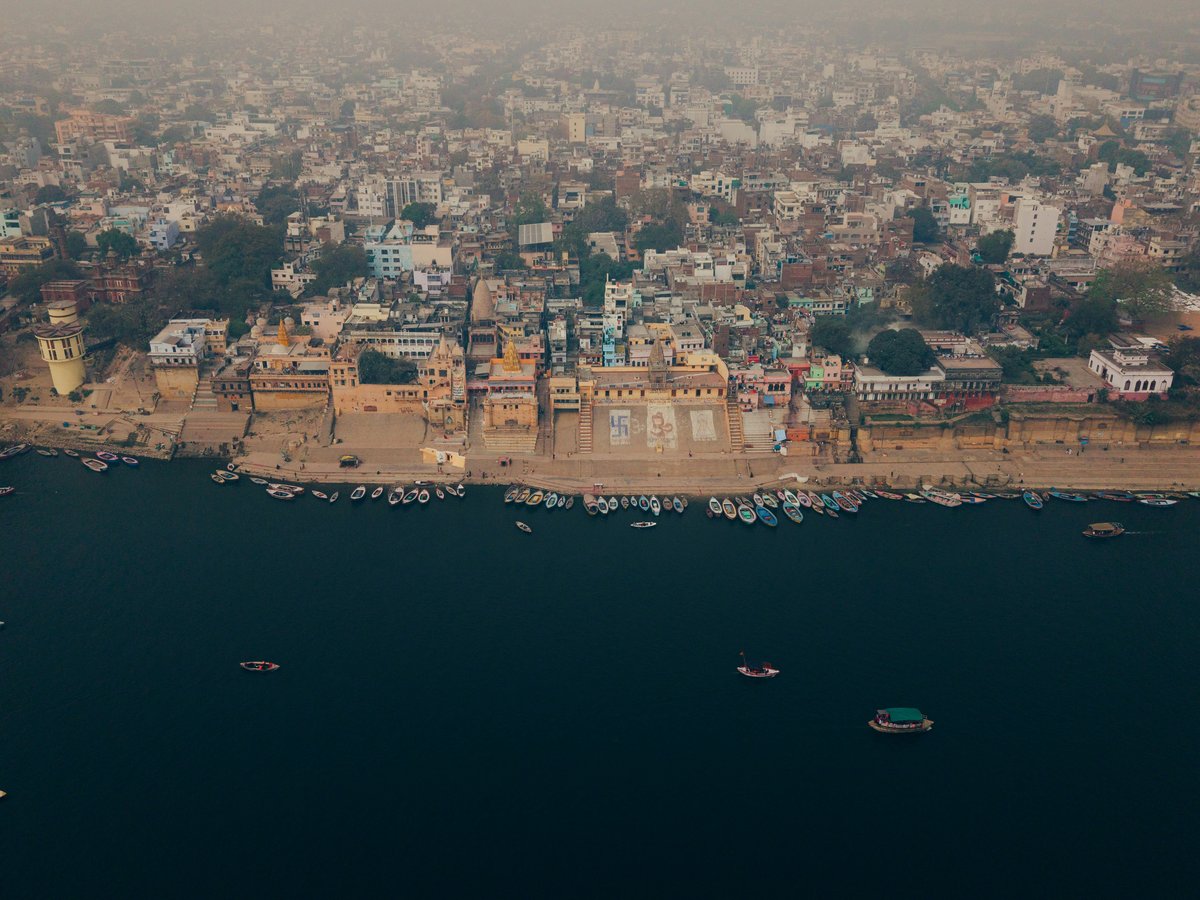
What should I avoid in Varanasi?
Skip the silk-shop touts near Dashashwamedh Ghat, the 'cremation donation' collectors at Manikarnika, and any boatman who won't fix a price before you board. Auto-rickshaw drivers at Varanasi Junction quote ₹400-500 for a ₹100 ride. Monsoon months flood the lower ghats and turn the old city's stone lanes slippery with clay and cow dung.
The galis (narrow lanes) between Godowlia Crossing and the river are lined with silk shops, and roughly 30% of the 'friendly locals' who stop you along the way are working on commission. The pitch at Godowlia follows a script. 'My uncle's shop' or 'government silk cooperative' or 'I'm a student, I get no money.' They'll walk with you for 10 minutes, seem helpful, then steer you into a shop where a pashmina marked at ₹8,000 ($84) is worth maybe ₹800. The fabric feels thin and scratchy, nothing like the heavy, cool drape of real Banarasi weave. If you want silk, try the weaver workshops on Sonarpura Road where a basic handwoven sari starts around ₹3,000. The tout-driven shops along the Dashashwamedh approach charge 40-50% more for machine-made fabric with a 'handloom' label. To be fair, the silk itself is real. The premium goes to the tout, not the loom.
Manikarnika Ghat is one of Hinduism's two primary cremation grounds. You'll smell the woodsmoke from 200 meters away, and the sound of Sanskrit mantras carries across the water at all hours. Respectful observation from a distance is fine. The problem is the man who approaches claiming to be a 'Dom Raja' (keeper of the sacred flame) and demanding ₹2,000-5,000 as a 'wood donation for poor families.' The real Dom community does not solicit visitors. If someone says photography is allowed 'for a donation,' that's a shakedown too. Keep your camera away entirely at Manikarnika. For Ganges boat rides, negotiate at the top of the ghat steps, not at the waterline where you've already committed. A 1-hour dawn boat from Assi Ghat past Manikarnika and back costs ₹200-300 per person shared, or ₹800-1,200 private. Any boatman quoting above ₹1,500 is testing whether you know the going rate.
Varanasi Junction (also called Varanasi Cantt) has its own ecosystem of touts at the platform exits. Men in semi-official vests will tell you your hotel is 'closed' or 'flooded' and redirect you to a commission-paying guesthouse. Ignore them. Auto-rickshaws from the station to Assi Ghat run ₹100-150, but drivers will open at ₹400-500. Use Ola or InDriver for metered pricing. Lal Bahadur Shastri International Airport sits 26 km northwest of the old city. A prepaid taxi booth inside arrivals charges ₹600-800 to the ghat area. The queue is slow but the price is fixed, and you skip the negotiation entirely. From November through February, morning fog at VNS delays or diverts flights 2-4 times per week, so build a buffer day into any winter connection through Delhi.
The Ganges at Varanasi carries fecal coliform levels thousands of times above the Central Pollution Control Board's safe bathing threshold. Pilgrims at the ghats carry a lifetime of built-up tolerance. You do not. If river water splashes your skin during a boat ride, rinse with bottled water. The street lassis near Kashi Vishwanath Temple go for ₹30-50 and taste fine, but only from stalls where you see the dahi being spooned fresh into the glass. Pre-mixed lassi sitting in an open vat at 35°C is a fast route to a rough 48 hours. As of mid-August, Varanasi is running about 30°C with 75% humidity, feeling closer to 35°C on the skin. Monsoon rains flood the lower steps at the major ghats, and the stone lanes develop a slippery film of wet clay and cow dung. Carry a headlamp after dark.
Skip the Ramnagar Fort trip. It costs ₹100 to enter, sits 14 km across the river, and the 'museum' amounts to dusty rooms with dim lighting. You'll spend 3 hours traveling for 20 minutes of squinting at display cases. The evening Ganga Aarti at Dashashwamedh Ghat photographs well, but arrive after 6pm and you're 15 rows back seeing phone screens. Get there by 5:30pm for a front-row seat on the steps, or watch from a boat at ₹150-200 per person for a better angle and cooler air off the water. The old-city lanes after 10pm have no street lights. That said, the danger is twisted ankles and cow-dung puddles, not violent crime. Varanasi scores 5.8/10 for solo-traveler safety (see the TTDI Solo-Safety Index). Your biggest enemy here is your stomach, not your surroundings.
Tourist traps to skip
- Ramnagar Fort. ₹100 entry, 14 km across the Ganges, a 45-minute auto-rickshaw each way. The rooms are dim, the displays are dusty, and the round trip eats half your day for 20 minutes of content.
- 'Government silk cooperative' shops near the main ceremony ghat. Commission-driven storefronts selling machine-made fabric at handwoven prices. Real weavers sell on Sonarpura Road for considerably less.
- Dashashwamedh Ghat waterfront restaurants. Thalis run ₹300-500 facing the water. The same meal costs ₹80-120 two lanes inland.
- Sarnath's souvenir market. Mass-produced 'Buddhist artifacts' at inflated prices. The Sarnath Museum (founded 1910) is the only stop worth the 13 km trip.
- Ganga Aarti standing area after 6pm. You'll see phone screens, not priests. Arrive by 5:30pm or pay for a boat seat with an unobstructed view.
- Hotel-lobby 'spiritual experience' packages at ₹3,000-5,000. They bundle a boat ride, a temple walk, and a guide you could arrange independently for a fraction of the cost.
Common scams
- 'Dom Raja' wood donation at Manikarnika Ghat. A man claiming to represent the cremation keepers demands thousands of rupees for firewood. The actual Dom community never solicits visitors.
- 'Your hotel is closed' at Varanasi Junction. Touts in semi-official vests intercept arriving passengers, claim the booking fell through, and redirect to a commission guesthouse.
- Auto-rickshaw fare padding. Station and airport drivers routinely open at 3-5x the real fare. Check Ola or InDriver for the metered rate before negotiating.
- Boat price escalation at the waterline. Boatmen name an inflated starting price once you're at water level and feel committed. Agree on the fare at the top of the steps before walking down.
- 'Free' tilak or marigold garland at the ghats, followed by aggressive demands for ₹500-1,000 once the paste is on your forehead.
- Photography 'permission' at the cremation ghat. Someone offers to let you shoot for a fee. Paying still violates the families' space, and the 'permission' carries no authority.
- 'Student' commission walkers near Godowlia Crossing. They chat for 10 minutes, seem friendly, then deliver you to a silk shop where their cut is baked into your price.
- Sadhu photo shakedown at the main ceremony ghat. Men in ash paint and saffron cloth pose for your camera, then demand ₹500+ for the shot.
Seasonal hazards
- Monsoon flooding from July through September submerges the lower 10-15 steps at major ghats. Assi and Dashashwamedh become impassable at water level, and boat boarding shifts to higher, improvised landings.
- Humidity runs 75-90% from July through September alongside 30-35°C temperatures. The heat index pushes perceived temperature above 40°C, and heatstroke risk is real even when the thermometer reads moderate.
- Stone galis get coated in wet clay and cow dung during rain. Twisted ankles are the most common tourist injury in the old city. Shoes with grip matter more than sandals here.
- November through February fog delays or diverts flights at VNS airport 2-4 times per week. Morning departures are worst. Build a buffer day into winter connections through Delhi.
- May and June temperatures reach 45°C+ with minimal shade along the ghats. The stone steps radiate stored heat well past sunset, and the air at ghat level barely moves.
Last verified by automated review (v1.7.2) on . What is automated review?