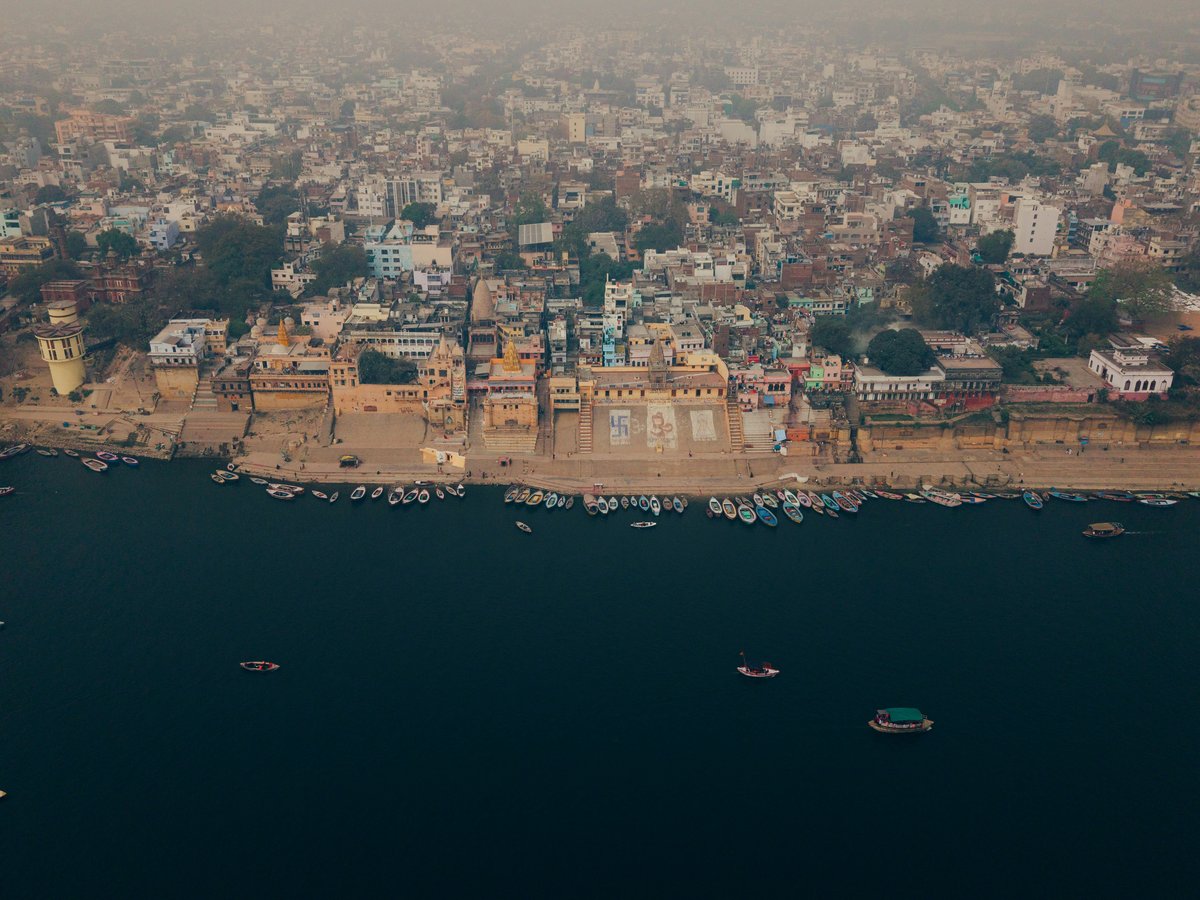
Varanasi does not have nightlife in the way Mumbai or Delhi does. That needs to be said upfront. This is a city where the most compelling after-dark experience is sitting on the stone steps of Dashashwamedh Ghat at 7 PM watching the Ganga Aarti, with the smell of camphor and marigold thick in the humid air. Uttar Pradesh's conservative drinking culture, combined with Varanasi's identity as one of Hinduism's holiest cities, means the bar-and-club circuit is thin. Most restaurants stop serving food by 10 PM. Licensed alcohol outlets are scattered, not clustered. The city scores 5.8 out of 10 for solo-traveler safety (see the TTDI Solo-Safety Index), and the after-dark reality reflects that cautious character. What Varanasi does offer, though, is a different kind of night. The ghats stay alive well past midnight with sadhus, pilgrims, and the low hum of devotional music drifting across the Ganga. Chai stalls in the old city lanes keep pouring until 1 or 2 AM. And the rooftop restaurants overlooking the river, lit by the amber glow of diyas and distant cremation pyres at Manikarnika Ghat, create an atmosphere no cocktail lounge anywhere on earth can replicate.
The Bar Scene in Varanasi
Varanasi has no cocktail bar district. No speakeasy trend. No wine bar culture to speak of. The licensed drinking options fall into roughly 3 categories. First, hotel bars inside the larger properties along The Mall Road (Cantonment area) and near Nadesar. These tend to serve Indian whisky, Kingfisher beer, and a short list of rum-based drinks. Expect to pay 200 to 500 INR for a beer, 300 to 700 INR for a mixed drink. The atmosphere in these places leans toward quiet and functional. Dark wood, low ceilings, a television showing cricket. Second, rooftop restaurants in the Assi Ghat and Dashashwamedh Ghat areas. Several guesthouse terraces along the ghats serve beer and sometimes wine, though the selection rarely goes beyond Sula or Grover Zampa for Indian labels. The real draw is the view. Sitting 4 stories above the Ganga with the sound of temple bells rising from the lanes below, a cold Kingfisher in a city that runs hot, that combination works on its own terms. Third, a handful of standalone restaurants in the Sigra and Lanka areas that have liquor licenses. These cater more to local professionals and BHU university crowds than to tourists. Worth noting, many restaurants and cafes in the old city near the ghats do not serve alcohol at all. This is a conscious cultural choice, not an oversight. If a cold beer matters to your evening, confirm before you sit down. Bhang lassi, a cannabis-infused yogurt drink sold legally at certain government-authorized shops near the ghats, is arguably the more traditionally Banarasi intoxicant. It has been part of the city's Shaivite culture for centuries. The taste is chalky, sweet, and mildly bitter. Effects take 30 to 90 minutes to set in and can last several hours, so start with a small glass.
The Club Scene, or the Absence of One
There is no club scene in Varanasi in any conventional sense. No EDM venues, no DJ residencies, no VIP bottle-service spots. The city has no nightclub district. Uttar Pradesh state law generally requires establishments serving alcohol to close by 11 PM or midnight, and Varanasi enforces this more strictly than, say, Lucknow or Noida. A few of the larger hotels occasionally host private event nights or wedding-adjacent parties with DJs, but these are closed functions, not public nightlife. If you are specifically traveling for clubs, Varanasi is the wrong destination. Delhi is a 12-hour train ride or 90-minute flight on IndiGo or Air India from Lal Bahadur Shastri International Airport. That said, the absence of clubs is not really a gap in Varanasi's fabric. The city's rhythm runs to a different clock. The most populated gathering spots after 10 PM tend to be the ghats themselves, where groups sit on the steps talking, singing, or simply watching the dark water of the Ganga. During festivals like Dev Deepavali in November, the entire riverfront fills with hundreds of thousands of oil lamps and the city stays awake through the night, though the energy is devotional rather than recreational.
Live Music in Varanasi
Varanasi is one of the great music cities of India, but the tradition is Hindustani classical, not rock or jazz. This is the city of Bismillah Khan, who played shehnai on the ghats for decades until his death in 2006. The gharana tradition runs deep here. Benares gharana tabla players and vocalists still perform regularly, though finding these performances requires some effort. The Sankat Mochan Music Festival, held annually at the Sankat Mochan Hanuman Temple (typically in April), draws classical musicians from across India for multi-day recitals that run from evening into the early morning hours. Ragas performed at 2 AM in an open courtyard with the scent of jasmine and the low rumble of tabla. That is Varanasi's live music at its peak. Beyond the festival circuit, classical music recitals happen at Banaras Hindu University's Bharat Kala Bhavan campus area (the museum itself was founded in 1920) and at private baithaks, intimate seated concerts, in homes across the old city. Tourists can sometimes attend these through guesthouse connections or music teachers in the Bengali Tola and Assi neighborhoods. Several cafes near Assi Ghat host occasional acoustic sets by traveling musicians, typically folk or acoustic covers, in the October-to-March tourist season. These are informal, unadvertised, and tend to wrap up by 10 PM. For devotional music, the nightly aarti ceremonies at Dashashwamedh Ghat feature coordinated chanting and bell-ringing that fills the riverfront. Not a concert in any formal sense, but a sonic experience that stays with you.
Nightlife neighborhoods
-
Assi Ghat and Bengali Tola
The closest thing Varanasi has to a traveler social hub after dark. Rooftop cafes serve chai and beer while overlooking the southern stretch of the Ganga. The lanes smell of incense and frying samosas. Acoustic guitar from a guesthouse terrace mixes with the call to prayer from a nearby mosque. Quieter than the central ghats, with a more bohemian, student-adjacent feel thanks to the proximity of BHU.
- Best for
- Solo travelers, long-stay visitors, those who want a beer with a river view and early-evening socializing before the city winds down by 10 PM
-
Dashashwamedh Ghat and Godowlia
The spiritual and commercial center of the old city. Godowlia Chowk, the main crossroads, stays busy until late with street food vendors selling kachori, chaat, and the famous Banarasi paan. The ghat itself hosts the nightly aarti ceremony starting around 7 PM, which draws hundreds of people to the waterfront. After the aarti, the surrounding lanes keep buzzing with chai stalls and sweet shops. Narrow alleys, motorbike horns, and the warm smell of ghee.
- Best for
- First-time visitors who want to experience Varanasi's signature evening ritual and the old-city street food scene
-
Lanka and Sigra
South of the old city, these adjacent neighborhoods along the BHU corridor have a more modern feel. Small restaurants and cafes cater to university students and young professionals. Some establishments here hold liquor licenses and stay open later than the ghat-area spots. The energy is local rather than tourist-facing. You might be the only foreigner in the room, which is fine.
- Best for
- Travelers looking for a more local, less tourist-oriented evening meal with the option of a beer or whisky, especially on weekends when BHU students are out
-
Cantonment (The Mall Road area)
The British-era cantonment area sits well north of the old city and feels like a different town. Wider roads, chain hotels, and a handful of hotel bars that serve as the city's closest approximation of a conventional night out. The crowd is a mix of business travelers, wedding guests, and domestic tourists. The atmosphere is quiet and air-conditioned, a stark contrast to the sensory density of the ghats 5 kilometers south.
- Best for
- Visitors staying in the upmarket hotels who want a late drink without navigating the old city lanes after dark
Safety after dark
Getting around Varanasi after dark requires some awareness. Auto-rickshaws are the primary transport for post-dinner travel, but agree on a fare before you get in. Meters are rarely used. A ride from the ghats to the Cantonment area should cost roughly 150 to 250 INR after negotiation. The old city lanes near the ghats are extremely narrow, poorly lit in stretches, and easy to get lost in without phone GPS. Cow dung, uneven stone, and sleeping dogs are genuine trip hazards. Stick to lanes you walked during the day until you learn the layout. Touts near the ghats become more persistent after dark, offering boat rides, silk shop visits, or guided tours. A firm no is usually sufficient. The LGBTQ+ friendliness score sits at 3.5 out of 10 (sourced from TTDI's editorial rubric), and public displays of affection between same-sex couples can draw unwanted attention, particularly in the more conservative old city neighborhoods. Drink spiking is not a widespread reported issue in Varanasi, but bhang lassi strength varies wildly between vendors. Some shops sell unmarked "special" lassi to unsuspecting tourists without clearly stating the cannabis content. Always ask explicitly whether a lassi contains bhang before ordering. Effects can be disorienting, especially in an unfamiliar city. Ola and Uber operate in Varanasi but availability drops sharply after 10 PM in the old city area. Having your hotel's phone number saved for a pickup arrangement is worth the small effort.
Practical tips
- Alcohol availability and hours
- Most licensed establishments stop serving alcohol by 11 PM. On designated dry days, which include national holidays like Republic Day (January 26) and Gandhi Jayanti (October 2), plus local observances, no alcohol is sold anywhere in the city. Your hotel front desk can confirm whether the current day is dry.
- Currency and costs
- At the current rate of roughly 96 INR to 1 USD, a night out in Varanasi is inexpensive by global standards. A Kingfisher tallboy runs 150 to 300 INR depending on venue. Street food dinners near Godowlia cost 50 to 150 INR. Carry cash in small denominations. Many ghat-area establishments do not accept cards, and UPI (India's mobile payment system) is the local default for digital payments.
- Tipping customs
- Tipping is appreciated but not expected at the same level as in Western countries. A 10% tip on a restaurant bill is generous by local standards. For auto-rickshaw drivers, rounding up the agreed fare by 10 to 20 INR is a kind gesture but not obligatory.
- Dress and cultural sensitivity
- Varanasi is a deeply religious city. Revealing clothing draws stares and occasional comments, especially in the old city and around temples. Covering shoulders and knees is a practical choice for both men and women, not a legal requirement but a social one. Footwear comes off at any ghat where people are bathing or praying.
- Timing the evening
- The best window for evening activity runs from about 6 PM to 10 PM. The Ganga Aarti at Dashashwamedh Ghat starts around 6:45 PM (earlier in winter, later in summer) and lasts roughly 45 minutes. Arriving 20 to 30 minutes early secures a spot on the steps. After the aarti, the old city food scene peaks until about 9:30 PM. By 11 PM, most of Varanasi is asleep.
FAQ
Is Varanasi a good city for nightlife?
Honestly, no. Varanasi is a spiritual and cultural destination, not a nightlife one. The evening scene centers on ghat ceremonies, street food, rooftop dining, and chai. If late-night bars and clubs are important to your trip, consider adding Delhi or Mumbai to your itinerary. What Varanasi offers after dark is atmosphere, not entertainment in the conventional sense.
Can I buy alcohol easily in Varanasi?
Alcohol is legal but not prominently available. Licensed hotel bars, a few standalone restaurants in Sigra and Lanka, and some rooftop spots near the ghats serve beer, wine, and spirits. Many ghat-area cafes and restaurants do not stock alcohol. Government-run liquor shops (called "thekas") sell bottles for off-premises consumption, typically closing by 10 PM.
What is bhang lassi and is it legal?
Bhang is a cannabis preparation that has been part of Hindu religious tradition in Varanasi for centuries. It is sold legally at government-authorized shops, often mixed into lassi (a yogurt drink) or thandai (a spiced milk drink, particularly popular during Holi in March). Effects are psychoactive and can last 4 to 6 hours. Start with half a glass if you have no tolerance, and do not combine it with alcohol.
How late can I stay out safely in Varanasi?
The ghats remain populated through the night, with sadhus, pilgrims, and the occasional traveler keeping a low-key presence. The old city lanes become very quiet and dark after 11 PM. Walking alone through unfamiliar alleys past that hour is not advisable. The Cantonment area feels safer at night due to wider, lit roads and hotel security, but it lacks the character of the riverside.
Are there any seasonal events that affect the nightlife scene?
Dev Deepavali in November (15 days after Diwali) transforms the ghats with lakhs of oil lamps and keeps the riverfront active all night. Mahashivaratri, usually in February or March, brings all-night devotional gatherings at Kashi Vishwanath Temple and surrounding areas. During monsoon months like August, when daytime temperatures sit around 30 degrees Celsius with high humidity, the evening crowd on the ghats thins compared to the peak October-to-March season.
Last verified by automated review (v1.7.2) on . What is automated review?