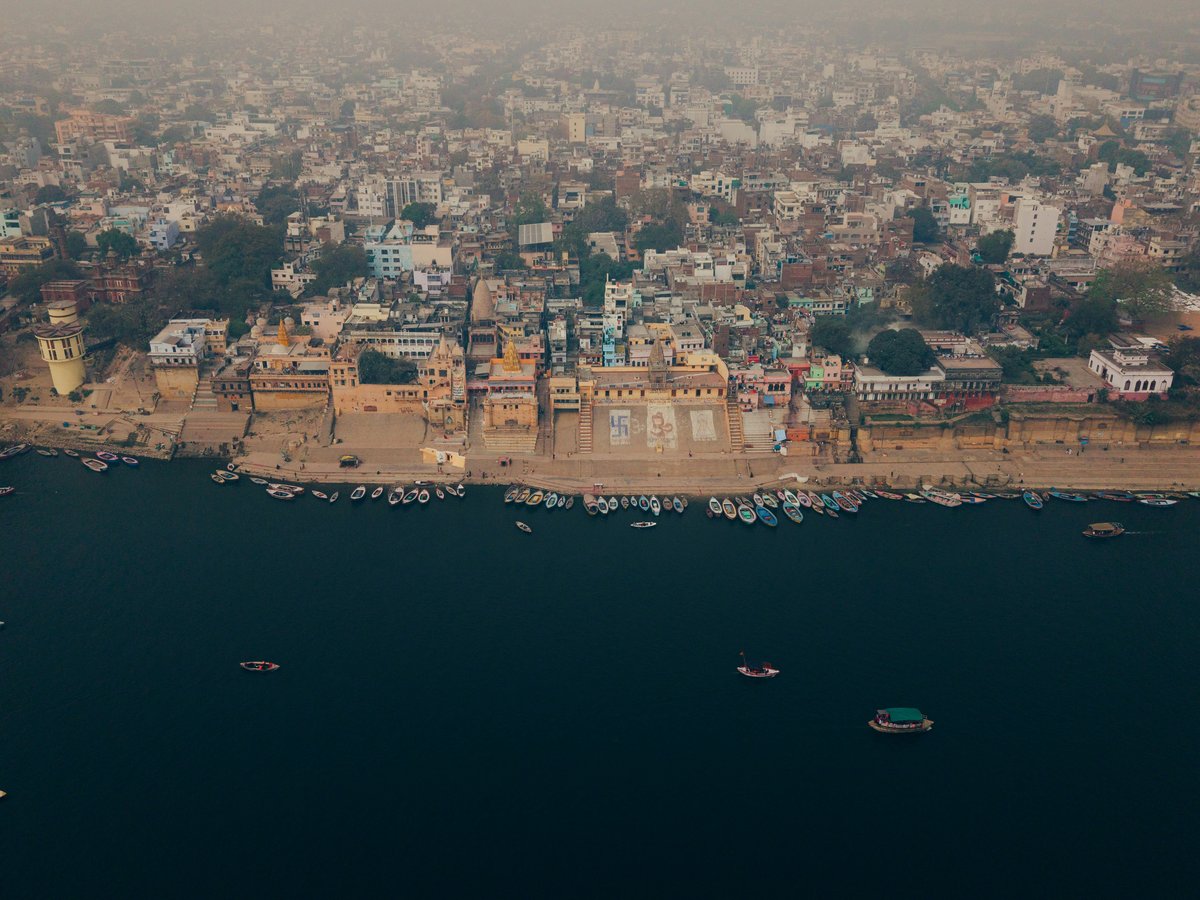
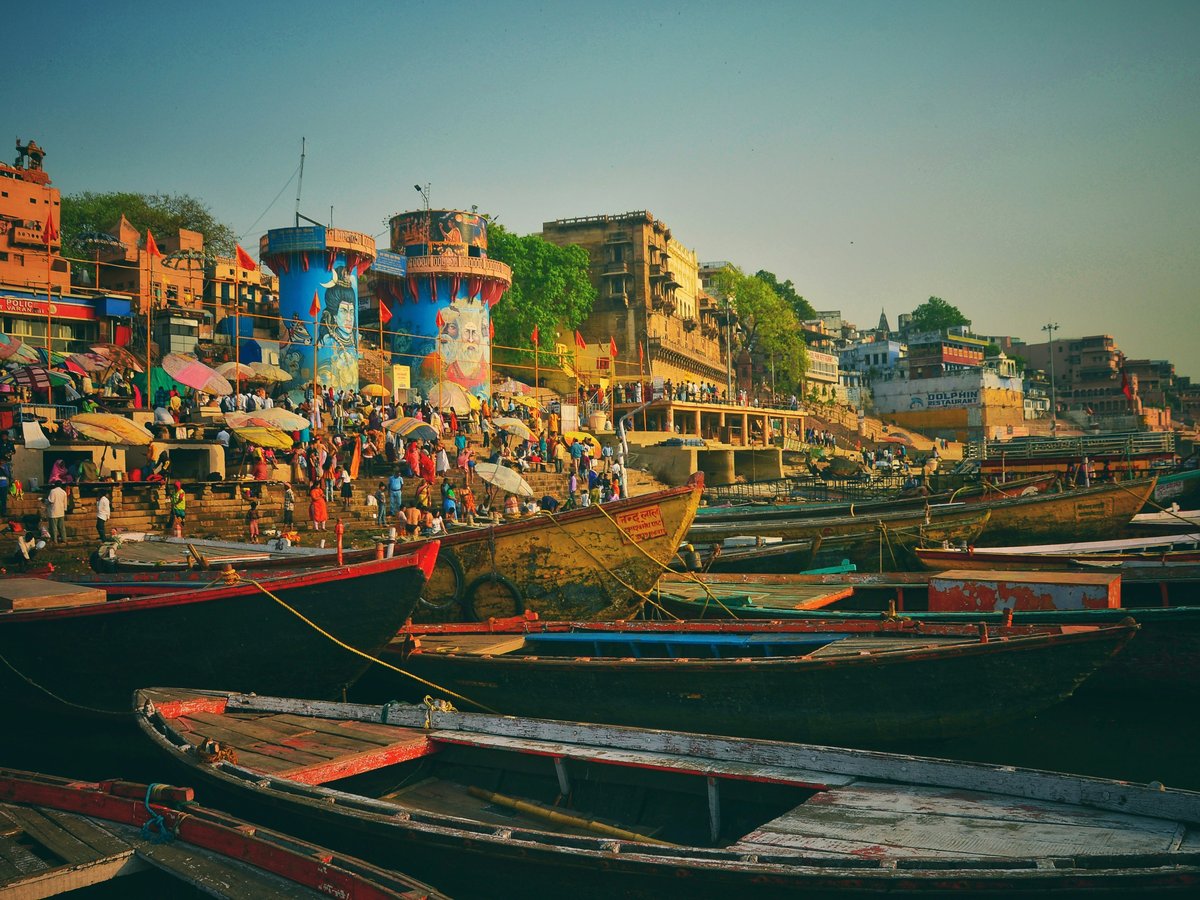
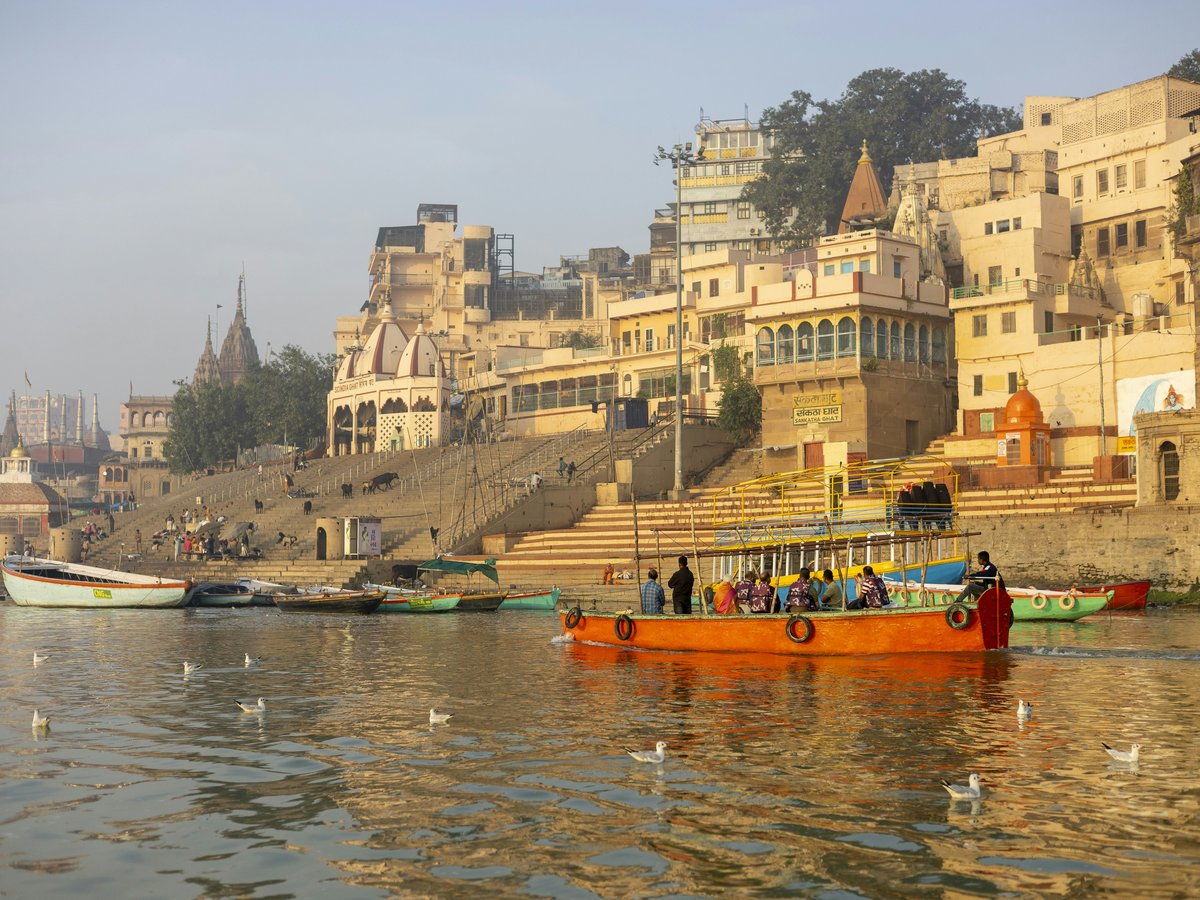
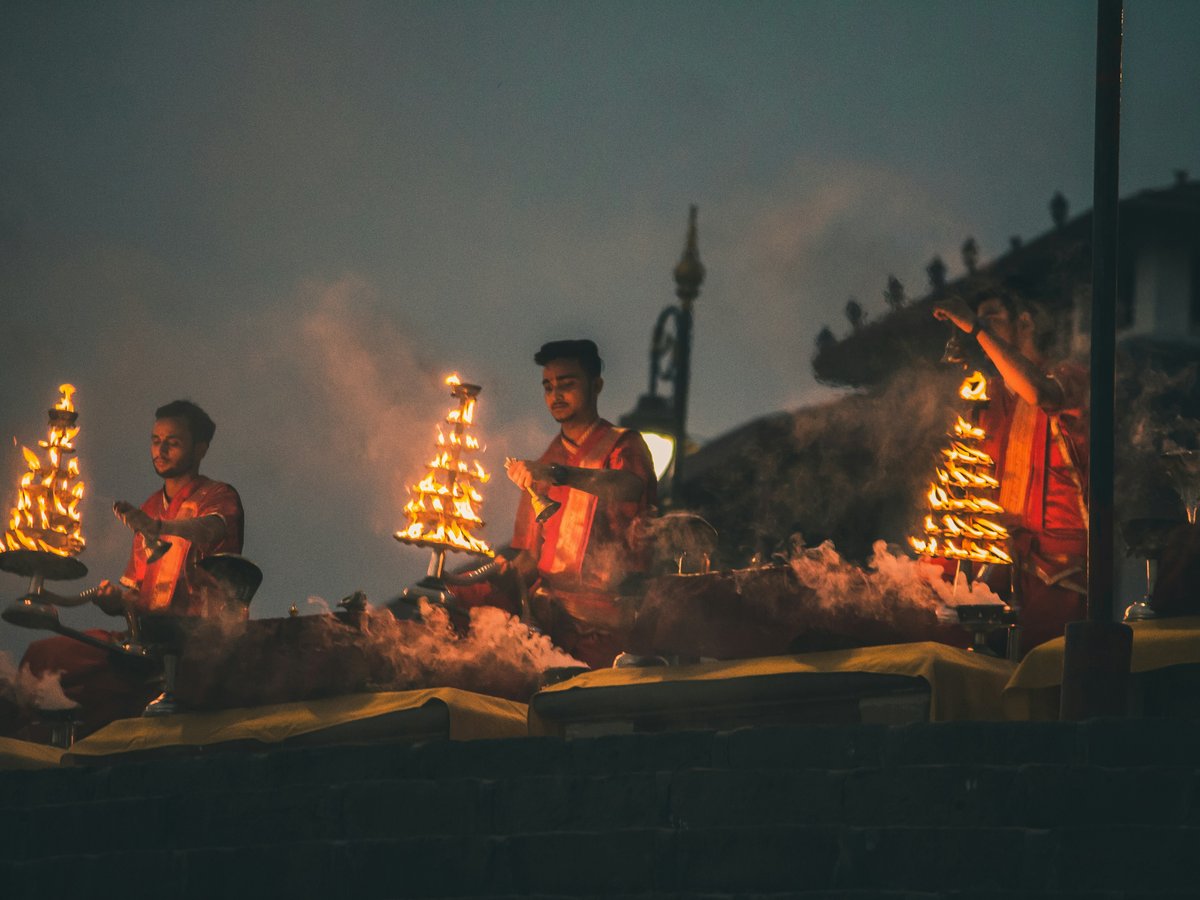
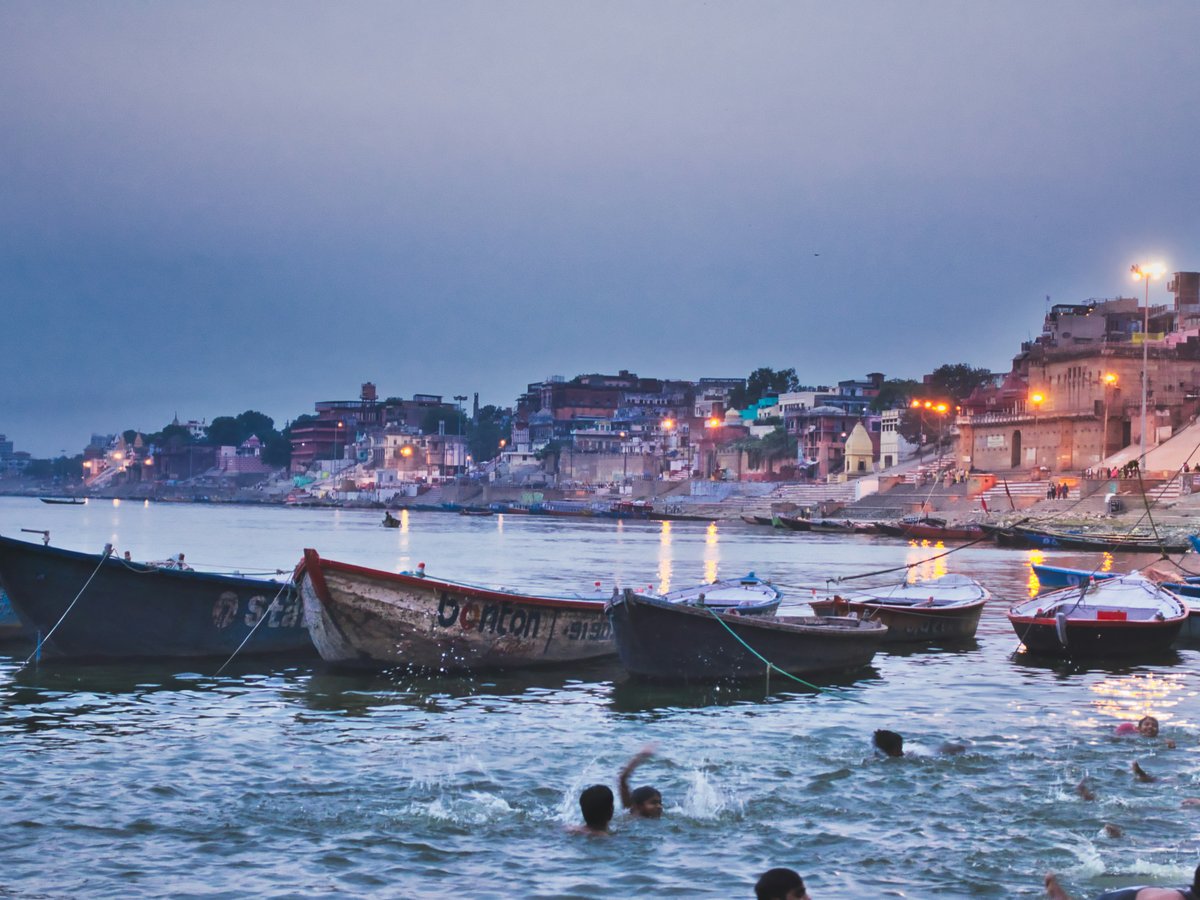
Varanasi sits on the western bank of the Ganges where the river bends north, one of the only stretches along its entire course where it does so, and that geographical accident shapes everything a visitor sees. The eighty-four ghats lining the waterfront for nearly seven kilometres all face east, so every sunrise lights the stone steps like a stage set. This is a city of roughly 1.2 million people that has been continuously inhabited for more than three thousand years, older than Rome, older than Athens, and that depth is not a marketing claim but something you feel in the compressed lanes of the old city where a silk weaver's workshop shares a wall with a temple that was already ancient when the Mughals arrived. Most first-time visitors stay near Assi Ghat at the southern end or Dashashwamedh Ghat near the centre, and the walk between them along the waterfront takes about forty minutes if you resist stopping, which you will not. The lanes behind Dashashwamedh, known locally as Vishwanath Gali, form a tight corridor of flower sellers, brass shops, and silk merchants leading to the Kashi Vishwanath Temple, rebuilt in the eighteenth century by Ahilyabai Holkar after Mughal-era destruction. Mornings begin early because the city does: the pre-dawn aarti at the ghats draws crowds by five, and by seven the chai stalls around Godowlia Chowk are already full. Afternoons go quiet in the heat, and the wise use of that time is the Bharat Kala Bhavan museum at Banaras Hindu University or the Muslim weaving quarter of Madanpura, where Banarasi silk saris are still produced on handlooms in workshops that supply much of the country. Evenings belong to the Ganga Aarti at Dashashwamedh, a choreographed fire ceremony performed nightly by a row of trained priests before thousands of onlookers.
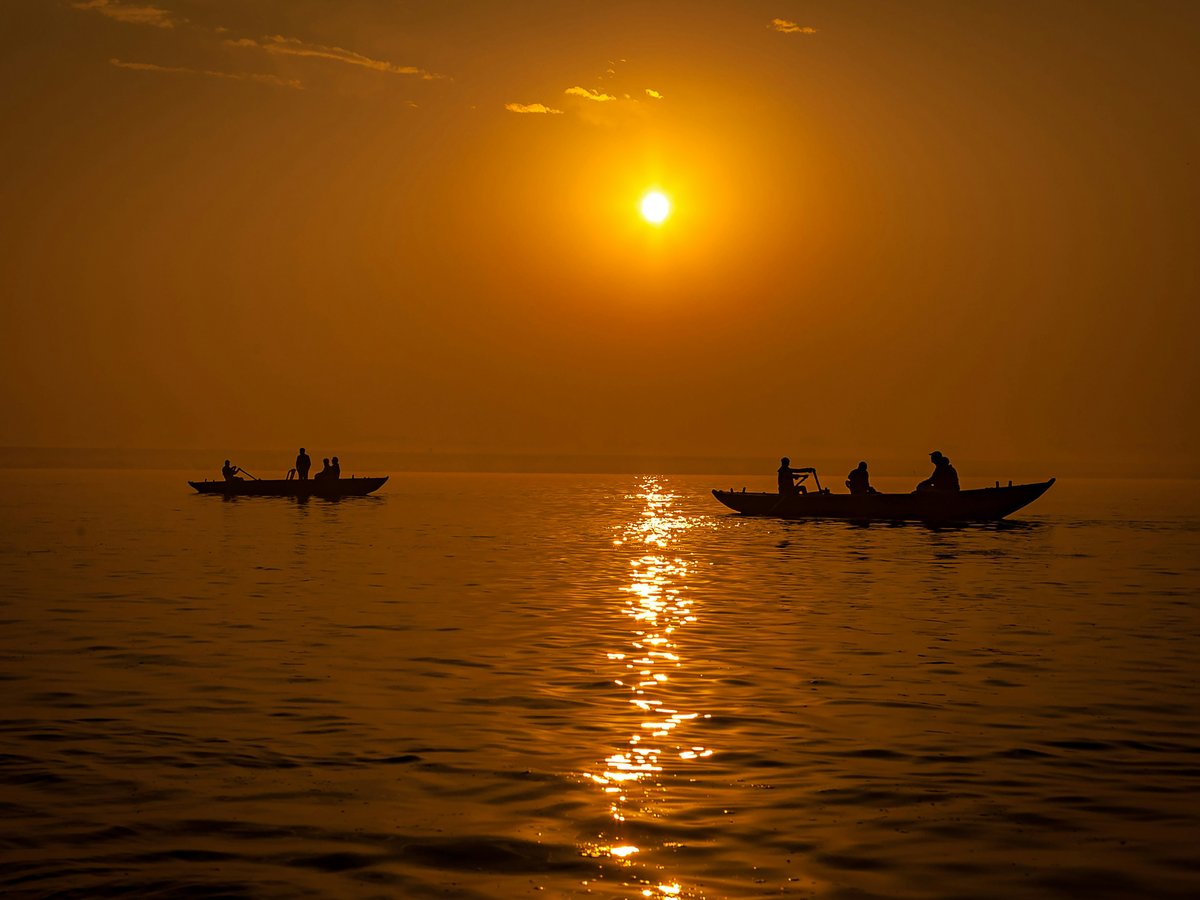
Varanasi in photos
Varanasi right now
Answers about Varanasi
-
Airport to city
From Lal Bahadur Shastri Airport (VNS), book a prepaid taxi at the counter inside arrivals. The fixed fare to the ghats runs ₹800-1,000 ($8-10) for the 26 km ride, taking 45-75 minutes. Cars cannot reach ghat-side hotels, so expect a 10-15 minute walk through narrow lanes to your door.
Read the full answer → -
Best time to visit
October through February, when daytime temperatures range from 15°C to 28°C and the monsoon has cleared. November tends to be the best single month. The Dev Deepavali festival lights the ghats in late November. Avoid April through September for a first visit, when extreme heat and monsoon flooding make the ghats inaccessible.
Read the full answer → -
Cost per day
Varanasi runs ₹1,150-1,450 ($12-15) per day at backpacker level. That covers a hostel dorm near Assi Ghat, three street-food meals, chai, and a shared sunrise boat ride on the Ganges. Midrange lands at ₹3,300-4,300 ($35-45) with an AC hotel room and sit-down restaurants. The ghats, the evening Ganga Aarti, and the old-city lanes are all free.
Read the full answer → -
Cultural etiquette
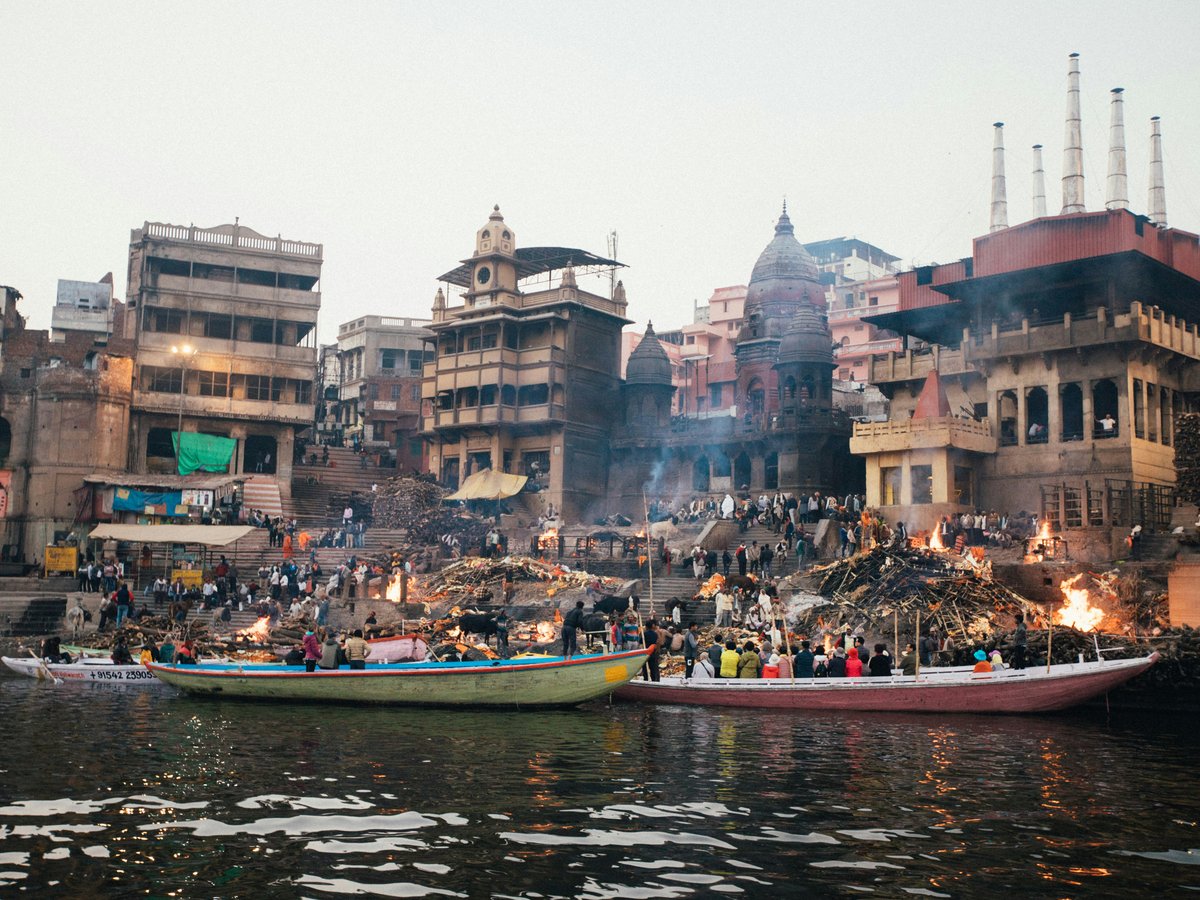
Varanasi's biggest etiquette mistake is photographing cremation ceremonies at Manikarnika Ghat. You will be confronted if you try. Remove shoes before entering any temple, keep your left hand away from food and people, and cover shoulders and knees at Kashi Vishwanath and every other religious site. Greet with 'Namaste,' palms together at chest height.
Read the full answer → -
Best day trips
Sarnath sits 10 km north of Varanasi and fills a comfortable half-day. The Dhamek Stupa and the archaeological museum hold Buddhist sculpture worth the 30-minute auto-rickshaw ride. For a full day, Chunar Fort (40 km southwest) or Jaunpur's Sharqi mosques (60 km northwest) give couples a reason to hire a car and split the driving with a long lunch.
Read the full answer → -
Digital nomads
Varanasi is a poor fit for digital nomads. Jio 5G reaches Lanka and Cantonment at 40-80 Mbps, but the old city's stone lanes block signal. Fewer than 3 spaces pass as coworking. Monthly costs sit below $700, but power cuts, monsoon humidity, and absent nomad infrastructure make this a 2-4 week detour between Bangalore or Goa, not a base.
Read the full answer → -
Family-friendly
Varanasi scores 4.8/10 for family friendliness (see the TTDI Family-Friendliness Index). The old city's narrow lanes block strollers entirely, cremation ghats are confronting for children under 10, and monsoon humidity pushes the feels-like temperature past 35°C. Dawn boat rides on the Ganges work for kids 5 and older, and Sarnath offers flat ground and calm space away from the intensity. Plan mornings only.
Read the full answer → -
Food culture
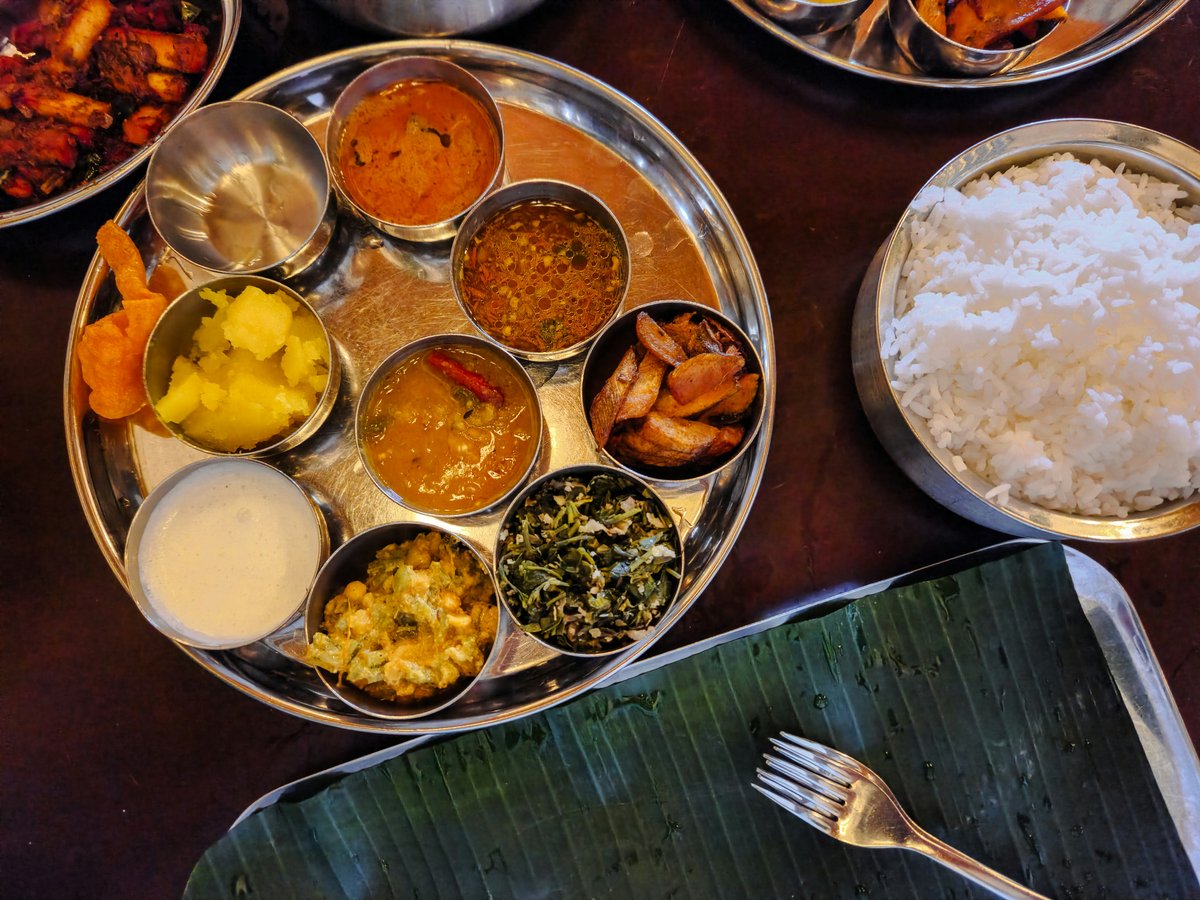
Varanasi eats vegetarian by default, and the food runs on a temple-town clock. Breakfast kachori at Ram Bhandar in Thatheri Bazar by 8am, tamatar chaat at Kashi Chaat Bhandar by noon, thick kulhad lassi at Blue Lassi near Kachori Gali by 3pm. Most meals cost 30-80 INR, under 1 USD at current rates.
Read the full answer → -
Getting around
Walking and auto-rickshaws for most trips, boats along the Ganges for the ghats. The old city near Dashashwamedh Ghat narrows to under 2 meters, so no vehicle enters. Download Ola before arrival. Auto rides cost ₹100-200 within the city. A prepaid taxi from VNS airport runs about ₹900 for the 26 km into town.
Read the full answer → -
How to get there
Lal Bahadur Shastri International Airport (VNS) in Babatpur, 26 km northwest of the ghats, handles all flights to Varanasi. No nonstop international service. Connect through Delhi (DEL) or Gulf hubs like Dubai and Doha from the US or Europe. Domestic flights from Delhi take 90 minutes on IndiGo or Air India at ₹3,000+ ($31+). Trains from Delhi run 8-12 hours on the Vande Bharat or Rajdhani Express.
Read the full answer → -
Is it safe?
Varanasi is safe enough for a careful solo traveller, and TTDI scores its solo-traveler safety at 5.8/10 (see the TTDI Solo-Safety Index). Violent crime against visitors is rare. The real risks are touts at Manikarnika Ghat, unlit lanes behind Dashashwamedh Ghat after 10pm, motorbikes in the galis, Ganges water, and bhang lassi. Dial 112 in an emergency.
Read the full answer → -
Language basics
Hindi, with a Bhojpuri accent native to eastern Uttar Pradesh, is Varanasi's working language, written in Devanagari script. English proficiency in the tourist ghat corridor remains limited. Hotel staff and licensed guides handle English, but boatmen, auto-rickshaw drivers, and Vishwanath Gali shopkeepers mostly don't. Six Hindi phrases cover 90% of daily interactions.
Read the full answer → -
Layover guide
Yes, with at least 7 hours. Lal Bahadur Shastri Airport sits 26 km from the ghats, and a taxi to the riverfront takes close to an hour each way. Most nationalities need an e-visa arranged before arrival. Sarnath is closer to the terminal and fits a focused 90-minute visit on tighter connections. Longer layovers reach Dashashwamedh Ghat for the evening Ganga Aarti.
Read the full answer → -
Where locals go
Varanasi's local life centers on Lanka roundabout near BHU, where 35,000 students crowd chai stalls and momos vendors after 4pm. Sigra's commercial district draws families to IP Mall on weekends. Evening cricket on the wider ghats, paan shops at Godowlia crossing until 11pm, and Bhelupur's 5pm street food carts are where residents spend their time.
Read the full answer → -
Must-see
The Ganga Aarti at Dashashwamedh Ghat, held nightly at sunset. Seven priests swing five-tiered brass lamps over the Ganges while conch shells and bells carry across the water. Arrive an hour early for a step seat, or pay 100-200 INR for a boat view from the river. No reservation needed. Rain or shine, about 45 minutes.
Read the full answer → -
This week
Varanasi's week turns on recurring temple rhythms, not scheduled events. The nightly Ganga Aarti at Dashashwamedh Ghat starts around 6:45pm year-round. Mondays are Shiva's day, and Kashi Vishwanath Temple queues triple. Weekends bring trainloads of domestic visitors from Delhi and Kolkata, so weekday mornings before 6am are the quietest hours on the river.
Read the full answer → -
3-day itinerary
Day 1 covers the northern ghats and Old City lanes on foot, ending at the Ganga Aarti at Dashashwamedh Ghat by 7pm. Day 2 is Sarnath, 10km north, for the Buddhist circuit and its archaeological museum. Day 3 crosses to Ramnagar Fort and returns through the silk-weaving quarter in Madanpura. About 18km on foot across the three days, with auto-rickshaws and boats covering the longer distances.
Read the full answer → -
What to avoid
Skip the silk-shop touts near Dashashwamedh Ghat, the 'cremation donation' collectors at Manikarnika, and any boatman who won't fix a price before you board. Auto-rickshaw drivers at Varanasi Junction quote ₹400-500 for a ₹100 ride. Monsoon months flood the lower ghats and turn the old city's stone lanes slippery with clay and cow dung.
Read the full answer → -
What to pack
Waterproof sport sandals that grip wet stone are the single most important item for Varanasi. The 84 ghats have steep, algae-slick steps, and every temple requires shoe removal at the door. Pack knee-and-shoulder-covering clothes, quick-dry layers for monsoon heat, a packable rain jacket instead of an umbrella (the old city lanes are too narrow), and a universal adapter for India's 230V Type C/D/M outlets.
Read the full answer → -
Where to stay
Assi Ghat for first-timers. It sits at the southern end of the riverfront, quieter than the central ghats, with cafes and guesthouses on every lane. Budget $16-47 for a clean mid-range room. The Cantonment area near Nadesar works if you want air-conditioned comfort and wider roads, at $80-200. Avoid booking near Dashashwamedh Ghat unless you sleep through temple loudspeakers at 4am.
Read the full answer →
Deep guides for Varanasi
Curated lists for Varanasi
accommodation
-
Best boutique hotels
Varanasi sorts itself by proximity to the river, and the accommodation question is really a noise-tolerance question. The ghats (stone steps descending to the Ganges) define the city's eastern edge, and almost every worthwhile place to stay sits within a few hundred meters of them. Move inland and you trade morning aarti drums and boat-engine diesel for auto-rickshaw traffic and wider roads. The ghat-side neighborhoods split further: the northern stretch around Darbhanga and Munshi ghats runs quieter than the cremation-ghat corridor near Manikarnika, and the southern tail past Assi feels almost suburban by Varanasi standards. Budget and mid-range inventory dominates everywhere; genuine luxury means a heritage haveli conversion, not a glass tower. Book by what you want to hear at dawn (river-priest chanting or nothing) and how far you are willing to walk on uneven stone to reach your door, because no car gets closer than the last paved lane.
See the picks → -
Where to stay
Varanasi's accommodation map splits along a line older than most of the hotels on it: the ghats to the east, the cantonment to the west, and a band of residential colonies running between them. The ghat-side guesthouses put the river within walking distance, but the lanes are narrow, the noise starts before dawn with temple bells, and wheeled luggage is a liability on the stone steps. The cantonment trades proximity for space; its hotels sit on grounds that would be impossible closer to the water, and reaching the ghats means an auto-rickshaw ride through the city's commercial belt. Between the two, neighborhoods like Maldahiya and Maulvi bagh park offer mid-city positioning without the pilgrim-traffic density of the riverfront or the distance of the cantonment's tree-lined avenues. Prices range from $10 a night in the southern colonies to $573 at the Taj Nadesar Palace, with most mid-range options running $39 to $74 for a clean room with reliable hot water. Choosing a neighborhood here is choosing a relationship with the river: every morning's walk, every evening's aarti, every late-night return through the lanes or by auto-rickshaw.
See the picks →
food
-
Best cafes
Varanasi's cafe map is not a coffee map. It is a map of ghats and gullies, of lassi shops that outlast dynasties, of small kitchens that learned to make pasta because backpackers asked, and of a few genuine coffee counters that finally arrived. What follows is eight addresses along the crescent from Assi to Kachauri Gali, arranged by how much they reward a visitor willing to walk. Some open before the aarti crowds thin; some stay lit past 22:00 for the post-ghat wander back. Read the hours before you commit: the difference between a 06:29 opening on Assi Ghat Road and a 09:00 opening in Bangali Tola is the difference between catching the river at first light and catching it at breakfast. Skip the hotel lobby lattes; the room here is the room. Every claim below (every street number, every operating hour, every cuisine tag) is grounded in the OpenStreetMap record for that address. If a fact is not cited, it is not asserted.
See the picks → -
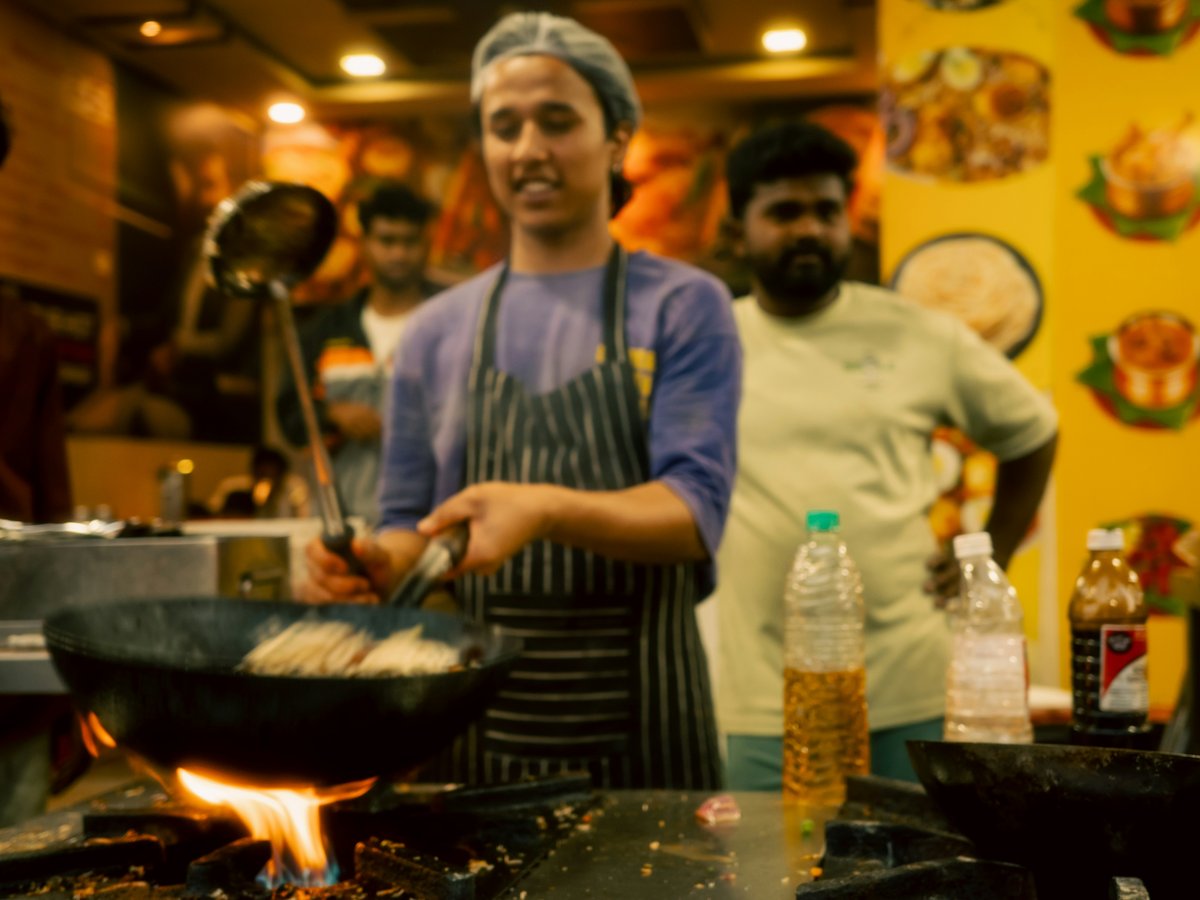
Best restaurants
Varanasi's restaurants split into a few honest categories. There are ghat-side kitchens catering to pilgrims who want their vegetarian thali plain and their hours long. There are traveller cafes tucked into the alleys behind Assi and Dashaswamedh, feeding students and long-stay foreigners a mix of Indian and continental. There are lunch houses along the market roads where the crowd is entirely local and the menu is whatever the cook decided to make that morning. And there are late-night ice-cream and juice counters that keep going long after the aarti crowd has gone home. The list below is twelve places that are mapped, addressable, and reachable by number, with the honest note that many of Varanasi's best kitchens are unsigned, unwebsited, and rely on regulars to keep them full. Skip the hotel dining rooms chasing the tourist rupee; the cooking that has kept this city fed for centuries is happening on the market lanes, at the ghat guest houses, and along Ravindrapuri and Durgakund roads. Bring cash, a notion of when you want to eat, and a willingness to ask twice for the door.
See the picks →
Browse by traveler type
Book experiences in Varanasi
 Free cancellation
 Full Day Sightseeing Of Varanasi - Ultimate 1 Day in Varanasi
Day trip: 10 hours, free cancellation.
via Viator Free cancellation
 Private Full-Day Varanasi Tour with Boat Ride
Day trip: 12 hours, free cancellation.
via Viator Free cancellation
 Photo Tour In Holy Varanasi
Day trip: 3.5 hours, free cancellation.
via ViatorBrowse by interest
Find a flight to Varanasi
Live fares to Varanasi appear here once cookies are accepted.
Last verified by automated review (v1.7.2) on . What is automated review?