Stay in Varanasi in August
59 hotels in the Trip.com pool for Varanasi, from US$5 a night.
Opens Trip.com on Fri 6 Aug to Sun 8 Aug 2027; change the dates there.
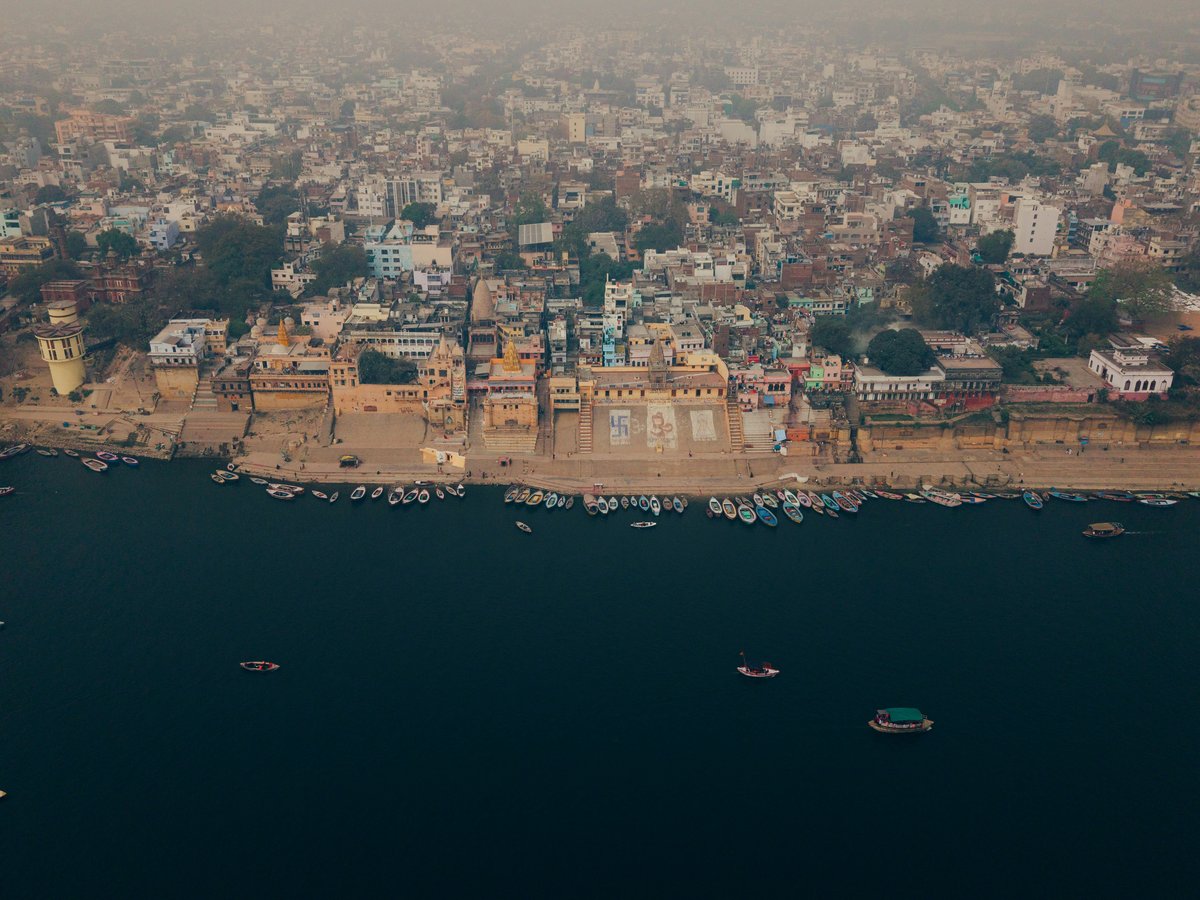
August in Varanasi means the Ganges has swallowed the lower ghats. That is the single most important thing to understand about this month. With 306mm of rain spread across roughly 24 days, the river rises high enough to submerge 10 to 15 stone steps at Dashashwamedh Ghat, and the current runs fast enough to cancel boat services for hours at a stretch. Temperatures hover around 32°C (90°F) during the day, dropping to about 26°C (79°F) at night. Cooler than the brutal 39°C of April, yes. But the humidity sits at 83%, the kind that leaves your shirt stuck to your back within 10 minutes of stepping outside.
This is not a comfortable month to visit. The narrow lanes of Chowk and Godowlia turn slippery with standing water after each downpour. The smell of the river shifts, sharper and more mineral, as floodwater stirs the silt. Mosquitoes breed in every puddle. That said, Varanasi does not pause for monsoon. The evening Ganga Aarti at Dashashwamedh happens every night regardless, and watching it under grey monsoon skies with a fraction of the usual crowd has a different quality to it. The incense smoke hangs lower in the wet air. The chanting carries further over the empty steps.
August also brings two significant Hindu observances that give the month cultural weight. Nag Panchami, typically in the first week, fills the old city temples with milk offerings and snake processions. Raksha Bandhan, usually toward the end of the month, turns the market lanes around Godowlia into a dense stream of silk threads, sweets, and families shopping together. Hotel rates tend to drop 40 to 50% below the November-February peak, making guesthouses along Assi and Lanka neighborhoods some of the cheapest they will be all year.
Why visit in August
- Hotel and guesthouse rates drop 40 to 50% below peak season, reaching their annual floor across the Assi and Lanka neighborhoods.
- Nag Panchami and Raksha Bandhan bring authentic Hindu observances without the tourist-performance atmosphere of the winter festival calendar.
- The Ganges at its widest and highest is a dramatic sight from the upper ghats, a perspective the dry-season river cannot offer.
- The evening Ganga Aarti draws perhaps 50 people instead of the usual 500, giving you front-row proximity to the priests and flames.
Worth knowing
- Rain falls on roughly 24 of 31 days, ranging from all-day drizzle to concentrated 2-hour downpours that flood the lower lanes within minutes.
- The lower steps of most major ghats, including Dashashwamedh and Assi, sit underwater for weeks at a time, limiting access to the riverfront.
- Boat rides on the Ganges cancel frequently and without notice when the current runs too fast, making river-based sightseeing unreliable.
- Mosquito activity peaks along the river floodplain, with standing water in every lane creating breeding conditions for dengue and malaria vectors.
Best for
Think twice if
The southwest monsoon reaches its peak. Rain rarely lets up for more than half a day, arriving sometimes as a persistent dawn-to-dusk drizzle, sometimes as concentrated afternoon bursts that flood the low-lying lanes within minutes. The heaviest showers tend to cluster between 2 PM and 6 PM, while mornings often offer the driest window for getting out. Even when the rain pauses, the air stays heavy enough to fog a camera lens the moment you step outside. The river reaches its annual high-water mark, running brown and fast against the ghat walls.
Seasonal caution
- Monsoon flooding submerges the lower ghats and low-lying lanes near Manikarnika and Dashashwamedh for extended periods. Water can rise quickly during intense downpours with little warning.
- Dengue and malaria risk reaches its annual peak along the Ganges floodplain due to standing water. Consult a travel doctor about prophylaxis before departure.
- Train services from Varanasi Junction experience 2 to 6 hour delays regularly in August due to waterlogged tracks on the Allahabad-Mughal Sarai corridor. Build buffer days into onward connections.
Year-round climate
Averages from the last 5 years.
| Month | Avg high (°C) | Avg low (°C) | Rainfall (mm) |
|---|---|---|---|
| Jan | 21 | 10 | 12 |
| Feb | 27 | 13 | 10 |
| Mar | 33 | 19 | 12 |
| Apr | 39 | 24 | 2 |
| May | 39 | 27 | 41 |
| Jun | 38 | 28 | 158 |
| Jul | 34 | 27 | 304 |
| Aug | 32 | 26 | 306 |
| Sep | 32 | 26 | 256 |
| Oct | 31 | 22 | 98 |
| Nov | 28 | 16 | 5 |
| Dec | 23 | 12 | 10 |
Best things to do in August
Monsoon Ganga Aarti at Dashashwamedh Ghat
culturalThe nightly fire ceremony performed by 5 to 7 priests on the upper ghat steps continues through the monsoon without interruption. The ritual involves synchronized movements with multi-tiered brass lamps, incense, and conch shells. In August, the ceremony sometimes shifts to a covered platform on the upper terrace when rain is active.
The crowd drops from several hundred to a few dozen, giving close proximity to the priests and flames that peak season makes impossible.Booking tipNo booking needed. Arrive 30 minutes before sunset to claim a spot on the upper steps. On rainy evenings, the covered platform fills faster.
Sarnath Museum and archaeological park
museumThe museum, founded in 1910 and located about 10km north of the old city, houses the original Lion Capital of Ashoka and a collection of Gupta-period Buddhist sculptures. The archaeological ruins of the Dhamek Stupa grounds sit adjacent.
Rain makes outdoor ghat-based plans unreliable, and this climate-controlled museum offers a productive alternative. The grounds turn lush green in monsoon, and visitor numbers drop to a fraction of winter levels.Booking tipAuto-rickshaws from Godowlia to Sarnath run regularly. Go in the morning when the grounds are likely drier.
Bharat Kala Bhavan at Banaras Hindu University
museumThis university museum, founded in 1920, holds one of India's finest collections of miniature paintings, historical textiles, and archaeological artifacts across 2 floors. The BHU campus surrounding it spans over 1,300 acres.
The monsoon transforms the BHU campus into a green canopy worth walking through between rain breaks. Inside, the museum offers hours of dry, thoughtful viewing that the sunny season's outdoor itinerary typically crowds out.Nag Panchami temple processions
festivalThe festival of snake worship fills temples across the old city with offerings of milk, flowers, and turmeric. Live snake handlers carry cobras through the lanes near Vishwanath Gali, and temporary shrines appear at intersections throughout Chowk.
Nag Panchami falls on the 5th day of the bright half of Shravana, typically in early August. It is specific to this lunar month and cannot be seen at other times of year.Silk weaving workshop visits in Madanpura
culturalThe narrow lanes of the Madanpura and Lallapura weaving quarters contain hundreds of small-scale Banarasi silk workshops. Weavers work handlooms producing saris that take 15 days to 6 months per piece, depending on the zari (metallic thread) density.
Monsoon's absence of tourist traffic means weavers are more willing to pause and demonstrate their looms. The wholesale pricing is year-round, but the willingness to engage is distinctly seasonal.Booking tipAsk your guesthouse host to arrange an introduction. Walking in unannounced works too, but a local contact gets you past the front showroom to the actual weaving floor.
Raksha Bandhan market walk through Godowlia
culturalThe main commercial district transforms in the days before Raksha Bandhan as vendors set up stalls selling silk rakhi threads, boxed sweets, and small gifts. The density of foot traffic and the sweet-shop activity give the lanes an energy distinct from normal commerce.
Raksha Bandhan falls on the full moon of Shravana month, typically in mid-to-late August. The market preparation peaks 3 to 5 days before the festival itself.Morning boat ride on the swollen Ganges
sightseeingWhen conditions permit, a sunrise boat ride along the western-bank ghats from Assi to Manikarnika covers roughly 4km. The boatman rows against a current that is visibly stronger than in dry months, and the waterline sits high enough to put you nearly level with the lower temple platforms.
The river is at its widest and highest annual point in August. The scale of the water against the sandstone ghat walls offers a perspective unavailable from October through May.Booking tipConfirm with ghat boatmen by 8 PM the evening before. Cancellations happen without notice if overnight rain raises the current further. Expect to negotiate a fare for a shared boat.
What to eat in August
In season: fruit
Jamun
The Indian blackberry reaches its short seasonal peak in late July through August. Pushcart vendors along Sigra Road sell them by the half-kilo, staining fingers and lips deep purple. Tart, slightly astringent, and refreshing in the humidity.
On menus now
Kadhi Chawal
Yogurt-based curry with chickpea flour dumplings served over rice. This monsoon comfort dish appears on nearly every thali plate in August. The tanginess of the kadhi cuts through the heaviness of humid days in a way richer gravies cannot.
Street food peaks
Bhutta
Charcoal-roasted corn on the cob, rubbed with lime and chili salt. Monsoon is peak season, with vendors appearing on every accessible ghat step and lane corner in the old city.
Pakoras
Mixed vegetable fritters, deep-fried in gram flour batter. Varanasi's chai stalls pair them with ginger tea during the rains, and the combination of hot oil and wet-stone smell is the defining sensory signature of monsoon in the old city.
What to drink
Sattu ka Sherbet
A cooling drink made from roasted barley flour, lemon, and salt, specific to Uttar Pradesh and Bihar. Roadside stalls in the Lanka area serve it in tall glasses. The savoury version with cumin and black salt is the better order in August, when the body loses salt to sweat.
Regular events in August
Nag PanchamiFree
Hindu festival of snake worship with temple processions, milk offerings, and live cobra displays throughout the old city. Particularly prominent at Nag Kuan, the ancient snake well near Chowk.
Early August, 5th of Shravana Shukla Paksha (date shifts yearly with the Hindu lunar calendar)Independence DayFree
India's national holiday on a fixed date. Flag-hoisting ceremonies take place at government buildings and schools across the city. The ghats see small patriotic gatherings with speeches and songs. A more subdued observance than Republic Day in January.
August 15Raksha BandhanFree
Sisters tie silk threads (rakhis) on brothers' wrists in a nationwide celebration of sibling bonds. In Varanasi, the Godowlia market district fills with rakhi and sweet vendors in the days leading up to it. Shops and some restaurants close for the afternoon of the day itself.
Full moon of Shravana, typically mid-to-late August (date varies yearly)Kajari TeejFree
A women's festival celebrated with folk songs, swings decorated with flowers, and offerings to Parvati. Women in the Assi and Sigra neighborhoods gather in courtyards and parks. The songs, called kajari, are specific to this monsoon season and performed in the Bhojpuri dialect.
Third day of the dark fortnight of Bhadrapada, typically late AugustBest places this August
Dashashwamedh Ghat (upper terrace)
ghatThe city's most prominent ghat remains the anchor of any visit, but in August the experience shifts to the upper steps and terrace. The lower 10 to 15 steps sit underwater, and the nightly aarti moves upward accordingly. The vantage from the terrace, looking down over the swollen river, offers a monsoon-specific view.
GodowliaAssi Ghat
ghatThe southernmost of the major ghats and a gathering point for students and long-stay travelers from the nearby Lanka neighborhood. In August, the ghat's wide stone platform tends to remain partially accessible even when lower ghats flood. Morning yoga sessions continue on the upper steps.
AssiRamnagar Fort and Museum
fortA crumbling 18th-century Mughal-era fort on the eastern bank of the Ganges, housing vintage cars, palanquins, and an ivory chess set. The fort sits above the flood line. In August, reach it by road via the Malaviya Bridge rather than the unreliable boat crossing.
Ramnagar (east bank)Tulsi Manas Mandir
templeA white marble temple built in 1964, dedicated to Lord Rama. Its walls are inscribed with verses from the Ramcharitmanas in Devanagari script. The covered, marble-floored interior stays cooler than the outdoor ghats and offers a dry space during afternoon downpours.
Near Durga KundDurga Kund Temple
templeA red-sandstone temple from the 18th century, set beside a rectangular kund (pond) that fills dramatically during the monsoon. The resident population of rhesus macaques becomes more active in the wet months. The surrounding lanes stay less waterlogged than the old city core due to slightly higher elevation.
Durga KundBanaras Hindu University campus
park and campusOver 1,300 acres of grounds turn a dense, saturated green during August. The tree-lined central avenue and the Vishwanath Temple (New Kashi Vishwanath) inside the campus provide a quieter, less congested alternative to the old city. The campus is walkable if you time it between showers.
LankaKashi Vishwanath Temple and Corridor
templeThe most sacred Shiva temple in Varanasi, recently redeveloped with the Vishwanath Corridor providing expanded access. The covered corridor sections protect visitors from rain. Expect shorter queues in August than in the October-February pilgrimage peak. Early morning darshan avoids both the midday heat and the afternoon rain window.
Godowlia
Your packing checklist
Tick items off as you pack. Your progress saves in this browser.
All packed — have a great trip.
Insider tips
The evening Ganga Aarti at Dashashwamedh shifts to the covered upper platform on rainy nights. Locals show up 30 minutes earlier on those evenings because the sheltered space holds fewer people. If you see rain at 5 PM, head to the ghat by 5:30.
Morning kachori from the stalls near Kachori Gali in Chowk is a fraction of what the tourist-facing cafes near Assi Ghat charge for a similar preparation. The old city version uses a crispier, thinner shell, with sabzi included.
The narrow galis (lanes) of the old city dry faster after rain than the wider main roads because the overhanging upper floors create a natural canopy. If you want to walk during or immediately after a shower, stick to the lanes rather than the open roads near Sigra or the riverside.
Banarasi silk workshops in the Lallapura weaving quarter will show you the actual loom floor if you arrive in August, when tourist traffic drops to near zero. In December, the same workshops tend to keep visitors in the front showroom. Ask to see the jacquard mechanism. The weavers are proud of the engineering.
Avoid these mistakes
- Scheduling a sunrise boat ride without confirming river conditions the evening before. August's Ganges runs fast enough that boatmen cancel without notice. Ask your guesthouse to check with the ghat boatmen by 8 PM, or you will walk to an empty ghat at 5:30 AM.
- Wearing leather shoes or sandals to the ghats. Wet stone, standing water, and the occasional rivulet of gutter runoff destroy leather within a day. Bring rubber or synthetic footwear specifically for ghat visits and save anything you value for indoor time.
- Planning tight onward train connections from Varanasi Junction. Track flooding between Prayagraj and Pt. Deen Dayal Upadhyaya Junction delays trains 2 to 6 hours regularly in August. Build a full buffer day before any flight or onward booking.
Practical tips for August
Carry a waterproof phone pouch at all times in the old city lanes. Rickshaws and auto-rickshaws tend to raise their rates during active rain, so negotiate before climbing in. Most ATMs in the Godowlia area stay operational through monsoon, though machines near the ghats sometimes go offline during power fluctuations. The Kashi Vishwanath Temple corridor has covered sections that stay dry, but the security queue to enter still runs along an exposed stretch, so time your visit for a dry morning window if possible. Shops and restaurants in the Godowlia and Chowk market areas close for the afternoon on Raksha Bandhan day, typically 1 PM to 6 PM. Domestic SIM cards from Jio or Airtel work throughout the city, but data speeds slow noticeably during heavy rain. For detailed transit logistics into and around the city, Wikivoyage maintains a practical reference at https://en.wikivoyage.org/wiki/Varanasi#Get_in and https://en.wikivoyage.org/wiki/Varanasi#Get_around that covers rail, air, and local transport options.
FAQ
Is August a good time to visit Varanasi?
Honestly, no. August ranks roughly 10th out of 12 months for visiting. The peak monsoon brings rain on most days, submerges the lower ghats, and cancels boat rides unpredictably. The humidity at 83% makes walking the old city lanes physically taxing. That said, if you are already in India and can tolerate wet, flexible plans, the near-empty ghats and genuine festival atmosphere of Nag Panchami and Raksha Bandhan offer something the polished winter season does not. November through February is the window most travelers should aim for.
Are the ghats accessible during monsoon in Varanasi?
Partially. The upper steps and terraces of the major ghats, including Dashashwamedh and Assi, typically remain above water even at peak river levels. But the lower 10 to 15 steps at most ghats sit submerged from mid-July through September. The walking path along the riverfront that connects the ghats in dry season is underwater in August, so you will need to navigate through the old city lanes above to move between them. Mind you, the upper ghats still function for the evening aarti and morning activities.
What festivals happen in Varanasi in August?
Two significant Hindu observances mark the month. Nag Panchami, the festival of snake worship, typically falls in early August and brings processions and temple offerings throughout Chowk and the old city. Raksha Bandhan, the sibling-bond festival, lands on the full moon of Shravana, usually mid-to-late August, transforming Godowlia's markets with silk thread and sweet vendors. Independence Day on August 15 brings low-key flag ceremonies. Kajari Teej, a women's folk-song festival specific to the monsoon, rounds out the calendar toward month's end.
Is it safe to take a boat ride on the Ganges in August?
It depends on the day. When the current is manageable, experienced boatmen at Dashashwamedh and Assi ghats will run sunrise trips along the western bank. But heavy overnight rain or upstream releases from the Rihand Dam can raise water levels and current speed enough that boatmen refuse to go out, sometimes for 2 to 3 consecutive days. Never pressure a boatman who says conditions are too rough. If a ride does run, it covers the same Assi-to-Manikarnika route as dry season, but the perspective shifts dramatically with the waterline 3 to 4 metres higher than in December. For broader safety context, Wikivoyage covers local precautions at https://en.wikivoyage.org/wiki/Varanasi#Stay_safe.
What should I wear in Varanasi in August?
Lightweight, quick-dry fabrics that you do not mind getting wet repeatedly. Cotton feels comfortable for the first 20 minutes but stays damp for hours at 83% humidity. A light cotton scarf or dupatta is essential for temple visits, where shoulders and sometimes heads need covering. Waterproof sandals with rubber soles are non-negotiable for the ghats. Skip the rain jacket entirely. At 32°C, sealed outerwear creates a personal sauna. A compact umbrella is the better choice. Modest clothing is expected throughout the old city, not only at temples.
Things to Do in Varanasi in August
 Free cancellation
 Full Day Sightseeing Of Varanasi - Ultimate 1 Day in Varanasi
Day trip: 10 hours, free cancellation.
via Viator Free cancellation
 Private Full-Day Varanasi Tour with Boat Ride
Day trip: 12 hours, free cancellation.
via Viator Free cancellation
 Photo Tour In Holy Varanasi
Day trip: 3.5 hours, free cancellation.
via ViatorFind a flight to Varanasi
Live fares to Varanasi appear here once cookies are accepted.
Last verified by automated review (v1.7.2) on . What is automated review?