Compare every Japan city in March →
Stay in Tokyo in March
80 hotels in the Trip.com pool for Tokyo, from US$13 a night.
Opens Trip.com on Fri 5 Mar to Sun 7 Mar 2027; change the dates there.
March in Tokyo is defined by a single question that dominates dinner conversations, weather forecasts, and office small talk for weeks. Will the cherry blossoms open? The Japan Meteorological Agency tracks one somei yoshino reference tree at Yasukuni Shrine, founded in 1869, and its bloom announcement typically falls between March 20 and 28. Once NHK broadcasts the call, parks fill after work with groups on blue tarps, convenience stores roll out sakura-flavored Kit-Kats and canned coffee, and the faintly sweet scent of the blossoms mixes with charcoal smoke from portable yakitori grills along the paths of Ueno Imperial Grant Park. Afternoon temperatures reach about 15.3°C (60°F) and drop to around 5.5°C (42°F) at dawn, cool enough for all-day walking if you layer up.
To be fair, the bloom is not guaranteed for any given week in March. Some years the petals appear as early as March 14; other years, nothing opens until April. If you arrive before the trees have turned, the city offers a quieter version of itself. Hotel prices in Shinjuku sit closer to their annual average, the walkways at Shinjuku Gyoen are calm enough to hear birdsong, and plum blossoms still perfume the temple courtyards of Yanaka. The one downside most foreign visitors miss is sugi kafunsho, Japanese cedar pollen, which peaks across the Kanto region in February and March and triggers reactions in roughly 40 percent of the local population.
Late March is a different equation. Hotel rates in central neighborhoods can climb 50 to 80 percent above their annual baseline during bloom weekends. The Tokyo Marathon on the first Sunday closes roads through Shinjuku, Ginza, and Asakusa for most of the day. If you're targeting the blossoms and don't want to commute 45 minutes from Chiba Prefecture each morning, book accommodation at least 2 months ahead.
Why visit in March
- Cherry blossoms typically open in the final 10 days, with free hanami viewing at dozens of parks and riverbanks across the city, from Ueno to the Meguro River
- Mild spring temperatures suit full-day walks without the humidity that overwhelms Tokyo from June through September
- Seasonal restaurant menus rotate to spring ingredients like takenoko (bamboo shoots), nanohana (rapeseed greens), and firefly squid from Toyama Bay, available for only 4 to 6 weeks
- The fiscal year ends on March 31, triggering clearance sales at department stores in Ginza and along Omotesando
Worth knowing
- Japanese cedar pollen peaks this month, and the species (Cryptomeria japonica) is distinct from what most foreign visitors have encountered at home; first-time allergic reactions are common
- Late-month hotel rates climb sharply once bloom forecasts publish around March 10, with weekend availability near popular hanami parks disappearing weeks in advance
- About 12 days of the month see rain, often as all-day gray drizzle rather than quick showers that you can wait out
- Early-month mornings still feel like February, and visitors who pack only spring layers tend to spend their first afternoon buying a coat at Uniqlo
Best for
Think twice if
March sits at the hinge between winter and spring. The first week tends to feel like a continuation of February, with gray skies and a biting wind off Tokyo Bay that cuts through light jackets. By mid-month the air softens noticeably, and the final week can bring stretches of mild sunshine that make outdoor dining comfortable along the Kanda River or at Yoyogi Park. Rain falls across roughly a third of the days but rarely as heavy downpours; it leans toward persistent light drizzle that leaves sidewalks wet without drenching you. The temperature swing between morning and afternoon can reach 10°C, which is why layers matter more than any single piece of clothing.
Seasonal caution
- Cedar and cypress pollen concentrations reach their annual peak in Tokyo between late February and mid-April, with March typically the worst month. Pollen counts are broadcast daily on Japanese weather apps and NHK's evening forecast; check them before planning extended outdoor time in parks.
Year-round climate
Averages from the last 5 years.
| Month | Avg high (°C) | Avg low (°C) | Rainfall (mm) |
|---|---|---|---|
| Jan | 9 | 0 | 35 |
| Feb | 11 | 1 | 54 |
| Mar | 15 | 6 | 156 |
| Apr | 20 | 10 | 152 |
| May | 23 | 15 | 193 |
| Jun | 27 | 19 | 189 |
| Jul | 32 | 24 | 168 |
| Aug | 33 | 25 | 144 |
| Sep | 29 | 22 | 202 |
| Oct | 22 | 14 | 143 |
| Nov | 17 | 9 | 79 |
| Dec | 12 | 3 | 56 |
Holidays and festivals in March
Public holidays
- Vernal Equinox Day(春分の日)21 March 2027
Headline events
Cherry Blossom Season (Sakura)
Late March to early April (exact dates shift yearly; typically March 20-28 for first bloom, full bloom about a week later)
Tokyo's somei yoshino cherry trees bloom in a wave from late March through early April, turning parks, riverbanks, and shrine grounds into open-air gathering spots for hanami picnics. The bloom window typically lasts about 10 days from first opening to petal fall. It is the single most photographed natural event in Japan and the reason most visitors choose March.
Best things to do in March
Hanami at Ueno Imperial Grant Park
natureWalk through one of Tokyo's oldest public parks, established in 1873, where the central promenade becomes the city's most popular cherry blossom corridor. Blue-tarp picnic groups fill the grounds by mid-afternoon, and food stalls selling yakisoba, takoyaki, and beer line the approach.
Late March typically brings peak bloom to Ueno's cherry trees, making it the premier free hanami destination in central Tokyo.Booking tipNo booking needed. Arrive before 9 AM on weekends to secure a spot under the trees, or visit on a Tuesday or Wednesday for a calmer experience.
Nighttime cherry blossoms (yozakura) at Chidorigafuchi
natureThe 700-meter walking path along the old castle moat is lined with cherry trees illuminated after dark. Rowboats can be rented for 30-minute rides under the canopy, drifting through reflected petals on the dark water.
The nighttime illumination runs only during the roughly 10-day bloom window, typically late March into early April.Booking tipRowboat lines can exceed 2 hours on Friday and Saturday evenings. Go on a weekday or arrive before 18:00 to keep the wait under 30 minutes.
Spring garden opening at Tokyo National Museum
cultureThe museum, founded in 1872, opens its rear garden during cherry blossom season. Five heritage tea houses sit among old-growth cherry trees, and the space is far quieter than the public parks. General admission is 1,000 yen.
The spring garden opening is limited to roughly 2 weeks in late March and early April each year, and access is included with general admission.Booking tipBuy tickets online to skip the queue at the main Ueno gate.
Walk through Yanaka and Yanaka-ginza
neighborhood walkYanaka is one of the few Tokyo neighborhoods that survived both the 1923 earthquake and the 1945 firebombing. Narrow lanes, small temples, and the Yanaka-ginza shotengai (shopping street) feel like 1960s Tokyo. The cemetery paths form a tunnel of cherry branches overhead.
The cemetery's somei yoshino trees tend to bloom a few days earlier than the major parks, often by March 20, making it a preview spot for early visitors.Strawberry picking day trip
foodFarms in Saitama Prefecture, about 40 minutes by train from Ikebukuro, offer all-you-can-eat strawberry picking from January through April. You pick directly from chest-height rows in heated greenhouses, eating as you go.
March hits the sweet spot between peak ripeness and manageable crowds; domestic visitors swarm the farms in January and February, leaving March weekdays more relaxed.Booking tipReserve through jalan.net or by phone 3 to 5 days ahead. Most farms close by early afternoon once the day's ripe fruit is picked.
Attend AnimeJapan at Tokyo Big Sight
cultureJapan's largest annual anime industry expo, held over 4 days in late March at the Tokyo Big Sight convention center in Odaiba. Studio booths, exclusive merchandise drops, advance screenings, and cosplay gatherings draw over 100,000 attendees across the weekend.
AnimeJapan takes place once per year, always in late March, and is the primary venue for major studio announcements and exclusive merchandise.Booking tipSaturday and Sunday tickets sell out weeks ahead. Buy online as soon as they go on sale, typically in January. Weekday business days are less crowded.
Evening illumination at Rikugien Garden
natureRikugien, a 300-year-old Edo-period garden in Komagome, lights up its famous weeping cherry tree (shidarezakura) from late March. The tree stands about 15 meters tall, and the illumination extends the garden's hours to 21:00, well past the usual 17:00 closing.
The shidarezakura at Rikugien typically blooms a few days before the city's somei yoshino, making it one of the earliest cherry blossom destinations in central Tokyo.Booking tipThe garden limits evening entries. Arrive by 18:30 on weekdays to keep the wait at the gate under 15 minutes.
What to eat in March
In season: fruit
Ichigo (Japanese strawberries)
March is the sweetest window for Kanto-region varieties like tochiotome and amaou. Depachika (department store food halls) in Ginza and Nihonbashi display perfect specimens in gift boxes from 1,000 to 5,000 yen.
On menus now
Nanohana no karashi-ae
Blanched rapeseed greens dressed with karashi (hot mustard) and soy sauce. A staple side dish on izakaya menus from February through March, with a peppery bitterness distinct from spinach.
Takenoko gohan (bamboo shoot rice)
The first takenoko harvest appears in late March, and restaurants serve this simple rice dish seasoned with dashi and soy. The shoots have a clean, faintly sweet crunch that disappears within days of cutting.
What to drink
Amazake
Thick, sweet fermented rice drink served warm at shrines during Hina Matsuri on March 3. Most temple vendors sell the alcohol-free version, which has a porridge-like texture and a gentle koji sweetness.
In markets
Hotaru ika (firefly squid)
Tiny bioluminescent squid from Toyama Bay, served boiled at sushi counters from March through May. Each one has a soft, briny pop that pairs well with vinegar miso dipping sauce.
Festival food
Sakura mochi
Pink-dyed rice cake wrapped in a pickled cherry leaf, with a salty-sweet flavor that tastes like spring smells. Wagashi shops produce them fresh daily through March, the traditional peak month tied to Hina Matsuri.
Regular events in March
Tokyo MarathonFree
Over 38,000 runners follow a route through Shinjuku, past the Imperial Palace, through Ginza and Asakusa, finishing near Tokyo Station. Spectating is free along the entire course, and the energy along the route is worth seeing even if you have no interest in running.
First Sunday of MarchHina Matsuri (Girls' Day / Dolls' Festival)Free
Families display tiered sets of ornamental dolls in Heian-period court dress and eat chirashi-zushi and hina-arare (colored rice crackers). Public displays appear at hotels and department stores in the weeks before, and shrine stalls sell amazake.
March 3Shunbun no Hi (Spring Equinox Day)Free
A national holiday when families visit ancestral graves and temples. Parks and shopping districts are busy with domestic visitors, and some smaller restaurants and shops close for the day.
March 20 or 21 (varies by year)Best places this March
Ueno Imperial Grant Park
parkThe Shinobazu Pond side of the park is quieter than the famous central promenade and rewards an early-morning walk before the hanami crowds arrive. Lotus leaves cover the pond in warmer months, but in March the water is open and reflective.
UenoChidorigafuchi Green Way
waterwayThe illuminated nighttime view of cherry blossoms reflected on the castle moat is the defining March image of Tokyo. Even without illumination, the daytime walk along the 700-meter path offers views of the Imperial Palace grounds across the water.
ChiyodaShinjuku Gyoen
parkOne of the few paid-entry parks at 500 yen, which keeps crowds more manageable than free alternatives. The mix of Japanese garden, English landscape, and French formal sections means different angles and light at every turn. Alcohol is prohibited, which keeps the atmosphere calm.
ShinjukuMeguro River
neighborhood walkA canal lined with cherry trees for about 3.8 km through Nakameguro. The narrow streets on both banks are dense with boutiques, coffee shops, and small restaurants that open their windows and set out sidewalk seating during bloom week.
NakameguroYanaka Cemetery and Yanaka-ginza
neighborhoodThe cemetery's cherry trees form an overhead tunnel along the main path. The adjacent Yanaka-ginza shopping street has old-school snack stalls selling menchi-katsu and grilled senbei that you eat while walking, all for under 300 yen per item.
NipporiKoishikawa Korakuen
gardenA 17th-century garden with one of Tokyo's earliest-blooming weeping cherry trees (shidarezakura), often opening a full week ahead of the city's somei yoshino. Far fewer visitors than the major parks, even on weekends. Entry is 300 yen.
BunkyoSumida Park
parkA riverside park with clear sightlines to Tokyo Skytree, completed in 2012. The cherry trees along both banks of the Sumida River frame the 634-meter tower in what has become one of Tokyo's most-photographed compositions.
Asakusa
Your packing checklist
Tick items off as you pack. Your progress saves in this browser.
All packed — have a great trip.
Insider tips
Track the JMA's daily sakura forecast online starting in early March. Full bloom (mankai) follows the initial opening announcement by about a week, so you can fine-tune which parks to visit on which days based on the latest update.
Avoid Ueno Park on Saturday afternoons during bloom week. Go before 9 AM to walk through the trees in relative quiet, or visit on a Tuesday or Wednesday. The difference between a weekend afternoon and a weekday morning is the difference between a festival and a park.
Convenience store onigiri get seasonal flavors in March. Both 7-Eleven and Lawson stock sakura-shrimp and nanohana varieties for about 150 to 180 yen each, and they sell out by noon at stores near train stations.
If the somei yoshino haven't opened when you arrive, shift your plan to plum blossoms at Yushima Tenjin near Ueno or to early-blooming shidarezakura varieties at Koishikawa Korakuen. Both tend to peak 1 to 2 weeks before the main bloom.
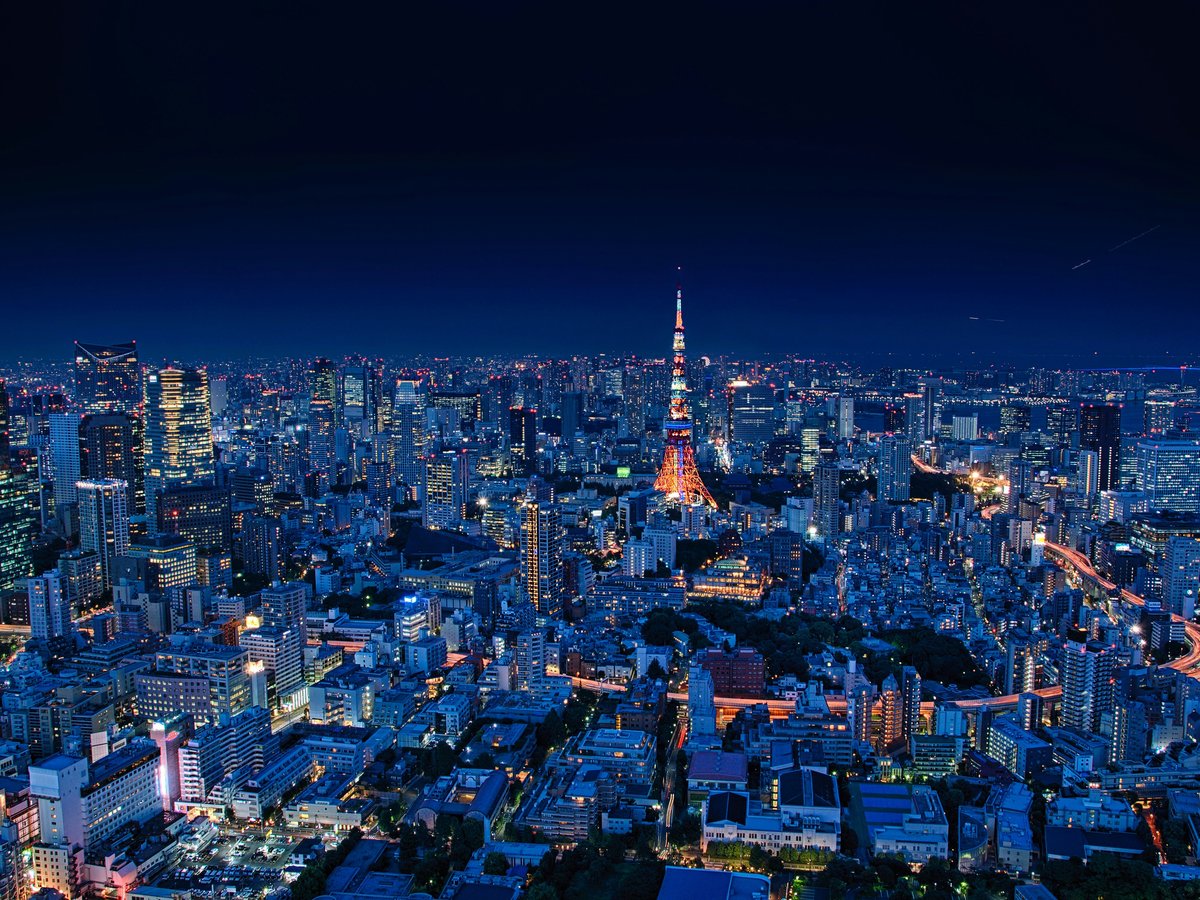
For a less crowded cherry blossom photograph with Tokyo Tower (completed 1957) in the background, walk to Shiba Park in Minato ward. The park has its own somei yoshino trees, and the combination of pink petals and the 333-meter red tower draws far fewer photographers than the Skytree angle at Sumida Park.
Avoid these mistakes
- Locking in late-March hotel dates 6 months ahead without checking cherry blossom forecasts. The bloom date can shift by 2 weeks year to year, and a booking made in September might land you in a week when nothing has opened, or after the petals have already fallen.
- Assuming you won't react to Japanese cedar pollen because you've never had hay fever at home. Cryptomeria japonica is a different species from European and American cedars, and first-time allergic reactions among foreign visitors are more common than most travel guides acknowledge.
- Planning a day trip for the first Sunday of March without checking Tokyo Marathon road closures. Major streets through Shinjuku, Ginza, and Asakusa shut down for 6 to 8 hours, and taxis won't enter the affected zone.
- Trying to combine a thorough cherry blossom itinerary with all of Tokyo's major indoor attractions in a 5-day trip. The bloom window lasts about 10 days, and spending half your time in parks means you'll rush through everything else. Either extend the trip or commit to the blossoms as your primary focus.
Practical tips for March
March 31 marks the end of Japan's fiscal year, and some businesses close for inventory or restructuring in the final days of the month. Check individual museum and restaurant schedules for that last week. Cherry blossom illumination events at Chidorigafuchi and Rikugien typically require no reservation, but arriving before sunset (roughly 17:45 by late March) avoids the densest crowds. Trains on the Yamanote Line and major subway routes run at normal frequency, but carriages are noticeably fuller on weekends near Ueno and Shibuya when hanami visitors join the regular commuters. Mind you, the IC card system (Suica or Pasmo, stored on your phone) works on trains, buses, vending machines, and most convenience stores, so you rarely need cash. For currency exchange, using a no-foreign-transaction-fee debit card at 7-Eleven ATMs tends to give better rates than airport counters at the current rate of roughly 159 yen per dollar. If you're attending AnimeJapan at Tokyo Big Sight, the Rinkai Line from Shinjuku reaches Odaiba faster than the Yurikamome monorail from Shimbashi, though the monorail's elevated track offers better bay views.
FAQ
Is March a good time to visit Tokyo?
March is one of Tokyo's strongest months. The weather is cool and suited to all-day walking, cherry blossoms typically open in the final week, and the cultural calendar is full with events like Hina Matsuri on March 3, the Spring Equinox holiday, and AnimeJapan. The main downsides are cedar pollen and rising hotel prices in the second half. If pollen sensitivity is not a concern, March ranks in the city's top 3 months for a visit.
What is the weather like in Tokyo in March?
Temperatures are transitional. Mornings feel cold enough for a proper jacket; afternoons reward lighter layers and long walks through parks. Rain arrives on roughly a third of the days, mostly as persistent drizzle rather than downpours. Humidity stays well below summer's oppressive levels. Pack layers you can add and remove throughout the day, and carry an umbrella.
When do cherry blossoms bloom in Tokyo?
Tokyo's somei yoshino trees typically open between March 20 and 28, with full bloom (mankai) following about a week later, often in the first days of April. The exact timing varies each year based on winter temperatures. The Japan Meteorological Agency publishes updated forecasts daily from early March, which is the most reliable source for trip planning.
Is Tokyo crowded in March?
Early March is moderately crowded, comparable to most months. Once cherry blossom forecasts circulate around mid-month, tourist arrivals spike and the final week is noticeably busier. Popular parks fill to capacity on weekends, and trains near major hanami spots carry heavier loads than usual. Weekday visits are significantly calmer.
Do I need to book hotels early for March in Tokyo?
For early March, 4 to 6 weeks ahead is usually sufficient. For the final week during cherry blossom season, reserving well in advance is essential. Availability in neighborhoods like Shinjuku and Asakusa tends to thin out rapidly once the JMA publishes its first bloom forecast around March 10. Secondary neighborhoods like Kita-Senju and Kinshicho offer more last-minute options at lower rates.
Things to Do in Tokyo in March
 Free cancellation
 1-Day Tokyo Bus Tour
Day trip: free cancellation.
via Viator Free cancellation
 Sushi Making Tokyo Roll and Authentic Japanese Sushi Class
Cooking class: 1.7 hours, free cancellation.
via Viator Free cancellation
 Tokyo Customized Private Tour in 1 Day with Licensed Guide
Day trip: free cancellation.
via Viator Free cancellation
 Private Tour to Mt. Fuji/or hakone (Fully Licensed Operator)
Day trip: 10 hours, free cancellation.
via Viator Free cancellation
 Mount Fuji Full Day Sightseeing Tour from Tokyo
Day trip: 10 hours, free cancellation.
via Viator Free cancellation
 Nikko, Kegon Waterfall & Chuzenji Lake from Tokyo
Day trip: 11 hours, free cancellation.
via ViatorFind a flight to Tokyo
Live fares to Tokyo appear here once cookies are accepted.
Last verified by automated review (v1.7.2) on . What is automated review?