Compare every Japan city in December →
Stay in Tokyo in December
80 hotels in the Trip.com pool for Tokyo, from US$13 a night.
Opens Trip.com on Fri 4 Dec to Sun 6 Dec 2026; change the dates there.
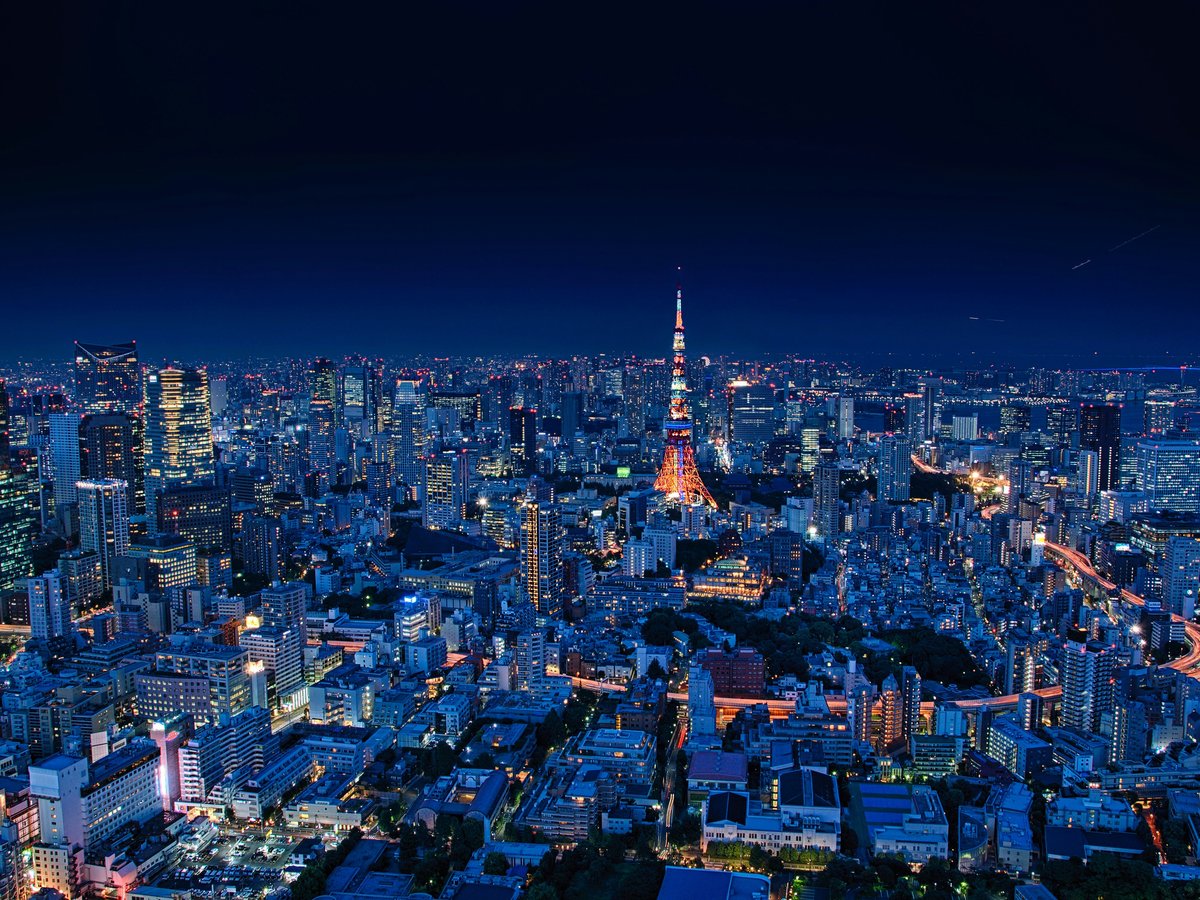
December in Tokyo is cold, dry, and lit up like nowhere else on earth. That's the headline: the city transforms into one of the most spectacular winter illumination displays you'll find anywhere, with millions of LED lights draped across trees in Roppongi, Marunouchi, and Omotesando from late November through Christmas. Daytime temperatures hover around 12°C (53°F), dropping to about 2°C (36°F) at night: cold enough to need a proper coat, but nothing that'll keep you indoors. The air tends to be crisp and clear, with Mount Fuji visible from surprisingly many spots around the city on good days. Rainfall is low, around 56mm for the whole month, making this one of the driest periods of the year.
That said, December is a month of two halves. Early December still has a shoulder-season feel: crowds are manageable, prices reasonable, and the autumn foliage lingers in sheltered spots. Then things shift around mid-month. Christmas is a huge commercial event here (though not a public holiday), and the final week of the month leads into oshogatsu, Japanese New Year, which is the country's most significant holiday period. From roughly December 28 onward, businesses start shutting down, trains get packed with people heading home, and certain neighborhoods feel almost abandoned while others overflow. If you're here over New Year's Eve itself, you'll find a city that celebrates quietly: temple bells ringing 108 times at midnight, long lines for hatsumode shrine visits, and very few of the fireworks-and-champagne theatrics you might expect.
The bottom line: early-to-mid December is a excellent time to visit Tokyo. The weather cooperates, the illuminations are at their peak, and the winter food scene is superb. Late December requires more planning and tolerance for holiday closures, but the cultural experience of Japanese New Year preparations is something most visitors never get to see.
Why visit in December
- Winter illuminations across the city are excellent: Marunouchi, Roppongi Midtown, and Caretta Shiodome put on displays that rival any city globally
- Dry, clear weather with low humidity means comfortable sightseeing days and frequent views of Mount Fuji from elevated spots around the city
- Peak season for onsen and hot pot dining: this is when nabe, oden, and ramen culture is at its richest and most satisfying
- The tail end of autumn foliage lingers into early December in protected gardens like Rikugien and Koishikawa Korakuen
- Experiencing oshogatsu preparations firsthand (the kadomatsu decorations, mochi-pounding events, and year-end markets) is culturally rich in a way few tourists ever encounter
Worth knowing
- Late December hotel prices spike sharply, December 23-January 3, when domestic travel demand surges for the New Year holiday
- Many restaurants, shops, and attractions close from December 29-31 through January 3 for oshogatsu: you can find yourself with limited dining options in some neighborhoods
- Sunset comes early, around 4:30 PM, which cuts outdoor sightseeing time short and means you'll spend more of your waking hours in darkness
- Nights get properly cold, dipping near or just below freezing: if you're coming from a warm climate, the chill can be a real shock to the system
Best for
Think twice if
December brings Tokyo's coldest stretch so far in the year, though it's mild compared to northern Japan. Days tend to be sunny and dry with clear skies: the kind of sharp winter light that makes buildings and cityscapes look almost photographic. Mornings start cold, often around 2-3°C (36-37°F), warming to about 12°C (53°F) by early afternoon before dropping again after the early sunset. The humidity sits at a comfortable 66%, which is noticeably drier than the sticky summer months. Rain is infrequent (roughly 56mm across about 6 rainy days for the whole month) and when it comes, it's typically light. Snow in central Tokyo is rare in December, though you might see some on very cold years. Wind chill can make evenings feel colder than the thermometer suggests, in open areas along the waterfront or in elevated spots like Roppongi Hills.
Year-round climate
Averages from the last 5 years.
| Month | Avg high (°C) | Avg low (°C) | Rainfall (mm) |
|---|---|---|---|
| Jan | 9 | 0 | 35 |
| Feb | 11 | 1 | 54 |
| Mar | 15 | 6 | 156 |
| Apr | 20 | 10 | 152 |
| May | 23 | 15 | 193 |
| Jun | 27 | 19 | 189 |
| Jul | 32 | 24 | 168 |
| Aug | 33 | 25 | 144 |
| Sep | 29 | 22 | 202 |
| Oct | 22 | 14 | 143 |
| Nov | 17 | 9 | 79 |
| Dec | 12 | 3 | 56 |
Holidays and festivals in December
Is Christmas season celebrated in Tokyo?
27 November to 26 December 2026
Christmas season is an imported celebration in Tokyo rather than a local tradition, and the city marks it visibly. Our catalog lists 2 bookable Christmas season activities around the date.

Experience the Magic of Christmas in Tokyo by Private Vehicle
- 4 hr
- Free cancellation
- Private tour
- Easy pace
For a full refund, cancel at least 24 hours before the scheduled departure time.

Private Walking Tour Tokyo Christmas Lights Cultural Route
- 3 hr
- Free cancellation
- Private tour
- Easy pace
For a full refund, cancel at least 24 hours before the scheduled departure time.
Headline events
Tokyo Winter Illuminations Season
Mid-November through late December (varies by venue)
From late November through Christmas, Tokyo's major commercial districts compete to outdo each other with elaborate LED light installations. Marunouchi's tree-lined Naka-dori avenue glows with warm champagne-gold lights, Roppongi Midtown creates a starlight garden across its plaza, and Caretta Shiodome runs a synchronized light-and-music show. Omotesando's zelkova trees get wrapped in lights that turn the boulevard into a glowing tunnel. It's not one single event but a city-wide phenomenon: you'll stumble into illuminations walking almost anywhere in central Tokyo after dark.
Oshogatsu (Japanese New Year) Preparations
December 26-31
The final week of December transforms Tokyo as the city prepares for its most important holiday. Department stores set up massive kadomatsu pine-and-bamboo decorations, shops sell traditional osechi-ryori New Year foods in elaborate lacquer boxes, and temples begin preparations for the midnight joya-no-kane bell ceremony on December 31. Tsukiji Outer Market and Ameyoko in Ueno become absolute scenes: packed shoulder-to-shoulder with locals buying ingredients for New Year feasts. The energy in those markets during the last three days of December is unlike anything else in the Tokyo calendar.
Best things to do in December
Evening illumination walks through Marunouchi and Omotesando
sightseeingThe tree-lined Naka-dori avenue in Marunouchi glows with hundreds of thousands of champagne-gold LEDs, while Omotesando's zelkova trees create a luminous canopy stretching toward Harajuku. Walking between them (maybe with a hot canned coffee from a vending machine) is one of those simple December pleasures that stays with you. The best part is it's completely free and accessible any evening.
Illuminations run from mid-November but peak in December, with Christmas-week additions and the largest crowds gathering in the first three weeks of the month before displays start coming down.Booking tipNo booking needed. Go on weekday evenings to avoid weekend crowds, around Roppongi and Marunouchi.
Year-end market shopping at Ameyoko (Ameya-Yokocho)
culturalThis narrow market street near Ueno station transforms in late December into a frenetic year-end bazaar. Vendors shout prices for crab legs, tuna blocks, dried goods, and snacks. The atmosphere is electric: locals elbow through shoulder-to-shoulder, negotiating bulk purchases of seafood and New Year ingredients. It smells like roasting chestnuts and grilled squid and fish. The energy is something you simply won't find at any other time of year.
The year-end rush (nenmatsu) peaks December 28-31, when the market reaches maximum intensity as families stock up for oshogatsu feasts.Booking tipNo booking needed. Arrive before noon to move through the stalls. After 2 PM in the final days, the crowd density can make it hard to stop walking.
Onsen day trip to Hakone
wellnessA 90-minute train ride from Shinjuku gets you to Hakone, where the volcanic hot springs feel rewarding in December's cold air. The outdoor rotenburo baths (sitting in steaming mineral water while cold air nips at your face and shoulders) are the definition of winter relaxation. On clear days, Mount Fuji is visible from several vantage points along the Hakone loop.
Cold weather makes the contrast between frigid air and hot spring water far more dramatic and satisfying than in warmer months. December's clear skies also improve Fuji visibility.Booking tipBook ryokan stays or private bath sessions at least two weeks ahead, for weekends. The Hakone Free Pass from Odakyu covers transport around the loop.
Joya-no-kane temple bell ceremony on New Year's Eve
culturalAt midnight on December 31, Buddhist temples across Tokyo ring their bonshō bells 108 times: once for each worldly desire in Buddhist teaching. You can watch and listen at major temples like Zojoji (with Tokyo Tower lit up behind it) or Sensoji in Asakusa. The deep, resonant sound of the bells in the cold night air, with breath visible and incense smoke curling upward, is moving regardless of your beliefs.
This happens exclusively on the night of December 31: it marks the transition into the new year and is one of Japan's most significant annual rituals.Booking tipNo booking needed, but arrive early: by 10:30 PM at popular temples like Zojoji. Some smaller neighborhood temples let visitors ring the bell themselves if you line up.
Mount Fuji viewing from Tokyo
sightseeingDecember's dry, clear air makes this one of the best months for spotting Fuji from the city itself. The Tokyo Metropolitan Government Building observation deck in Shinjuku is free and has a direct westward view. Alternatively, the Fuji TV building in Odaiba or the rooftop of Shibuya Sky provide different angles. Early morning tends to give the clearest visibility before haze builds.
Summer humidity and haze make Fuji sightings from Tokyo uncommon. December's dry air and low humidity create the kind of visibility that makes the mountain feel startlingly close.Booking tipShibuya Sky tickets should be booked online in advance, for sunset time slots. The Shinjuku Government Building is free and first-come.
Winter ramen crawl through Shinjuku and Ikebukuro
foodTokyo's ramen shops are packed year-round, but there's something about December cold that makes a steaming bowl of tonkotsu or miso ramen feel medicinal. Shinjuku alone has dozens of shops within walking distance of the station. The broth warms your hands through the bowl before you even start eating. The rich, fatty broths that might feel heavy in August become exactly right when it's 5°C outside.
Cold weather transforms ramen from a quick meal into a warming ritual. Many shops also release winter-limited broths and toppings that aren't available in warmer months.Booking tipNo reservations at most ramen shops, just expect 15-30 minute waits at popular spots during lunch and dinner rush. Go at off-peak hours (2-5 PM) to walk right in.
Rikugien Garden autumn foliage and illumination
natureWhile peak koyo has passed in most of Tokyo by December, Rikugien's protected garden setting means lingering color into early December. The garden typically runs an evening illumination of its maple trees through early December, and walking the lantern-lit paths around the central pond (orange and red leaves reflecting in still water) is quietly spectacular.
The garden's microclimate holds autumn color slightly later than exposed areas. The evening illumination, usually running through the first week of December, adds a dimension you can't get earlier in the season.Booking tipCheck the specific illumination dates each year, as they vary. Arrive 30 minutes before the evening opening to avoid the longest queues.
Tsukiji Outer Market for year-end food shopping
foodWhile the inner wholesale market moved to Toyosu, the outer market at Tsukiji still thrives, and in late December, it becomes a destination for locals buying premium ingredients for osechi-ryori, the traditional New Year's feast. You'll find stalls selling perfect datemaki (rolled omelette), kazunoko (herring roe), kuromame (black beans), and fresh seafood at a level of quality and presentation that borders on art.
The year-end shopping rush makes Tsukiji's outer market noticeably more energetic and fully stocked than usual, with seasonal items only available in the final week of December.Booking tipNo booking needed. Go early in the morning for the best selection and fewer crowds. Many stalls close by early afternoon.
What to eat in December
In season: fruit
Mikan (satsuma mandarin oranges)
These small, sweet citrus fruits peak in December and are everywhere: piled in wooden crates at fruit stands, handed out at kotatsu-warmed homes, sold in net bags at every supermarket. They're the taste of Japanese winter, basically.
Strawberries (ichigo)
Japanese strawberry season kicks off in December, and the quality is staggering: these are not your average supermarket berries. Varieties like Amaou and Tochiotome start appearing at department store fruit counters and in seasonal parfaits at cafes across the city.
On menus now
Nabe (hot pot)
December is prime nabe season. Every izakaya and many homes have a bubbling pot going: chanko nabe from the sumo tradition, mizutaki with chicken, or shabu-shabu with paper-thin wagyu. The warmth of it after a cold illumination walk is hard to beat.
Fugu (pufferfish)
Winter is fugu season, and December is when Tokyo's licensed fugu restaurants are in full swing. Tessa (paper-thin sashimi), tecchiri (fugu hot pot), and hire-zake (warm sake with toasted fugu fin) are all worth seeking out. It's a splurge, but this is the month for it.
Street food peaks
Oden
Convenience stores and yatai stalls alike serve this simmered one-pot dish through winter, but December is when it hits its stride. Daikon, boiled eggs, fishcake, and konnyaku soaking in dashi broth: the kind of comfort food that warms you from the inside. Each region and shop has a slightly different broth.
Festival food
Toshikoshi soba (year-crossing noodles)
Eaten on New Year's Eve for longevity and good fortune, these buckwheat noodles are available at soba shops across the city on December 31. Long lines form at famous spots, but even a convenience store version carries the tradition.
Regular events in December
Chichibu Night Festival (day trip from Tokyo)Free
Held about 90 minutes from Tokyo by train, this December festival features elaborate floats with lanterns paraded through the streets at night, culminating in a fireworks display against the winter sky. It's one of Japan's three great float festivals.
December 2-3Gishi-sai (47 Ronin Memorial) at Sengakuji TempleFree
A memorial service and procession honoring the 47 ronin, one of Japan's most famous historical tales of loyalty and revenge. Participants in period costume march to Sengakuji Temple in Shinagawa where the ronin are buried.
December 14Hagoita-Ichi (Battledore Fair) at Sensoji TempleFree
A traditional December market in Asakusa selling elaborately decorated hagoita (wooden paddles) alongside New Year decorations and food stalls. The handcrafted paddles featuring kabuki actors and pop culture figures are collector items.
December 17-19Beethoven's Ninth Symphony performances
A uniquely Japanese December tradition: orchestras and choirs across Tokyo perform Beethoven's Ninth repeatedly through the month. It became a year-end custom after World War I, and now dozens of performances fill concert halls from Suntory Hall to NHK Hall. Some are participatory, inviting audience members to join the Ode to Joy chorus.
Throughout December, concentrated in final two weeksTori-no-Ichi (Rooster Fair): late seasonFree
While the main Tori-no-Ichi fairs are in November, years with a third rooster day push the final fair into early December at Otori Shrine in Asakusa. Vendors sell elaborately decorated kumade (bamboo rakes) believed to rake in good fortune for the coming year.
Early December (only in years with a third rooster day)Comiket (Comic Market)
The world's largest doujinshi (self-published works) fair, held at Tokyo Big Sight in late December. Hundreds of thousands of creators and fans gather over three days. Even if manga isn't your thing, the scale and energy of the event are worth witnessing.
December 28-31Best places this December
Marunouchi Naka-dori
illuminationThis tree-lined boulevard between Tokyo Station and the Imperial Palace becomes a golden corridor of lights in December. The brick-paved street, flanked by luxury boutiques, is pedestrian-friendly in the evenings and feels almost Parisian under the glow. The contrast with the nearby Imperial Palace gardens (dark and quiet) is striking.
MarunouchiRoppongi Hills and Tokyo Midtown
illuminationTwo neighboring complexes with distinct illumination styles. Midtown's starlight garden creates a field of blue LEDs across its lawn, while Roppongi Hills' Keyakizaka-dori lights up its zelkova trees along the sloping street with Tokyo Tower visible at the end. Walking between the two takes about ten minutes.
RoppongiMeiji Jingu Shrine
shrineThe forested grounds around Meiji Shrine feel remarkably calm even in busy December. The towering torii gates and gravel paths through old-growth forest provide a counterpoint to the city's commercial energy. In late December, the shrine begins preparations for hatsumode: the massive New Year's visit that draws millions in the first three days of January.
HarajukuOdaiba waterfront
waterfrontThe artificial island in Tokyo Bay offers wide-open views of the Rainbow Bridge and city skyline that look sharp in December's clear air. The area's shopping malls provide warm retreats between outdoor walks, and the small replica Statue of Liberty with the bridge behind it catches good light in the low winter sun.
OdaibaKoishikawa Korakuen Garden
gardenOne of Tokyo's oldest gardens, dating to the Edo period. In early December, the last of the autumn maples can still be showing color here. The circular walking path around the central pond, with its miniature representations of famous Japanese and Chinese landscapes, is photogenic when the low December sun catches the water.
BunkyoAmeyoko Market
marketRunning alongside the elevated train tracks between Ueno and Okachimachi stations, this narrow market street pulses with life year-round but reaches a fever pitch in the final days of December. The sensory experience alone: vendors shouting, fish glistening on ice, roasted sweet potatoes and takoyaki sizzling: makes it worth the crush.
UenoShibuya Sky observation deck
viewpointThe rooftop observation deck atop Shibuya Scramble Square gives a 360-degree open-air view of the city. December's clear conditions and early sunsets mean you can catch golden hour and the city lighting up without staying late. The wind up top is cold, mind you: dress accordingly.
ShibuyaZojoji Temple with Tokyo Tower
templeThis Buddhist temple sits directly in front of Tokyo Tower, creating one of Tokyo's most photographed compositions. In December, both the temple and tower are lit up at night, and on New Year's Eve, the joya-no-kane bell ceremony here draws large crowds who come for the midnight bells with the glowing tower as backdrop.
Minato
Your packing checklist
Tick items off as you pack. Your progress saves in this browser.
All packed — have a great trip.
Insider tips
Buy a Suica or Pasmo IC card immediately at the airport: it works on all trains, buses, and most convenience stores and vending machines. Reloading takes seconds. It saves the headache of figuring out individual ticket prices at every station, and the tap-and-go speed matters when you're navigating busy stations in the cold.
Convenience store hot food is good in December. 7-Eleven, FamilyMart, and Lawson all stock fresh nikuman (steamed meat buns), oden, and hot canned coffee. At around 150-200 yen, a nikuman from a konbini on a cold evening is one of Tokyo's great small pleasures, and locals rely on them too.
If you're visiting during the last week of December, call ahead to any restaurant you specifically want to try. Many close for oshogatsu anywhere from December 29 to January 3. Hotel concierges are helpful for this: they'll know which spots are open and which aren't.
The Tokyo Metropolitan Government Building observation deck in Shinjuku is free and open until 11 PM most nights. The view toward Mount Fuji at sunset on a clear December day is worth rearranging your afternoon schedule for. South tower closes earlier, so aim for the north tower.
For illuminations, skip weekend evenings at the most famous spots: Marunouchi and Omotesando get uncomfortably crowded on Friday and Saturday nights. Tuesday or Wednesday evenings have the same lights with a fraction of the crowd, and you can stop to take photos without being swept along.
Avoid these mistakes
- Planning a full itinerary for December 30-January 3 without checking closures. Many museums, restaurants, and shops shut down for oshogatsu, and you can end up wandering through surprisingly quiet neighborhoods with limited options. Convenience stores and some chain restaurants stay open, but your carefully researched ramen shop might not.
- Underestimating how early it gets dark. Sunset hits around 4:30 PM, which means outdoor sightseeing at temples, gardens, and parks needs to happen in the morning and early afternoon. If you schedule a garden visit for 3 PM, you'll lose the light halfway through.
- Skipping layers because the daytime feels manageable. Midday might be 12°C and comfortable in the sun, but the moment the sun drops or you hit a shaded area, you'll feel the difference. Visitors from warm climates tend to underpack for how cold evenings get.
- Trying to visit Meiji Shrine or Sensoji on January 1-3 without expecting massive crowds. Hatsumode (first shrine visit) draws millions (millions) to major shrines in the first three days of the new year. If you want the experience, go very early morning or very late. If you want peace, visit any time before December 31.
Practical tips for December
Book December accommodation as early as possible, for stays after December 20. Domestic demand for year-end travel pushes prices up and availability down in ways that catch international visitors off guard. If you're flexible on dates, the first two weeks of December offer significantly better rates and fewer crowds than the holiday period.
Trains run on special schedules on December 31 and January 1. Many lines run all night on New Year's Eve to accommodate shrine visitors, which is convenient, but check your specific lines, as not all participate. The JR Yamanote loop line typically runs through the night.
Dress codes at restaurants tend toward smart casual. December sees a lot of bonenkai (year-end party) season, and restaurants are full of office groups in business attire. You won't be turned away in jeans, but you might feel underdressed at nicer izakaya and definitely at any kaiseki or hotel restaurant.
Cash is still more useful in Tokyo than you might expect. While credit cards are increasingly accepted, smaller restaurants, market stalls, shrine donation boxes, and some transit machines prefer or require cash. Carry at least 10,000-20,000 yen on you, when visiting markets like Ameyoko or Tsukiji.
If you're buying souvenirs or osechi foods at department stores (depachika basement food halls), go in the final hour before closing: many items get marked down significantly, and the quality is still exceptional.
FAQ
Is December a good time to visit Tokyo?
December is a good time to visit, the first three weeks. The weather is cold but dry and clear, winter illuminations transform the city after dark, and the seasonal food scene (fugu, nabe, fresh strawberries) is at its peak. The main trade-off is cold temperatures and early sunsets. Late December gets complicated with oshogatsu closures and higher prices, but early-to-mid December hits a sweet spot of good weather, festive atmosphere, and manageable crowds.
What is the weather like in Tokyo in December?
Expect average highs around 12°C (53°F) and lows near 2°C (36°F). It's one of the driest months, with only about 56mm of rain across roughly 6 days. Humidity sits at a comfortable 66%. Days are typically sunny and clear, though short: sunset comes around 4:30 PM. Snow in central Tokyo is rare in December. You'll want a proper winter coat, layers, and a scarf for evenings.
Is Tokyo crowded in December?
It depends on the week. Early-to-mid December sees moderate tourist crowds: less than the cherry blossom or autumn foliage peaks. The final week of December gets noticeably busier with domestic travelers heading home or traveling for New Year's. Specific spots like Ameyoko market, Shibuya, and major shrine areas get packed in the last few days. If crowds bother you, the first two weeks are your best bet.
What closes in Tokyo over New Year's?
Quite a lot, and it catches many visitors off guard. From roughly December 29 through January 3, many independent restaurants, museums, department stores, and smaller shops close for oshogatsu. Major convenience store chains (7-Eleven, FamilyMart, Lawson) stay open 24/7. Some chain restaurants remain open. Major shrines and temples stay open: they're the main attraction. Always confirm hours for specific restaurants during this period.
Are the Christmas illuminations in Tokyo worth seeing?
They're worth rearranging your evening plans for. Tokyo goes all-in on winter illuminations from mid-November through late December, and the scale is impressive: Marunouchi, Omotesando, Roppongi, Shiodome, and Ebisu all have distinct displays. Most are free and open to anyone walking through. The best part is that you can string several together in one evening walk, since the commercial districts are well-connected by train. Weekday evenings are far less crowded than weekends.
Things to Do in Tokyo in December
 Free cancellation
 1-Day Tokyo Bus Tour
Day trip: free cancellation.
via Viator Free cancellation
 Sushi Making Tokyo Roll and Authentic Japanese Sushi Class
Cooking class: 1.7 hours, free cancellation.
via Viator Free cancellation
 Tokyo Customized Private Tour in 1 Day with Licensed Guide
Day trip: free cancellation.
via Viator Free cancellation
 Private Tour to Mt. Fuji/or hakone (Fully Licensed Operator)
Day trip: 10 hours, free cancellation.
via Viator Free cancellation
 Mount Fuji Full Day Sightseeing Tour from Tokyo
Day trip: 10 hours, free cancellation.
via Viator Free cancellation
 Nikko, Kegon Waterfall & Chuzenji Lake from Tokyo
Day trip: 11 hours, free cancellation.
via ViatorFind a flight to Tokyo
Live fares to Tokyo appear here once cookies are accepted.
Last verified by automated review (v1.7.1) on . What is automated review?