Compare every Japan city in May →
Stay in Tokyo in May
80 hotels in the Trip.com pool for Tokyo, from US$13 a night.
Opens Trip.com on Fri 7 May to Sun 9 May 2027; change the dates there.
Golden Week dominates the first seven days of May in Tokyo. This stretch of four national holidays, from April 29 through May 5, is when an estimated 25 million domestic travelers take to the road. The ones who stay in the capital pack into Ueno Imperial Grant Park, Senso-ji, and the observation decks at Tokyo Skytree. Train platforms at Shinjuku Station turn shoulder-to-shoulder. Hotel rates in Shibuya and Ginza can double their mid-month prices. If you're arriving during that window, book everything 2 to 3 months ahead.
Once the holiday ends around May 6, Tokyo settles into what might be its most comfortable weather window of the year. Highs sit around 22.9°C (73°F) with lows near 14.5°C (58°F). The oppressive humidity of July and August hasn't arrived yet, and the air still carries a green, rain-washed freshness that disappears by June. That said, May is not dry. Roughly 193mm of rain falls across about 15 days, making this the wettest spring month. Most showers tend to arrive in the afternoon and rarely last beyond 90 minutes. The city functions perfectly well in the rain. Covered shopping arcades, underground station corridors, and the sheer density of coffee shops make wet hours productive.
The real draw of mid-to-late May is Sanja Matsuri. One of Tokyo's three great Shinto festivals, it fills the streets of Asakusa for a full weekend, typically the third of the month. Close to 2 million spectators crowd the narrow lanes around Senso-ji and Asakusa Shrine to watch teams carry nearly 100 portable mikoshi shrines through the neighborhood. The Sunday-morning procession begins around 6am at the shrine gates, with drumming and chanting that echoes off the low-rise buildings. Post-holiday pricing returns by the second week, temperatures stay comfortable, and the festival fills the grounds around Senso-ji, Tokyo's oldest temple, founded in 645 CE.
Why visit in May
- Post-Golden Week weather is comfortable for all-day walking, with warm afternoons, cool mornings, and moderate humidity that hasn't yet reached summer intensity.
- Sanja Matsuri on the third weekend provides one of the year's largest and most immersive neighborhood festival experiences in Asakusa.
- Parks and gardens peak in May. Azaleas bloom at Nezu Shrine, roses open at Shinjuku Gyoen, and fresh shin-ryoku foliage across Meiji Jingu's forest reaches its most vivid green.
- The week after Golden Week, roughly May 7 through 12, tends to be one of the quietest stretches in Tokyo all year, with noticeably shorter queues at museums and popular temples.
Worth knowing
- The Golden Week holiday in the first week fills trains, parks, and temples with domestic travelers at peak-season density.
- Rainfall is the highest of any spring month, with showers likely on about half the days. Outdoor plans need a flexible backup.
- Hinoki cypress pollen lingers through the first half of May, which can be uncomfortable for visitors with seasonal allergies.
Best for
Think twice if
May sits in the gap between spring chill and summer heat. Midday sun warms bare skin noticeably, but mornings retain a cool edge that calls for layers. Humidity stays moderate compared to the thick, heavy air of July and August. Showers tend to cluster in the afternoon, often lasting 30 to 90 minutes before clearing, and the scent of wet stone and fresh leaves fills temple gardens afterward. Overcast stretches mix with clear days, and the final week sometimes hints at the approaching tsuyu rainy season with persistent grey drizzle.
Year-round climate
Averages from the last 5 years.
| Month | Avg high (°C) | Avg low (°C) | Rainfall (mm) |
|---|---|---|---|
| Jan | 9 | 0 | 35 |
| Feb | 11 | 1 | 54 |
| Mar | 15 | 6 | 156 |
| Apr | 20 | 10 | 152 |
| May | 23 | 15 | 193 |
| Jun | 27 | 19 | 189 |
| Jul | 32 | 24 | 168 |
| Aug | 33 | 25 | 144 |
| Sep | 29 | 22 | 202 |
| Oct | 22 | 14 | 143 |
| Nov | 17 | 9 | 79 |
| Dec | 12 | 3 | 56 |
Holidays and festivals in May
Public holidays
- Constitution Memorial Day(憲法記念日)3 May 2027
- Greenery Day(みどりの日)4 May 2027
- Children's Day(こどもの日)5 May 2027
Headline events
Golden Week
April 29 to May 5 (often extended to May 6 or 7)
Japan's longest holiday stretch packs four national holidays into a single week. Many workers bridge the gaps for 7 to 10 continuous days off, making it the largest mass-travel period of the Japanese calendar. Showa Day, Constitution Memorial Day, Greenery Day, and Children's Day form the sequence. Carp-shaped koinobori windsocks appear on balconies and buildings across the city to celebrate the final day.
Sanja Matsuri
Third full weekend of May (Friday through Sunday)
Tokyo's largest neighborhood-level Shinto festival turns the streets of Asakusa into a 3-day celebration of Asakusa Shrine's three founding fishermen. Teams from 44 neighborhood associations carry portable mikoshi shrines through the lanes, with the Sunday dawn departure of the hon-mikoshi as the emotional peak.
Best things to do in May
Watch mikoshi processions at Sanja Matsuri
festivalOne of Tokyo's three great Shinto festivals fills the streets around Asakusa Shrine over 3 days. Teams carry portable mikoshi shrines through the narrow lanes, accompanied by taiko drums and rhythmic chanting. Saturday's parades from each neighborhood association bring the widest geographic spread of activity across Asakusa, making it the best day to walk the full route.
Held exclusively on the third weekend of May. No equivalent exists at any other time of year.Booking tipArrive in Asakusa before 9am on Saturday to secure a viewing position along the main procession routes. By noon, the streets become standing-room.
Explore Nezu Shrine's azalea hillside
gardenThe shrine grounds contain over 3,000 tsutsuji (azalea) bushes covering roughly 100 varieties across a sloped garden. The blooms create dense walls of pink, white, red, and coral against the shrine's vermilion torii gates. The hillside path through the bushes takes about 20 minutes at a slow pace.
The Bunkyo Azalea Festival runs from mid-April to early May. Blooms peak in late April through the first days of May.Booking tipFree to enter the shrine. The azalea garden charges a small entry fee during the festival. Weekday mornings are far less crowded than weekends.
Walk Shinjuku Gyoen's rose garden at peak bloom
gardenThe park's formal rose garden contains over 500 varieties arranged in beds that reach full bloom in the second half of May. The surrounding grounds, originally an Edo-period feudal estate, are thick with shin-ryoku greenery. The French formal garden and the Japanese landscape garden offer contrasting aesthetics within one visit.
Roses peak in mid-to-late May. The combination of bloom season and fresh spring foliage doesn't repeat until the smaller autumn flush in October.Booking tipClosed Mondays. Entry requires a ticket. The Shinjuku Gate entrance tends to have shorter lines than Sendagaya Gate on weekends.
Spend a rainy day in Ueno's museum district
cultureUeno Imperial Grant Park, established in 1873, holds the highest concentration of museums in Tokyo. The Tokyo National Museum, which opened a year earlier in 1872, houses over 120,000 objects spanning Japanese and Asian art. The National Museum of Western Art, a Le Corbusier UNESCO building from 1959, sits across the park.
Rain falls on roughly half of May's days. The museum cluster provides a full day of indoor options, and the post-Golden Week lull means shorter queues than peak season.Booking tipCheck the Tokyo National Museum website for current special exhibitions, which sometimes offer discounted combination tickets at the gate.
Walk the Meiji Jingu forest during shin-ryoku season
natureThe 70-hectare forest surrounding Meiji Jingu was planted in 1920 with trees donated from across Japan. In May, the canopy is at its most intensely green, creating a dense overhead cover that muffles the city noise and filters the sunlight into shifting pools on the gravel path.
Shin-ryoku, the fresh new-green of spring foliage, peaks in May. The canopy hasn't yet thickened to summer density, and the light filters through with a particular soft quality.Booking tipFree entry. The forest path from Harajuku Station to the main shrine takes about 15 minutes.
Evening temple walk through Yanaka's backstreets
neighborhoodYanaka retains more of its low-rise, pre-war character than almost any other central Tokyo neighborhood. The narrow lanes pass small temples, traditional sweet shops, and residential gardens with overhanging greenery. Yanaka Ginza, the main shopping street, closes its shutters around 6pm, leaving the surrounding temple grounds quiet enough to hear birdsong.
May evenings cool enough for comfortable walking without needing more than a light layer. Daylight lasts until nearly 7pm, and the neighborhood draws fewer visitors after Golden Week.Visit a rooftop beer garden on its opening week
food and drinkDepartment store and hotel rooftop beer gardens across Shinjuku, Ikebukuro, and Nihonbashi open for the season in May, typically right after Golden Week. Most run all-you-can-drink plans for 2-hour sessions, paired with seasonal appetizers and grilled skewers. The open-air setting catches the evening breeze before summer's still heat sets in.
Most rooftop beer gardens open in May and close by September. The May sessions benefit from mild evenings before the summer humidity arrives.Booking tipWeekend sessions fill up by midweek. Book through the venue's website when reservations open, typically 2 weeks before opening day.
What to eat in May
On menus now
Katsuo no tataki (seared first-catch bonito)
The first bonito run of the year, called hatsu-gatsuo, arrives at Tsukiji Outer Market from late April. Spring bonito flesh is leaner and cleaner in flavor than the fattier autumn return catch. Izakaya across Kanda and Nihonbashi serve it seared with grated ginger and ponzu.
What to drink
Shincha (first-harvest green tea)
Japan's first tea harvest from Shizuoka and Uji prefectures reaches Tokyo shops by early May. The young leaves brew sweeter and more aromatic than later harvests. Department store food halls in Ginza stock limited-run varieties that sell out within weeks.
In markets
Sora-mame (fava beans)
Peak harvest runs April through June, with May as the sweet spot. Izakaya serve them salt-boiled as a spring drinking snack alongside cold beer. Supermarkets stock fresh pods from farms in Chiba prefecture.
Kinome (young sanshō leaves)
The tender spring leaves of the Japanese prickly ash appear on kaiseki menus as a garnish, peaking in May. They carry a bright, citrusy note with a slight numbing quality. Seasonal set menus at traditional restaurants in Akasaka pair them with bamboo shoots and grilled sweetfish.
Festival food
Kashiwa-mochi
Rice cake filled with sweet azuki bean paste, wrapped in an oak leaf, and eaten on Children's Day (May 5). Wagashi shops stock it from late April through the first week of the month. The oak leaf is not eaten.
Regular events in May
Kanda MatsuriFree
One of Tokyo's three great festivals, held at Kanda Myojin shrine near Ochanomizu Station. The grand procession features Heian-period costumes, portable shrines, and elaborate floats winding through the Nihonbashi and Kanda districts. Held only in odd-numbered years.
Mid-May, Saturday closest to May 15 (odd-numbered years only)Design Festa at Tokyo Big Sight
Asia's largest art and design festival fills multiple halls at Tokyo Big Sight in Odaiba with work from thousands of independent artists, designers, and performers. The range spans hand-painted sneakers, original manga, live body painting, and experimental sound installations.
Mid-to-late May (typically a weekend)Bunkyo Tsutsuji Matsuri at Nezu Shrine
The annual ward festival opens the shrine's azalea hillside to visitors, with food stalls selling dango and amazake along the approach path. The shrine's Otome Inari corridor of small red torii provides a secondary draw for photographers.
Mid-April to early MayBest places this May
Nezu Shrine
shrineOne of Tokyo's oldest Shinto shrines, with connections to the fifth Tokugawa shogun. The hillside azalea garden, separate from the main shrine compound, is the primary draw in late April and early May. The vermilion Otome Inari corridor tunnels through a hillside of miniature torii.
NezuShinjuku Gyoen
parkA 58-hectare park blending Japanese, English, and French garden styles on the site of an Edo-period feudal estate. The formal rose garden peaks in mid-to-late May, and the Japanese garden's pond reflects the fresh shin-ryoku canopy overhead. The park prohibits alcohol, which keeps the atmosphere noticeably calmer than Yoyogi or Ueno.
ShinjukuUeno Imperial Grant Park
parkFounded in 1873, this park anchors Tokyo's densest museum cluster. The Tokyo National Museum (1872) and the National Museum of Western Art (1959, designed by Le Corbusier and inscribed as UNESCO World Heritage) sit within a 10-minute walk of each other. The park's Shinobazu Pond fills with lotus leaves through May.
UenoAsakusa
neighborhoodThe streets around Senso-ji and Asakusa Shrine serve as the stage for Sanja Matsuri on the third weekend. Outside festival days, the Nakamise-dori shopping arcade and surrounding backstreets retain a pre-war atmosphere uncommon in central Tokyo. Morning visits before 9am offer the emptiest streets.
AsakusaYanaka
neighborhoodA low-rise neighborhood of small temples, traditional craft shops, and narrow lanes that survived both the 1923 Great Kanto earthquake and the 1945 firebombing. The cemetery at Tennoji temple offers views of Tokyo Skytree, completed in 2012, framed by old pine trees. The pace of life here feels a generation removed from Shibuya.
YanakaKyu Shiba Rikyu Gardens
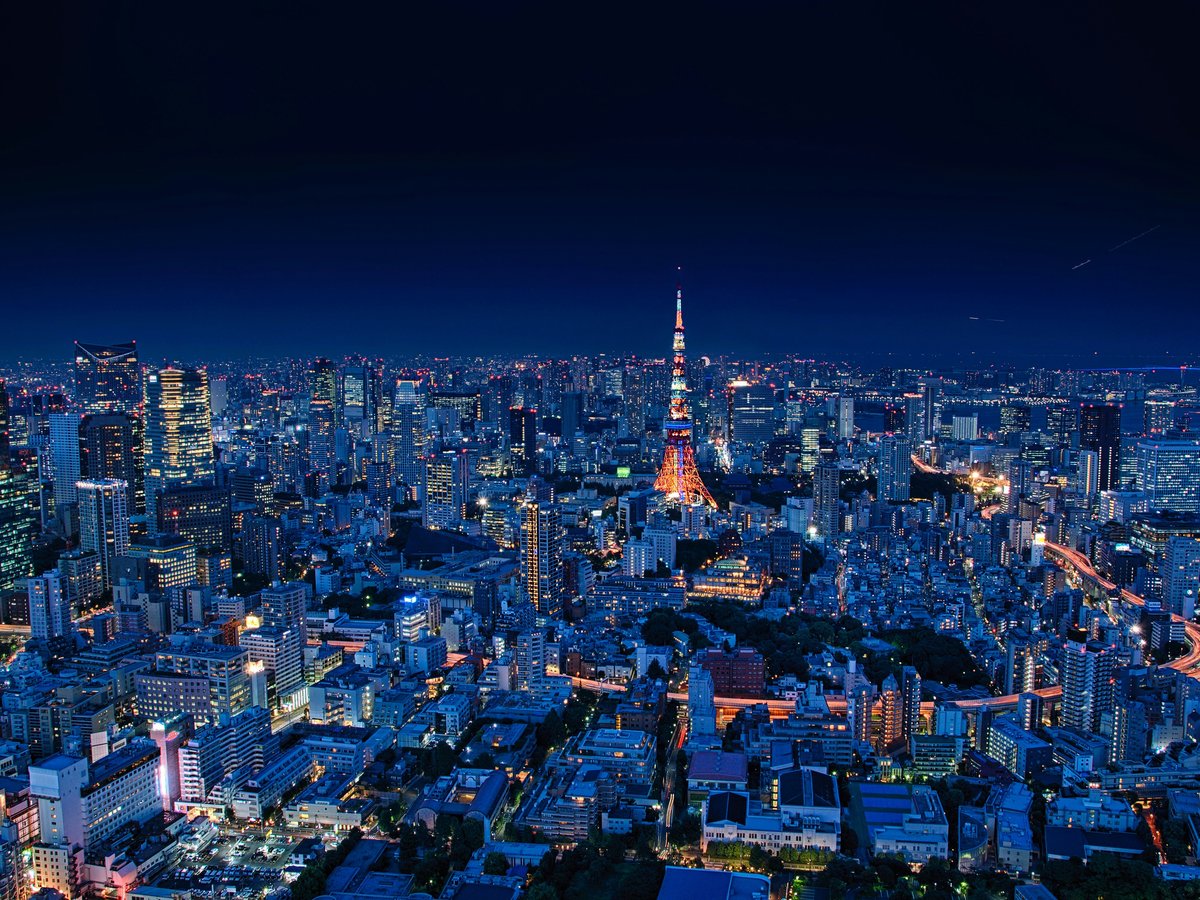
gardenOne of two surviving Edo-period feudal gardens in central Tokyo, located next to Hamamatsucho Station. The compact layout makes it a 30-minute visit. In May, the wisteria trellis and fresh pine contrast with Tokyo Tower, which has stood on the skyline since 1957, visible above the garden wall.
Minato
Your packing checklist
Tick items off as you pack. Your progress saves in this browser.
All packed — have a great trip.
Insider tips
Convenience stores sell transparent vinyl umbrellas for 500 to 700 yen. Locals treat them as semi-disposable. If you forget yours at a restaurant, check the lost-umbrella bins at the nearest JR station. They accumulate dozens, and the staff rarely objects to someone taking one.
During Sanja Matsuri, the processions spread across roughly 44 neighborhood blocks. The energy is often better in the smaller side streets east of Senso-ji than at the main intersection everyone photographs. Follow the sound of the drums.
Tokyo's depachika (department store basement food halls) in Ginza, Nihonbashi, and Shinjuku are at their seasonal best in May. Look for the rotating displays of shincha tea sets, fresh wagashi shaped like irises and carp, and limited-run bento featuring spring ingredients. These are snack destinations, not tourist traps.
May's longer daylight, with sunset around 6:45pm, makes late afternoon the best window for photographing Tokyo Tower or Tokyo Skytree from the east bank of the Sumida River. The light turns golden around 5:30pm and catches the steel against a deep blue sky.
Avoid these mistakes
- Booking shinkansen tickets or domestic flights during the first week without reserving months ahead. Popular routes like Tokyo to Kyoto on the Tokaido Shinkansen sell out weeks in advance for May 3 through 5. Plan transportation for that window as early as possible.
- Packing only t-shirts and shorts because May sounds like late spring. The daily temperature swing is wider than visitors expect, and a rainy afternoon with wind makes light summer clothes genuinely cold. Layered clothing adapts to the full range.
- Scheduling only outdoor activities for every day of a week-long trip. The rain is real, and a day with no indoor plan means hours in cafes waiting for showers to pass. Tokyo's museum density, particularly the cluster in Ueno, makes rainy days some of the most rewarding.
- Skipping sunscreen because the sky looks grey. May cloud cover in Tokyo doesn't block ultraviolet radiation effectively. Visitors from northern Europe and Canada tend to burn the most, often without noticing until the evening.
Practical tips for May
Golden Week closures affect banks, government offices, and some smaller restaurants during the first week. ATMs at 7-Eleven and Japan Post remain operational throughout. Museum schedules may shift during the holiday period, so check individual venue websites before visiting. Train timetables switch to holiday schedules during the first week, which typically means slightly reduced late-night service on JR and Metro lines but no major disruptions. Suica and Pasmo IC cards, available at any station kiosk, work on all city transit and at most convenience stores. Book popular restaurants in Shibuya, Shinjuku, and Roppongi at least 3 days ahead for weekend dinner, especially mid-month when Sanja Matsuri visitors inflate demand. Tipping is not customary in Tokyo and can cause confusion. At current exchange rates, 1 USD equals approximately 158.70 JPY. Cash remains preferred at smaller restaurants, izakaya, and market stalls, though card acceptance in central neighborhoods has increased steadily. If arriving at Narita Airport, the Narita Express to Tokyo Station takes about 60 minutes and runs at roughly 30-minute intervals during peak hours.
FAQ
Is May a good time to visit Tokyo?
May is one of Tokyo's stronger months, typically placing in the top third of the year. The post-Golden Week window offers comfortable temperatures, manageable humidity, and two of the city's great festivals. The main trade-offs are rain on roughly half the days and inflated prices during the first week. Mid-to-late May, particularly the quiet period after Golden Week ends, hits the best balance of weather, cost, and crowd levels.
What is the weather like in Tokyo in May?
Expect warm days and cool mornings, with a noticeable but not oppressive level of humidity. Rain falls regularly, and most showers arrive in afternoon bursts rather than all-day downpours. Conditions feel distinctly different from the summer months ahead. Layers and an umbrella cover most situations.
Is Tokyo crowded in May?
During Golden Week, yes, significantly. Domestic travelers pack trains, parks, and popular attractions at levels comparable to New Year's. After the holiday ends around May 6, crowd levels drop noticeably. The second week of May often feels almost calm by Tokyo standards. Weekend crowds at Shibuya Crossing and Senso-ji remain steady regardless of season, but weekday visits to most sites become comfortable.
Should I avoid Golden Week for a Tokyo trip?
Not necessarily, but plan accordingly. The holiday brings higher hotel prices, crowded transport, and fully booked restaurants. It also brings festive energy, public celebrations, and decorated streets across the city. If you book 2 to 3 months ahead and accept the crowds, the atmosphere can be worth the trade-off. If you prefer quiet and lower prices, arrive after the first week ends.
Things to Do in Tokyo in May
 Free cancellation
 1-Day Tokyo Bus Tour
Day trip: free cancellation.
via Viator Free cancellation
 Sushi Making Tokyo Roll and Authentic Japanese Sushi Class
Cooking class: 1.7 hours, free cancellation.
via Viator Free cancellation
 Tokyo Customized Private Tour in 1 Day with Licensed Guide
Day trip: free cancellation.
via Viator Free cancellation
 Private Tour to Mt. Fuji/or hakone (Fully Licensed Operator)
Day trip: 10 hours, free cancellation.
via Viator Free cancellation
 Mount Fuji Full Day Sightseeing Tour from Tokyo
Day trip: 10 hours, free cancellation.
via Viator Free cancellation
 Nikko, Kegon Waterfall & Chuzenji Lake from Tokyo
Day trip: 11 hours, free cancellation.
via ViatorFind a flight to Tokyo
Live fares to Tokyo appear here once cookies are accepted.
Last verified by automated review (v1.7.2) on . What is automated review?