Compare every Japan city in June →
Stay in Tokyo in June
80 hotels in the Trip.com pool for Tokyo, from US$13 a night.
Opens Trip.com on Fri 4 Jun to Sun 6 Jun 2027; change the dates there.
June in Tokyo means tsuyu. The rainy season typically arrives over the Kanto Plain in the first or second week of the month, then lingers through mid-July. About 14 of the month's 30 days bring measurable rain, from light drizzle to warm downpours that flood the gutters along Shinjuku's backstreets in minutes. Daytime temperatures reach the upper 20s Celsius (around 80°F), cooling to the upper teens (upper 60s Fahrenheit) at night, which sounds moderate by Tokyo summer standards. But humidity near 79% turns every outdoor walk into a slow, sticky effort. You feel it stepping off the Narita Express at Shinagawa, walking from Ueno Station toward the park, standing on any open-air platform. Your glasses fog stepping outside, and all of central Tokyo takes on that warm, damp-concrete smell mixed with cheap vinyl umbrellas.
That said, tsuyu has its rewards. This is peak ajisai season, when hydrangeas bloom in dense clusters of blue, violet, and pink at shrines from Yanaka to Meguro. Rain tends to deepen the petal colors against grey stone and wet wood, and the blooms peak in the second and third weeks of the month. Visitor numbers drop from the late-March and April cherry blossom crush, restaurant tables in Ebisu and Daikanyama open up, and the seasonal food calendar turns over. Fresh ayu sweetfish and green ume plums arrive on the stalls at Tsukiji Outer Market.
Be honest with yourself before booking June dates. If 2 straight weeks of overcast mornings and warm rain sounds miserable, October or November will serve you better. But if you can dress for tsuyu and lean into Tokyo's deep indoor world, June offers a quieter, greener, less expensive version of the city. The rooftop beer gardens at Shinjuku's department stores typically open by early June, and you can pair afternoon hydrangea walks with cold draft Asahi by evening.
Why visit in June
- Peak ajisai season covers Tokyo's shrine and temple grounds in hydrangeas from early June through early July. Most gardens are free to visit, and the bloom cycle means fresh flowers appear throughout the month.
- Tourist crowds drop significantly from the March-April cherry blossom peak and the October-November autumn season. Lines at ticketed attractions shorten, and walk-in dinner reservations become possible at restaurants that need 2-week advance bookings in spring.
- June marks one of Tokyo's richest seasonal food transitions. Kappo restaurants in Ginza adjust their kaiseki menus weekly as summer ingredients arrive, and even neighborhood izakaya feature seasonal specials that disappear within weeks.
- Accommodation rates drop compared to both the spring and autumn peaks, making Tokyo's mid-range hotel tier more accessible for budget-conscious travelers.
Worth knowing
- Tsuyu brings persistent rain that disrupts outdoor sightseeing. Some days see continuous drizzle from 7 AM to midnight, and planning around the weather requires flexible itineraries.
- Humidity through June makes outdoor sightseeing feel draining, even at moderate temperatures. Carry a spare shirt for any full day of walking between Asakusa and Ueno.
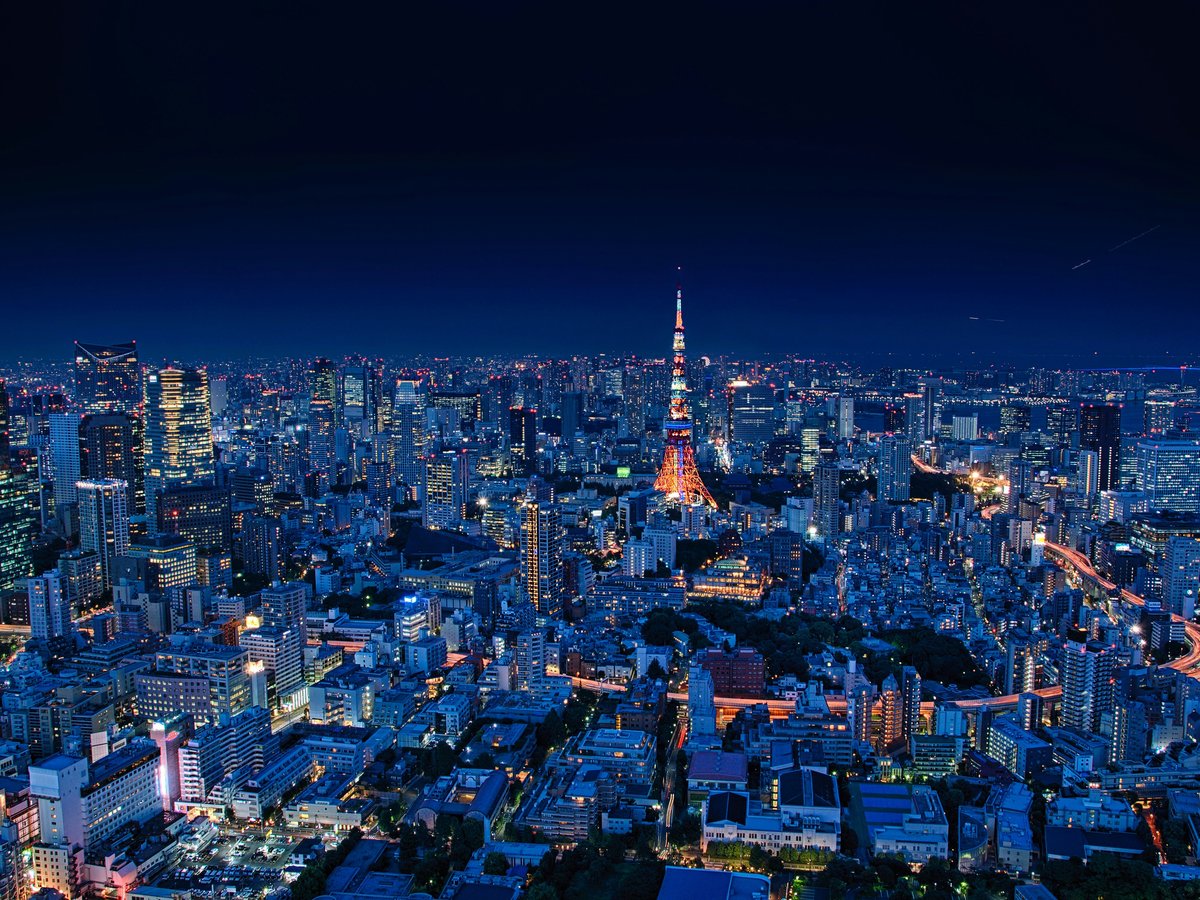
- Overcast skies on most days limit long-distance visibility. Views of Mount Fuji from Tokyo Skytree's 450-meter observation deck (opened 2012) or Tokyo Tower (opened 1957) are rare in June.
- Early typhoon season begins in late June, though direct hits on Tokyo are uncommon before July. Nearby storms can still disrupt rail service and delay flights at Narita and Haneda.
Best for
Think twice if
June sits at the front edge of Tokyo's summer. Daytime highs average 26.9°C (80°F) and overnight lows settle near 19.2°C (67°F). On paper, those numbers look comfortable. In practice, 189mm of rainfall keeps the air heavy and the streets wet for much of the month. Tsuyu mornings tend to start grey and warm. Afternoon weather can shift from sunshine to a sharp downpour and back within an hour. Late June occasionally pushes past 30°C (86°F), previewing the July and August heat ahead. By 9 PM, temperatures typically ease into the low 20s Celsius, and post-rain evenings carry a brief, clean freshness before the humidity settles back in.
Seasonal caution
- Heavy tsuyu downpours can exceed 50mm in a single hour, causing localized flooding in low-lying areas near the Sumida and Tama rivers. Monitor official heavy-rain warnings through a weather app during any extended rainy stretch.
- Tropical storms occasionally approach the Kanto coast in late June. Direct landfall on Tokyo before July is rare, but nearby systems can disrupt Shinkansen service and delay flights for 12 to 24 hours.
Year-round climate
Averages from the last 5 years.
| Month | Avg high (°C) | Avg low (°C) | Rainfall (mm) |
|---|---|---|---|
| Jan | 9 | 0 | 35 |
| Feb | 11 | 1 | 54 |
| Mar | 15 | 6 | 156 |
| Apr | 20 | 10 | 152 |
| May | 23 | 15 | 193 |
| Jun | 27 | 19 | 189 |
| Jul | 32 | 24 | 168 |
| Aug | 33 | 25 | 144 |
| Sep | 29 | 22 | 202 |
| Oct | 22 | 14 | 143 |
| Nov | 17 | 9 | 79 |
| Dec | 12 | 3 | 56 |
Best things to do in June
Ajisai temple walks across Bunkyo
natureWalk a circuit of 3 or 4 hydrangea-filled shrine gardens in Bunkyo ward. The route passes through quiet residential streets on hillside terrain and takes about 2 hours on foot. The flowers look their most vivid in light rain, with petals saturated against wet stone steps and moss-covered walls.
Hydrangea bloom peaks in June and fades quickly once tsuyu ends.Tokyo National Museum rainy-day deep dive
cultureThe Tokyo National Museum in Ueno, founded in 1872, holds over 120,000 objects across 5 buildings. A full visit to the Honkan (Japanese Gallery) and Toyokan (Asian Gallery) alone takes 3 to 4 hours. The museum typically mounts at least one special exhibition with seasonal themes in June.
Tsuyu makes full indoor days logical rather than a compromise, and June crowds are thinner than spring.Booking tipNo advance booking needed for general admission. Special exhibitions sometimes offer timed-entry tickets online.
Iris viewing at Meiji Jingu Gyoen
natureThe inner garden of Meiji Jingu cultivates around 150 varieties of Japanese iris (hanashobu) along a meandering stream. The purple, white, and blue blooms set against the garden's old-growth forest canopy create one of Tokyo's most understated seasonal displays. Entry to the garden is 500 yen.
The iris bloom peaks in the first 2 weeks of June and fades before month's end.Booking tipNo reservation needed. Weekday mornings before 10 AM offer near-solitude.
Umeshu making with fresh green plums
foodSeveral cooking studios and cultural experience spaces in Nihonbashi run June-only workshops where you prepare your own umeshu using that season's fresh ume harvest. You learn the traditional sugar-and-shochu ratio and take home a sealed jar that needs roughly 3 months to mature.
The fresh green ume harvest window is narrow and falls entirely within June.Booking tipBook at least 1 week ahead. Weekend workshops fill quickly.
Todoroki Valley walk after rain
natureTodoroki Keikoku is a 1-kilometer ravine in Setagaya ward, lined with trees and a small stream, with a Shinto shrine at the far end. The walk takes about 30 minutes. After rain, the green canopy drips steadily, the stream rises, and the air temperature drops several degrees below the surrounding residential streets. The smell of wet earth and moss fills the narrow valley.
June rains turn the valley floor lush and intensify the mossy, damp atmosphere the spot is known for.Depachika seasonal food crawl
foodThe basement food floors (depachika) of Tokyo's major department stores showcase seasonal ingredients with particular intensity during tsuyu. Isetan in Shinjuku and Takashimaya in Nihonbashi dedicate counter space to fresh ume preparations, seasonal wagashi, and early-summer fruit like Yamanashi Prefecture cherries.
The June ingredient turnover fills depachika displays with rotating seasonal items. The variety of ume products alone peaks this month.Booking tipNo booking needed. Visit between 4 PM and 6 PM for markdowns on prepared foods.
Firefly viewing at an early-June evening event
natureSeveral gardens and hotel grounds in Tokyo host hotaru (firefly) viewing evenings in the first 2 weeks of June. The insects are drawn to clean water and warm humid air, both of which tsuyu provides. Events are typically free or included with a restaurant booking at the host venue.
Fireflies appear for roughly 2 weeks in early June, then vanish for the year.Booking tipCheck hotel and garden websites in late May for announced dates. Popular evenings sell out within days.
What to eat in June
In season: fruit
Green ume plums
Fresh green ume flood markets for about 3 weeks starting in early June. Tokyo households buy them by the kilo to make homemade umeshu (plum liquor) and umeboshi (pickled plums). Several bars in Nakameguro serve seasonal umeshu made from that year's harvest.
On menus now
Ayu
River-caught sweetfish arrives at Tokyo's izakaya and specialty grills in early June. The whole fish is salt-grilled on skewers and served with a wedge of sudachi citrus. The flesh carries a distinctive cucumber-like fragrance that peaks when the fish is wild-caught.
Hamo
Pike conger season opens in June. The eel-like fish requires hundreds of precise knife cuts (honegiri) to manage its fine bones. Tokyo's kappo restaurants around Akasaka serve hamo as tempura, in clear dashi broth, or lightly poached with ume vinegar sauce.
Fresh-harvest edamame
Edamame pulled from Chiba and Gunma Prefecture fields in June tastes distinctly sweeter and nuttier than the frozen pods served year-round. Look for pods labeled shun (in season) at farmers' markets or on izakaya menus that list the growing region.
In markets
Shiso
Green and red perilla leaves peak in June, appearing as garnish on sashimi, mixed into tempura batter, and muddled into shochu cocktails. The sharp, minty-basil flavor turns up in dishes from Ginza kappo counters to Koenji neighborhood izakaya.
Regular events in June
Sanno MatsuriFree
One of Tokyo's three great festivals, held at Hie Shrine in Nagatacho. In even-numbered years, the Shinkosai grand procession brings over 500 participants in Heian-period costumes through central Tokyo, passing near the Imperial Palace. Odd-numbered years feature smaller shrine-based ceremonies.
June 7-17Bunkyo Ajisai MatsuriFree
An annual hydrangea festival at Hakusan Shrine in Bunkyo, featuring roughly 3,000 hydrangea bushes across 20 varieties. The shrine grounds are illuminated in the evenings during the festival, and stalls sell seasonal snacks and drinks.
Early to mid-June, typically 10 daysTorikoe MatsuriFree
One of Tokyo's most physically intense festivals, centered on Torikoe Shrine in Taito ward. The yonuke (night parade) features teams carrying a 4-ton mikoshi through narrow streets after dark, lit by paper lanterns. The sound of the carriers' chanting fills the Asakusabashi neighborhood.
A weekend in mid-JuneTsukiji Shishi MatsuriFree
A festival at Namiyoke Inari Shrine near the old Tsukiji fish market site. Teams parade massive lion-head floats (shishi-gashira) through the streets. The largest heads weigh over 700 kilograms and need dozens of carriers to move.
A weekend in mid-JuneBest places this June
Nezu Shrine
shrineA vermillion-lacquered shrine in Bunkyo known for its azalea festival in April and May. By June, the surrounding hillside transitions to hydrangeas, and the torii tunnel corridor is less photographed than Kyoto's Fushimi Inari but similarly striking, especially in the rain when the wet lacquer gleams.
BunkyoKoishikawa Korakuen
gardenOne of Tokyo's oldest gardens, dating to the early Edo period. The iris pond peaks in June, and the garden's Chinese-influenced design includes covered walkways that let you appreciate rain-spattered views without getting soaked. Located next to Tokyo Dome, it combines well with other nearby sites.
BunkyoRoppongi Art Triangle
museum districtThree major art museums within walking distance in Roppongi. The Mori Art Museum sits on the 53rd floor of Mori Tower, the National Art Center Tokyo is Japan's largest exhibition space, and the Suntory Museum of Art rounds out the trio. All fully indoors, all accessible in rain, and a full circuit fills a rainy day with no compromise on quality.
RoppongiShimokitazawa
neighborhoodA low-rise neighborhood in Setagaya with a high density of vintage clothing shops, independent cafes, and small live-music venues. The narrow pedestrian streets are partially covered, making it one of the better areas for aimless rainy-afternoon walking. The secondhand bookshops and record stores reward slow browsing.
SetagayaUeno Park
parkEstablished in 1873, the park is deep green and lush by June. The Shinobazu Pond lotus leaves are large but won't bloom until July and August. What makes the park particularly useful this month is the cluster of museums along its northern edge. The National Museum of Nature and Science, the Ueno Royal Museum, and the Tokyo Metropolitan Art Museum are all reachable under covered paths from JR Ueno Station.
TaitoYanaka Ginza
shopping streetA short, old-fashioned shopping street with about 60 small shops selling handmade crafts, traditional snacks, and cat-themed souvenirs. The covered portions shelter you from rain, and the quiet residential lanes branching off take on a cinematic quality in tsuyu drizzle. The Yuyake Dandan staircase at the western end frames a view over the neighborhood rooftops.
Yanaka
Your packing checklist
Tick items off as you pack. Your progress saves in this browser.
All packed — have a great trip.
Insider tips
The underground passages connecting major stations like Shinjuku, Tokyo, and Otemachi stretch for kilometers and are fully climate-controlled. On heavy rain days, you can walk from Otemachi to Marunouchi without stepping outside, passing through shopping arcades and food courts the whole way.
Senso-ji in Asakusa draws its smallest crowds on rainy weekday mornings. If you want to see the Kaminarimon gate and Nakamise-dori shopping street without tour groups, a drizzly Tuesday or Wednesday in June is your window.
Download the Japan Meteorological Agency's rain radar (available through several free apps) rather than relying on generic weather services. It shows precipitation at 10-minute intervals and is accurate enough to tell you whether a downpour will pass in 20 minutes or last through the afternoon. Locals check it constantly during tsuyu.
The konbini (convenience store) chains stock seasonal items that rotate monthly. In June, FamilyMart, 7-Eleven, and Lawson carry limited-edition ume-flavored onigiri, drinks, and desserts alongside practical rain gear like folding umbrella sleeves and waterproof phone pouches.
Seek out neighborhood sento (public bathhouses) rather than large tourist-oriented onsen facilities. A sento in Tokyo costs about 520 yen, has no time limit, and after a humid June day, the hot-cold-hot bathing cycle works as a full physical reset.
Avoid these mistakes
- Packing only one pair of shoes. A single pair will be soaked through by day 2 of tsuyu. Bring waterproof shoes or a second pair that can dry overnight while you rotate.
- Planning full-day outdoor itineraries for day trips to Kamakura or Nikko without rain alternatives. Those areas get the same tsuyu conditions Tokyo does. Build every day around at least one strong indoor anchor.
- Underestimating how much humidity affects energy levels. Walking 15,000 steps in June humidity drains you roughly twice as fast as the same distance in November. Plan fewer stops per day and schedule a midday break in an air-conditioned cafe or department store.
- Leaving wet clothes to air-dry in the hotel room. Nothing dries properly in the June air. Use the coin-operated laundry machines with dryers found at most hotels and hostels, or your quick-dry fabrics will still be damp the next morning.
Practical tips for June
Most attractions maintain standard hours through June, though outdoor gardens may close early during heavy-rain advisories. The JR Tokyo Wide Pass (3 consecutive days) covers Shinkansen trips out of the city if tsuyu pushes you toward a change of scenery. Dress codes at restaurants relax during tsuyu because everyone arrives slightly damp, and even upscale spots expect wet shoes and folded umbrellas at the entrance. Tipping is not customary in Japan and will likely confuse your server. For arrivals at Narita, direct express trains reach central Tokyo every 30 to 60 minutes. From Haneda, the monorail reaches Hamamatsucho in 13 minutes. Book popular restaurants at least 3 to 4 days ahead for weekend dinner slots, as local demand stays constant regardless of tourist volume. Many pharmacies stock cooling body sheets (Gatsby or Biore brands) that help manage the humidity between indoor stops.
FAQ
Is June a good time to visit Tokyo?
June is a fair-to-average month. The tsuyu rainy season brings persistent rain and high humidity, which limits outdoor sightseeing and makes walking less comfortable. That said, tourist crowds thin from the spring and autumn peaks, hotel rates drop, and hydrangea season is beautiful. If you're comfortable with rain and willing to build flexible itineraries with strong indoor options, June works well. If you need blue skies, October or November is a stronger choice.
What is the weather like in Tokyo in June?
Warm and humid with frequent rain. Tsuyu typically runs from early June through mid-July. Highs sit in the upper 20s Celsius (around 80°F) and lows hover in the upper teens (upper 60s Fahrenheit). Rain falls on roughly half the month's days, ranging from drizzle to heavy downpours. Overcast skies are the norm rather than the exception, and clear-sky days feel like a bonus when they arrive.
Is Tokyo crowded in June?
Noticeably less crowded than the spring cherry blossom season (late March through April) and the autumn foliage months. June sits in a relative lull between Golden Week in early May and the summer holiday period starting mid-July. Major sites still draw visitors, but queue times shorten and finding accommodation in central neighborhoods is easier and cheaper than in peak months.
Is Tokyo family-friendly in June?
Tokyo scores 9 out of 10 for family friendliness (see the TTDI Family-Friendliness Index). The city's extensive indoor attractions, reliable transit, and high safety standards make it a strong family destination year-round. The June caveat is that tsuyu rain limits outdoor play. Strollers become harder to manage with umbrellas. Plan indoor days at Tokyo Disneyland (opened 1983), science museums, or aquariums, and bring rain covers for strollers and carriers.
What should I wear in Tokyo in June?
Lightweight, breathable clothing in cotton or linen. The humidity means you'll sweat through synthetics quickly. Layers matter because indoor air conditioning runs aggressively enough to raise goosebumps after the outdoor heat. A waterproof rain jacket is more practical than relying solely on an umbrella. Closed-toe shoes with grip handle wet subway floors and temple steps far better than sandals or leather soles.
Things to Do in Tokyo in June
 Free cancellation
 1-Day Tokyo Bus Tour
Day trip: free cancellation.
via Viator Free cancellation
 Sushi Making Tokyo Roll and Authentic Japanese Sushi Class
Cooking class: 1.7 hours, free cancellation.
via Viator Free cancellation
 Tokyo Customized Private Tour in 1 Day with Licensed Guide
Day trip: free cancellation.
via Viator Free cancellation
 Private Tour to Mt. Fuji/or hakone (Fully Licensed Operator)
Day trip: 10 hours, free cancellation.
via Viator Free cancellation
 Mount Fuji Full Day Sightseeing Tour from Tokyo
Day trip: 10 hours, free cancellation.
via Viator Free cancellation
 Nikko, Kegon Waterfall & Chuzenji Lake from Tokyo
Day trip: 11 hours, free cancellation.
via ViatorFind a flight to Tokyo
Live fares to Tokyo appear here once cookies are accepted.
Last verified by automated review (v1.7.2) on . What is automated review?