Compare every Japan city in January →
Stay in Tokyo in January
80 hotels in the Trip.com pool for Tokyo, from US$13 a night.
Opens Trip.com on Fri 1 Jan to Sun 3 Jan 2027; change the dates there.
January in Tokyo begins with Shogatsu, the New Year holiday that effectively closes the city for 3 days. Department stores in Ginza board up their entrances, most restaurants in Asakusa pull down their shutters, and millions of residents head to shrines for hatsumode, the first shrine visit of the year. If you land before January 4, expect limited dining options and packed train platforms around Harajuku Station.
Once the holiday passes, the city opens into its coldest, clearest stretch. January is Tokyo's driest month, and the low humidity tends to sharpen the skyline in a way the summer haze rarely allows. On many mornings after a cold front, Mt. Fuji appears from observation decks across the city with a crispness that catches you off guard if you have only seen summer Tokyo. Daytime highs sit around 9°C (49°F), dropping to freezing after dark. The air carries enough bite to sting your face on the walk from the station, but the cold is nowhere near the severity of Seoul or Beijing in the same period.
After January 4, hotel rates across Shinjuku and Shibuya tend to drop to some of the lowest points of the year. Mid-to-late January sits in one of the better value windows on Tokyo's calendar. Sunset comes around 16:50 in early January, so the short daylight pushes you indoors earlier than you might expect. That turns out to be fine. The izakayas in Shimokitazawa and the old jazz cafes in Koenji come alive after dark, and winter is when Tokyo's warming comfort-food traditions reach their peak.
Why visit in January
- Tokyo's driest month delivers the clearest skies of the year. Mt. Fuji appears from city observation decks on more days in January than in any other month, with a sharpness the humid months never approach.
- Hotel rates in mid-to-late January fall to the lower end of Tokyo's annual range. Rooms that need months of advance booking during cherry blossom season often sit available for same-week reservation.
- Shogatsu puts you in the same shrine queues as Tokyo residents during the most significant cultural week on the Japanese calendar. The experience has no tourist-oriented equivalent.
- Winter is peak season for Tokyo's warming comfort-food traditions. Seasonal dishes at yatai stalls under the Yurakucho train tracks and at izakaya counters across the city disappear from menus by spring.
Worth knowing
- Finding a sit-down meal during the first 3 days of January requires real planning. Outside hotel restaurants and konbini chains, dining options in residential neighborhoods shrink to almost nothing.
- The cold is genuine. Walking an exposed riverside path or standing in a temple queue for 30-45 minutes requires proper winter gear, not the light layers that work in October or April. Visitors from tropical climates sometimes underestimate how uncomfortable single-digit temperatures feel after 2 hours outdoors.
- Short daylight limits outdoor sightseeing to roughly 6 hours of full light. An afternoon temple itinerary often ends its last stop in near-darkness.
Best for
Think twice if
Tokyo's January weather tends to be cold, dry, and consistently clear. The winter sun sits low and casts long shadows across Marunouchi's glass towers by mid-afternoon. Rain is rare, and when it falls, it is typically a brief, light shower that barely interrupts a walking day. The dryness catches visitors from tropical climates off guard. Lips crack, skin tightens, and moisturizer becomes essential within a day of arrival. Wind chill along the Sumida River and on exposed observation deck platforms can make the cold bite harder than the thermometer suggests. Indoor spaces tend to be aggressively heated, so the real challenge is managing the temperature swing between the street and a heated department store interior.
Seasonal caution
- Overnight temperatures occasionally dip below 0°C (32°F) in late January, particularly in western suburbs and parks away from central Tokyo's urban heat island. Morning frost on temple stone paths can make steps slippery.
Year-round climate
Averages from the last 5 years.
| Month | Avg high (°C) | Avg low (°C) | Rainfall (mm) |
|---|---|---|---|
| Jan | 9 | 0 | 35 |
| Feb | 11 | 1 | 54 |
| Mar | 15 | 6 | 156 |
| Apr | 20 | 10 | 152 |
| May | 23 | 15 | 193 |
| Jun | 27 | 19 | 189 |
| Jul | 32 | 24 | 168 |
| Aug | 33 | 25 | 144 |
| Sep | 29 | 22 | 202 |
| Oct | 22 | 14 | 143 |
| Nov | 17 | 9 | 79 |
| Dec | 12 | 3 | 56 |
Holidays and festivals in January
Public holidays
- New Year's Day(元日)1 January 2027
- Coming of Age Day(成人の日)11 January 2027
Headline events
Hatsumode
January 1-3
The first shrine or temple visit of the New Year draws millions of Tokyo residents to shrines across the city in the opening days of January. Meiji Jingu alone sees an estimated 3 million visitors over 3 days. The experience is participatory, not spectator. You join the queue, toss a coin into the offering box, clap twice, bow, and make your wish alongside everyone else. The forested approach to Meiji Jingu through Yoyogi Park fills with the scent of incense and grilled mochi from vendor stalls. Smaller neighborhood shrines offer a quieter version of the same tradition, often with no wait at all.
Best things to do in January
Fukubukuro (lucky bag) shopping
shoppingDepartment stores and brand shops sell sealed grab bags in the first days of January. Prices typically run 3-5 times below the retail value of the contents. Lines form before dawn at popular stores, and the atmosphere has the energy of a competitive sport. Shibuya 109 and the major Ginza department stores draw the longest queues.
Fukubukuro are only available from January 1-3. By January 4, most stores have sold out entirely.Booking tipSome brands sell fukubukuro online in late December for store pickup on January 2. Check brand websites by mid-December.
Mt. Fuji viewing from Tokyo Skytree
sightseeingThe 634-meter tower (opened 2012) offers a 360-degree panorama that, on a clear January morning, extends to Mt. Fuji roughly 100 km to the southwest. The Tembo Deck at 350 meters and Tembo Galleria at 450 meters both face the mountain. The view works best in the first 2-3 hours after sunrise, before afternoon haze builds.
January's dry air and low humidity produce the highest frequency of clear Mt. Fuji sightings of any month.Booking tipBuy timed-entry tickets online for early morning slots. Walk-up lines are shorter than in spring or autumn but still add 20-30 minutes on weekends.
Hatsu Basho (January Grand Sumo Tournament)
spectator sportsThe 15-day sumo tournament at Ryogoku Kokugikan in eastern Tokyo fills the 11,000-seat arena with the sharp crack of colliding bodies, the thud of a wrestler hitting the clay, and the referee's drawn-out calls. Lower-ranked bouts start around 08:30, with top-division matches from 16:00 onward. The atmosphere builds through the day.
The Hatsu Basho is one of only 3 Tokyo-hosted tournaments each year. January's edition carries fresh rankings from the previous year's final results.Booking tipGeneral admission (jiyuseki) seats sell at the box office from 08:00 on the day and go within an hour on weekends. Reserved seats for popular days need 2 weeks of advance purchase through the official site.
Tokyo National Museum winter visit
museumJapan's oldest museum (founded 1872) in Ueno Park houses over 120,000 objects across its Honkan, Toyokan, and Heiseikan buildings. January's post-holiday lull means you can stand in front of samurai armor, Jomon pottery, and Edo-period screen paintings without a crowd behind you. The heated galleries make this an ideal cold-weather destination.
Tourist crowds drop to their lowest in January. Exhibition halls that feel packed during Golden Week or autumn foliage season have room to breathe.Booking tipCheck the museum site for special New Year exhibitions, which sometimes debut in early January. Standard admission covers all permanent collection buildings.
Hakone onsen day trip
day tripThe hot spring resort town of Hakone sits about 90 minutes from Shinjuku by Odakyu Romance Car. Outdoor rotenburo (open-air baths) feel best when cold air hits your face while the rest of you soaks in 40-42°C (104-108°F) mineral water. The volcanic valley of Owakudani steams more dramatically in the cold winter air.
Cold weather transforms onsen from pleasant to essential. The contrast between near-freezing outdoor air and hot spring water creates the sensation that makes Japanese winter bathing famous.Booking tipThe Hakone Free Pass from Odakyu covers round-trip rail plus local buses, boats, and the ropeway for 2-3 days. Buy it at Shinjuku Station's Odakyu counter.
Winter illumination walks
sightseeingSeveral of Tokyo's winter illumination displays run through mid-January before being taken down. The Marunouchi Naka-dori avenue near Tokyo Station lines its trees with warm-white LED lights. Roppongi Hills and the Keyakizaka-dori slope offer a different palette. The displays are free and best viewed after 17:00 when full darkness sets in.
Most illuminations launched in November or December reach their final days in mid-January. After that, they are dismantled until the following autumn.What to eat in January
In season: fruit
Mikan (Satsuma mandarin)
Peak season for these small, easy-to-peel mandarin oranges runs December through February, with January at the sweet spot. They appear everywhere, from konbini shelves to kotatsu tables. Ehime and Wakayama prefectures produce the most prized varieties.
On menus now
Ozoni
Mochi rice cake soup eaten on New Year's morning. Tokyo's Kanto-style version uses a clear dashi broth with rectangular mochi, chicken, and mitsuba herb. Every family has their own variation, and tasting different restaurant interpretations in the first days of January reveals surprising range.
Nanakusa-gayu
Seven-herb rice porridge eaten on January 7, a palate-reset tradition from the Heian period. The dish is intentionally plain, meant to rest the stomach after days of rich holiday feasting. Some temples and restaurants serve it as a limited one-day special.
Fugu (pufferfish)
Winter is peak fugu season. Restaurants around Asakusa and the Tsukiji area serve the fish as translucent sashimi (tessa), in hot pot (tecchiri), and deep-fried. Licensed preparation is required by law. The texture is firm and clean, nothing like the richness of fatty tuna.
What to drink
Amazake
Warm, sweet fermented rice drink served at shrine stalls during the hatsumode period. The texture is thick and slightly grainy, with a gentle sweetness that cuts through January's cold. Most preparations at temple stalls are non-alcoholic.
Festival food
Osechi-ryori
Multi-layered lacquerware boxes of preserved dishes eaten over Shogatsu. Each component carries New Year symbolism. Kuromame (black beans), kazunoko (herring roe), and datemaki (sweet rolled omelette) appear in nearly every set. Hotel restaurants and department store food halls sell prepared boxes, though custom orders typically close by mid-December.
Regular events in January
Seijin no Hi (Coming of Age Day)Free
National holiday celebrating young adults reaching the age of majority. Young women in furisode kimono and young men in hakama or suits gather at municipal offices and local shrines for ceremonies and group photos. The photogenic crowds near train stations in the late morning make it one of the most visually striking days of the year.
Second Monday of January (usually January 8-14)Dezomeshiki (New Year Fire Review)Free
The Tokyo Fire Department's annual display of acrobatic ladder-top stunts, a tradition descended from Edo-period firefighting brigades. Firefighters in traditional garb climb bamboo ladders and perform balancing acts 10 meters above the ground. Traditionally held in the waterfront area near Tokyo Big Sight.
January 6Shichifukujin Meguri (Seven Lucky Gods Pilgrimage)Free
Walking pilgrimage routes that connect 7 temples and shrines, each associated with one of the Seven Lucky Gods of Japanese mythology. The Yanaka and Nihonbashi routes are popular in Tokyo. Participants collect stamps at each stop on a special pilgrim paper. The tradition is most actively observed in January.
Throughout January (strongest participation January 1-15)Best places this January
Senso-ji and Nakamise-dori
templeTokyo's oldest temple draws large hatsumode crowds in the first 3 days, with the Kaminarimon gate and 250-meter Nakamise shopping street dressed in New Year decorations. After the 4th, visitor numbers thin and the temple grounds settle into a calmer pace. Vendor stalls along Nakamise sell seasonal rice crackers and warm snacks suited to cold-weather browsing.
AsakusaUeno Imperial Grant Park
parkThe park (established 1873) anchors a museum district that includes the National Museum of Western Art (founded 1959, designed by Le Corbusier) and several smaller galleries. January's bare trees open sightlines across Shinobazu Pond that the summer lotus canopy hides. The park is free to enter, with individual museum admission separate.
UenoTokyo Imperial Palace East Gardens
gardenThe publicly accessible section of the palace grounds (the imperial residence dates to 1868) is free year-round. January's bare landscape reveals the Edo-era stone walls, moat geometry, and architectural bones that summer foliage obscures. In the last week of January, the earliest ume (plum) blossoms begin to open near the Bairin plum grove.
ChiyodaTsukiji Outer Market
marketWhile the wholesale market moved to Toyosu in 2018, the outer market's 400-plus stalls and small restaurants remain. Winter is peak season for oysters, yellowtail (buri), and sea urchin. The cold morning air mixes with steam from grilling seafood vendors, and the crowds are far smaller than in spring or summer.
TsukijiTokyo Tower observation deck
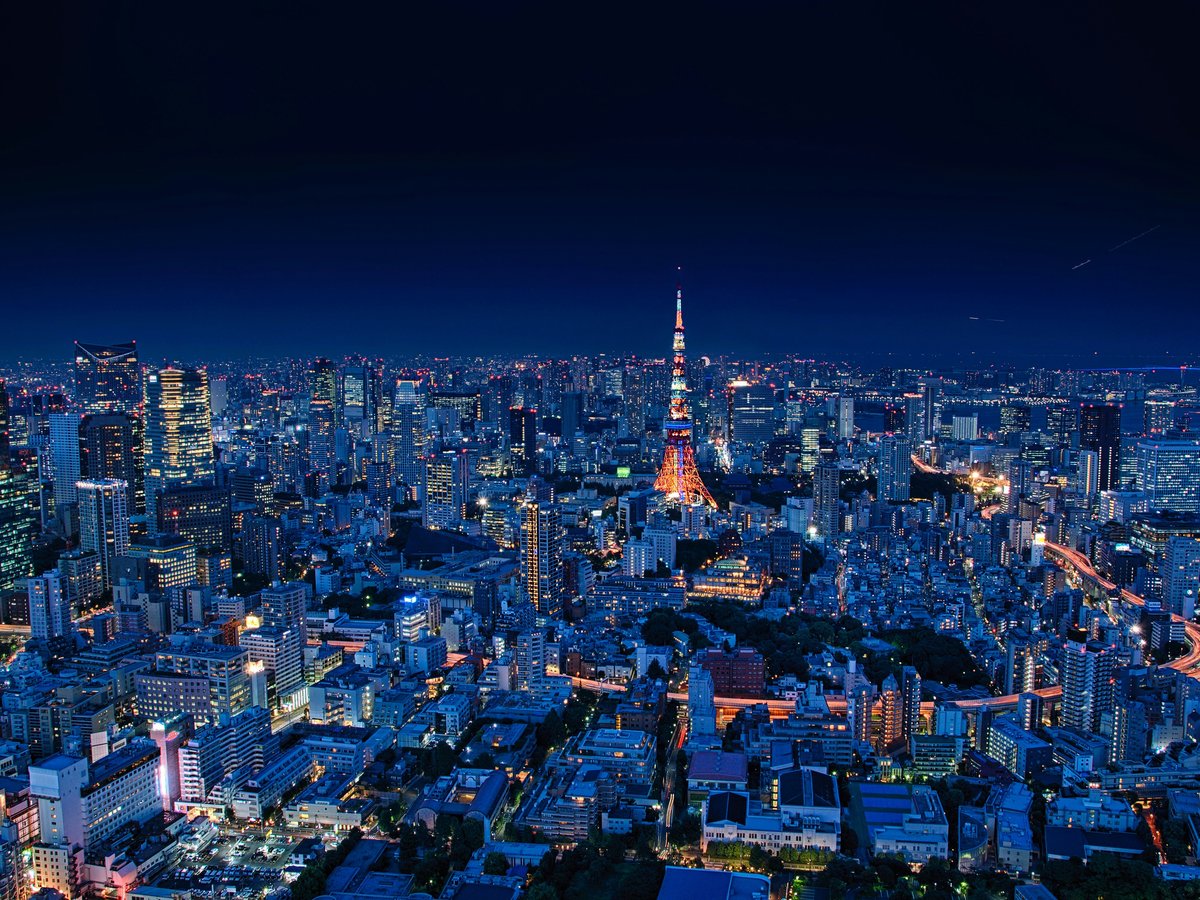
observation deckThe 333-meter tower (opened 1957) draws smaller crowds than Tokyo Skytree in January, and the lower visitor count means less time waiting for window access. The Main Deck at 150 meters offers clear winter views across the city. On especially clear January mornings, the visual reach extends well beyond the usual summer limits.
MinatoShimokitazawa
neighborhoodThis compact neighborhood of vintage clothing shops, used bookstores, and independent cafes rewards slow, warm-drink-fueled browsing on cold January afternoons. The small scale means you can duck inside frequently to warm up. The area around Shimokitazawa Station has changed since the train lines moved underground, but the backstreets retain their character.
Shimokitazawa
Your packing checklist
Tick items off as you pack. Your progress saves in this browser.
All packed — have a great trip.
Insider tips
Convenience stores become your best option during Shogatsu. 7-Eleven, FamilyMart, and Lawson stay open when nearly everything else closes, and their oden bars, nikuman (steamed buns), and onigiri make a surprisingly solid meal at any hour.
For the clearest Mt. Fuji views outside the city, take the direct train to Kawaguchiko Station from Shinjuku (about 2 hours). January's dry air makes the mountain appear impossibly close from the lakeside, and weekday visitor numbers are a fraction of weekend traffic.
Department store basement food halls across Nihonbashi and Ginza mark down premium seasonal items starting around January 4. What sold at full Shogatsu pricing moves at steep discounts with no change in quality.
If you want to see Seijin no Hi celebrations up close, position yourself outside a major train station around midday on the holiday. Groups of young adults in furisode kimono and hakama gather for photos, and the scene is one of the most photogenic of the year.
Avoid these mistakes
- Arriving January 1-3 expecting normal restaurant service. Shogatsu closures catch first-time visitors off guard, and searching for dinner at 19:00 on January 1 in a quiet residential neighborhood can mean a long, cold walk that ends at a convenience store. Research open restaurants before you land.
- Underdressing for outdoor shrine visits. Standing in a hatsumode queue for 30-60 minutes in near-freezing air requires a winter coat, scarf, and gloves. The light jacket that felt fine on the heated train will not cut it in the open.
- Planning too many outdoor stops per day. With early sunsets and genuine cold, you cover less ground than the same itinerary in October. Build warming breaks at cafes or heated shopping arcades between temple and garden visits.
Practical tips for January
Most businesses resume normal hours by January 4, though smaller family-run restaurants in Yanaka and Kagurazaka sometimes stay closed through the 7th. JR and Metro run reduced schedules on January 1, with later first trains and earlier last trains. Book Hakone ryokan stays for mid-January weekends at least 2 weeks ahead, since domestic travelers fill weekend slots quickly. Department stores launch hatsu-uri (winter clearance sales) starting January 2 alongside the fukubukuro bags. Dress in removable layers for the sharp contrast between heated interiors and outdoor cold. Coin lockers at major stations let you stash heavy outerwear while exploring underground shopping areas. If you plan to attend the Hatsu Basho, general admission seats go on sale at Ryogoku Kokugikan's box office at 08:00 on tournament days and sell out within an hour on weekends.
FAQ
Is January a good time to visit Tokyo?
January is a good but niche choice. It is Tokyo's coldest month, and the first 3 days bring widespread Shogatsu closures. Once the holiday ends, hotel rates sit well below average, tourist density drops to its lowest point of the year, and the dry winter air delivers the best skyline and mountain visibility of any month. If cold weather does not bother you and you are drawn to experiencing New Year cultural traditions firsthand, January offers something no other month does.
What should I wear in Tokyo in January?
A proper winter coat is essential, not optional. Layer a thermal base, a wool or fleece mid-layer, and a wind-resistant outer jacket. Bring a scarf and gloves for outdoor segments. Indoor spaces in Tokyo run warm, so wear layers you can shed quickly on trains and in department stores. Waterproof shoes with decent grip help on frosty temple paths in the morning.
Is Tokyo crowded in January?
Tourist crowds hit their lowest for most of the month. The exception is shrine areas during the first 3 days, which draw massive hatsumode attendance. Outside that window and the Seijin no Hi holiday, popular attractions feel noticeably quieter than during cherry blossom or autumn foliage season. Weekday trains still pack at rush hour, but that is year-round.
Is anything closed during New Year in Tokyo?
Most independent restaurants, department stores, and small shops close from December 31 through January 2 or 3. Some reopen on January 2 for hatsu-uri sales. Convenience stores (7-Eleven, FamilyMart, Lawson) generally stay open throughout. Major tourist sites like temples and shrines remain accessible and are in fact busier than usual during hatsumode. Train services run on holiday schedules with reduced frequency on January 1.
Things to Do in Tokyo in January
 Free cancellation
 1-Day Tokyo Bus Tour
Day trip: free cancellation.
via Viator Free cancellation
 Sushi Making Tokyo Roll and Authentic Japanese Sushi Class
Cooking class: 1.7 hours, free cancellation.
via Viator Free cancellation
 Tokyo Customized Private Tour in 1 Day with Licensed Guide
Day trip: free cancellation.
via Viator Free cancellation
 Private Tour to Mt. Fuji/or hakone (Fully Licensed Operator)
Day trip: 10 hours, free cancellation.
via Viator Free cancellation
 Mount Fuji Full Day Sightseeing Tour from Tokyo
Day trip: 10 hours, free cancellation.
via Viator Free cancellation
 Nikko, Kegon Waterfall & Chuzenji Lake from Tokyo
Day trip: 11 hours, free cancellation.
via ViatorFind a flight to Tokyo
Live fares to Tokyo appear here once cookies are accepted.
Last verified by automated review (v1.7.2) on . What is automated review?