Is Osaka good for solo travelers?
Osaka rates 9/10 for solo travel. Counter dining is the default here: kushikatsu bars, ramen shops, and kappo counters all seat one without awkwardness. The subway runs until midnight, crime is negligible, and the city's loud, friendly energy means strangers talk to you first. Capsule hotels start around ¥3,500 per night (about $22).
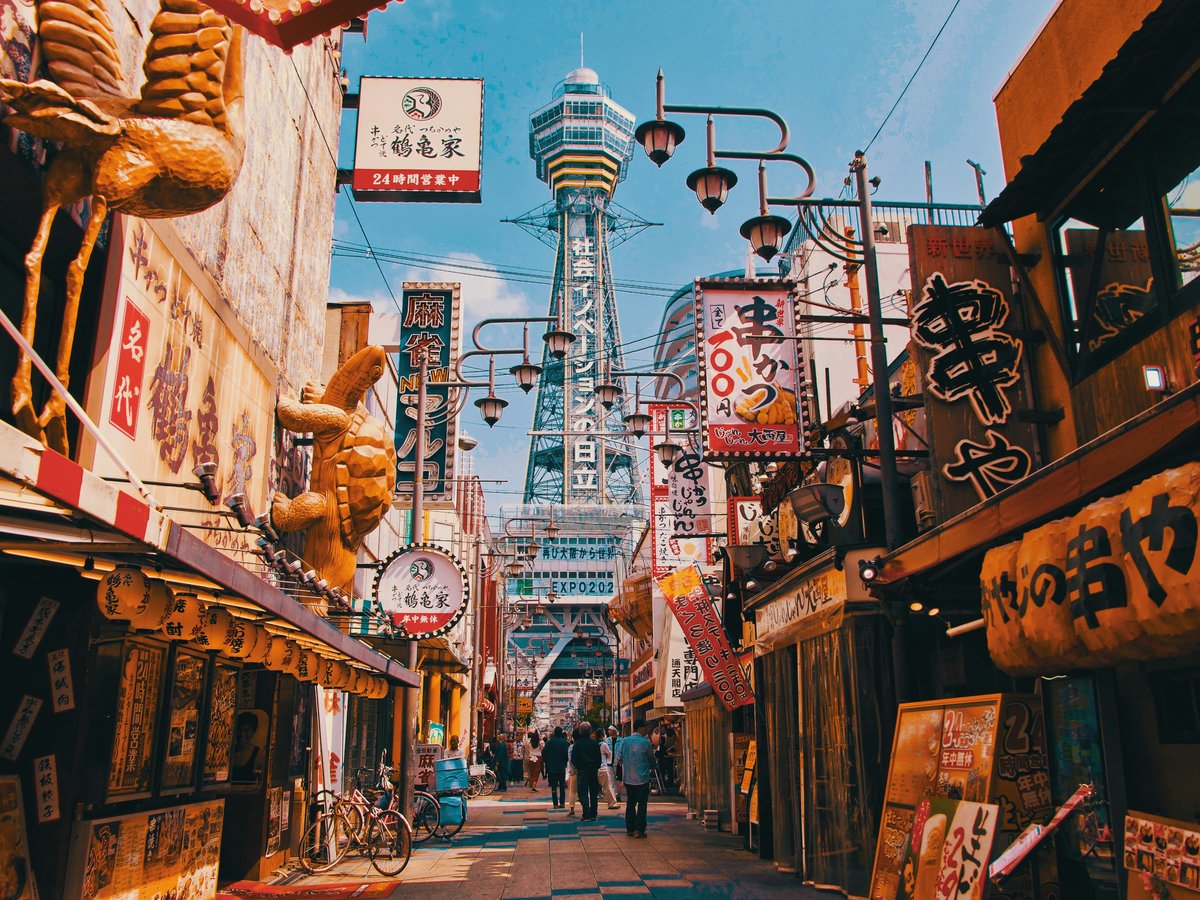
Osaka might be the best city in Asia for eating alone. The counter is the default dining format, not a consolation seat, the best seat. At Daruma in Shinsekai, you sit elbow-to-elbow watching cooks drop kushikatsu into bubbling oil, and nobody looks twice at a party of one. The kuidaore philosophy (eat yourself broke, basically) is built for solo grazing: takoyaki from Wanaka on Sennichimae, grilled squid from a cart near Kuromon Market, then a ¥900 plate of okonomiyaki at Mizuno where the cook builds it on the teppan two feet from your face. The smell of dashi and sweet sauce sticks to your jacket walking Dotonbori at night. Reservations requiring two are rare here. The only places enforcing minimum party sizes tend to be high-end kaiseki, and even those will often seat a solo diner on weeknights if you book through your hotel concierge.
Safety is almost a non-topic. Osaka is safe after dark in every direction a tourist would walk: Namba, Umeda, Tennoji, the full JR Loop Line ring. Women solo report the same experience as men in nearly every neighborhood. The one exception worth naming: Tobita Shinchi, a small red-light district about ten minutes south of Tsūtenkaku, is not dangerous but can feel uncomfortable walking through alone after 8pm. Shinsekai itself has a grittier atmosphere than Namba (more old men drinking canned highballs on the street, more neon buzz, louder) but the grittiness is theatrical, not threatening. I'd walk any of Osaka's main areas at 2am without hesitation, and most solo travelers in trip reports say the same. The real risk list is short: bicycle theft and occasional drink spiking at foreigner-targeted bars in Shinsaibashi.
Osaka's transit just works for one person. The subway has clear English signage, runs until roughly midnight, and an ICOCA card (¥500 deposit from any station machine) means you never fumble with cash. The Midosuji Line covers most solo-traveler destinations: Umeda at the north end, Namba and Shinsaibashi in the middle, Tennoji at the south. After the last train (and this matters, because Osaka is a late-night city) taxis from Namba to most hotels run ¥1,000-2,000 ($6-12). No surge pricing, no negotiation, the meter just runs. One quirk: Google Maps is less reliable in Osaka than in Tokyo for walking directions around smaller streets. Use Navitime or the Osaka Metro app for station-to-station routing instead.
Meeting people takes minimal effort if you stay in the right spot. Piece Hostel Sanbon in Higashishinsaibashi and Hostel 64 in Namba both have communal kitchens where solo travelers cook together, not just coexist in silence. For something structured, the cooking classes near Dotonbori work well (Sakura Cook runs a takoyaki-and-gyoza session capped at six people, around ¥5,500). Osaka's izakaya culture helps too: sit at the counter at Toyo in Shinsekai and the regulars next to you will likely pour you a beer before you've ordered your second. The narrow standing bars in Ura-Namba seat maybe six people, so conversation happens whether you planned it or not. That said, Osaka lacks the coworking-hostel circuit that Bangkok or Chiang Mai has. After two weeks solo, the energy can flatten. The fix is easy: Kyoto is 15 minutes away by train, and a day trip resets the clock.
Capsule hotels are the solo-travel move here. Nine Hours in Shinsaibashi is clean and quiet (pods have blackout curtains, a reading light, and decent ventilation) for about ¥3,500 a night ($22). If you want a door that locks, business hotels like Toyoko Inn or Super Hotel price single rooms at ¥5,000-7,000 ($31-44) with no single-occupancy surcharge, and breakfast is included. Hostel private rooms at places like Khaosan World Namba run around ¥4,500. The single-supplement problem that drains solo budgets in European hotels barely exists in Japan: rooms are priced per room, not per person, and singles are smaller but proportionally cheaper. For stays longer than a week, look at monthly mansion rentals in Tennoji or Tsuruhashi, where a furnished studio with a kitchen runs ¥60,000-80,000 per month ($375-500).
Composite of safety, social options, and accommodation.
Safety notes
Osaka is one of the safest major cities for solo travelers of any gender. Petty crime is rare. Main risks: drink spiking at foreigner-heavy Shinsaibashi bars, bicycle theft, and discomfort (not danger) near Tobita Shinchi after dark. Last trains end around midnight; taxis are metered and reliable.
Ways to meet people
- Hostel communal kitchens: Piece Hostel Sanbon and Hostel 64 Namba both run shared cooking spaces where solo travelers coordinate meals
- Small-group cooking classes near Dotonbori: Sakura Cook caps sessions at six people, ¥5,500 for takoyaki and gyoza
- Counter-seat izakaya in Shinsekai: regulars at places like Toyo often start conversations and share drinks with solo diners
- Standing bars in Ura-Namba: narrow six-seat bars where conversation is unavoidable
- Free walking tours from Namba station: daily departures that end at a shared lunch spot
- Language exchange meetups in Amerikamura: several cafes host weekly English-Japanese conversation nights
- Day trips to Kyoto or Nara: 15-30 minutes by train, easy to join small group tours on arrival
Solo-friendly accommodation
- Capsule hotels: Nine Hours Shinsaibashi, around ¥3,500/night, clean pods with blackout curtains and ventilation
- Business hotels with single rooms: Toyoko Inn, Super Hotel, ¥5,000-7,000/night with breakfast, no single supplement
- Hostel private rooms: Khaosan World Namba, around ¥4,500/night with a locking door
- Hostel dorm beds: ¥2,000-3,000/night at most Namba-area hostels, good for meeting other travelers
- Monthly mansion rentals: furnished studios in Tennoji or Tsuruhashi, ¥60,000-80,000/month for longer stays
Last verified by automated review (v1.7.2) on . What is automated review?