Osaka for families
Osaka City Museum of Fine Arts is the municipal fine-arts collection on the old Chausuyama battlefield in Tennoji. Fujita Art Museum is a private industrialist-family art museum in Miyakojima, hidden behind a garden wall.
Osaka for families with kids, in numbers
- Score for families
- 8.5 out of 10
- Picks on this page
- 12 places across 1 lists, led by Osaka City Museum of Fine Arts, Fujita Art Museum, Museum of Oriental Ceramics, Osaka
Questions families with kids ask about Osaka
-
Family-friendly
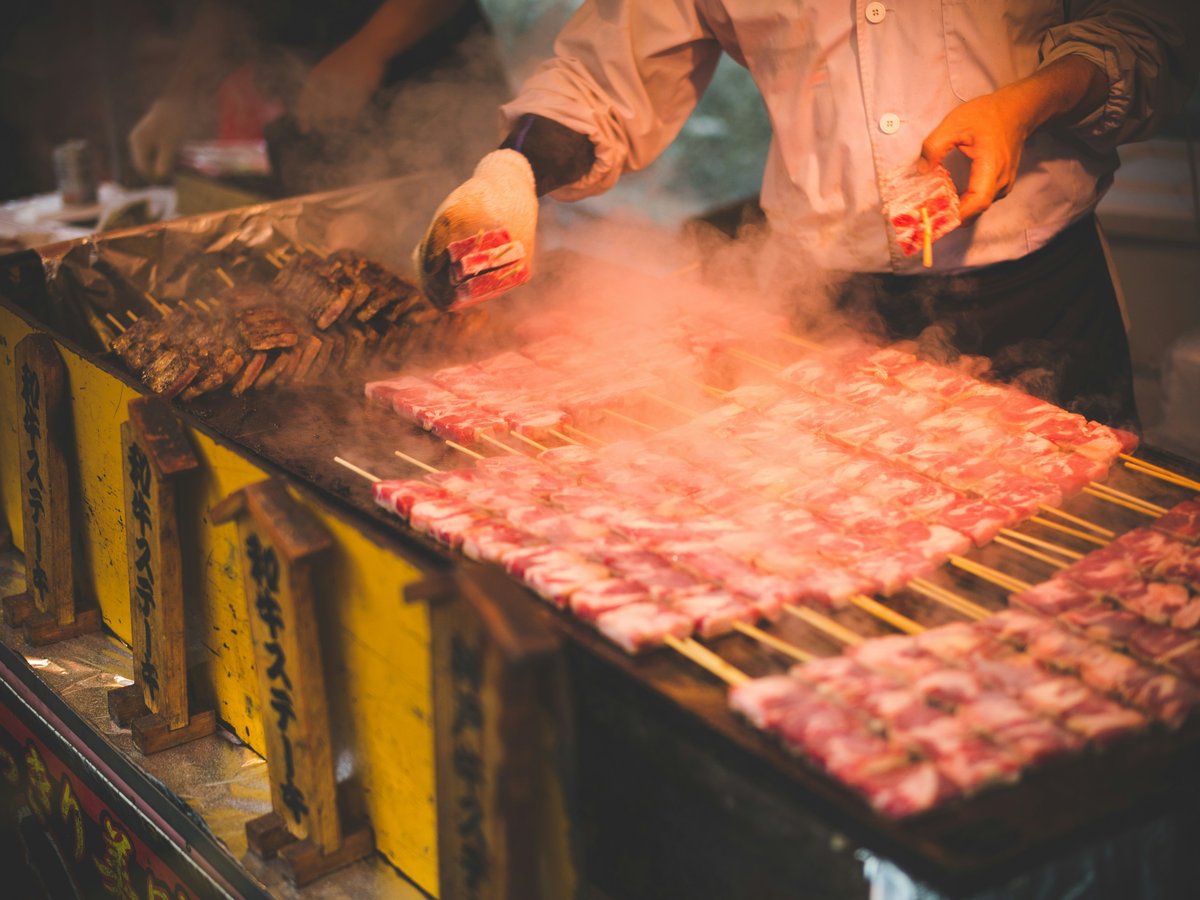
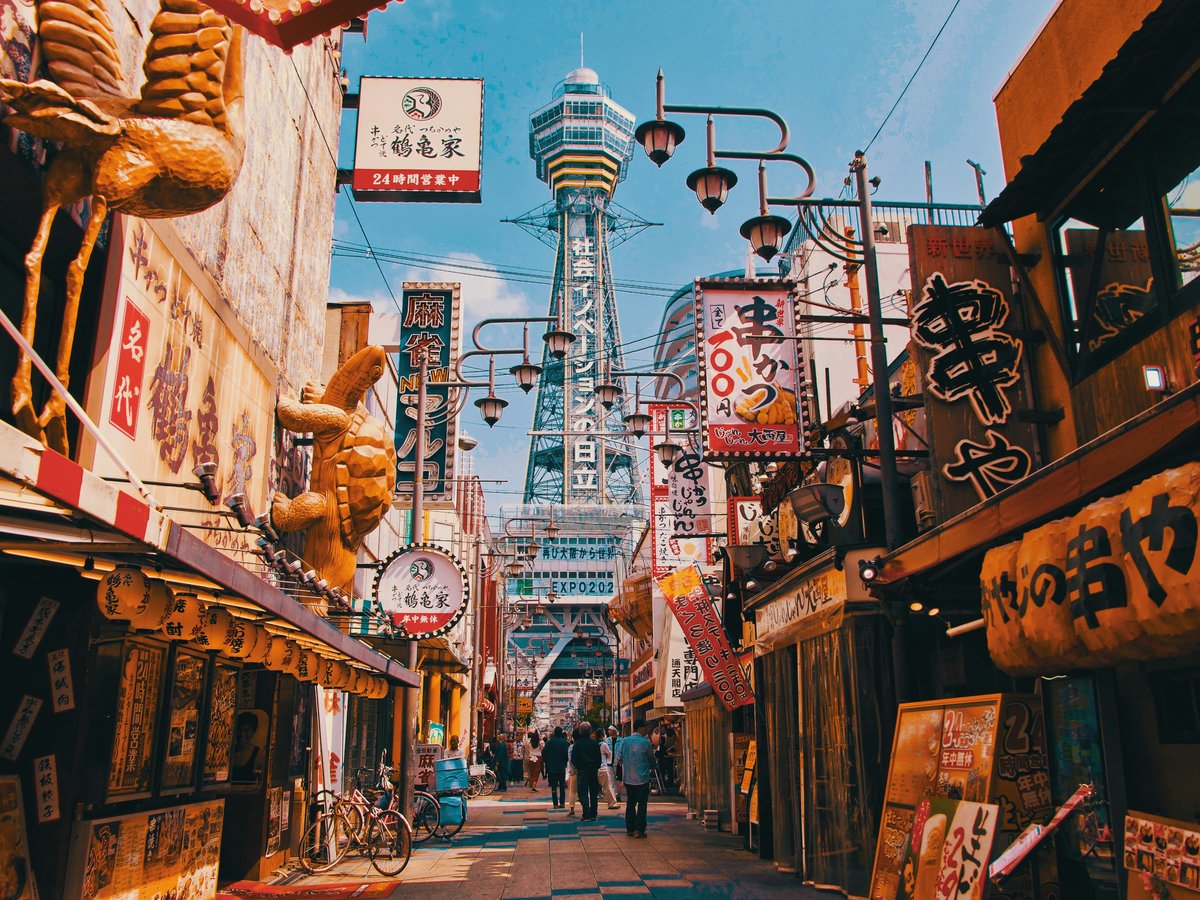
Osaka scores 8.5/10 for family friendliness (see the TTDI Family-Friendliness Index). Universal Studios Japan keeps kids 4+ occupied for a full day, Kaiyukan aquarium holds toddler attention through the whale shark tunnel, and the city's street food solves most picky-eater standoffs. Strollers work on flat Minami sidewalks but metro elevator hunts add 5-10 minutes per transfer.
Read the full answer → -
Is it safe?
Osaka scores 8.8 out of 10 for solo-traveler safety (see the TTDI Solo-Safety Index). Violent crime against tourists is near zero. The real risks are bicycle accidents, typhoon season from June through October, and drink-topping scams in Namba's tout-heavy nightlife strips. Trains stop around midnight, and taxis are metered and honest. Emergency numbers are 110 for police and 119 for fire or ambulance.
Read the full answer → -
What to pack
Slip-on walking shoes: you remove them at every temple and half the restaurants in Osaka. A packable rain shell for tsuyu season, when June through mid-July brings daily downpours. Quick-dry layers for 25–35°C humidity. Skip the umbrella and toiletries; Daikoku Drug in Namba sells both for less than you'd pay at home.
Read the full answer → -
Getting around
Osaka Metro's Midosuji Line is your spine: it connects Umeda, Namba, and Tennoji in under 20 minutes. Buy an ICOCA card from any station machine (500 yen deposit, load 2000-3000 yen) and it works on every subway, JR train, and bus. Walk between Namba and Shinsaibashi. Taxis after midnight via the GO app.
Read the full answer → -
Best time to visit
Go between mid-October and late November: by then the humid summer and the September typhoon season are over, daytime highs sit in the low 20s °C, and the maples at Minoo Park turn late in November. Late March into early April comes second, for cherry blossom at Osaka Castle, but rooms cost more and the crowds are heavier.
Read the full answer →