How do I get around Osaka?
Osaka Metro's Midosuji Line is your spine: it connects Umeda, Namba, and Tennoji in under 20 minutes. Buy an ICOCA card from any station machine (500 yen deposit, load 2000-3000 yen) and it works on every subway, JR train, and bus. Walk between Namba and Shinsaibashi. Taxis after midnight via the GO app.
Book the connection
One search across trains, buses & flights: live times and prices for Osaka.
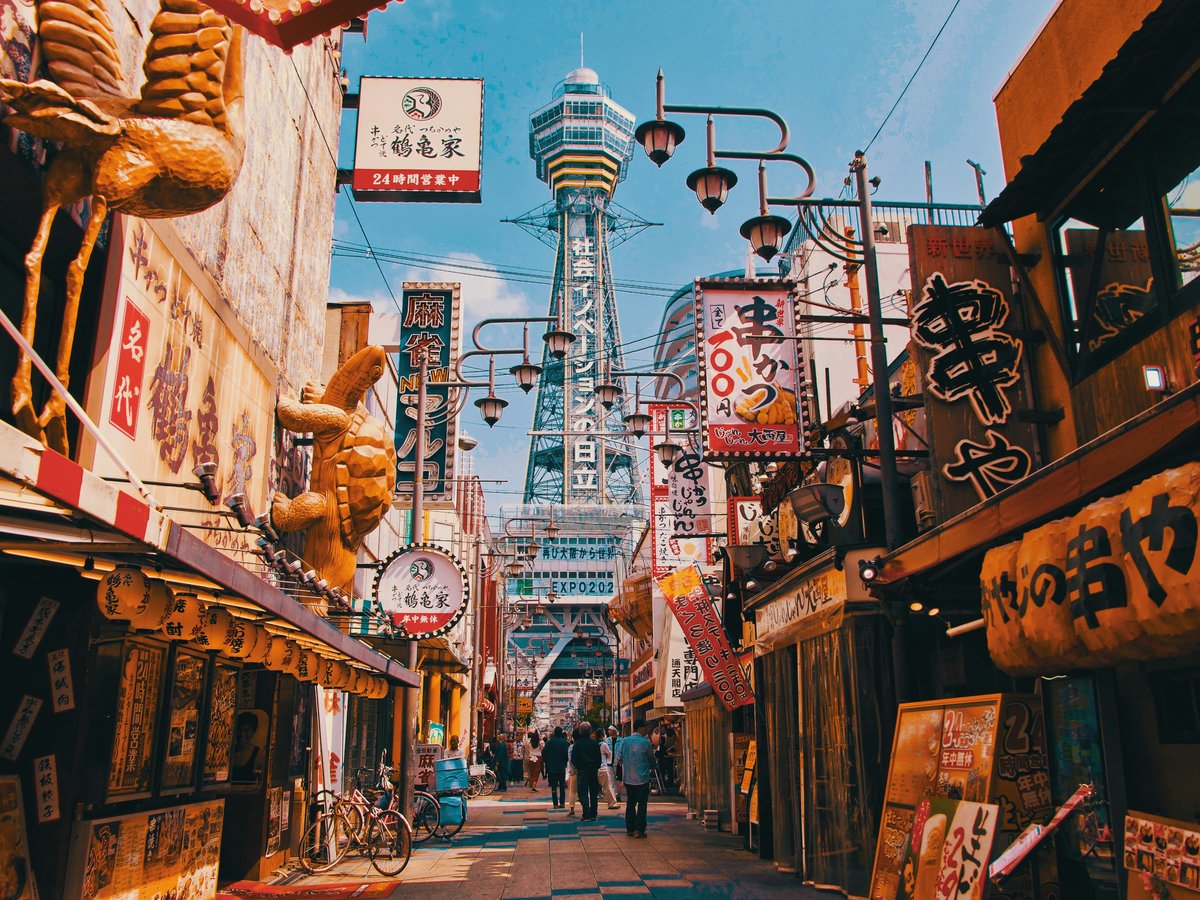
The Osaka Metro does the heavy lifting. Nine lines, but you'll likely ride two: the Midosuji Line running north-south from Shin-Osaka through Umeda, Namba, and down to Tennoji, and the Chuo Line heading east-west out to the bay area near Osaka Aquarium Kaiyukan. Single rides run 180 to 390 yen (~$1.10-$2.45 at current rates) depending on distance. Get an ICOCA card from any ticket machine: 500 yen deposit, then load 2000-3000 yen and you're set for two or three days. It taps on every subway, JR train, bus, and most convenience stores. The Osaka Amazing Pass (currently 2800 yen for one day) sounds like tourist bait, but it includes free entry to Osaka Castle, the 1955-built Tsūtenkaku tower, and around 50 other spots plus unlimited metro rides. If you're hitting three paid attractions in a day, the math works.
Osaka's walkable core is tighter than you might expect. From Namba station, Dotonbori's neon-lit canal is a five-minute walk south: you'll hear the pachinko parlors before you see them, and the smell of takoyaki from the Dotonbori strip is the kind of warm, batter-and-dashi fog that sticks to your clothes. Keep walking north another ten minutes through the covered Shinsaibashi-suji arcade: cool in summer, dry in rain, fluorescent-lit and packed shoulder-to-shoulder on weekends, and you're in Shinsaibashi proper. That whole corridor from Namba through Dotonbori to Shinsaibashi and into Amerikamura is one continuous walk. Umeda, the northern hub, is a separate district. Don't try to walk it from Namba. That's a 40-minute slog along traffic-choked surface streets. Take the Midosuji Line instead, six minutes, 230 yen.
Taxis exist but the economics are steep. Flagfall sits at 680 yen (~$4.25), and a ten-minute ride to a neighboring ward can hit 1500-2000 yen quickly. The GO taxi app works well here: download it before arrival, as the interface has English support and shows the fare estimate upfront. Uber operates in Osaka in a limited way, mostly connecting you to licensed taxi drivers rather than private cars, and coverage tends to be thinner than GO. Mind you, Osaka's last trains run until roughly midnight to 12:30 AM depending on the line. After that, you're either walking or paying taxi rates. Cycling is a local's move that works for visitors too: docked bike-share stations from services like HUBchari sit throughout the central wards, around 150 yen per 30 minutes, and Osaka is flat enough that pedaling from Tennoji to Namba is a pleasant 20-minute ride along quiet back streets.
For day trips, the private railways matter more than JR. Hankyu Line runs from Umeda to Kyoto-Kawaramachi in about 45 minutes for 410 yen: cheaper and more direct than JR for reaching central Kyoto. Kintetsu from Namba reaches Nara in 35 minutes, 680 yen. Nankai Line handles the Kansai Airport connection. If you're holding a Japan Rail Pass, JR covers the same routes, but a pass is overkill for just bouncing between Osaka, Kyoto, and Nara. One trap worth knowing: Google Maps is reliable for transit routing in Osaka but sometimes suggests indirect transfers involving two or three changes when a single Midosuji ride would do. If the route looks convoluted, open the Osaka Metro app or just check the line map posted in every station: the system is simpler than the algorithm makes it appear.
On-the-ground: metro available · ride-hail apps work.
Primary modes of transit
- Osaka Metro
- JR Lines
- Private railways (Hankyu, Kintetsu, Nankai)
- Walking
- Taxi
- Bicycle
Ready to book the connection?
Compare trains, buses & flights to and around Osaka on Omio: live times & prices in one search.
Compare on Omio →More transport questions
How do I get from the airport to Osaka?
Take the Nankai Rapi:t limited express from Kansai International Airport directly to Namba Station; 38 minutes, ¥1,450 (about $9). No transfers needed, signed in English throughout, and it drops you in Osaka's main eating and nightlife district. Trains run roughly every 30 minutes from about 7:30am to 10:20pm.
Full answerHow do I get to Osaka?
Kansai International Airport (KIX), 50 km south of central Osaka on an artificial island, handles nearly all international flights. Direct service runs from major Asian cities plus Los Angeles and San Francisco. From Europe, connect through Helsinki, Istanbul, or Gulf hubs. Many visitors fly into Tokyo and take the shinkansen to Shin-Osaka: 2 hours 22 minutes on the Nozomi.
Full answerWhat are the best day trips from Osaka?
Kyoto is the strongest single-day pick from Osaka (30 minutes on JR Special Rapid, ¥580 each way) with temples by day and Gion's riverside kaiseki for dinner. Nara is the easier half-day. Kobe works best as an evening trip built around teppanyaki beef. Himeji and Mount Kōya need a full day and early departure.
Full answerLast verified by automated review (v1.7.2) on . What is automated review?