12 packing essentials every Osaka visitor brings in 2026
A lightweight, packable rain jacket tops the list: Osaka's weather shifts fast, and you'll get caught between Dotonbori and Namba Station without warning. The tie-breaker is versatility: it doubles as a wind layer for chilly evenings along the Dotomborigawa canal and compresses small enough for a daypack during temple visits.
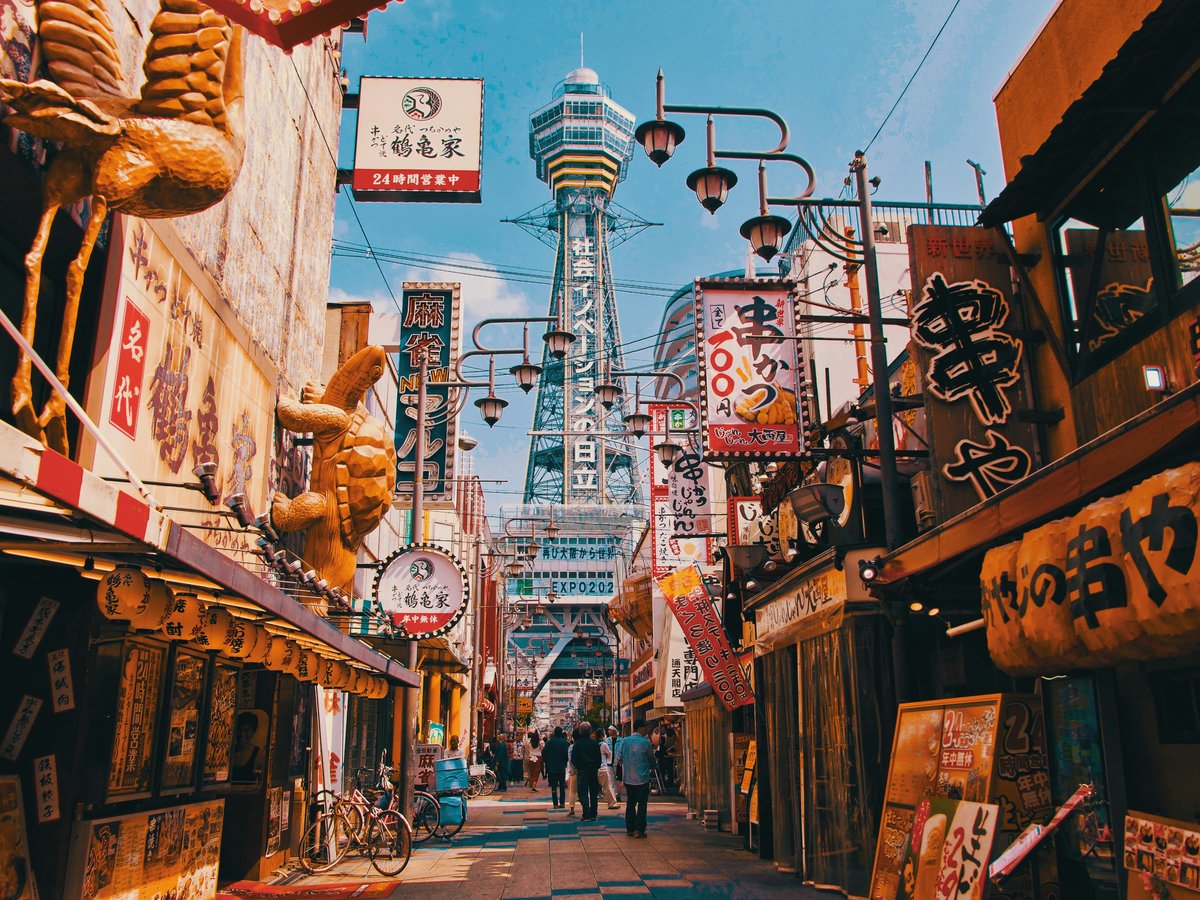
Scoring here weighs three things: how specific the item is to Osaka's conditions, how much you'll regret not having it on day two, and plain cost-effectiveness. A rain jacket ranks above a portable fan because Osaka's rain catches you year-round: the tsuyu season from mid-June through July is the obvious window, but autumn squalls roll through Tennoji and the Osaka Castle grounds without much notice either. The fan, meanwhile, only earns its keep from late May to September, when the humidity around Shinsekai and Tsutenkaku Tower turns the air into something you can almost chew. Worth noting: items that serve double duty scored higher. A quick-dry towel that handles both an unexpected splash at Kuromon Market and a soak at Spa World in Shinsekai beats a single-purpose item every time.
The mistake most visitors make is packing for Tokyo and assuming Osaka works the same way. Osaka runs hotter and stickier in summer: the concrete canyon effect around Namba and Shinsaibashi traps heat in a way that Shibuya doesn't quite match. People also underestimate how much walking they'll do. The Midosuji Line gets you between Umeda and Tennoji efficiently enough, but the best food streets (the yakitori alleys near Tsuruhashi, the takoyaki stands lining Dotonbori) sit between stations, and you'll log fifteen thousand steps on a light day. Cotton socks and stiff new shoes are the number-one regret on travel forums. Another common miss: not bringing enough cash. Osaka's street food culture still runs on coins and bills, especially at the smaller stalls in Kuromon Ichiba and the late-night izakaya around Juso.
That said, the rain jacket as top pick isn't right for everyone. If you're visiting strictly in January or February, Osaka's winters tend to be dry and cold rather than wet: you'd get more value from a proper insulated layer for those biting winds that whip across the platform at Shin-Osaka Station while you're waiting for the Shinkansen. And if you're the type who stays in Umeda's underground shopping arcades and covered shotengai like Tenjinbashisuji (the longest covered shopping street in Japan, stretching over two kilometers) rain might genuinely not touch you. But for the typical visitor bouncing between Osaka-jo Park, the open-air yatai in Shinsekai, and day trips on the Nankai Line down to Kansai Airport or out to Sakai, a packable shell that weighs under two hundred grams is the single most versatile thing in your bag.
The full list
-
Lightweight Packable Rain Jacket
Osaka's weather turns on you mid-afternoon, especially during tsuyu season. The stretch between Dotonbori and Namba Station has zero cover, and this doubles as a wind layer for evening walks along the Dotomborigawa canal.
Shop Lightweight Packable Rain Jacket -
Broken-In Walking Shoes
You'll log 15,000+ steps between Shinsekai's food alleys and Osaka Castle Park on a light day. The Midosuji Line covers the big hops, but the best takoyaki stalls sit between stations: stiff shoes mean blisters by day two.
Shop Broken-In Walking Shoes -
ICOCA IC Card
Works on every Osaka Metro line, the JR Kanjo-sen loop, Nankai trains to KIX, and most konbini. Tap-and-go at Lawson near Tennoji saves fumbling for coins during the morning rush at turnstiles.
Shop ICOCA IC Card -
Portable eSIM
Signal holds well above ground, but drops in the deeper Umeda underground shopping corridors and some Midosuji Line tunnels. Having offline maps cached for the Shinsekai-to-Tsuruhashi walk saves you from dead-zone detours.
Shop Portable eSIM -
Compact Folding Umbrella
Even outside rainy season, Osaka's autumn squalls appear over Tennoji with little warning. A compact umbrella that fits in a jacket pocket keeps you moving between covered shotengai and open-air temple grounds at Shitennoji.
Shop Compact Folding Umbrella -
Universal Power Adapter (Type A)
Japan uses Type A flat-pin outlets: your European or UK charger won't fit sockets at most Namba-area hotels. Grab a compact adapter before you land at Kansai International rather than hunting one down in Shinsaibashi.
Shop Universal Power Adapter (Type A) -
Moisture-Wicking Base Layers
The humidity around Shinsekai and the Osaka Castle moat from May to September is oppressive: cotton sticks to your skin within twenty minutes of leaving your hotel. Synthetic layers make the JR Kanjo-sen loop bearable.
Shop Moisture-Wicking Base Layers -
Portable Power Bank (10,000 mAh)
A full day running between Kuromon Ichiba in the morning, Osaka-jo at midday, and Dotonbori at night drains a phone battery by 4 PM. Train navigation apps and camera use eat charge faster than you'd expect.
Shop Portable Power Bank (10,000 mAh) -
Cash and Coin Purse
Osaka's street food scene: takoyaki stands on Dotonbori, kushikatsu shops in Shinsekai, smaller stalls at Kuromon Market: still runs heavily on cash. Cards are gaining ground in Umeda's department stores, but the best eating spots want coins.
Shop Cash and Coin Purse -
Handheld USB Fan or Cooling Towel
From late May through September, the open-air walks around Tsutenkaku Tower and Tennoji Park feel like standing inside a steam room. A USB rechargeable fan or wet cooling towel is the difference between enjoying Shinsekai and just surviving it.
Shop Handheld USB Fan or Cooling Towel -
Packable Daypack (20L)
Day trips on the Nankai Line to Sakai or the Hankyu Line up to Minoo Falls need a bag light enough to stow in a coin locker at Namba Station. A 20L packable version folds flat for the plane and opens when you need it.
Shop Packable Daypack (20L) -
Quick-Dry Microfiber Towel
Onsen culture is strong in Osaka (Spa World in Shinsekai alone has floors of baths) and many expect you to bring your own small towel. A quick-dry microfiber version wrings out fast and doesn't sour in your bag overnight.
Shop Quick-Dry Microfiber Towel
Last verified by automated review (v1.7.2) on . What is automated review?