Is Osaka family-friendly?
Osaka scores 8.5/10 for family friendliness (see the TTDI Family-Friendliness Index). Universal Studios Japan keeps kids 4+ occupied for a full day, Kaiyukan aquarium holds toddler attention through the whale shark tunnel, and the city's street food solves most picky-eater standoffs. Strollers work on flat Minami sidewalks but metro elevator hunts add 5-10 minutes per transfer.
Universal Studios Japan in Konohana-ku, open since 2001, is the headliner for kids 4 and up. Free entry for under-3s. Ages 4-11 pay ¥5,800, about $36 at 161 yen to the dollar. Super Nintendo World has a 107cm height requirement on Mario Kart, which cuts out most children under 5. Summer standby lines run 60-90 minutes without Express Pass (¥10,400 and up). Kaiyukan aquarium in Tempozan, open since 1990, holds up well for toddlers. The spiral walkway descending past the 5,400-ton Pacific tank keeps 2-year-olds moving forward without complaint. Adults pay ¥2,700, kids 7-15 pay ¥1,400, ages 4-6 pay ¥700. The whole circuit takes 90 minutes. Kids Plaza Osaka near Ogimachi Station wins the under-8 bracket with five floors of hands-on exhibits for ¥1,400 adult and ¥800 child. Nursing room on the 3rd floor, stroller parking at the entrance. The Cup Noodles Museum in Ikeda, 20 minutes north on the Hankyu Takarazuka Line, lets kids design their own cup noodle for ¥500.
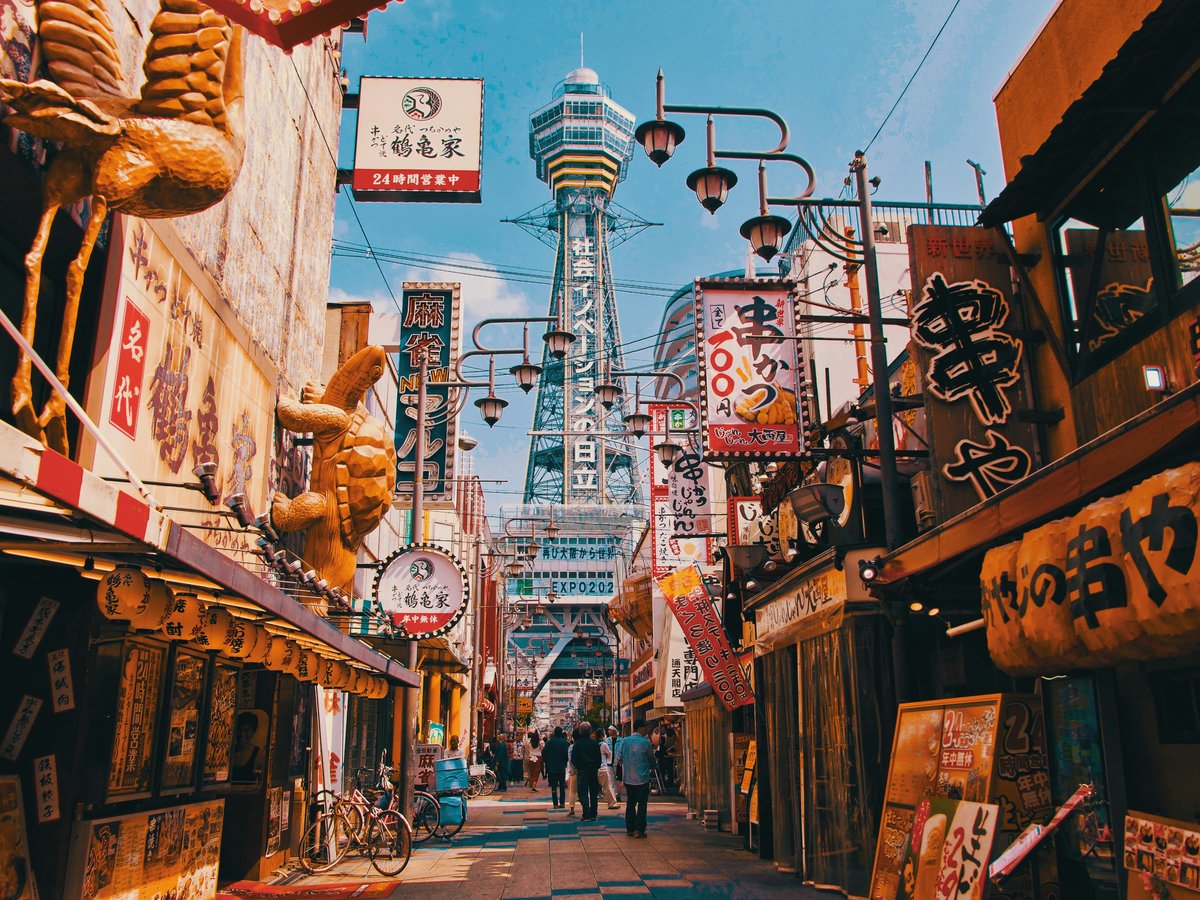
Stroller verdict is qualified. The Midosuji Line and most JR stations have elevators, but signage is inconsistent. Budget an extra 5-10 minutes per transfer to locate the accessible route. Street-level Namba and Shinsaibashi are flat, wide, and manageable with wheels. Shinsekai around Tsūtenkaku gets narrow and packed after 5pm. Fold up or carry. Tennoji Park is the best stroller-friendly green space. Flat paths, shade from mature zelkova trees, and clean restrooms with changing tables near the botanical garden entrance. Department stores pull real weight for parents here. Takashimaya Namba and Daimaru Umeda both have baby rooms with hot water for formula, changing tables, and private nursing booths. Most convenience stores stock Merries-brand diapers in sizes NB through XXL and Kewpie baby food pouches for ¥150-300.
Osaka has been called Japan's kitchen, and for families that reputation delivers. Takoyaki from a Dotonbori street stall runs ¥500-600 for 8 pieces. They come off the griddle at roughly 90°C inside, so give them 3-4 minutes before handing one to a child. The crispy batter shell and mild octopus filling tend to work for kids 5 and up. For pickier eaters, kaitenzushi conveyor-belt spots serve tamago egg sushi and corn-mayo rolls at ¥150-200 per plate. Kura Sushi on Sennichimae-dori has touch-panel ordering that removes the language barrier and a capsule-toy prize game every 5 plates that keeps kids seated longer than you'd expect. Plain udon runs ¥300-500 at most neighborhood shops. One thing allergy-conscious parents need to know. Dashi fish stock is in nearly everything in Osaka, including dishes that look vegetarian. The phrase 'dashi nashi dekimasu ka' (can you make it without dashi) works at most sit-down restaurants.
A workable family day splits into two halves. Morning at Kaiyukan when doors open at 10am. Arrive by 9:45 for short entry lines. Lunch at the Tempozan Marketplace food court next door, where kids can point at wax food models in display cases to order without speaking Japanese. Back to the hotel for nap time if you're based in Namba, 15 minutes by Chuo Line. Late afternoon through Dotonbori when the neon starts firing up around 5pm and the warm smell of okonomiyaki drifts from the griddle restaurants lining the canal. The Glico Running Man sign at Ebisu Bridge is a free 30-second photo stop. Skip the Tempozan Ferris Wheel with kids under 4. The transparent gondolas trigger more fear than wonder at that age, and the 17-minute circuit has no early exit. Tsūtenkaku, rebuilt in 1955, lacks air conditioning on its observation deck. At the current 30.7°C and 74% humidity, that platform gets uncomfortable within 15 minutes.
Stroller-friendly streets and tourist sites.
Kid-friendly attractions
- Universal Studios Japan
- Osaka Aquarium Kaiyukan
- Kids Plaza Osaka
- Cup Noodles Museum Osaka Ikeda
- Tennoji Zoo
- Tennoji Park
- Expo '70 Commemorative Park
- Tempozan Marketplace
- Tsūtenkaku
Child safety notes
Osaka is low-crime. Drivers stop for pedestrians at crosswalks. The main risk is heat. July and August temperatures reach 35°C with humidity above 70%, and heatstroke sends children to hospitals each summer. Carry cooling towels, enforce water breaks every 30 minutes, and schedule indoor activities between noon and 3pm. Escalators in Osaka stations move fast. Hold hands with children under 5.
Last verified by automated review (v1.7.2) on . What is automated review?