The 8 best travel-insurance options for Osaka in 2026
World Nomads currently leads for Osaka visitors thanks to its 24-hour Japanese-language claims line and no exclusion for cycling injuries: a real concern if you're renting a mamachari to explore Nakanoshima. The tie-breaker: their medical evacuation ceiling sits at ¥50 million, which matters when helicopter transfers from rural Kansai hospitals tend to run steep.
Japan's national health insurance system doesn't cover foreign visitors, and a single night at a hospital near Tennoji or along the Midosuji Line corridor can run ¥30,000–¥80,000 before treatment even starts. That price context shaped our scoring. We weighted claim-response time heaviest: a provider that takes 72 hours to authorize treatment while you're stuck in a ward near Namba is functionally useless. Policy exclusions came second, particularly around cycling injuries and food-related incidents, both of which are surprisingly common in Osaka. Per-day price mattered, but less than you'd think; the difference between providers is often just ¥200–400 daily. We deducted hard for low medical ceilings and restrictive pre-existing-condition clauses.
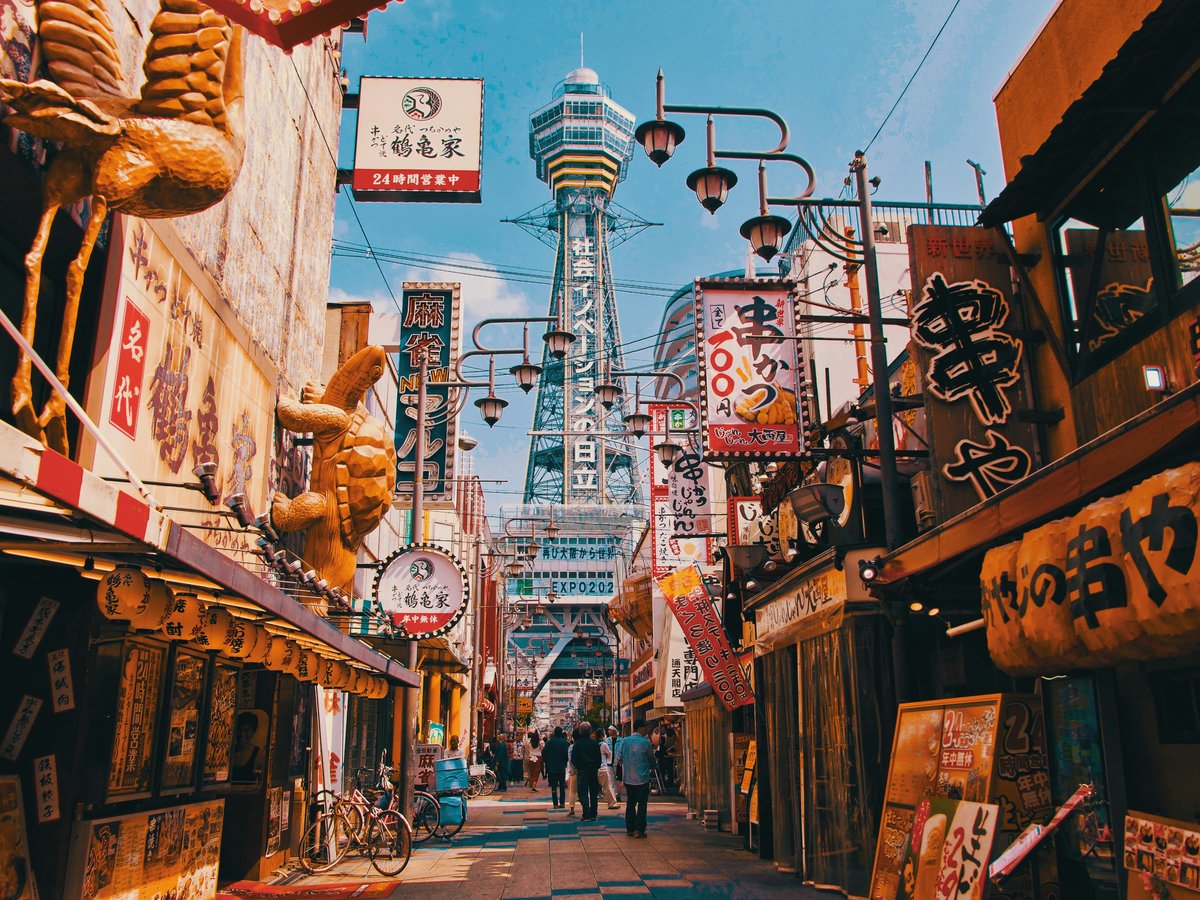
The mistake most visitors make is buying the cheapest plan and assuming all of Osaka's scenarios are covered. They're not. Cycling is a grey area on many policies, and you will likely rent a bike at some point, whether it's a mamachari from a rack outside Shin-Osaka Station or an e-bike to ride along the Yodo River path toward Hirakata. Food allergies are another gap. Dotonbori's street food stalls and the kushikatsu joints in Shinsekai rarely have English ingredient lists, and an anaphylactic response needs immediate ER coverage without a pre-authorization delay. Mind you, some plans exclude 'self-inflicted dietary choices,' which is a clause worth reading carefully.
World Nomads is not the right call for everyone. If you're staying longer than 90 days: say, on a digital nomad setup working from a co-working space in Amerikamura or Nakanoshima: SafetyWing's monthly rolling structure tends to work out cheaper and doesn't penalize you for extending. Travelers with serious pre-existing conditions should look at Allianz or AIG Travel Guard instead; World Nomads' pre-existing-condition exclusions are broader than average. And if you're flying into Kansai International Airport on a tight budget and plan to stay mostly in hostels around Shinsekai, a basic plan from Tin Leg might honestly be enough.
One thing worth checking: does your policy cover delays and cancellations on domestic transit? The Nankai Rapi:t from KIX to Namba and the JR Haruka to Shin-Osaka are generally reliable, but typhoon season from June through October can ground flights at both Kansai International and Itami airports for days. That's not hypothetical: it happens most years. A policy that reimburses accommodation and rebooking during weather delays saves real money. The Osaka Metro's Midosuji Line rarely stops, but the airport connections are the vulnerable link.
The full list
-
World Nomads
Their 24-hour Japanese-language claims line and no cycling exclusion make them the strongest pick for Osaka. Coverage extends to food-related ER visits (relevant given Dotonbori's street food scene) and their ¥50 million evacuation ceiling handles transfers from smaller Kansai-region hospitals to Osaka's major trauma centers.
Visit World Nomads -
SafetyWing Nomad Insurance
Best value for stays beyond 30 days, which suits remote workers based in co-working spaces around Nakanoshima or the cafes off Amerikamura. Monthly billing with no lock-in, and their per-day rate currently sits lower than most annual policies prorated. Covers cycling along the Yodo River path.
-
Allianz Travel Insurance
Strongest pre-existing-condition coverage here, with a waiver available at purchase. Their assistance desk at KIX Terminal 1 arrivals means you can sort claims paperwork before reaching the Nankai Line platform. Medical limits at ¥30 million cover most scenarios at Osaka hospitals.
-
Tokio Marine HCC
A Japanese insurer with direct billing agreements at major Osaka hospitals along the Midosuji Line corridor near Tennoji. Zero translation friction on claims: a genuine edge when you're dealing with Japanese-only ward staff. Trade-off: adventure-activity exclusions are tighter, so cycling coverage requires an add-on.
-
AIG Travel Guard
Solid all-rounder with strong trip-cancellation terms: particularly useful if you're booking non-refundable ryokan stays or Shinkansen tickets from Shin-Osaka. Medical limits reach ¥25 million, and the claims app works offline, which helps underground on the Midosuji Line between Umeda and Namba.
-
Heymondo
App-first provider with a built-in medical chat connecting you to English-speaking doctors. Useful when you're navigating a late-night stomach issue after eating your way through Shinsekai's kushikatsu alley and aren't sure if it warrants an ER visit. Competitive per-day pricing for short stays.
-
IMG Global
Designed for longer international stays with flexible deductible tiers. Higher-deductible plans bring per-day costs below ¥300, appealing if you're spending months in Osaka. Medical network includes hospitals near Umeda and Namba. Slower claims processing (typically 15–20 business days) is the main drawback.
-
Faye Travel Insurance
Newer provider with real-time flight-delay tracking: handy for monitoring typhoon disruptions at Kansai International. Clean app, fast signup. The Osaka-specific gap: no direct hospital billing, so you pay upfront at clinics near Shinsaibashi and file for reimbursement after. Fine if you have cash flow to float it.
Last verified by automated review (v1.7.2) on . What is automated review?