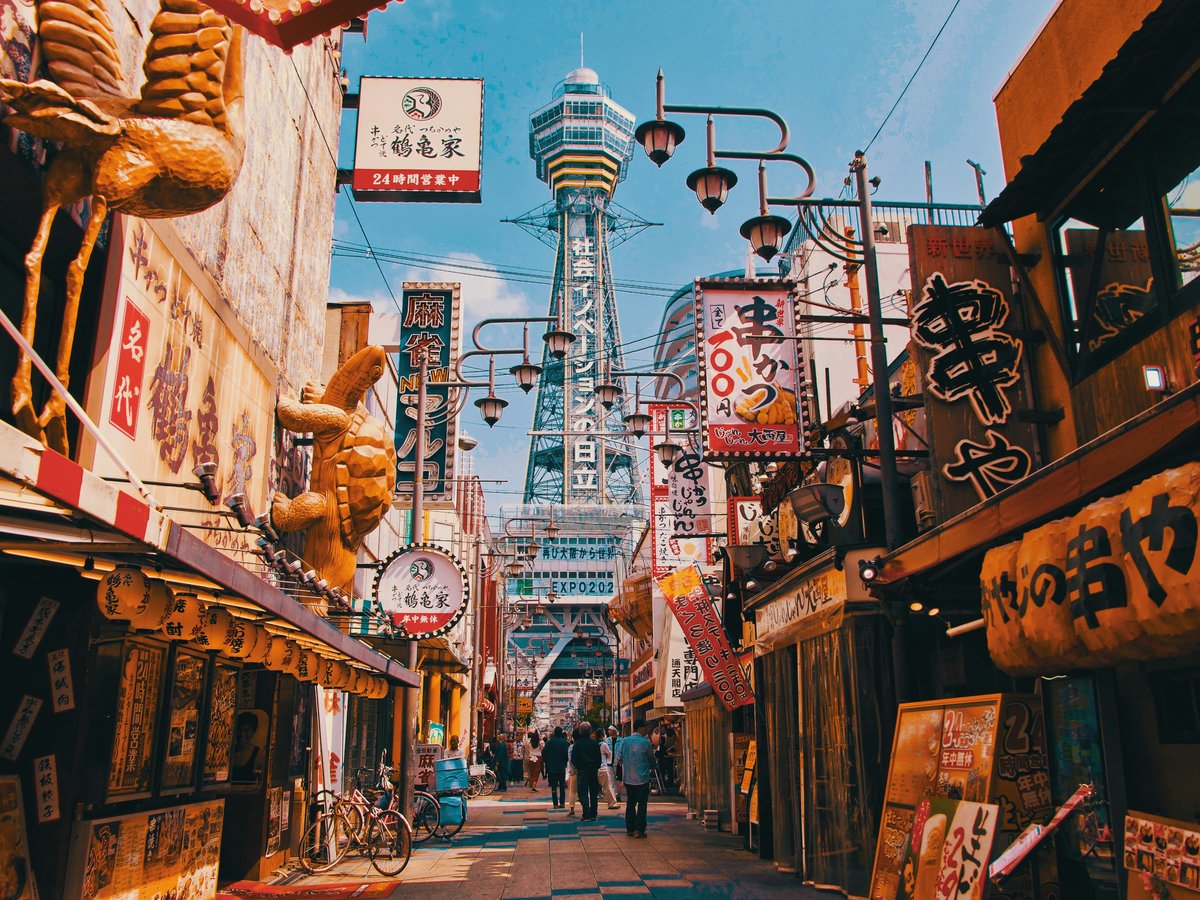
Osaka's museums reward the visitor who reads the map before the brochure. This list covers a municipal art museum dating from 1936 that holds the status of a Registered Tangible Cultural Property of Japan, a World War II history museum, a museum that also serves as a research institute, and a building by Tarō Okamoto that dates from 1970. Some sit in the city proper, while others take you out to the 565-8511 postal area, to Kanan, and across to Nara. This is a list for people who would rather spend an hour with one good object than a day in queues, and who will build a full day around a single destination when that destination is worth it. Check the hours before you leave the hotel: the National Museum of Ethnology closes on Wednesdays, the Osaka Museum of History keeps no Tuesday hours, and the Osaka City Museum of Fine Arts was listed as closed for renovation from 2022 Sep 26 to 2025 Feb 28. Choose two or three and give each one a proper visit, not a sprint.
-
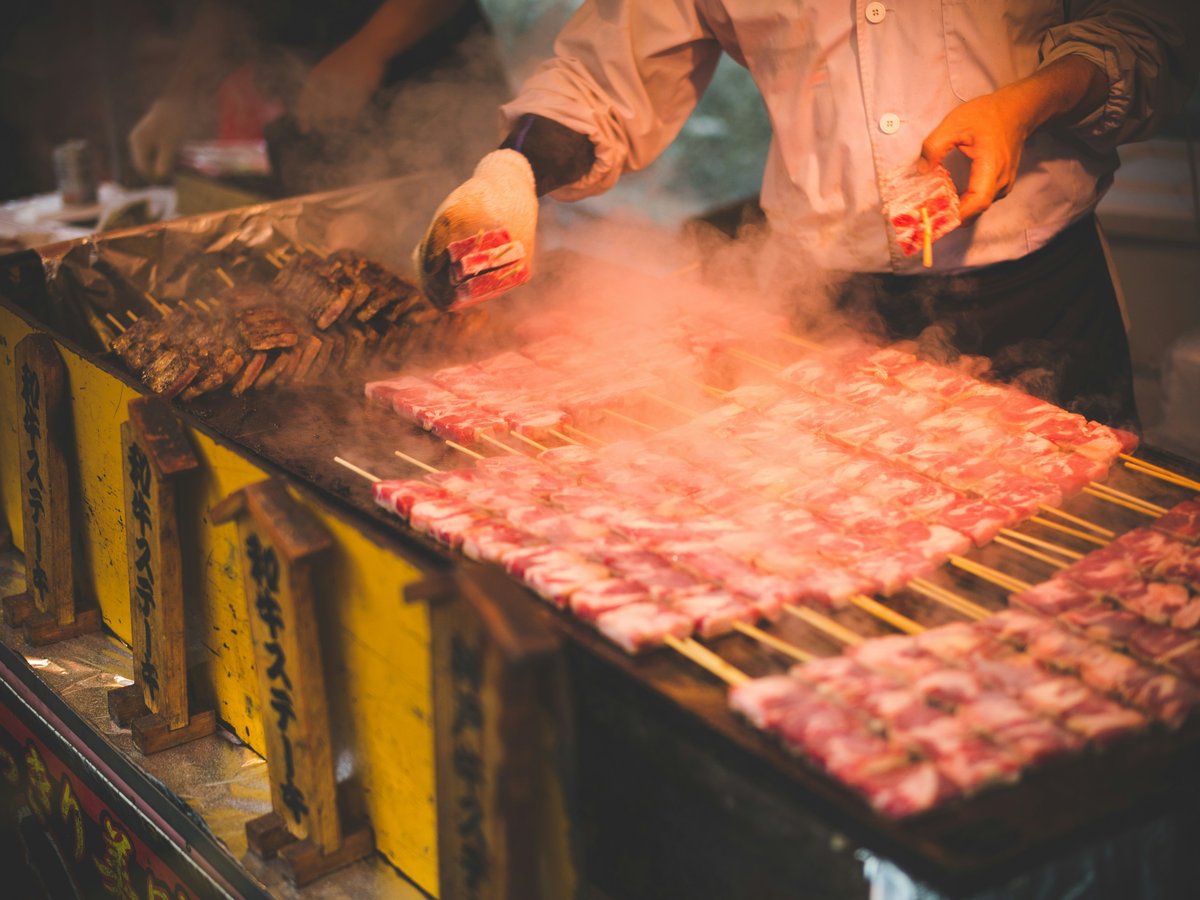
1 Museum of Oriental Ceramics, Osaka
An art museum built around ceramics, dating from 1982
Ceramics are the whole reason to come to the Museum of Oriental Ceramics, Osaka, an art museum dating from 1982. We'd skip the big survey museums that try to cover everything at once: a museum built around one material lets you look harder and stay longer, and one bowl can hold your attention for as long as you let it. Come with patience, not a checklist. Before you set out, the museum's own site at moco.or.jp is the place to see what is on display. If you distrust glossy new institutions, you will like that this one has been going since 1982. It is best taken slowly, in a morning with nothing booked afterwards.
Dates from 1982
-
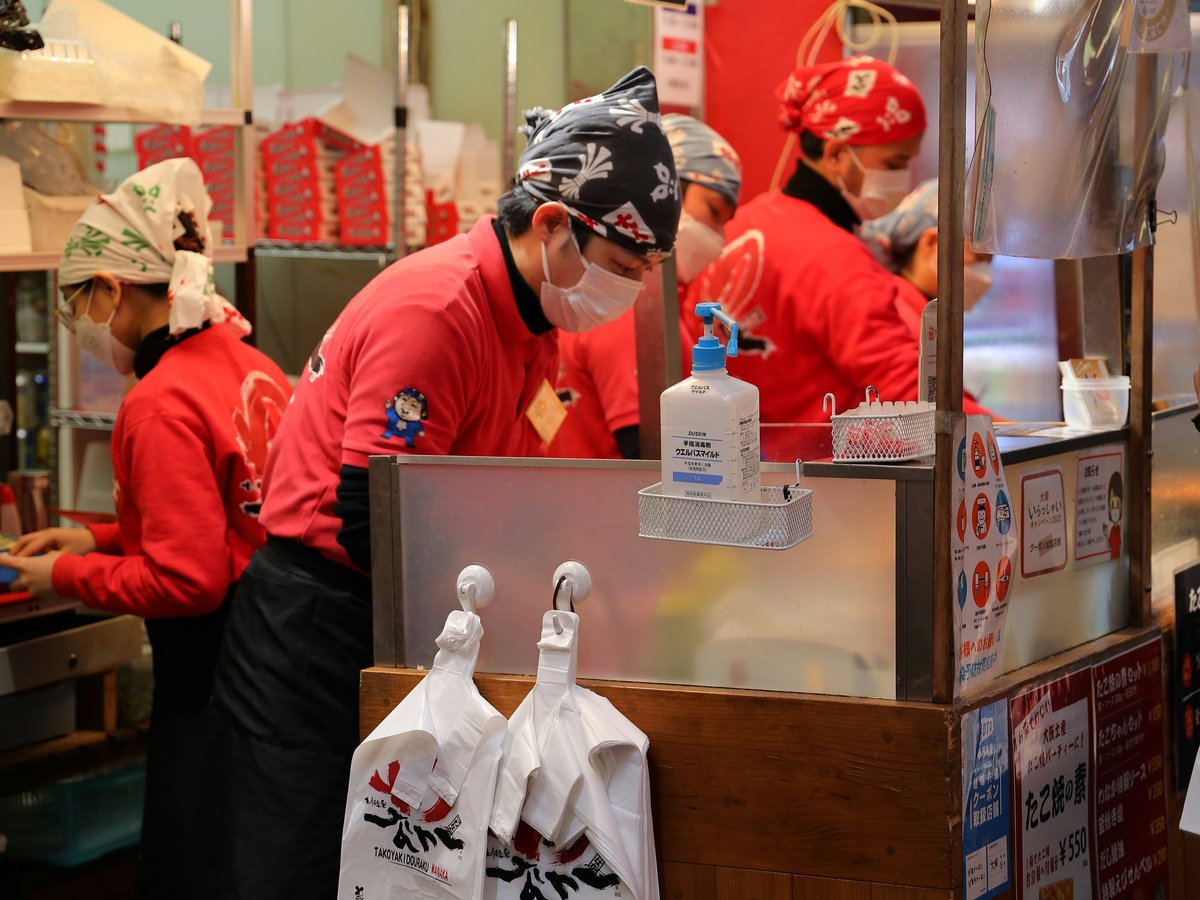
2 National Museum of Art, Osaka
Evening opening to 19:00 from Tuesday to Friday
The National Museum of Art, Osaka stays open until 19:00 Tuesday to Friday, later than most visitors expect, while Saturday and Sunday the hours are 10:00 to 17:00. Come after the working day and the galleries are yours at the pace they deserve, without the midday crowd pressing you through. The institution dates from 1977, and nmao.go.jp is where to check what's showing before you go. Plan dinner after, not before. An art museum at the end of the day, with no clock pushing you, is one of the better ways to spend an Osaka evening.
Dates from 1977
-
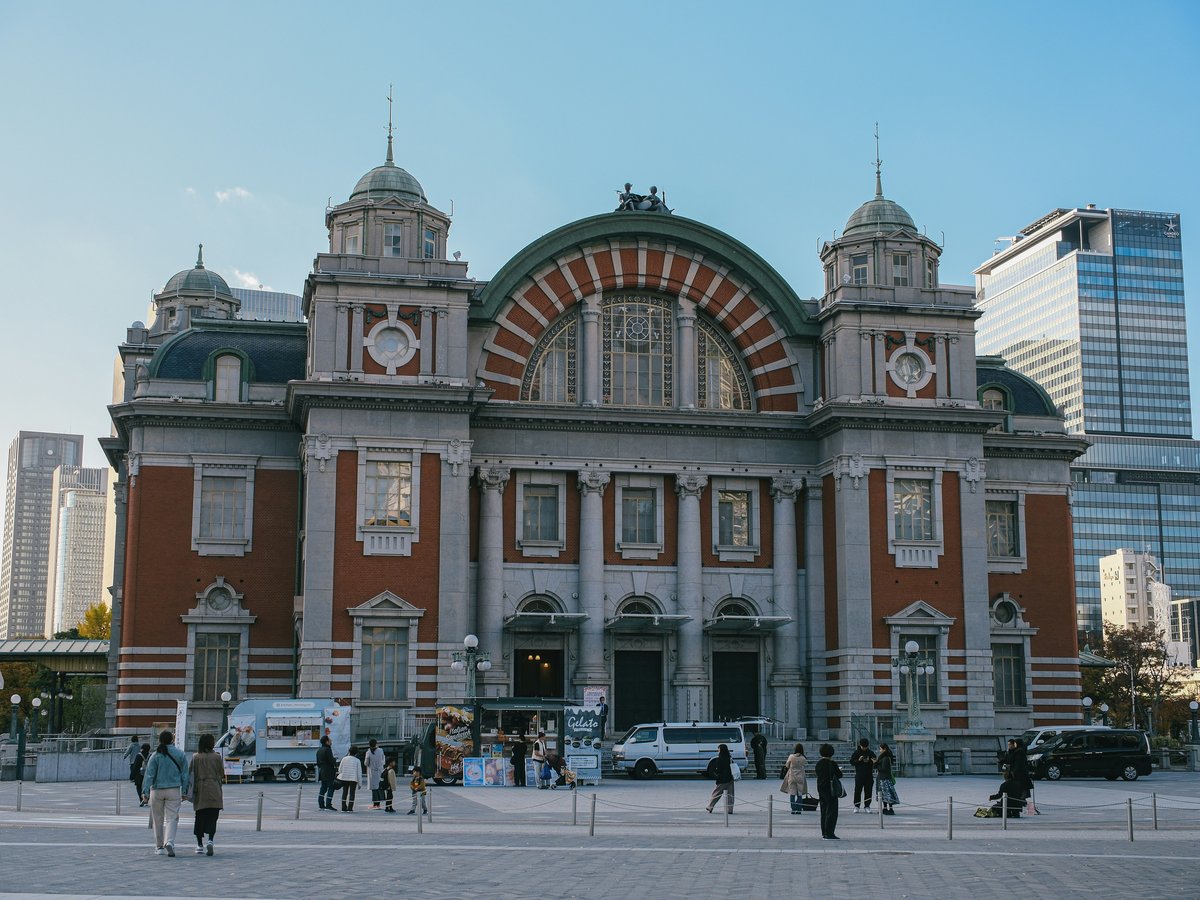
3 Osaka City Museum of Fine Arts
〒543-0063 大阪府大阪市天王寺区茶臼山町1-82A municipal museum dating from 1936 that is a Registered Tangible Cultural Property of Japan
The Osaka City Museum of Fine Arts, at 茶臼山町1-82 in the 543-0063 postal area, is a municipal museum of Osaka City dating from 1936 with the status of a Registered Tangible Cultural Property of Japan. Hours are Tuesday to Sunday, 09:30 to 17:00, though the listing records a closure for renovation from 2022 Sep 26 to 2025 Feb 28, so check osaka-art-museum.jp before you travel. Don't squeeze this into a gap between other plans. The building's heritage standing is part of what you came to see, and a museum with this much history deserves a whole morning.
Dates from 1936 · Registered Tangible Cultural Property of Japan
-
4 National Museum of Ethnology
〒565-8511 大阪府吹田市千里万博公園10-1A museum that is also a research institute, dating from 1974
Wednesday is the one day to avoid at the National Museum of Ethnology: it is closed then, and again from Dec 28 to Jan 04. Every other day, Thursday to Tuesday, it opens 10:00 to 17:00 at 千里万博公園10-1 in the 565-8511 postal area. It is both a museum and a research institute, dating from 1974. Don't treat it as a quick stop tacked onto something else. Give it most of an afternoon, wear comfortable shoes, and expect to leave with more questions than you arrived with. Arrive soon after 10:00, when you still have the energy to read as well as look.
Dates from 1974
-
5 Osaka Museum of History
大阪府大阪市中央区大手前4-1-32A museum that takes Osaka itself as its subject, dating from 2001
History is the subject and the city is the story at the Osaka Museum of History, at 大阪市中央区大手前4-1-32, which opened in 2001. Hours run Wednesday to Monday, 09:30 to 17:00, which makes Tuesday the day to be somewhere else. Locals prefer to start a trip here rather than end one: an hour with the city's past changes how the streets read when you walk them afterwards. Come in the morning, take your time, and save the shopping districts for the afternoon, when the context you picked up here will make them more than a backdrop for photographs.
Dates from 2001
Hours: We-Mo 09:30-17:00
-
6 Osaka Science Museum
A science museum open Tuesday to Sunday, 09:30 to 17:00
The Osaka Science Museum opens at 09:30, Tuesday to Sunday, and closes at 17:00; it dates from 1989. We'd resist writing it off as somewhere for children. Adults who left science behind at school can find a well-made science museum surprisingly absorbing, and a quiet weekday visit is the best way to find out whether this one is. Go early, while you still have the stamina to read the labels rather than skim them, and check sci-museum.jp before you go to see what is on.
Dates from 1989
Hours: Tu-Su 09:30-17:00
-
7 Tower of the Sun
A building by Tarō Okamoto from 1970, now a Registered Tangible Cultural Property of Japan
A building by Tarō Okamoto, the Tower of the Sun dates from 1970 and is now a Registered Tangible Cultural Property of Japan. It earns a place on a museum list because the structure is the exhibit: you come for the object itself. The official site at taiyounotou-expo70.jp is the place to check how to see it before you go. Do not take the quick snapshot from a distance and walk away; walk all the way around it, slowly, because an object from 1970 this strange deserves more than one angle. Bring a wide lens, or better, stand there and look.
Dates from 1970 · Registered Tangible Cultural Property of Japan
-
8 CupNoodles Museum Osaka Ikeda
A science museum about an everyday food, dating from 1999
Out in Ikeda, the CupNoodles Museum Osaka Ikeda is classed as a science museum, and that is the right frame to bring with you. It dates from 1999. The case for the address is built into the name: this is the Osaka Ikeda museum, and its subject is a food most visitors have eaten without a second thought. Come for fine art or a quiet gallery and you will leave disappointed; come to see an everyday product treated as a question of science and design and you will not. Allow a relaxed half-day, and treat the 1999 institution as an outing in itself, not as a detour.
Dates from 1999
-
9 Osaka Prefectural Chikatsu Asuka Museum
大阪府南河内郡河南町大字東山299A prefectural museum in Kanan, dating from 1994
In Kanan, at 大字東山299, the Osaka Prefectural Chikatsu Asuka Museum is a place that asks you to make a proper journey of it. It dates from 1994, and as the name says, it is a prefectural museum. The locals swear by giving a long trip a single destination, and this one pays you back for doing that. Don't try to fold it into an afternoon spent in the city centre. Leave in the morning, check the official site at chikatsu-asuka.jp before you go, and keep the rest of the day open for whatever the journey turns up.
Dates from 1994
-
10 Fujita Art Museum
〒534-0026 大阪府大阪市都島区網島町10-32An art museum at 網島町10-32 in the 534-0026 postal area
Write down 534-0026 and 10-32 before you set out: the Fujita Art Museum is at 網島町10-32 in that postal area. It is an art museum, and its own site at fujita-museum.or.jp has the current details before you travel. Give the blockbuster-exhibition circuit a miss for one morning. A smaller art museum lets you leave with a few works you will remember, not a blur of rooms you raced through. Come with the address written out in full, take your time, and leave space afterwards to sit with what you saw instead of rushing on to the next ticket desk.
-
11 Osaka International Peace Center
大阪府大阪市中央区大阪城2番1号A World War II history museum dating from 1989
The Osaka International Peace Center is a history museum devoted to World War II, and it has been operating since 1989. Its address is 大阪府大阪市中央区大阪城2番1号. Skip it if you want a light afternoon, but give it your full attention if you want to understand how the war is remembered in Japan: come prepared to read, leave your schedule clear afterwards, and let the place do its work. The official site at peace-osaka.or.jp is the right place to check before you visit. This is the most serious hour on this list, and it should be.
Dates from 1989
-
12 Museum Yamato Bunkakan
A museum in Nara dating from 1946, worth a day trip from Osaka
The Museum Yamato Bunkakan is in Nara, not Osaka, and it dates from 1946. It earns the last slot here because some trips out of the city deserve a museum at the end of them. Don't bother if your schedule is already tight: this is a day built around one destination, not a box to tick on the way somewhere else. Check the official English page before you go. A museum running since 1946 deserves an unhurried visit, with a slow lunch afterwards and no train to catch.
Dates from 1946
Last verified by automated review (v1.7.2_fame1017d-1015-1108-20261017182149) on . What is automated review?