Top 10 eSIM providers for Osaka in 2026
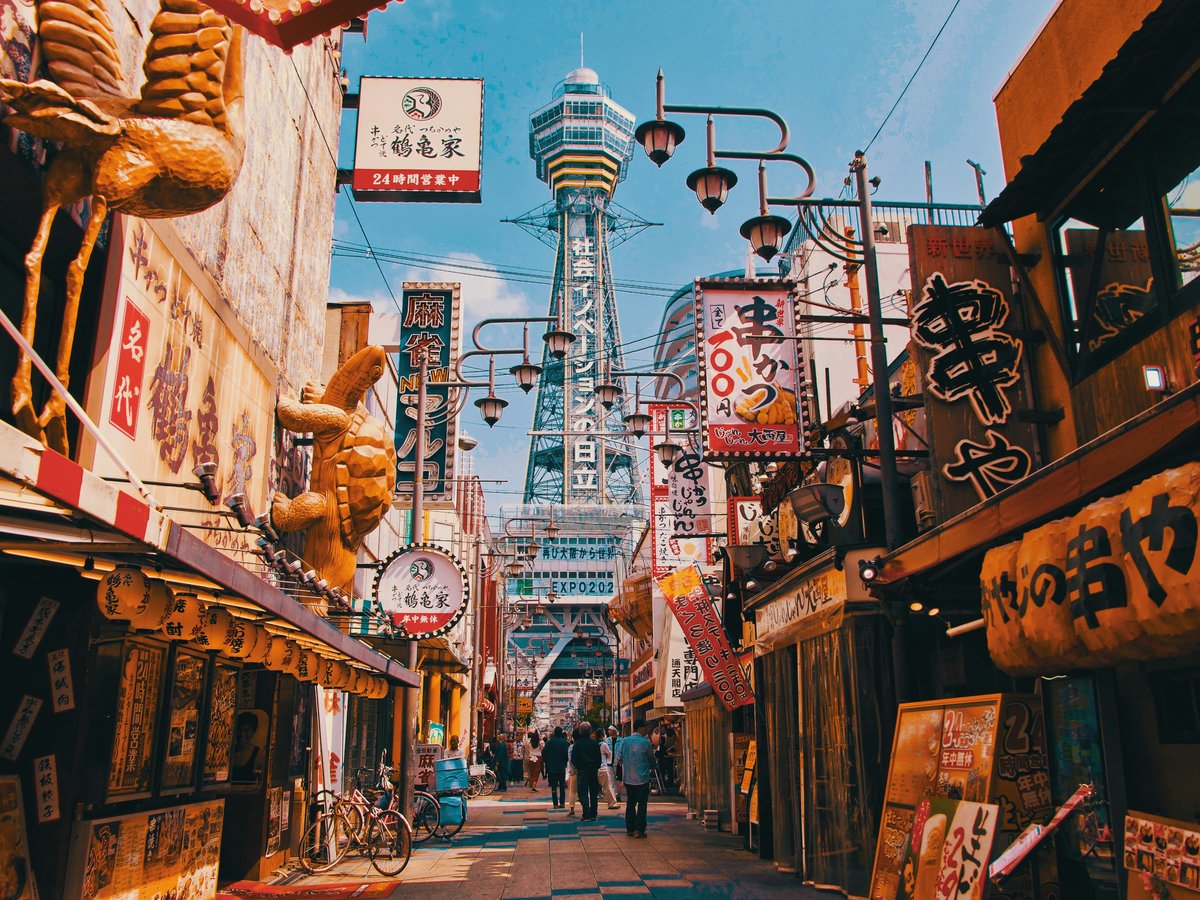
Airalo takes the top spot for Osaka visitors in 2026, edging out Ubigi on per-GB pricing and plan flexibility. Their app lets you buy, install, and activate before you even land at KIX, and their Japan plans ride NTT Docomo's network, which means solid coverage from the Midosuji Line platforms up through the backstreets of Shinsekai.
Coverage quality drove these rankings more than anything else. Osaka's geography is deceptive: the city looks flat and modern, but you'll spend a surprising amount of time underground. The Midosuji Line alone runs beneath some of the densest commercial corridors in Japan, from Umeda's sprawling station complex down through Shinsaibashi and into Namba. Providers riding NTT Docomo's infrastructure tend to hold signal through these tunnels better than those on SoftBank or KDDI roaming agreements, though SoftBank has been closing that gap. Per-GB price was the second factor. Most visitors currently burn through 1-2 GB per day between map navigation, translation apps, and the occasional video call home. A plan that seems cheap at 500 MB falls apart fast when you're navigating from Tennoji to Osaka Castle and your data cuts out mid-route. Activation ease rounds out the scoring: a QR-code scan before takeoff beats standing in a counter line every time.
The mistake that catches most Osaka visitors is buying too little data for too many days. Offline maps for Osaka are patchy at best: the backstreets around Tsuruhashi and Nakazakicho, where some of the best Korean barbecue and morning market stalls hide, barely show up on cached maps. You'll be pulling live data constantly. The second mistake is assuming airport pickup equals eSIM. Physical SIM rental counters still crowd the arrivals hall at Kansai International, and the staff will steer you toward pricey daily rental plans with lukewarm data caps. An eSIM activated before your flight touches down at KIX is cheaper every time. Worth noting: some visitors grab whatever their home carrier offers as an international day-pass. These typically run $10-15 per day with throttled speeds, which adds up to more than a dedicated eSIM plan over even a short trip.
Airalo is not the right pick for everyone, though. If you're planning an extended stay beyond two weeks, a Japanese MVNO like IIJmio offers monthly plans at roughly half the per-GB cost, and their native Docomo network integration means marginally better coverage in deep-basement izakayas around Dotonbori. If you want truly unlimited data without watching your usage, Holafly's flat-rate daily pricing removes that anxiety entirely: you'll pay more per day, but you'll never hit a throttle wall while pulling up a live translation of the menu at some counter-seat-only spot in Shinsekai. And if you're arriving on the Nankai Rapi:t express from KIX and want responsive English-language human support, Sakura Mobile's Japan-focused customer service is notably better than Airalo's global team during Japanese business hours.
Current plans for Japan, priced
Prices verified from the partner's live catalog. eSIMs cover the whole country, so every plan below works city-wide.
How much does a 5 GB Japan eSIM cost?A 5 GB Japan travel eSIM costs $10.00 from Airalo, with 7 days of validity. That is the cheapest 5 GB plan in the partner catalog, verified October 20, 2026.
| Plan | Data | Validity | Price | $ / GB | Get this plan |
|---|---|---|---|---|---|
| 1 GB Japan travel eSIM valid for 3 daysBest for a short trip | 1 GB | 3 days | $4.00 | $4.00 | Get plan |
| 3 GB Japan travel eSIM valid for 3 days | 3 GB | 3 days | $7.50 | $2.50 | Get plan |
| 3 GB Japan travel eSIM valid for 7 days | 3 GB | 7 days | $8.00 | $2.67 | Get plan |
| 5 GB Japan travel eSIM valid for 7 days | 5 GB | 7 days | $10.00 | $2.00 | Get plan |
| 5 GB Japan travel eSIM valid for 15 days | 5 GB | 15 days | $10.50 | $2.10 | Get plan |
| 5 GB Japan travel eSIM valid for 30 days | 5 GB | 30 days | $11.00 | $2.20 | Get plan |
| 10 GB Japan travel eSIM valid for 7 days | 10 GB | 7 days | $17.00 | $1.70 | Get plan |
| 10 GB Japan travel eSIM valid for 15 days | 10 GB | 15 days | $17.50 | $1.75 | Get plan |
| 10 GB Japan travel eSIM valid for 30 days | 10 GB | 30 days | $18.00 | $1.80 | Get plan |
| 20 GB Japan travel eSIM valid for 15 daysBest value | 20 GB | 15 days | $24.00 | $1.20 | Get plan |
| 20 GB Japan travel eSIM valid for 30 days | 20 GB | 30 days | $25.00 | $1.25 | Get plan |
| Unlimited GB Japan travel eSIM valid for 3 days | Unlimited | 3 days | $11.50 | – | Get plan |
| Unlimited GB Japan travel eSIM valid for 5 days | Unlimited | 5 days | $17.00 | – | Get plan |
| Unlimited GB Japan travel eSIM valid for 7 days | Unlimited | 7 days | $26.50 | – | Get plan |
| Unlimited GB Japan travel eSIM valid for 10 days | Unlimited | 10 days | $34.50 | – | Get plan |
| Unlimited GB Japan travel eSIM valid for 15 daysBest for heavy data | Unlimited | 15 days | $48.00 | – | Get plan |
| Unlimited GB Japan travel eSIM valid for 30 days | Unlimited | 30 days | $69.00 | – | Get plan |
The full list
-
Airalo
Flexible Japan plans on NTT Docomo's network hold signal through the Midosuji Line tunnels under Umeda and Namba. Per-GB pricing undercuts most competitors, and app-based QR activation means you're connected before clearing customs at KIX.
Visit Airalo -
Ubigi
Orange-backed roaming on Docomo gives reliable coverage across Osaka's underground shopping arcades beneath Shinsaibashi and Umeda. Slightly pricier per GB than Airalo, but instant QR activation and multi-device tethering support make it strong for laptop-heavy travellers.
-
IIJmio Travel eSIM
Native Japanese MVNO on Docomo's full network, so coverage in deep basement izakayas around Dotonbori and packed metro platforms is as good as a local SIM. Monthly plans suit visitors staying in Osaka beyond two weeks.
-
Holafly
Unlimited daily data means no throttle anxiety while navigating Osaka's tight food-stall alleys in Shinsekai or streaming live translation apps at a standing-bar in Tenma. KDDI-based coverage is solid above ground but can thin out in deeper metro stations along the Tanimachi Line.
-
Nomad eSIM
Competitive Japan plans with transparent pricing and no hidden fees. Docomo-based coverage stays reliable from Tennoji through the JR Osaka Loop Line corridor, though the app interface feels less polished than Airalo's.
-
Sakura Mobile
Japan-focused provider with responsive English-language support during JST business hours. Particularly useful if you're arriving via the Nankai Rapi:t from KIX and want a provider that understands Japanese network quirks firsthand.
-
Mobal Japan eSIM
Japan specialist since the flip-phone era. Their tourist plans cover 7-30 days on Docomo with straightforward pricing, no surprise charges surfacing after a week exploring the grounds around Osaka Castle and Nakanoshima.
-
Saily
NordVPN-backed newcomer with aggressive Japan pricing. SoftBank coverage is solid in central Osaka around Namba and Umeda, though some reports suggest weaker signal along the Keihan Line corridor heading toward Kyoto.
-
Maya Mobile
Mid-range Japan plans with decent Docomo coverage. The 10 GB tier hits a sweet spot for a week in Osaka if you're not streaming video, and activation is a simple QR scan you can do before landing at Itami or KIX.
-
aloSIM
Budget pick for short Osaka stays. Per-GB costs are the lowest on this list, but plans cap at modest data amounts: fine for map navigation around Shinsaibashi but tight if you're relying on real-time translation at Kuromon Market stalls.
Last verified by automated review (v1.7.2) on . What is automated review?