Where should I stay in Osaka?
Namba for a first trip: you're walking distance from Dotonbori's food stalls, two subway lines, and the Nankai Airport Express from Kansai. Budget ¥6,000–12,000 per night ($38–75) for a business hotel; ¥20,000–35,000 ($125–220) for something with a proper bath. Umeda if you want polish over personality.
Namba is the right call for a first visit, and it's not close. The Nankai Rapi:t drops you here direct from Kansai Airport in about 38 minutes, no transfers, no dragging luggage through Umeda's underground maze at midnight. Step out of Namba Station and you're three blocks from Dotonbori, where the smell of yakisoba sauce and grilled takoyaki hits you before you see the canal. The Midosuji and Yotsubashi subway lines cross here, which means Tennoji, Umeda, and Shin-Osaka are all single-ride trips. Budget hotels like Dormy Inn Namba or Hotel Monterey Grasmere run ¥8,000–14,000 ($50–88) and tend to include a rooftop onsen: hot water after twelve hours of travel is worth more than a river view. For something quieter, book one street back from Dotonbori toward Nipponbashi. The canal-facing rooms look good in photos but the PA speakers and neon run past 1am.
Shinsaibashi sits ten minutes north of Namba on foot, and the difference is noticeable. The covered Shinsaibashi-suji arcade has the shopping, but the side streets (especially heading west toward Amerikamura) feel more like a neighborhood. You'll find kissaten coffee shops with dark wood interiors and jazz playing low enough to talk over. Hotels here cost a bit more: ¥15,000–30,000 ($94–188) for a mid-range with decent room size by Osaka standards, which means about 18 square meters. Cross-Hotel Osaka and Hotel The Flag are both solid in this range. The trade-off is that Shinsaibashi has no direct airport train: you're either walking south to Namba or transferring at Shin-Imamiya, which adds fifteen minutes and one more platform change with bags.
Umeda and the Kita district work if you're arriving by shinkansen or need the business-hotel density around Osaka and Umeda stations. The area feels more like central Tokyo: department stores, office towers, smooth floors, climate-controlled walkways. It's polished. It's also quiet after 10pm in a way that Minami never is. Rates at the Hilton or Intercontinental run ¥35,000–55,000 ($220–344); Toyoko Inn and similar budget chains cluster near Higashi-Umeda at ¥6,000–9,000 ($38–56). The downside: Dotonbori and the best street food are a 25-minute subway ride south, and if eating your way through Osaka is the point of the trip (and it should be) you'll spend half your evenings commuting back to Namba anyway.
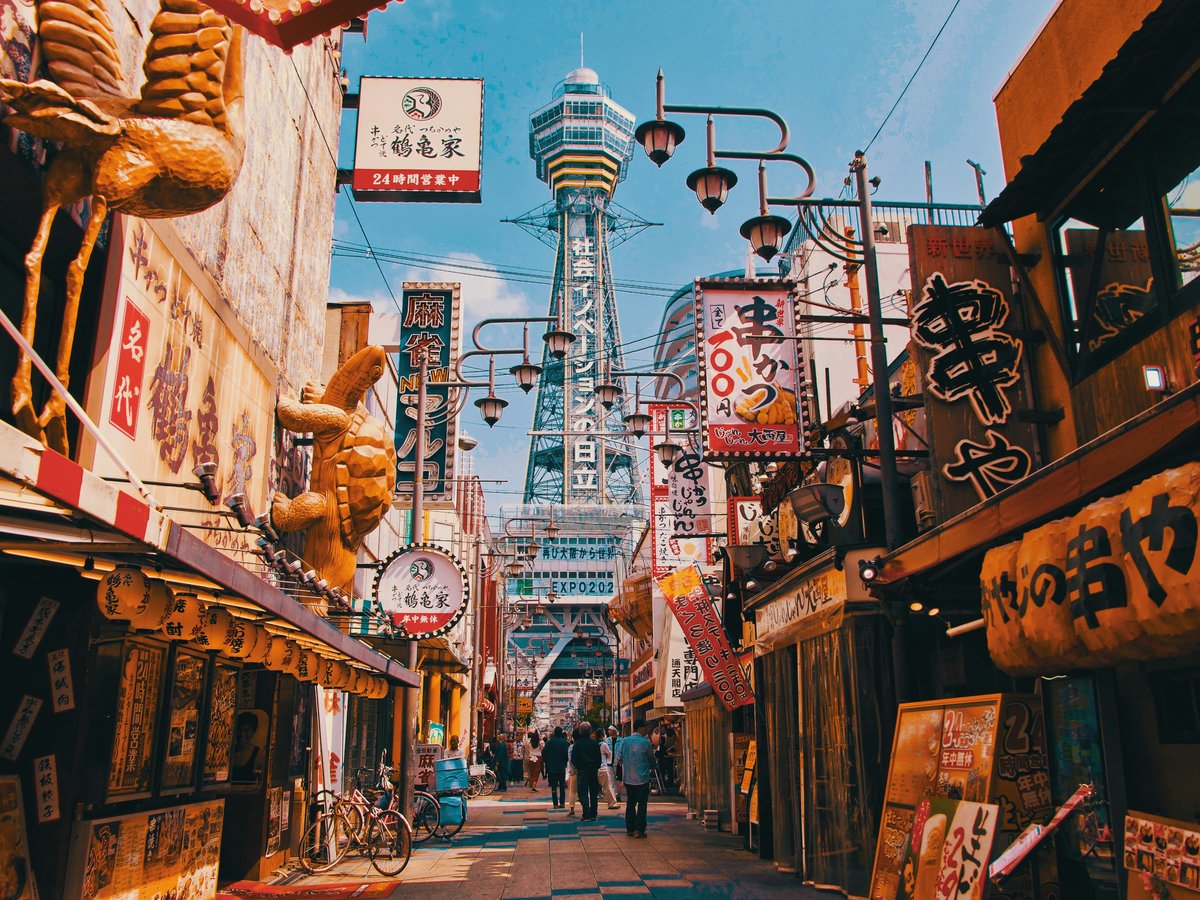
Shinsekai is worth mentioning because you'll see it online and might be tempted. The area around Tsutenkaku tower has its own energy: kushikatsu shops with handwritten signs, the clatter of pachinko parlors leaking onto Jan Jan Yokocho, old men drinking Asahi tallboys at 2pm. That said, it can feel rough after dark, and the hotel options are limited to older business hotels around ¥5,000–7,000 ($31–44). It's a great afternoon visit from Namba (Dobutsuen-mae Station is two stops on the Midosuji line) but I wouldn't base a first trip here. Tennoji, one stop further south, is a better budget base with Abeno Harukas and the surprisingly peaceful Shitennoji temple grounds nearby. Rates run ¥7,000–15,000 ($44–94) with newer properties opening since the 2025 Expo push.
One practical note on timing: Osaka hotels spike hard during Golden Week (late April to early May), Obon (mid-August), and any three-day weekend. Namba business hotels that cost ¥9,000 on a Tuesday will hit ¥18,000 on a Saturday in peak season. Book six to eight weeks out for spring and autumn. If you're visiting in June or early July, you'll hit tsuyu (the rainy season) and humidity sits around 80% with temperatures in the low-to-mid twenties Celsius. The upside: hotels are cheaper and the crowds thin out at Osaka Aquarium Kaiyukan and the main temples. Pack light layers and something waterproof, and you'll have the city more to yourself.
Recommended neighborhoods
Namba / Dotonbori
The first-timer default and the right one. Direct airport train, two subway lines, and Osaka's best street food within a five-minute walk. Loud at night near the canal: book one block back for sleep.
Shinsaibashi / Amerikamura
Ten minutes north of Namba on foot, calmer side streets, better coffee, slightly higher rates. No direct airport link: walk to Namba Station or transfer at Shin-Imamiya.
Umeda / Kita
Business-district polish, easy shinkansen access, good for a short layover between Kyoto and the airport. Quiet after 10pm. Far from the street food: budget 25 minutes by subway to Dotonbori.
Tennoji
Newer hotels at lower rates than Namba, near Abeno Harukas and Shitennoji. A solid budget base with Midosuji line access north to Namba in six minutes.
Skip these areas
- Shin-Osaka station area: Shinkansen hub with chain hotels and nothing else. You'll transfer through here anyway, no reason to sleep here and commute to everything worth seeing.
- Shinsekai (for sleeping): Great for an afternoon of kushikatsu and Tsutenkaku views, but limited and older hotel stock, and the streets feel rough after dark. Visit from Namba instead: it's two subway stops.
Top-rated hotels in Osaka
Highly rated stays you can book on Trip.com. Prices are indicative: tap through for live availability and the current rate.

The OneFive Osaka Shinsekai
from $31/night View deal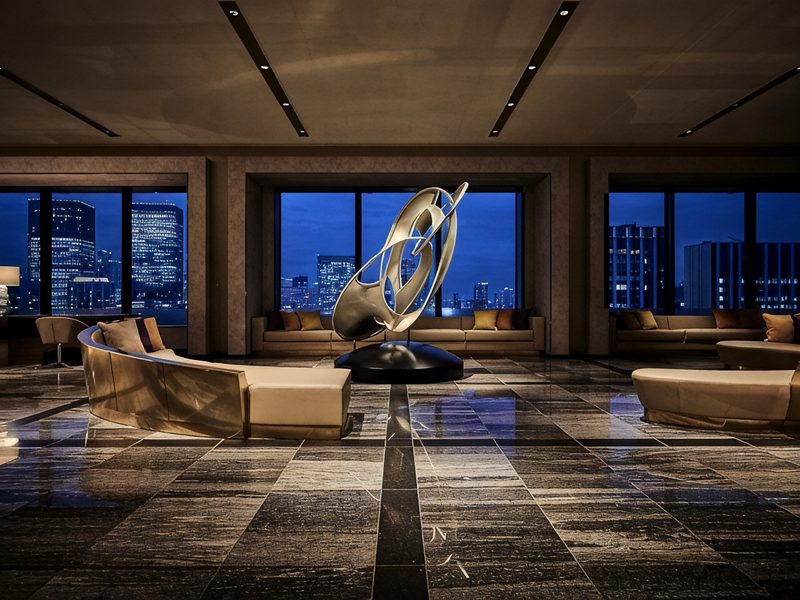
The Royal Park Hotel Iconic Osaka Midosuji
from $136/night View deal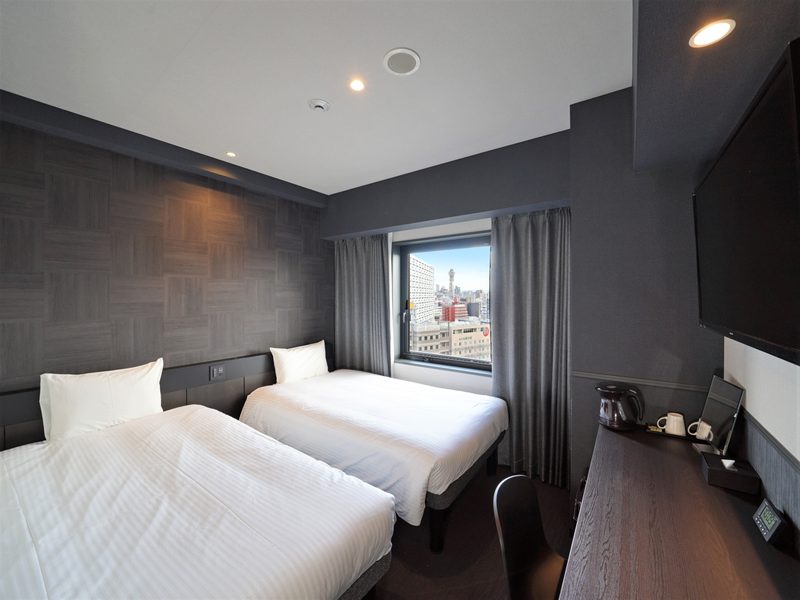
Chisun Standard Osaka Shin-Imamiya
from $39/night View deal
Park Central Sakura Hotel
from $46/night View deal
Onyado Nono Namba Natural Hot Spring
from $135/night View deal
Hotel Arashi Nambaminami No.003
from $38/night View deal
3A HOME (Seitenka)
from $45/night View deal
Hotel Arashi Namba No.001
from $36/night View deal
TTDI earns a commission on bookings made through these links, at no extra cost to you. We never accept payment for placement.
Last verified by automated review (v1.7.2) on . What is automated review?