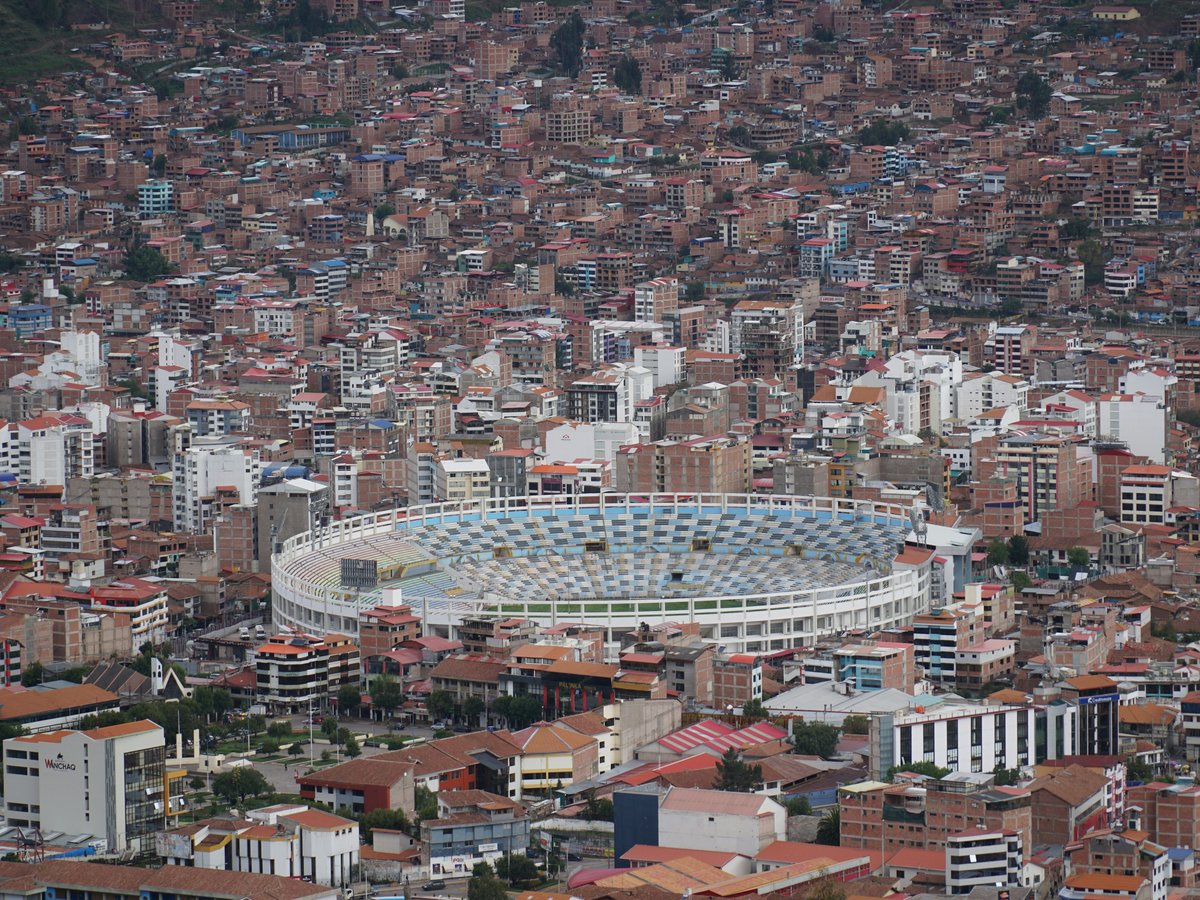
Stay in Cusco in February
91 hotels in the Trip.com pool for Cusco, from US$8 a night.
Opens Trip.com on Fri 5 Feb to Sun 7 Feb 2027; change the dates there.
February sits at the deep end of Cusco's rainy season. Expect afternoon downpours on all but a handful of days, the kind that turn San Blas's cobblestones into small streams and send everyone under the arches around Plaza de Armas. Highs stay mild, but at 3,400 meters (11,150 feet) the thin air makes even a warm afternoon feel cooler than the thermometer reads. The Inca Trail shuts down for the entire month for annual maintenance, and the rail line to Aguas Calientes faces periodic service disruptions.
The month's strongest draw is Carnaval Cusqueño, when the city trades its quiet low season for days of water fights, parades through Centro Histórico, and yunza ceremonies in nearly every neighborhood. Outside Carnival week, February belongs to Cusco's residents. Tour groups thin out, the hillsides from Saqsaywaman to the Sacred Valley turn green, and smaller tour agencies trim their schedules. If you need guaranteed sunshine and full trekking access, wait for May through September. If you want Cusco on local terms and can time your trip for Carnival, February offers the year's lowest hotel rates and a celebration that draws more cusqueños than tourists.
Why visit in February
- Cusco's lowest accommodation and tour prices of the year. February sits in the deep low-season window, well below dry-season rates.
- Carnaval Cusqueño brings parades, water fights, and yunza ceremonies that most international visitors never witness during the dry-season months.
- The Sacred Valley and hillsides around Saqsaywaman are at their greenest, with wildflowers appearing across Inca archaeological sites from Tambomachay to Tipón.
- Minimal crowds at major sites. Coricancha, the Cusco Cathedral, and the Church of the Society of Jesus see a fraction of their dry-season visitor numbers.
Worth knowing
- The classic Inca Trail to Machu Picchu is off-limits for the entire month, removing Cusco's single most popular multi-day trek from your itinerary.
- Near-daily afternoon downpours from roughly 2 PM onward interrupt outdoor plans. Open archaeological sites like Saqsaywaman and Tambomachay become muddy and slippery after rain.
- Landslides on the mountain rail route between Ollantaytambo and Aguas Calientes cause PeruRail and Inca Rail cancellations, sometimes stranding travelers for a full day or more.
Best for
Think twice if
February falls in the heart of Cusco's wet season. Rain falls on 26 of the month's 28 days. Mornings tend to be sunny and pleasant, with clouds building over the valley through late morning and precipitation arriving in the afternoon as heavy downpours that usually clear by evening. Temperatures sit in a narrow, mild band, and the thin air at altitude keeps nights cool enough for a fleece. Humidity reaches its yearly peak in February. The hillsides around the city turn green from the sustained rains, and the landscape looks entirely different from the brown, dry terrain that visitors see from June through September.
Seasonal caution
- Landslide risk on secondary roads throughout the Sacred Valley, particularly the route between Cusco and Quillabamba. Self-driving or shared-taxi routes may be blocked for hours after sustained rainfall.
- UV index regularly exceeds 11 at Cusco's elevation, even under heavy cloud cover. Sunburn at altitude happens significantly faster than at sea level, and February's overcast skies create a false sense of protection.
- Flash flooding risk along the Huatanay River corridor, particularly in the Wanchaq and Santiago districts after sustained afternoon downpours.
Year-round climate
Averages from the last 5 years.
| Month | Avg high (°C) | Avg low (°C) | Rainfall (mm) |
|---|---|---|---|
| Jan | 17 | 8 | 226 |
| Feb | 17 | 8 | 185 |
| Mar | 16 | 8 | 180 |
| Apr | 17 | 7 | 74 |
| May | 17 | 6 | 35 |
| Jun | 18 | 5 | 5 |
| Jul | 19 | 5 | 7 |
| Aug | 19 | 5 | 20 |
| Sep | 19 | 6 | 41 |
| Oct | 19 | 7 | 92 |
| Nov | 19 | 8 | 169 |
| Dec | 18 | 8 | 180 |
Headline events
Carnaval Cusqueño
Varies yearly. The celebration runs for several days before Ash Wednesday, typically falling in mid-to-late February.
Cusco's annual Carnival celebration fills the city with traditional water fights, street parades featuring Andean music and dance, and the yunza tree-cutting ceremony where decorated trees are chopped down while couples dance around them. The festivities run for several days before Ash Wednesday, peaking on the final weekend. Neighborhoods from Centro Histórico to Santiago hold their own celebrations, and participants of all ages drench bystanders with water balloons, buckets, and foam spray.
Best things to do in February
Attend Carnaval Cusqueño
festivalThe city's biggest annual festival fills Centro Histórico and surrounding neighborhoods with parades, traditional Andean music, water fights, and the yunza tree-cutting ceremony. The celebration runs for several days before Ash Wednesday.
Carnival falls in February (occasionally early March). Cusco's version is one of the most traditional in Peru, and it only happens once a year.Booking tipNo booking needed for street celebrations. Reserve restaurant tables for Carnival days at least a week ahead.
Morning photography at Saqsaywaman
photographyThe Inca fortress walls backed by green hillsides, wildflowers, and dramatic cloud formations that build through the morning. February's landscape contrast with the typically brown dry-season hills creates frames unavailable at other times of year.
The rainy season turns the surrounding hills green and produces dramatic cloud formations that peak in February. Dry-season photos of the same site look like a different place.Booking tipArrive by 8 AM for the best light and dry conditions. The boleto turístico general covers entry.
Seasonal fruit tour at Mercado de San Pedro
foodFebruary brings peak-season tuna (prickly pear), capulí (Andean cherry), and chirimoya to the stalls of Cusco's largest market. Vendors peel and slice samples for passersby, and the juice stalls run seasonal blends you will not find in the dry months.
Tuna and capulí reach peak ripeness in February. The fruit selection at San Pedro is at its widest during the rainy season.Booking tipGo before 9 AM for the freshest selection and fewer visitors.
Day trip to Tipón for Inca hydraulic engineering at full flow
day tripTipón's terraces and water channels, about 25 km (16 miles) southeast of Cusco, demonstrate Inca engineering at full capacity when February rains fill the system. Water cascades through stone channels with the volume and precision the builders intended.
Rainy season fills Tipón's channel system to capacity. The dry season reduces many of the channels to trickles, and you miss the point of the site.Booking tipCombine with Pikillacta, 7 km further along the same road. Both are covered by the boleto turístico.
Trek to Huchuy Qosqo as Inca Trail alternative
trekkingThis 1-to-2-day trek to the Inca site of Huchuy Qosqo above the Sacred Valley remains open while the classic trail is unavailable. The route passes through farming communities and offers views of the Chicón glacier and the Urubamba Valley. February means muddy sections but also lush vegetation and very few other trekkers.
The classic trail to Machu Picchu is unavailable in February, making this the primary alternative for visitors who want a multi-day trek to an Inca site.Booking tipBook with a licensed agency at least 3 days ahead. Guides carry satellite phones for weather emergencies on the trail.
Rainy-afternoon cooking class with seasonal Andean ingredients
cookingCusco's cooking schools run classes using ingredients at their February peak, including fresh corn for humitas, seasonal potatoes, and native herbs. The 3-to-4-hour afternoon sessions fit naturally into the daily rhythm when outdoor activities become impractical after lunch.
Fresh corn and seasonal potato varieties peak in February's harvest. Afternoon rain makes indoor activities practical rather than a compromise.Booking tipBook 2 to 3 days ahead during Carnival week. Classes outside that period can often be arranged same-day.
Visit the Church of the Society of Jesus on Plaza de Armas
cultureThe Jesuit church on the southeast corner of Plaza de Armas, dating to 1668, holds an extensive collection of colonial-era paintings and gilded Baroque altarpieces. The interior rewards slow viewing that dry-season crowds rarely allow.
February's low visitor count means you can study individual paintings and carved details in the side chapels without competition. Rainy afternoons make this an ideal wet-weather stop.What to eat in February
In season: fruit
Tuna (prickly pear)
Cusco's cactus fruit peaks from January through March. The sweet, slightly grainy flesh comes in red, orange, and green varieties, each with a different flavor profile.
Capulí
A small Andean stone fruit similar to a dark cherry. Capulí ripens across the highlands around Cusco in February, and street vendors sell them in small bags near the central market.
On menus now
Humitas
Fresh corn tamales wrapped in corn husks, steamed and served sweet or savory. The rainy season corn harvest means the freshest humitas appear from January through March, when the kernels are at their milkiest.
What to drink
Frutillada
Chicha de jora blended with fresh highland strawberries, served cold in large glasses at chicherías. The highland strawberry harvest overlaps with Carnival season, making this a February specialty.
Festival food
Timpu
The traditional Carnival stew of Cusco, made with beef, lamb, pork belly, cabbage, potatoes, and chuño (freeze-dried potato). Families prepare it at home for the days around Carnaval Cusqueño, and some restaurants add it to their menus in the lead-up.
Regular events in February
Jueves de CompadresFree
The Thursday two weeks before Carnival, when male friends in Cusco exchange small gifts and gather for food and drink. Restaurants and picanterías in San Pedro and Santiago host compadres lunches. The atmosphere is festive and largely local.
Thursday, two weeks before Carnival (exact date shifts with the liturgical calendar)Jueves de ComadresFree
The Thursday one week before Carnival, when cusqueña women celebrate friendship with food, music, and small gifts. Widely considered the more spirited of the two pre-Carnival Thursdays, with street celebrations and restaurant gatherings across San Blas and Centro Histórico.
Thursday, one week before Carnival (exact date shifts with the liturgical calendar)Fiesta de la Virgen de la CandelariaFree
February 2 is Candelaria, celebrated across the southern Andes. The main festivities take place 6 hours south in Puno, but Cusco marks the day with smaller observances at churches in Centro Histórico and processions in outlying parishes.
February 2Best places this February
Coricancha
temple and museumFounded in 1201 as the Inca sun temple, the precision stone walls now support the Convento de Santo Domingo. February's low visitor numbers let you study the perfectly fitted stonework and the temple's solar alignment without queuing. One of Cusco's best partly covered sites for a rainy afternoon.
Centro HistóricoCusco Cathedral
church and museumFounded in 1559 on Plaza de Armas. One of the best indoor options on rainy February afternoons. The Cusco School painting collection, including the locally famous Last Supper with guinea pig, spans the colonial Andean period. The carved cedar choir stalls are worth the visit alone.
Centro HistóricoMirador de San Cristóbal
viewpointThe viewpoint above the San Cristóbal neighborhood shows the full sweep of the Cusco Valley. February afternoon storm clouds rolling across the mountains create dramatic, fast-changing panoramas. The walk up from Plaza de Armas takes about 15 minutes and offers views the whole way.
San CristóbalQ'inqu
archaeological siteA small archaeological site near Saqsaywaman, featuring carved stone channels and cave formations. February's green ground cover transforms the setting, and you will likely have the site to yourself. Covered by the boleto turístico.
above Centro HistóricoBarrio de San Blas
neighborhoodThe artisan quarter's workshops are quieter in February than any other month. Ceramicists, weavers, and silver workers have more time to demonstrate techniques and explain their craft. The steep cobblestone lanes need careful footing after rain, but the neighborhood's character shows best when it is not packed with tour groups.
San Blas
Your packing checklist
Tick items off as you pack. Your progress saves in this browser.
All packed — have a great trip.
Insider tips
Plan every outdoor activity before noon. The clear-to-cloudy transition happens around 1 PM on most February days, and once the first drops fall you have maybe 15 minutes before a real downpour starts. Museums and covered markets are natural afternoon alternatives.
Jueves de Comadres, the Thursday before Carnival, tends to feel more genuine than the main Carnival days. Restaurants in San Blas often host comadres lunches that welcome visitors, and the street celebrations are festive without the chaotic water-balloon free-for-all of the main weekend.
The chicherías in Santiago hang red plastic bags or red flowers from their doors to signal fresh chicha de jora is ready. In February, many brew frutillada with highland strawberries. Follow the red flags for the freshest batch.
If you are visiting Machu Picchu from Cusco in February, book the earliest possible train from Ollantaytambo. The rail line runs most reliably in the morning before afternoon rains destabilize the mountain slopes. Afternoon return services face the highest cancellation risk.
Avoid these mistakes
- Booking the Inca Trail for February. The trail is down for restoration the entire month. Refund policies vary by operator, and some non-refundable deposits are lost if travelers learn this too late. Always verify trail status before booking any multi-day Cusco trek in the wet season.
- Leaving electronics unprotected during Carnival water fights. The water-balloon attacks in Centro Histórico do not discriminate between participants and bystanders. Phones, cameras, and passports need waterproof protection from the moment you step outside during Carnival days.
- Stacking outdoor activities back-to-back through the afternoon. The afternoon downpours are near-certain and can last 2 to 3 hours. Travelers who schedule Saqsaywaman at 10 AM and Tambomachay at 3 PM lose the second visit more often than not. Front-load outdoor plans before noon.
- Underestimating altitude effects because the mild, humid weather feels comfortable. Cusco's elevation catches visitors off guard when the cooler February air masks the dehydration that triggers altitude sickness. Drink water aggressively for the first 48 hours and avoid alcohol on arrival day.
Practical tips for February
Book Sacred Valley day tours at least 3 days ahead. Many operators reduce capacity in February because of road conditions and lower demand. The sol trades at roughly 3.38 to 1 USD. ATMs along Avenida El Sol and near Plaza de Armas dispense soles reliably. Coca tea is available at nearly every hotel and restaurant in Cusco and helps with altitude adjustment from your first day. Most restaurants in Centro Histórico keep regular hours through the rainy season, though some smaller spots in San Blas shorten their evening hours. If Carnival falls during your visit, expect shops in the old city to close for 1 to 2 days. PeruRail and Inca Rail post service updates on their websites when landslides affect the Ollantaytambo to Aguas Calientes route. Check before booking your Machu Picchu day trip.
FAQ
Is February a good time to visit Cusco?
It depends on what you want. February is the second-wettest month, the Inca Trail is closed, and outdoor plans need constant flexibility. But it is also among the cheapest months to visit, the hills are green, crowds are minimal, and Carnaval Cusqueño is a genuinely memorable festival if you time it right. For budget-conscious travelers or festival seekers, February works. For trekkers or those who need dry weather, May through September is the better window.
Can I hike the Inca Trail in February?
No. Peru removes the trail from service each February for annual restoration, and no permits are issued. If multi-day trekking matters to you, consider the Lares Trek, the Salkantay Trek, or the route to Huchuy Qosqo, all of which stay open through the wet season. Day trips to Machu Picchu by rail remain possible when the line between Ollantaytambo and Aguas Calientes is operating, though cancellations happen.
What is Carnaval Cusqueño like?
Carnival in Cusco runs for several days before Ash Wednesday, typically in mid-to-late February. The celebration centers on water fights, street parades with traditional Andean music and dance, and the yunza ceremony where a decorated tree is chopped down while couples dance around it. The atmosphere in Centro Histórico and across neighborhoods like Santiago and San Sebastián is festive and participatory. Expect to get wet. Locals use water balloons, buckets, and foam spray on anyone within range.
Is Cusco safe to visit in February?
Cusco scores 6.2 out of 10 for solo-traveler safety (see the TTDI Solo-Safety Index). February-specific risks include slippery cobblestone streets after rain and heightened petty theft during Carnival crowds. Standard precautions apply year-round. Keep valuables in front pockets or a money belt, avoid displaying expensive electronics in crowded areas, and take registered taxis after dark. During Carnival, keep your phone in a waterproof pouch. The area around the bus terminals in Santiago is best avoided at night.
Is Cusco crowded in February?
No. February is one of Cusco's quietest months for international tourism. The exception is Carnival week, when cusqueños fill the streets for the celebration. But even then, the crowds are local residents rather than tour groups. Outside Carnival, the major sites and restaurants in Centro Histórico and San Blas are noticeably less busy than during the dry season from June through August.
Things to Do in Cusco in February
 Free cancellation
 Sacred Valley Full Day Tour
Day trip: 10 hours, free cancellation.
via Viator
4-Day Inca Trail Trek to Machu Picchu & Panoramic Train
Outdoor experience: 4 days.
via Viator Free cancellation
 Excursion to Rainbow Mountain Full Day Optional Red Valley
Outdoor experience: 12 hours, free cancellation.
via Viator
4-Day Short Salkantay Trek to Machu Picchu with Sky Camp Stay
Outdoor experience: 4 days.
via Viator Free cancellation
 Excursión to Humantay Lake Full Day from Cusco
Outdoor experience: 15 hours, free cancellation.
via Viator Free cancellation
 Peruvian Cooking Class Cocktails and Market Tour in Cusco
Cooking class: 4.2 hours, free cancellation.
via ViatorFind a flight to Cusco
Live fares to Cusco appear here once cookies are accepted.
Last verified by automated review (v1.7.2) on . What is automated review?