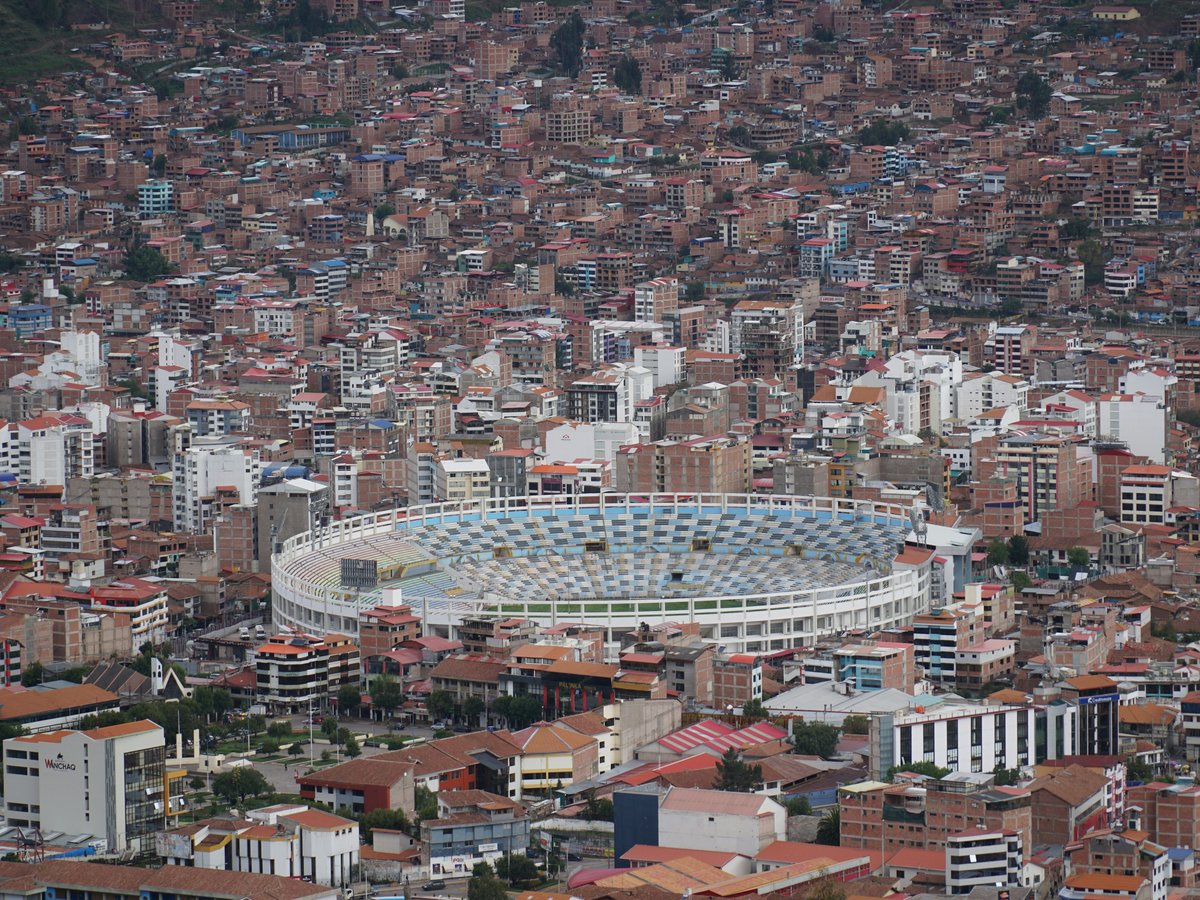
Cusco sits at 3,400 metres above sea level, and that altitude shapes everything about how people drink here. The city's nightlife runs late, peaks on Thursday through Saturday, and clusters within a tight walkable radius around the Plaza de Armas. Locals tend to start the evening with dinner around 9 PM, drift toward bars by 11, and arrive at clubs well past midnight. The crowd is a split of cusqueños, Peruvian tourists from Lima, and international backpackers on the Sacred Valley circuit. Pisco sour is the lingua franca of the bar scene, but chicha de jora, a fermented corn beer with pre-Inca roots, still flows in local spots away from the tourist core. Mind you, the thin air hits harder than you expect. Two drinks at this elevation might feel like four at sea level, and the cold desert nights, currently around 10°C after sundown, push people indoors earlier than in coastal cities. TTDI rates Cusco's solo-traveler safety at 6.2/10 (see the TTDI Solo-Safety Index), which reflects a city that is generally manageable after dark but requires basic street sense.
The Bar Scene in Cusco
The cocktail bar culture in Cusco has grown considerably since 2018, with a handful of proper bars now doing serious work with pisco infusions, Andean botanicals, and local fruits like aguaymanto and tumbo. You'll find these concentrated along the streets radiating from the Plaza de Armas, particularly on the second floors of colonial buildings where the balconies overlook the cathedral square. Expect to pay 18 to 35 soles for a well-made cocktail, which works out to roughly 5 to 10 USD at the current rate of 3.37 PEN per dollar. The dive bar tradition here is less about deliberate grit and more about chicha joints and small cantinas in the San Pedro market area. These places serve chicha de jora from large ceramic jugs, and the clientele tends to be working-class cusqueños rather than travelers. A glass of chicha might cost 3 to 5 soles. The smell of fermented corn hangs in the low-ceilinged rooms, sticky wooden benches line the walls, and somebody is likely watching a football match on a small television. Rooftop bars have multiplied along the streets surrounding the plaza. The appeal is obvious. On a clear night you can see the lit cross on the hillside above Sacsayhuamán, and the temperature differential between the open terrace and the heated interior becomes part of the rhythm of the evening, people stepping inside to warm up, then back out again with a fresh round. Worth noting, most of these rooftop spots close by 1 AM. Wine bars remain rare. Peru's wine region is Ica, 1,000 kilometres to the south, and the local preference leans heavily toward pisco and beer. Cusqueña, brewed locally since 1908, dominates the beer taps. You might find a spot pouring Tacama or Tabernero wines by the glass, but dedicated wine bars haven't taken hold here the way they have in Miraflores or Barranco in Lima.
Clubbing in Cusco
The club scene in Cusco is compact and loud. Most venues occupy the second or third floors of buildings within 2 blocks of the Plaza de Armas, and the genres on any given night cycle between reggaeton, Latin trap, cumbia remixes, and occasional electronic sets. Thursday is the established going-out night for locals, almost as busy as Saturday. Friday tends to skew more international. Dress codes are relaxed by global standards. Trainers are fine. A clean pair of trousers and a decent shirt will get you into anywhere in the city. Nobody is wearing heels on these cobblestone streets. That said, some bouncers will turn away people in flip-flops or visibly intoxicated arrivals, particularly after 1 AM when the crowds compress. Entry norms vary. Several clubs offer free entry before midnight, then charge a cover of 10 to 20 soles after that, often including one drink. Promoters hand out flyers along Procuradores starting around 10 PM with free-entry or open-bar-hour deals. These are legitimate, if the drinks are weak. Open-bar windows typically last 1 hour and feature pisco-based mixes. Peak hours run from 1 AM to 3 AM. The legal closing time is 4 AM, though enforcement seems inconsistent. By 3:30 most places are winding down, and the streets around the plaza fill with people looking for taxis or late-night food. The bass from competing venues bleeds together into a low hum that carries across the stone facades of the plaza, mixing with the shouts of taxi drivers offering rides to San Blas.
Live Music After Dark
Cusco has a genuine live music culture rooted in Andean folk traditions and a newer layer of rock, jazz, and fusion. Peñas, the traditional Peruvian live-music venues, are the best places to hear huayno, the Andean genre built on pentatonic scales, charango, and quena flute. These shows typically start around 9 PM and run 2 to 3 hours. The sound is unmistakable. The charango's metallic ring cuts through conversation, the cajón drummer drives a rhythm that makes people stand, and singers deliver in Quechua with an intensity that translates regardless of language. Friday and Saturday nights are the most reliable for live performance. Some peñas operate Wednesday through Sunday during high season (June to September, aligning with Inti Raymi in June and Fiestas Patrias in July), then scale back to weekends only from November onward. Beyond the folk circuit, a handful of bars along San Blas host rock and blues acts, usually starting around 10 PM. The quality varies. On a good night you'll hear a tight 4-piece playing Peruvian rock (a genre that traces back to the Lima underground of the 1980s) to a room of maybe 60 people. On a quiet Wednesday it might be a solo guitarist playing covers to an audience of 8. The intimacy of the stone-walled rooms, many of them former colonial storerooms, gives even modest acts an acoustic warmth that larger venues cannot match. Cusco also sees occasional larger concerts at Estadio Garcilaso, the 42,000-seat football ground built in 1958, though these are one-off events rather than part of the weekly nightlife calendar.
Nightlife neighborhoods
-
Plaza de Armas and Procuradores
The gravitational centre of Cusco nightlife. Calle Procuradores, sometimes called Gringo Alley, runs a single block and packs in bars, clubs, and promoters shoulder to shoulder. The sound of competing music spills from doorways, neon signs reflect off the polished stone pavement, and the crowd is 70% international travelers between 20 and 35.
- Best for
- First-night orientation, meeting other travelers, bar-hopping without needing a taxi
- Standouts
- Most of the city's established clubs and cocktail bars sit along this strip or within 1 block of it. Promoters with flyers can point you to whichever genre suits.
-
San Blas
The artisan quarter above the plaza, reached by steep cobblestone streets. Quieter, older, more bohemian. Bars here tend toward candlelit spaces in thick-walled colonial houses. The crowd skews toward longer-term travelers, digital nomads, and cusqueños in their 30s and 40s. Expect craft beer, vinyl on the turntable, and conversations you can hear.
- Best for
- A mellower Thursday or Friday night, live acoustic sets, craft beer, couples or small groups who prefer atmosphere over volume
- Standouts
- Several bars along Cuesta San Blas and Tandapata host rotating live acts on weekends.
-
San Pedro Market area
Working-class, local, and largely untouched by tourism after dark. This is where you find chicha joints, small cantinas with televised football, and late-night food stalls serving anticuchos and salchipapas. The fluorescent lighting is harsh, the benches are plastic, and the conversation is in rapid Quechua-inflected Spanish.
- Best for
- Travellers wanting an unfiltered local experience, cheap eats after midnight, chicha de jora in its natural habitat
-
Avenida de la Cultura corridor
The university district stretching southeast from the centre. Bars and clubs here cater to students from Universidad Nacional de San Antonio Abad del Cusco (founded 1692, one of the oldest in the Americas). Cheaper drinks, younger crowds, cumbia and reggaeton at higher volume. Less English spoken.
- Best for
- Budget nights out, meeting Peruvian students, Thursday night when the university crowd goes out in force
Safety after dark
Getting home after dark in Cusco requires a few precautions. Registered taxis do not use meters. Agree on a fare before getting in; a ride within the centro histórico should cost 5 to 8 soles after midnight. Apps like inDrive and DiDi operate in Cusco and show you the driver's plate number in advance, which is safer than flagging a random car. Avoid walking alone through unlit streets above San Blas after 2 AM, where the steep alleys become deserted and poorly lit.
Drink spiking has been reported by travelers in Cusco, particularly in the Procuradores area. Never leave a drink unattended, and be cautious about accepting drinks from strangers. The altitude compounds alcohol's effects, so pace yourself more conservatively than you would at sea level.
Common scams include promoters offering "free" entry that later results in an inflated bill, and taxis quoting 30 to 50 soles for a 5-sol ride when passengers appear intoxicated. The LGBTQ+ friendliness score of 3.5/10 (sourced from TTDI's editorial rubric) reflects a socially conservative highland city where public displays of affection between same-sex couples can attract unwanted attention, particularly outside the tourist bubble around the plaza.
Keep your phone in a front pocket or zipped bag. Petty theft rises after midnight when crowds thin. If you feel unwell from altitude sickness, which can mimic intoxication, return to your accommodation rather than pushing through the night.
Practical tips
- Altitude and alcohol
- At 3,400 metres, alcohol metabolises differently. Most seasoned visitors recommend waiting at least 48 hours after arriving before drinking, and limiting intake to roughly half what you would consume at sea level. Coca tea before going out may help with mild altitude symptoms.
- Cover charges and free entry
- Many clubs along Procuradores offer free entry before midnight, sometimes with a one-drink minimum. Weekend covers after midnight typically range from 10 to 20 soles. Promoters distributing flyers on the street often have legitimate free-entry passes, though the associated open-bar drinks tend to be heavily diluted.
- Tipping at bars
- Tipping at bars is not standard in Cusco. Locals rarely leave extra at a bar counter. At sit-down cocktail spots with table service, 10% is appreciated but not expected. For a round of 4 to 5 drinks, rounding up by a few soles is sufficient.
- What locals drink
- Pisco sour remains the default cocktail order across demographics. Among younger cusqueños, chilcano (pisco with ginger ale and lime) is popular for its lower alcohol punch at altitude. Cusqueña beer, both the lager and the darker malta, dominates draught taps. In local cantinas, chicha de jora is served at room temperature from communal batches.
- Closing times and late-night food
- Legal closing is 4 AM, but most venues begin last call around 3 to 3:30 AM. After spilling out, the crowd gravitates toward late-night food stands near the Plaza de Armas and along Avenida El Sol, where anticuchos (grilled beef heart skewers) and salchipapas cost 5 to 12 soles.
- Language after dark
- English is widely understood along the Procuradores tourist strip. Move 3 blocks in any direction and Spanish becomes necessary. Basic phrases for ordering (una cerveza, la cuenta, una más) go a long way. In the university district and local cantinas, expect Spanish only.
FAQ
What night of the week is best for going out in Cusco?
Thursday and Saturday are the busiest nights. Thursday is the traditional going-out night for local university students and young professionals, while Saturday draws the largest mixed crowd of travelers and cusqueños. Friday falls somewhere between, often skewing more international.
Is Cusco nightlife safe for solo travelers?
The city scores 6.2/10 for solo-traveler safety (see the TTDI Solo-Safety Index), meaning it is generally manageable with basic precautions. Stick to well-lit streets around the Plaza de Armas, use app-based taxis after midnight, watch your drink, and avoid isolated alleys above San Blas in the early morning hours.
How does altitude affect drinking in Cusco?
At 3,400 metres, reduced oxygen means your body processes alcohol more slowly. Two pisco sours here can feel like four at sea level. Most travelers find that acclimatising for at least 2 full days before drinking heavily reduces the risk of severe headaches and nausea. Staying hydrated between drinks helps.
Do clubs in Cusco have dress codes?
Dress codes are minimal. Clean casual clothing and trainers are fine everywhere. The only items that might get you turned away are flip-flops or open-toed sandals at some clubs, and visibly soiled clothing. Nobody expects formal attire.
What time do people go out in Cusco?
Dinner runs from 8 to 10 PM. Bars fill between 10:30 PM and midnight. Clubs hit their stride around 1 AM and peak between 1:30 and 3 AM. Arriving at a club before midnight means you will likely have the dance floor to yourself for a while.
How much should a night out cost in Cusco?
A moderate night including 4 to 5 drinks at mid-range bars, a club entry, and a taxi home might run 80 to 120 soles (roughly 24 to 36 USD). A budget night on Procuradores using free-entry passes and sticking to beer could stay under 40 soles. Late-night food adds 5 to 15 soles depending on appetite.
Last verified by automated review (v1.7.2) on . What is automated review?