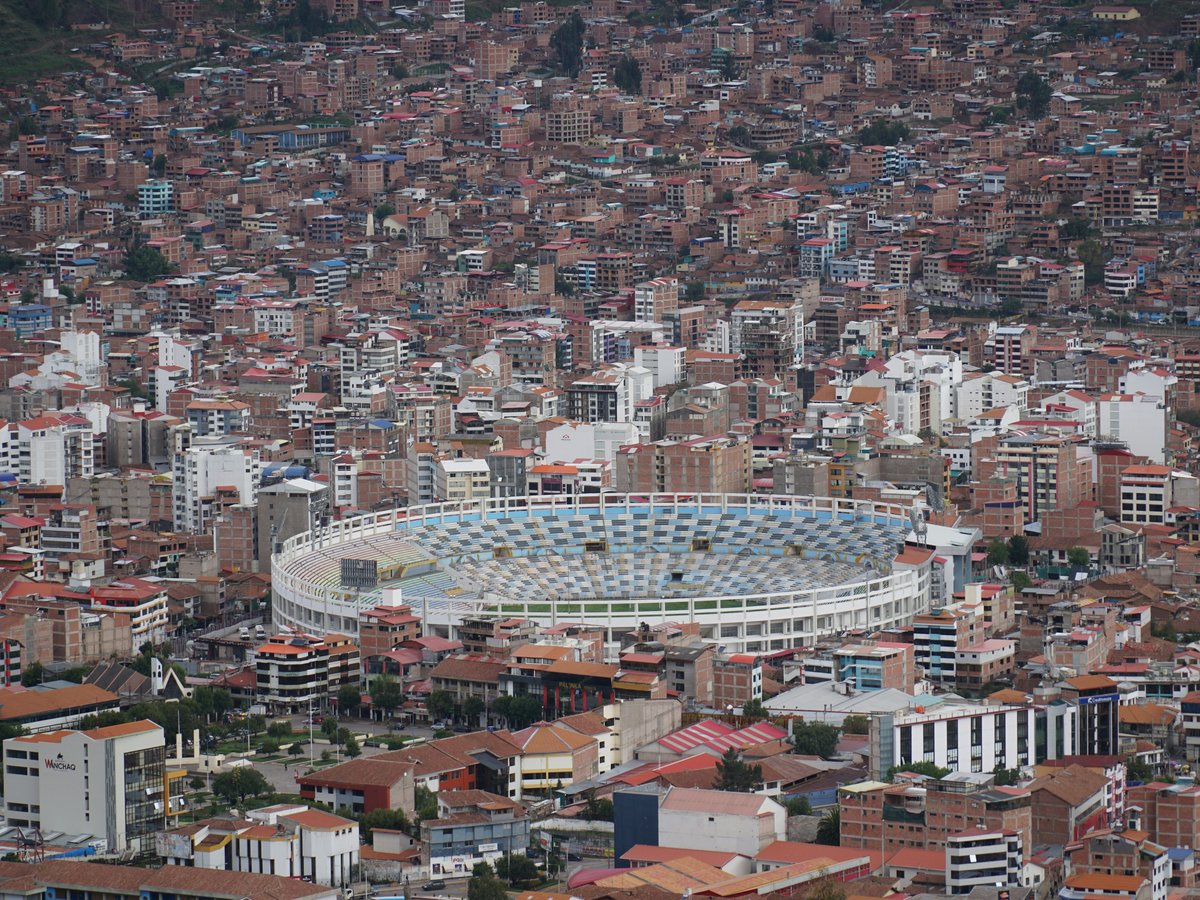
Cusco sits at 3,400 meters above sea level in the Peruvian Andes, and its shopping culture reflects roughly 500 years of layered commerce. The city is known for alpaca textiles, hand-painted ceramics, and silverwork, much of it produced in surrounding villages like Chinchero, Pisac, and San Pablo. You'll find a sharp divide between what's sold to visitors around the Plaza de Armas and what locals buy in the sprawling markets south of the historic center. The artisan quarter of San Blas, perched on steep cobblestone lanes above the cathedral, tends to carry higher-quality work from resident craftspeople. Worth noting, Cusco's 18% IGV (sales tax) applies to formal retail but rarely surfaces in market stalls, which operate largely in cash. At the current exchange rate of roughly 3.38 soles per US dollar, handmade goods here remain significantly cheaper than comparable pieces in Lima's Miraflores galleries. The dry season (May through September) brings peak tourist traffic and slightly firmer prices, though August temperatures that feel closer to 13-14°C at altitude keep the woolen goods moving briskly off the shelves.
Shopping districts
-
San Blas
mid-range to highThe narrow cobblestone streets above Cusco Cathedral climb steeply into San Blas, the city's traditional artisan neighborhood. Workshops here have operated for generations, and you can often watch potters, weavers, and silversmiths at work in open doorways. The smell of wood shavings and lanolin drifts from several studios along Cuesta San Blas and Calle Tandapata. Prices run higher than the markets below, but the quality tends to justify it. This is where Cusco's ceramicists sell directly, and pieces carry the artist's mark rather than a factory stamp. Some galleries mix contemporary Andean art with traditional retablos. The climb is steep, so take it slowly at altitude.
Best for: handmade ceramics, original artwork, alpaca textiles from named artisans
-
Plaza de Armas and Calle Plateros
highThe blocks immediately surrounding the Plaza de Armas cater heavily to international visitors. Calle Plateros runs northwest from the plaza and is lined with shops selling alpaca sweaters, silver jewelry, and packaged coca products. Prices start higher here than anywhere else in the city, though bargaining is expected in the smaller shops. The formal boutiques along the plaza's arcades sell certified baby alpaca garments with quality guarantees. You might notice that several shops along Plateros carry nearly identical inventory from the same wholesale suppliers. The stone arcades feel cool even in afternoon sun, and the foot traffic stays constant from about 9 AM until after dark.
Best for: certified alpaca garments, silver jewelry, convenient tourist shopping
-
Avenida El Sol
mixedCusco's main commercial avenue runs southeast from the Plaza de Armas past Coricancha (the Inca sun temple, founded around 1201) and continues toward the modern part of the city. The stretch between the plaza and the Coricancha temple holds a mix of banks, tour agencies, and a few shopping galleries. Real Plaza Cusco, the city's largest mall, sits further along this corridor and carries international brands alongside Peruvian chains. Locals do their everyday shopping here. The avenue feels distinctly less colonial than the streets above, wider and noisier with constant minibus traffic.
Best for: everyday goods, Peruvian retail chains, electronics, pharmacy supplies
-
Wanchaq district
budgetSouth of the historic center, Wanchaq is where Cusco's working population shops. The commercial streets around Mercado de Wanchaq carry household goods, bulk dried goods, and clothing at local prices. No tourist markup operates here. The neighborhood smells like roasting corn and frying chicharrón from the food stalls that line the market perimeter. You'll hear Quechua spoken as commonly as Spanish. It feels like a completely different city from San Blas, and prices reflect that gap honestly.
Best for: local prices on everyday goods, bulk spices, dried herbs, experiencing non-tourist Cusco
Markets
-
Mercado Central de San Pedro
food and generalSan Pedro is Cusco's main food and general market, operating since the late 1800s in a large iron-frame hall near the San Pedro train station. The ground floor is organized roughly by product. The juice stalls near the entrance blend tropical fruits with local additions like lucuma and camu camu. The cheese section carries queso fresco from Ocongate and Quillabamba, stacked in wheels on wooden boards. Upstairs, the textile and souvenir vendors fill the mezzanine with alpaca goods, chullo hats, and woven bags. Prices here run 30-50% lower than the shops on Calle Plateros for similar goods. The market smells powerfully of cilantro, roasted pork, and the slightly musty sweetness of dried coca leaves sold by the bag. It can feel overwhelming on a first visit. Pickpocketing remains a real concern in the crowded aisles, consistent with Cusco's solo-traveler safety score of 6.2/10 (see the TTDI Solo-Safety Index).
Daily, roughly 6 AM to 6 PM, busiest before noon
-
Mercado de Wanchaq
food and householdWanchaq market serves the residential neighborhoods south of the center and sees very few tourists. The produce section is enormous, with potatoes in at least 15-20 visible varieties on any given day. Dried aji peppers, huacatay paste, and sacks of quinoa in white, red, and black fill the grain aisle. The cooked-food section serves plates of lomo saltado and aji de gallina for roughly 8-12 soles. This is the market for bulk purchases of Andean grains, dried herbs, and cooking staples at genuine local prices. The atmosphere is louder and more chaotic than San Pedro, with vendors calling out in mixed Quechua-Spanish.
Daily, roughly 5:30 AM to 5 PM
-
Centro Artesanal Cusco
artisanThis large artisan complex sits along Avenida Tullumayo, about 3 blocks south of the Plaza de Armas. It houses dozens of stalls under one roof, each selling textiles, ceramics, jewelry, and carved goods. The advantage over San Pedro is organization. Stalls here tend to specialize, so you can compare alpaca scarves across 5-6 vendors without navigating a food market. Quality varies widely, and the synthetic-alpaca problem is real here. Rub the fabric between your fingers. Real alpaca feels silky and slightly cool to the touch, while acrylic feels plastic-smooth and generates static. Bargaining is expected, and opening prices typically sit 30-40% above what vendors will accept.
Daily, roughly 9 AM to 8 PM
-
Baratillo flea market
fleaCusco's Saturday flea market spreads across several blocks in the Baratillo neighborhood east of Wanchaq. Vendors lay out secondhand tools, vintage electronics, used clothing, antique coins, and occasionally genuine pre-Columbian pottery fragments of uncertain provenance (exporting archaeological artifacts from Peru is illegal under Ley 28296). The market has the feel of a neighborhood garage sale stretched to city-block scale. Locals come for cheap hardware and replacement parts. For visitors, the appeal is more atmospheric than transactional, though you might find interesting vintage textiles among the piles.
Saturdays only, roughly 6 AM to 2 PM
-
Feria de Huancaro
regional fairThis weekend fair on Cusco's southwestern edge, near the Huancaro fairgrounds, draws regional producers who truck in goods from across the Sacred Valley and beyond. The scale fluctuates with seasonal agricultural cycles. You'll find bulk purchases of Maras salt, cacao from Quillabamba, dried fruits, and honey from the Apurimac valley. During larger iterations, artisans from Pisac and Ollantaytambo set up textile stalls. The setting feels more rural than urban, spread across open ground with mountain views in every direction.
Weekends, generally Saturday mornings, scale varies seasonally
Souvenirs worth bringing home
The most genuinely local purchases from Cusco fall into a few categories. Baby alpaca textiles remain the signature buy. A real baby alpaca scarf from San Blas or a certified shop typically runs 80-200 soles, while synthetic imitations at San Pedro start around 15-20 soles. The price gap tells you everything about the material. Chullo hats, the traditional Andean knit caps with earflaps, are made throughout the region, and hand-knit versions from communities like Chinchero show irregular stitching that machine-made ones lack. Toritos de Pucara, the small painted ceramic bulls traditionally placed on rooftops for luck, originate from the town of Pucara near Lake Titicaca but are widely sold in Cusco's markets. Retablos, the portable wooden altar boxes filled with tiny painted figures depicting Andean scenes, trace their lineage to the Ayacucho region. The Cusco versions tend to show local motifs like the Inti Raymi festival or Saqsaywaman (the Inca fortress above the city). Chocolate from Cusco-region cacao, grown in the lowland Quillabamba valley at around 1,000 meters, has become a legitimate artisan product. Several small-batch producers sell bars at San Pedro and in San Blas shops. Coca tea and coca candy are legal and widely available throughout Peru, though importing coca products into many countries, including the United States, is prohibited. Maras salt, harvested from pre-Inca salt pans in the Sacred Valley about 40 kilometers from the city, comes in pink and brown varieties and makes a practical, lightweight gift.
Practical tips
- Bargaining
- Bargaining is standard practice in markets and small artisan shops throughout Cusco. It does not apply in formal retail stores, malls, or restaurants. A reasonable approach is to offer roughly 60-70% of the first quoted price and settle somewhere around 70-80%. Buying multiple items from the same vendor strengthens your position. Aggressive bargaining over small amounts (saving 2-3 soles) is considered poor form. Morning purchases sometimes get a slight discount, as some vendors follow the tradition of the primera venta, believing the first sale of the day brings luck.
- Tax refunds
- Peru's IGV tax refund program for tourists applies at participating retailers displaying the 'Tax Free' logo. The minimum purchase threshold is 100 soles per receipt. You claim the refund at Jorge Chavez International Airport in Lima before departure, not in Cusco. Keep all original receipts and have the goods available for inspection. The refund covers the 18% IGV minus a processing fee. In practice, market purchases and small artisan shops do not participate in this program.
- Opening hours
- Most shops around the Plaza de Armas and San Blas open by 9-10 AM and close around 8-9 PM daily. Markets open earlier, with San Pedro's food vendors active by 6 AM. Sunday hours are shorter for formal retail but markets generally operate normally. The midday period between 1-3 PM can see some smaller shops close briefly, a habit that persists more in residential neighborhoods than in the tourist center.
- Payment methods
- Cash in soles remains the dominant payment method in markets and small shops. Visa and Mastercard are accepted in formal retail stores, certified alpaca boutiques, and restaurants around the plaza. ATMs along Avenida El Sol and the Plaza de Armas dispense soles, though withdrawal fees of 6-10 soles per transaction are typical with foreign cards. US dollars are occasionally accepted in tourist shops but at unfavorable rates. Carrying a mix of small bills in soles (10s and 20s) avoids the common problem of vendors unable to break a 100-sol note.
- Altitude and shopping pace
- At 3,400 meters, Cusco's altitude affects how much walking you can comfortably do. San Blas sits uphill from the plaza, and the climb with shopping bags can leave you breathless if you've recently arrived. Most visitors need 2-3 days to acclimatize before they can browse the hillside workshops without discomfort. Plan market visits for mornings when you have more energy, and keep hydrated.
- Avoiding counterfeits
- Synthetic fabric sold as alpaca is the most common misrepresentation in Cusco's markets. Real alpaca fiber has a subtle sheen, feels cool against the skin, and does not generate static when rubbed. Certified shops provide labels specifying baby alpaca (fibers under 21.5 microns) versus regular alpaca (under 26.5 microns). For silver, look for the .950 or .925 purity stamp. Unstamped silver jewelry at market prices is likely alpaca metal (a nickel-copper-zinc alloy that shares the name but not the material).
FAQ
Is it better to buy alpaca textiles in Cusco or in the Sacred Valley towns?
Both have merits. Pisac's Tuesday and Sunday market and Chinchero's Sunday market sell textiles directly from weaving communities, and prices can run 10-20% lower than Cusco's shops. That said, Cusco offers more concentrated selection. San Blas workshops carry curated pieces from multiple villages, and you can compare quality across vendors within a few blocks. If you visit the Sacred Valley on a day trip, buy what catches your eye there, but Cusco still has the widest range in one city.
Can I export coca products from Peru?
Coca tea and coca candy are legal throughout Peru and sold openly in every Cusco market. However, coca in any form is a controlled substance in the United States, most of Europe, and several other countries. Customs agents may confiscate coca products at your destination, and penalties can apply. If you want to bring home a taste of the Andes, Cusco-region chocolate or Maras salt are safer alternatives that travel without legal risk.
What are typical opening days for Cusco's markets?
San Pedro and Wanchaq markets operate daily. The Baratillo flea market runs on Saturdays only, winding down by early afternoon. Weekend fairs at Huancaro vary in scale but are most active on Saturday mornings. Artisan centers like Centro Artesanal Cusco keep daily hours, generally 9 AM to 8 PM. During major festivals like Inti Raymi in late June, additional vendor stalls appear throughout the historic center.
Should I exchange money before shopping in Cusco's markets?
Yes. Market vendors overwhelmingly prefer Peruvian soles in small denominations. ATMs near the Plaza de Armas and along Avenida El Sol dispense soles directly. Avoid changing money with street exchangers (cambistas) near the markets, as short-changing and counterfeit bills are documented risks. Banks and licensed exchange houses (casas de cambio) on Avenida El Sol offer rates close to the interbank rate.
Is Cusco safe for solo travelers browsing markets?
Cusco scores 6.2/10 for digital-nomad suitability (sourced from TTDI's editorial rubric), and its markets are generally busy, well-lit daytime environments. Pickpocketing in crowded market aisles, particularly at San Pedro, is the primary concern. Keep valuables in a front pocket or under-clothing pouch, and avoid displaying expensive cameras or phones in the densest sections. The areas around markets feel less safe after dark when foot traffic thins.
Are there good food souvenirs to buy in Cusco?
Quillabamba-region chocolate bars, Maras salt from the Sacred Valley, dried aji peppers, and ground huacatay (black mint) all travel well and represent genuinely local flavors. San Pedro market's spice section sells vacuum-sealed packets of aji amarillo paste, rocoto pepper, and dried herbs. Pisco and other spirits require checked luggage and carry weight, but a bottle of pisco quebranta from a certified producer makes a distinctive gift if you can manage the logistics.
Last verified by automated review (v1.7.2) on . What is automated review?