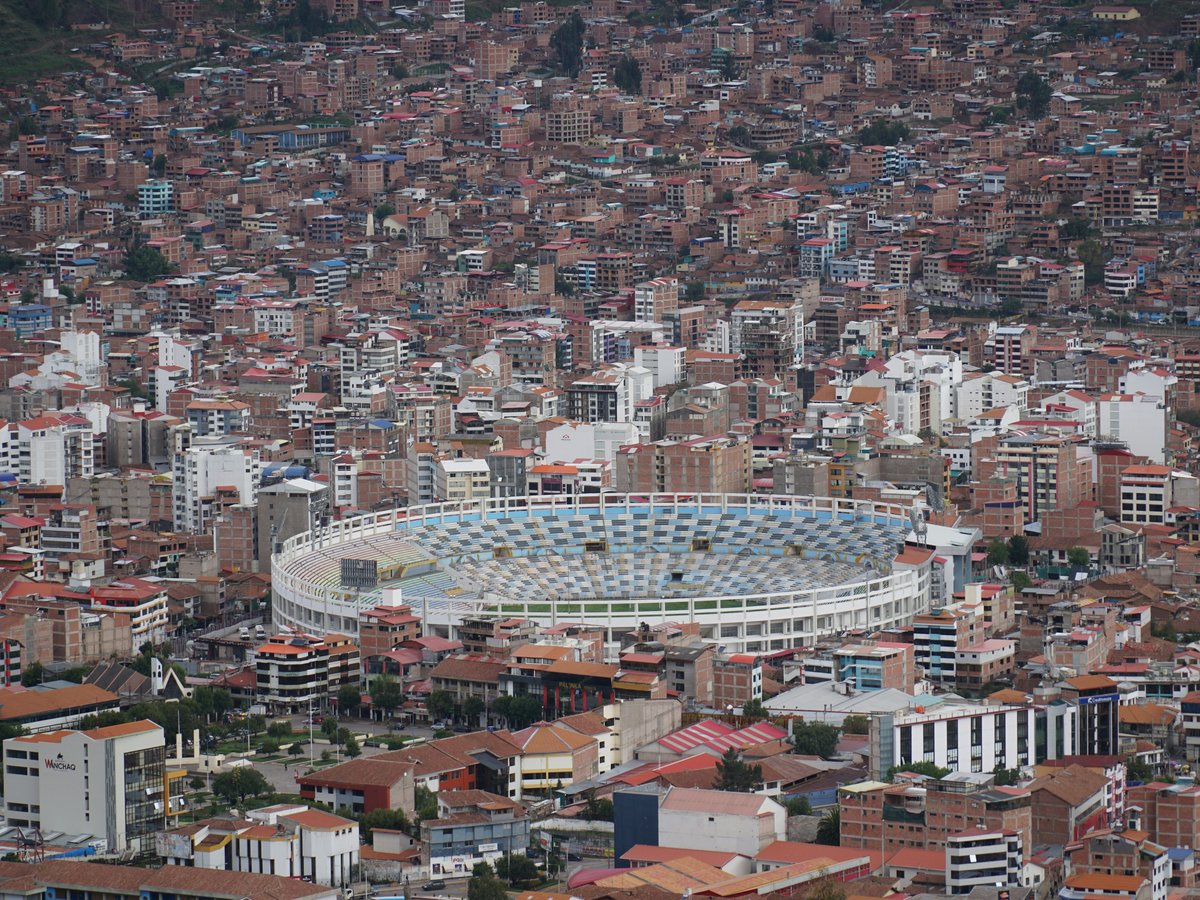
What should I pack for Cusco?
Layers for Cusco's 3,400-meter altitude, where dry-season mornings need thermals and midday sun lets you peel down to a t-shirt. SPF 50+ sunscreen is non-negotiable when UV runs about 40% higher than sea level. Pack a warm fleece, windproof shell, and broken-in hiking shoes for steep cobblestone streets. Skip the umbrella and heavy toiletries. Both are cheaper at any Cusco pharmacy.
Shop the packing list (17 items)This morning's reading in Cusco was 5.2°C at 6am, with the wind chill pushing it down to about 4°C. Overcast, 99% humidity, your breath steaming against the grey sky. Eucalyptus sharp in the cold air. That is a normal August morning at this altitude. By early afternoon, direct sun in Plaza de Armas pushes past 18°C, and you'll be peeling your fleece off on the steps near the Cusco Cathedral, which has stood on that plaza since 1559. You will add and remove layers four or five times a day. Pack a mid-weight fleece or lightweight down jacket, a windproof shell, and two or three synthetic or merino base layers. Cotton is a bad call here. It holds sweat from the steep climbs up Calle Hatun Rumiyoc and stays damp against your skin once the sun drops around 5:30pm. Merino dries fast and works for early Sacred Valley departures, where you might be waiting at a van pickup at 4am in near-freezing air.
The UV index at Cusco's elevation tends to sit between 11 and 14 on clear afternoons, which the WHO classifies as extreme. SPF 50+ broad-spectrum sunscreen, wrap-around sunglasses, and a wide-brimmed hat are the difference between enjoying Tipón's terraced fountains and spending your second day in the hotel with a raw, blistered face. The sunburn is the easier fix. Altitude sickness is what wrecks trips, and it hits roughly 70% of sea-level visitors within the first 12 hours. The headache starts within 6 to 8 hours, a dull squeeze behind the eyes that worsens when you walk uphill. The 15-block climb from San Blas down to Mercado de San Pedro leaves you winded in a way that feels wrong, not tired. Bring acetazolamide (Diamox, prescription in the US, over the counter in much of South America) and ibuprofen. Coca tea sells at every corner shop for about 2 soles per box. It helps mildly, but it is not a substitute for Diamox if symptoms get serious.
Your shoes might be the most consequential item in the bag. Cusco's streets are uneven colonial cobblestone, worn smooth by foot traffic since well before the Church of the Society of Jesus went up in 1668. The walk from the main plaza up to San Cristóbal church is a 15-minute quad-burner on stones that go slick after any rain. Saqsaywaman's grounds are packed earth and tufted grass over bedrock, with no guardrails on the upper terraces. Fashion sneakers with flat soles will slide. You want trail runners or light hiking shoes with aggressive tread. If you're heading to Huchuy Qosqo for the day hike, actual boots earn their luggage weight. Sandals work for evenings along Calle Procuradores, the restaurant strip tourists know as gringo alley. But plan on closed-toe shoes for the early-morning Boleto Turístico sites, when Puka Pukara's stone steps still have dew on them and the ground at Q'inqu is cold underfoot.
Skip packing heavy toiletries or a bulky rain umbrella. InkaFarma on Avenida El Sol, a 5-minute walk south from the main plaza, stocks sunscreen, altitude pills, and basic first aid at local prices. A tube of SPF 50 runs about 25-35 soles, which is 7-10 USD at the current rate of roughly 3.38 soles per dollar. Alpaca wool hats, gloves, and scarves sell on every block around the Cathedral district for 15-30 soles, warmer than packed synthetics and cheaper. Worth noting that Peru uses Type A and Type C outlets at 220V. Your US two-prong phone chargers handle it fine, since most are rated 100-240V. But check the label on hair dryers or curling irons before plugging them in. A 120V appliance on that 220V current will burn out within seconds. Bring a filtered water bottle. Cusco's tap water is not safe to drink, and buying 2.5-sol plastic bottles four times a day adds up.
Essentials
- Mid-weight fleece or lightweight down jacket for cold mornings at altitude Shop
- Windproof shell (not a heavy winter coat; layering flexibility matters more) Shop
- 2-3 merino or synthetic base layers (cotton stays wet and cold at elevation) Shop
- SPF 50+ broad-spectrum sunscreen Shop
- Wrap-around sunglasses with UV400 rating Shop
- Wide-brimmed sun hat Shop
- Trail runners or light hiking shoes with aggressive tread Shop
- Acetazolamide (Diamox) for altitude sickness prevention Shop
- Ibuprofen for altitude headaches Shop
- Filtered water bottle (Cusco tap water is not drinkable) Shop
- Small daypack for Sacred Valley day trips Shop
- Portable charger (GPS navigation and translation apps drain batteries by mid-afternoon) Shop
Seasonal extras
- Packable rain jacket for wet season (November through April brings daily afternoon downpours) Shop
- Waterproof pack cover or dry bag for electronics during wet season Shop
- Wool or fleece beanie and thermal gloves for dry-season dawn excursions (May through October) Shop
- Thermal leggings for 4am Inca Trail or Salkantay trailhead departures Shop
- Sandals for warm dry-season afternoons along the restaurant strips Shop
Buy on arrival
- Coca tea bags (sold everywhere, a few soles per box)
- Alpaca wool hat, gloves, and scarf near the Cathedral district (15-30 soles, warmer than synthetics)
- Sunscreen at InkaFarma or MiFarma on Avenida El Sol (cheaper than packing a full tube)
- Rain umbrella from any pharmacy or tienda (10-15 soles, lighter than packing one)
- Refillable water at filtered-water stations in most hostels and cafes (free or 1 sol)
Last verified by automated review (v1.7.2) on . What is automated review?