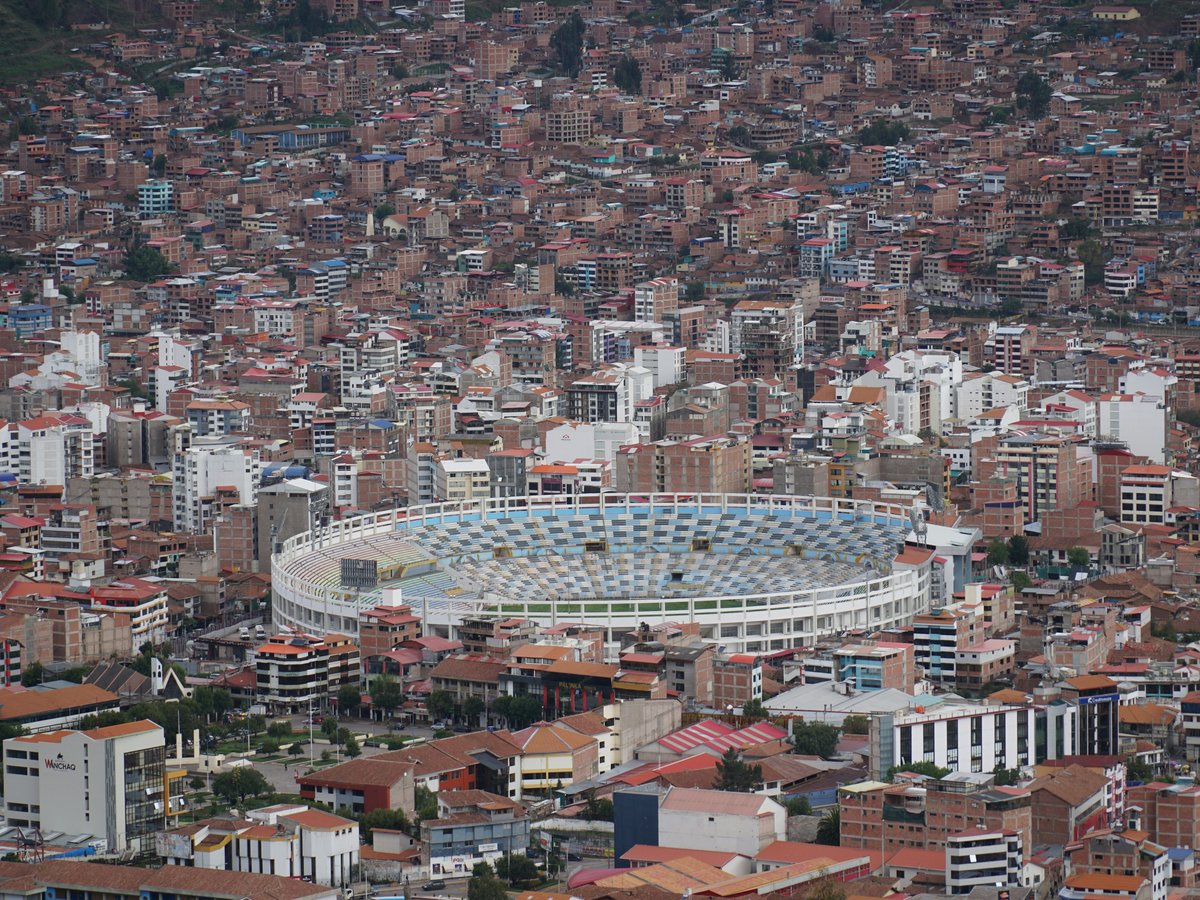
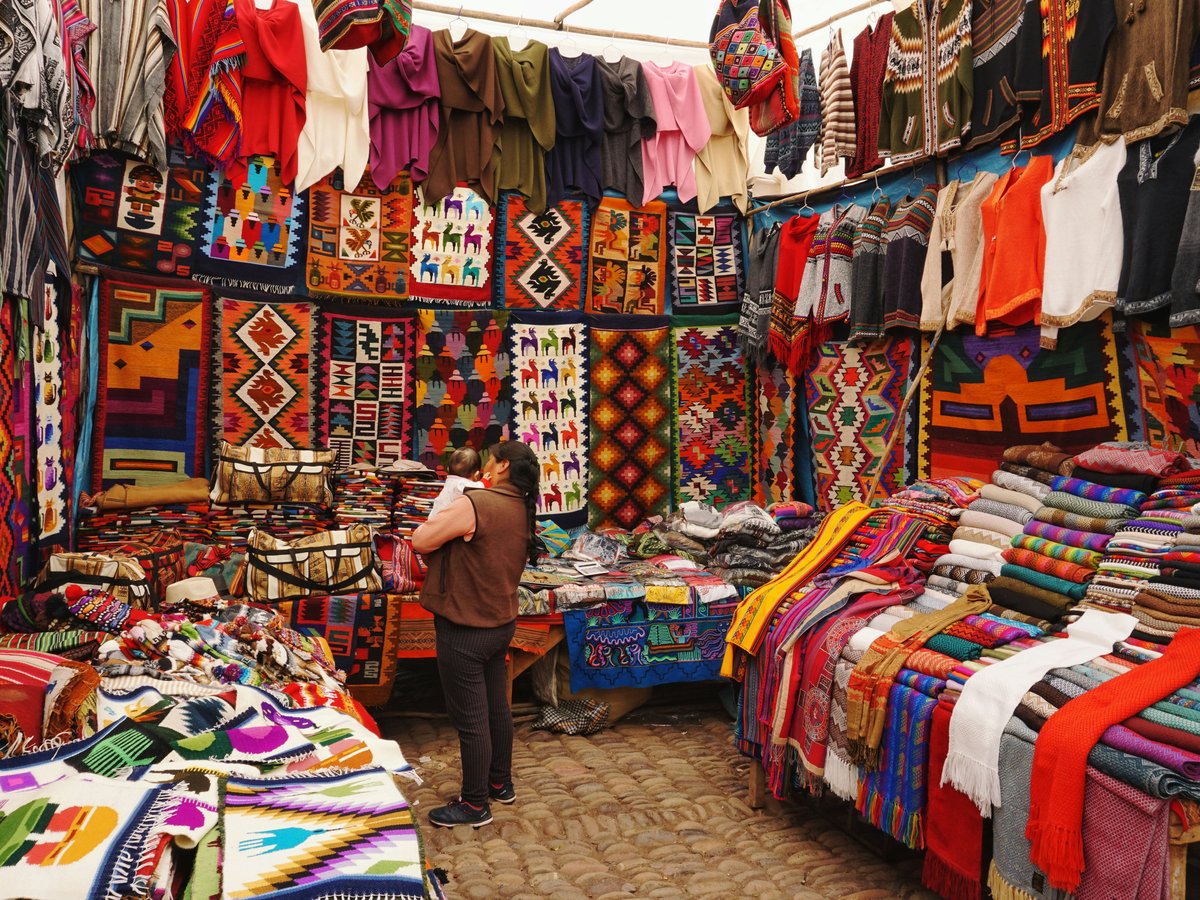
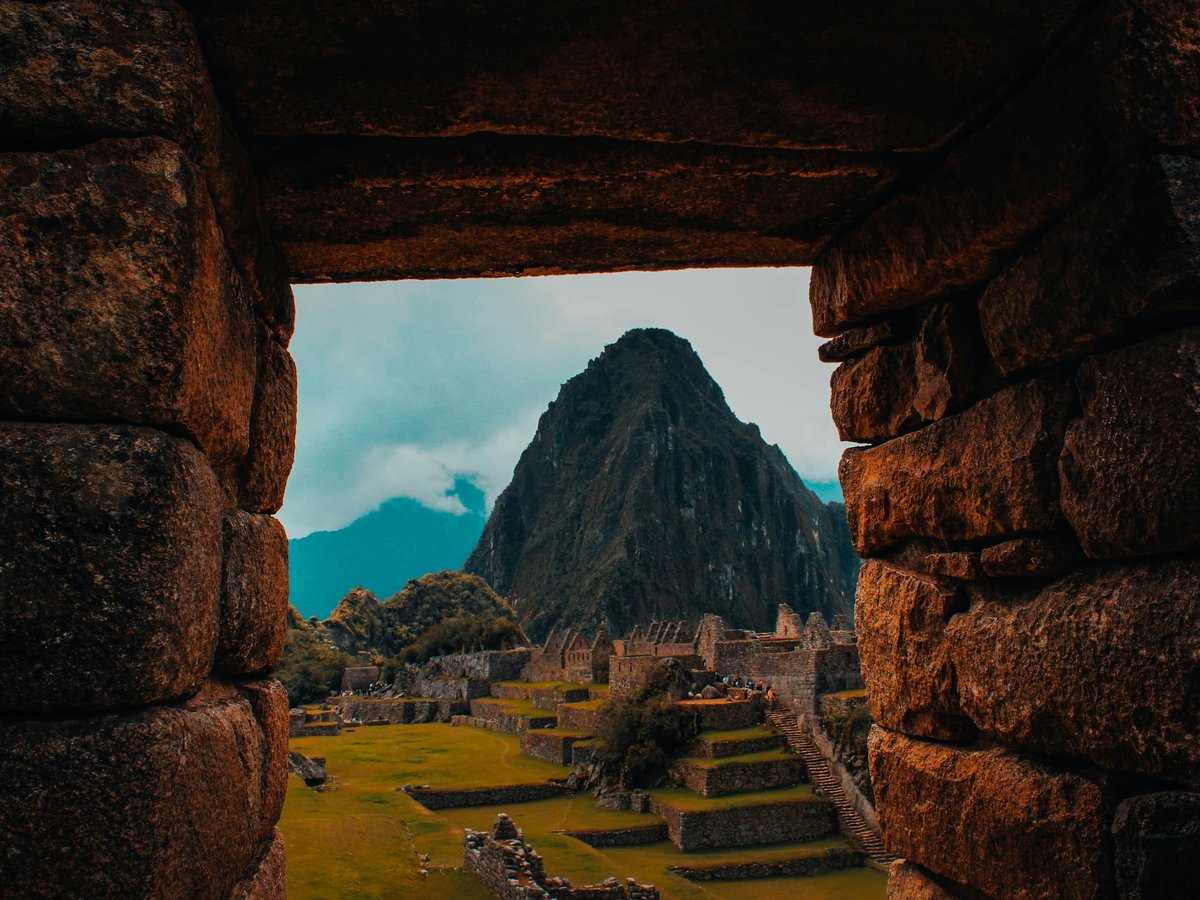
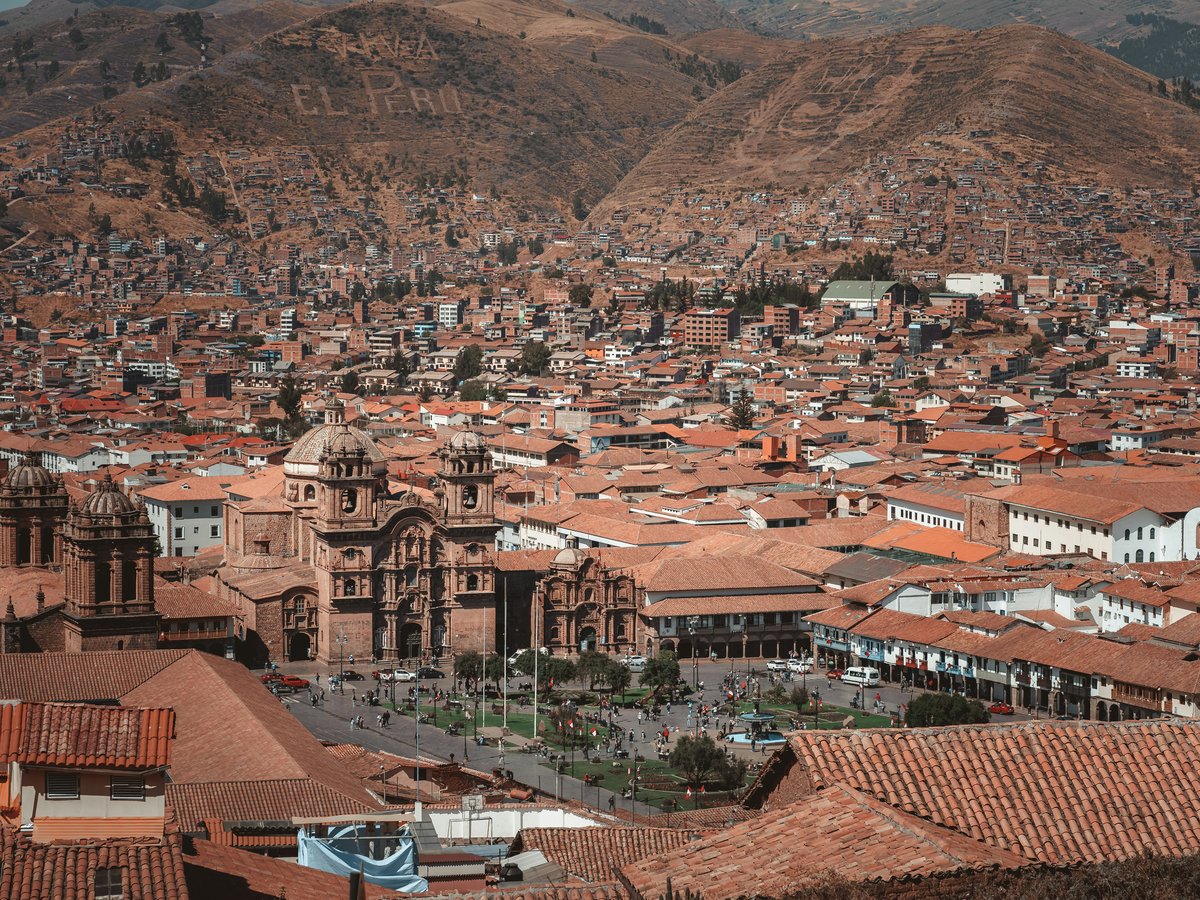
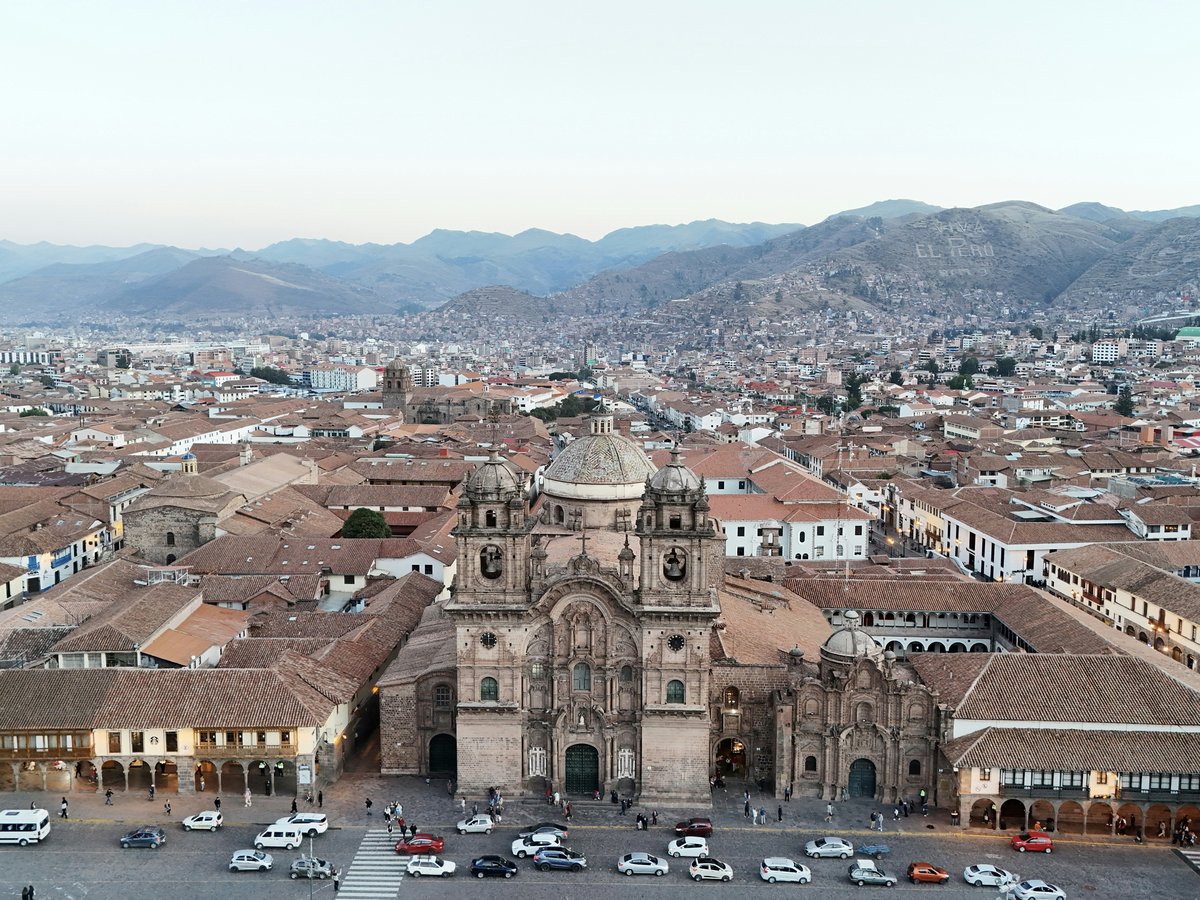
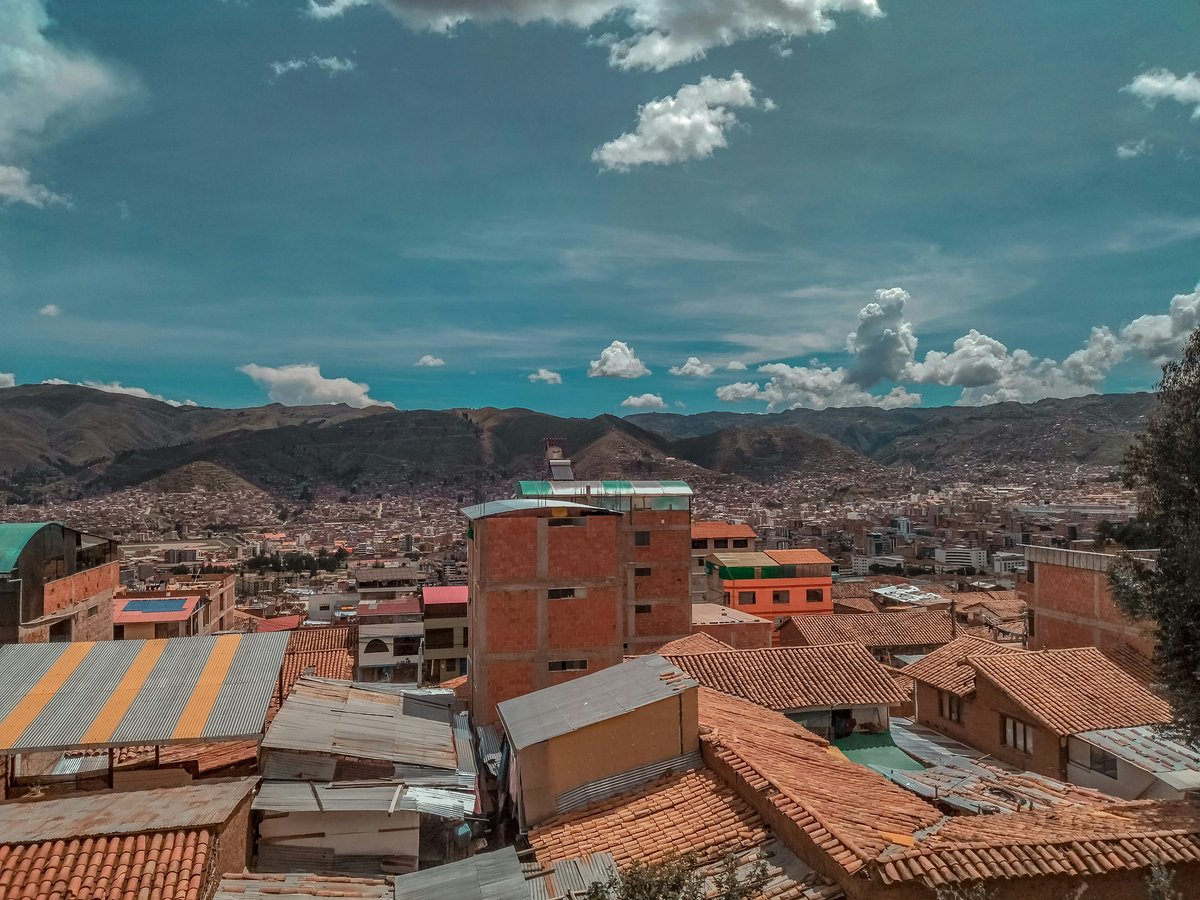
Cusco sits at 3,400 metres above sea level in a narrow valley of the Peruvian Andes, and the altitude announces itself before anything else: a tightness in the chest on the walk from the airport, a slowness climbing the first stone staircase. The city of roughly 428,000 was the capital of the Inca Empire, and the Spanish colonial centre that replaced it was built atop Inca foundations, a layering you can see along Hatunrumiyoc street, where the famous twelve-angled stone sits flush in a wall of fitted masonry that has survived five centuries of earthquakes. The Plaza de Armas anchors the old centre, flanked by the Cathedral and the Iglesia de la Compañía de Jesús, and from there the streets climb steeply into San Blas, the artisan quarter where workshops still produce carved wooden frames and ceramic work in styles that predate the colony. A first morning in Cusco usually begins slowly: coca tea at the hotel, a cautious walk to gauge how the body handles the thin air, and by afternoon most visitors find their rhythm along the pedestrianised stretches near Procuradores, locally called Gringo Alley with more resignation than affection. The neighbourhoods beyond the tourist core tell a different story: San Cristóbal on the hill above the plaza offers a view of terracotta rooftops spreading across the valley floor, and Santiago to the southwest is where the daily market economy runs without much regard for visitors at all. Cusco operates on Peru Time, five hours behind UTC, and the pace matches: shops open late, lunch stretches past two, and the light at this altitude turns gold an hour before sunset in a way that makes the sandstone glow. The city is not a base camp for Machu Picchu, though it gets treated as one; it is the destination.
Cusco in photos
Cusco right now
Answers about Cusco
-
Airport to city
Alejandro Velasco Astete Airport (CUZ) sits 5 km south of Plaza de Armas. Pre-arrange your hotel's airport shuttle (most offer free pickup), or take the official taxi from the counter inside arrivals for 10-15 PEN ($3-4.50). The ride is 10-15 minutes. At 3,400 meters, you want a driver waiting, not a decision to make.
Read the full answer → -
Best time to visit
May, June, and September give Cusco its best combination of dry skies, manageable crowds, and moderate prices. Daytime temperatures reach 18-20°C, though nights drop near freezing. Avoid January through March, when heavy rain closes the Inca Trail and can wash out the rail line to Machu Picchu.
Read the full answer → -
Cost per day
Budget $25/day in Cusco covers a hostel dorm in San Blas, two menú del día meals at San Pedro Market, and walking. Midrange $75 adds a private room and the Boleto Turístico archaeological circuit. Luxury runs $200+ at places like Belmond Palacio Nazarenas. The biggest savings lever is the S/. 8-12 market set lunch, which costs triple on Calle Procuradores.
Read the full answer → -
Cultural etiquette
Cusco runs on two greetings. A single cheek kiss for women, a firm handshake for men. Say 'buenas' when entering any shop or restaurant. Coca tea is offered everywhere at 3,400 meters. Accept it. Refusing reads as rude. Pay 1-2 soles before photographing women in traditional dress near Plaza de Armas. Churches require covered knees and shoulders.
Read the full answer → -
Best day trips
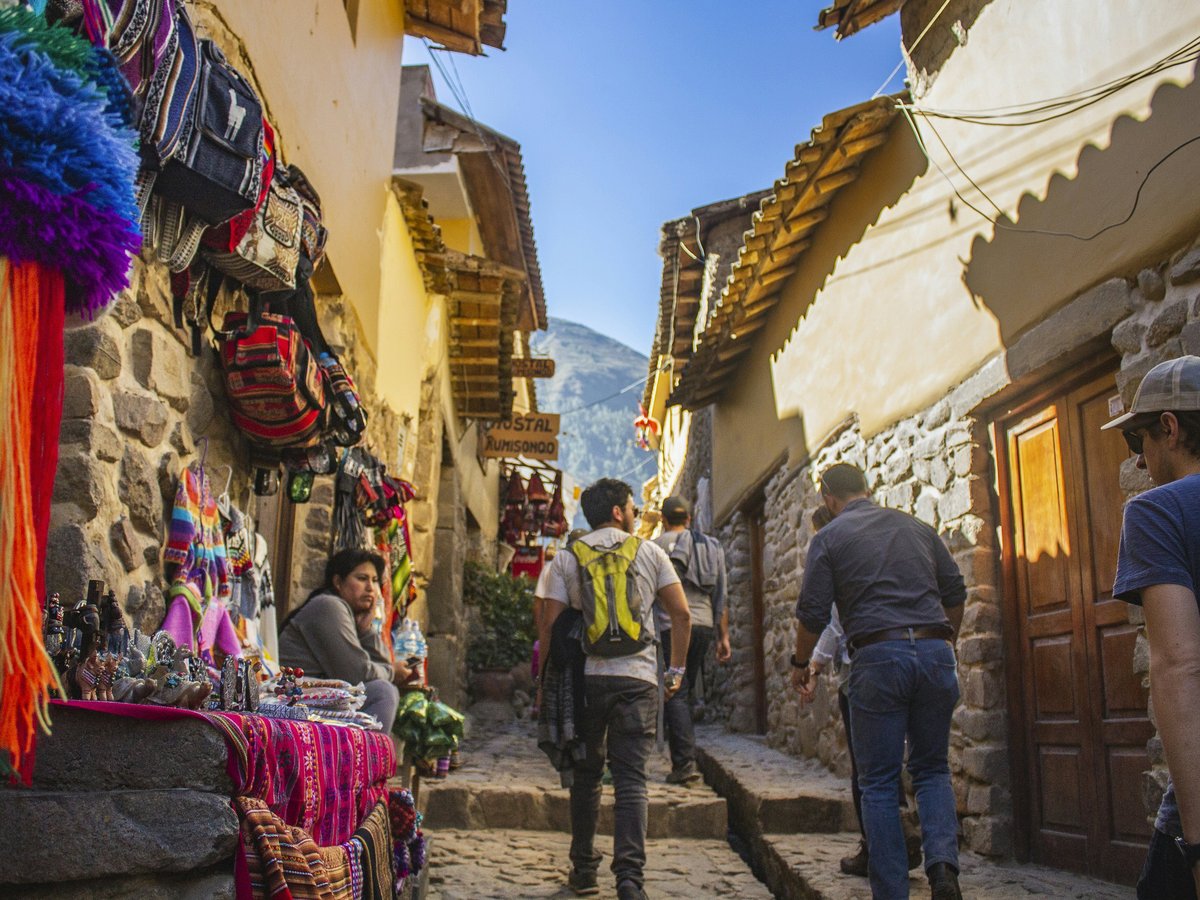
The Sacred Valley towns of Ollantaytambo (72 km) and Pisac (33 km) are the strongest single-day options from Cusco, reachable by 10-15 sol colectivos from Calle Pavitos in about 1 hour 45 minutes. For a shorter half-day, Tipón sits 23 km southeast with combis every 15 minutes from Avenida de la Cultura. Maras salt mines paired with Moray's circular terraces fill a relaxed 7 hours.
Read the full answer → -
Digital nomads
Cusco scores 6.2/10 for digital-nomad suitability (sourced from TTDI's editorial rubric). Monthly costs run $1,100-1,500 for a San Blas apartment, coworking, and three meals a day. WiFi in newer buildings reaches 50-80 Mbps through Claro or Movistar fiber. The altitude is the real variable. Your first 3-5 days will likely feel like working through a mild hangover, and some nomads never fully adjust.
Read the full answer → -
Family-friendly
Cusco scores 5.2/10 for family friendliness (see the TTDI Family-Friendliness Index). Altitude is the main constraint. Children under 2 need pediatric clearance, and kids aged 2-6 need 48 hours to acclimatize before anything strenuous. Cobblestone streets defeat strollers entirely, so bring a carrier. Outdoor Inca sites like Saqsaywaman work well for ages 4 and up.
Read the full answer → -
Food culture
Cusco's food runs on altitude and corn at 3,400 meters. Breakfast starts before 7am with pork adobo at Mercado Central de San Pedro. Cuy, guinea pig fried whole under a river stone, is the signature plate at picanterías in Wanchaq. Skip the Plaza de Armas restaurants. The best meals cost under 15 soles.
Read the full answer → -
Getting around
Walking covers Cusco's centro histórico, but the altitude above 3,000 meters makes every uphill block punishing for the first 48 hours. Taxis within the center cost 5-7 soles. Download InDriver before arrival. It works better than Uber here. For Sacred Valley colectivos, head to Calle Pavitos near Estadio Garcilaso.
Read the full answer → -
How to get there
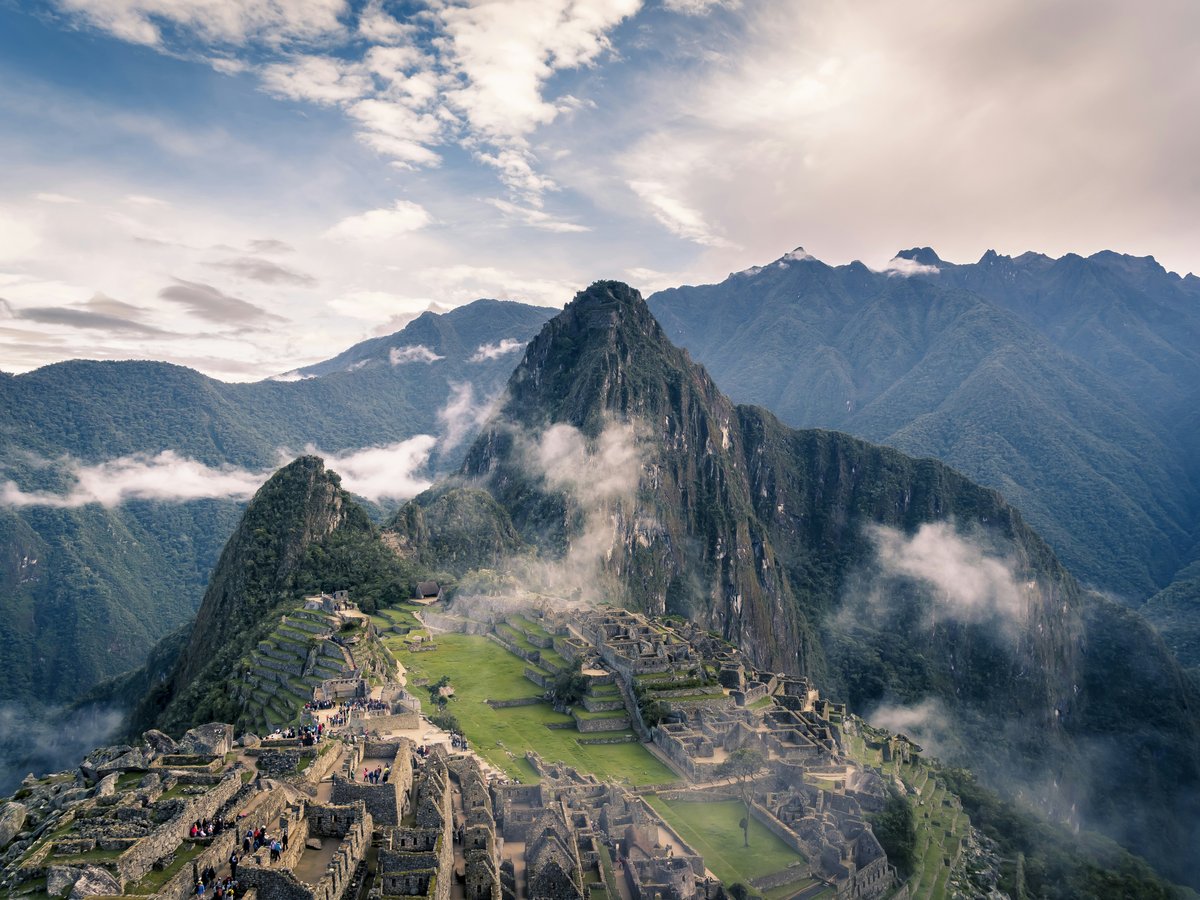
Nearly every international flight to Cusco connects through Lima's Jorge Chávez Airport (LIM). From Lima, LATAM, Sky Airline, and JetSMART fly the 1-hour-15-minute hop to Alejandro Velasco Astete (CUZ), 5 km from Plaza de Armas. Book morning departures when possible. Afternoon flights face frequent weather holds during the October-March wet season.
Read the full answer → -
Is it safe?
Cusco scores 6.2 out of 10 for solo-traveler safety (see the TTDI Solo-Safety Index). The real risks are altitude sickness, pickpocketing near San Pedro Market, and drink spiking in bars north of Plaza de Armas. Violent crime against tourists remains low. Use registered taxis after 10pm and call 105 for police emergencies.
Read the full answer → -
Language basics
Spanish and Cusco Quechua. Cusco is one of the few cities in the Americas where an indigenous language still threads through daily conversation. Bilingual signs appear around Plaza de Armas. English proficiency in the tourist center sits around 4 out of 10. Hotel desks and tour agencies handle English fine; taxi drivers, San Pedro Market vendors, and most locals over 50 don't.
Read the full answer → -
Layover guide
Yes, if your layover is 6 hours or more. Alejandro Velasco Astete airport sits less than 6 km from Plaza de Armas, and immigration at CUZ rarely exceeds 15 minutes. The real constraint is altitude, not distance. At 3,400 meters, even a short walk can leave you lightheaded. Coca tea from Calle Plateros helps take the edge off.
Read the full answer → -
Where locals go
Cusqueños leave Plaza de Armas to tour groups by mid-morning. Local life concentrates along Avenida de la Cultura near UNSAAC, through Wanchaq's markets, and in Santiago's chicherías. Saturday's Baratillo flea market opens at 5am. Sunday families picnic below Sacsayhuamán with anticuchos and kites. Weeknight energy peaks during Cienciano home matches.
Read the full answer → -
Must-see
Coricancha, the Inca sun temple beneath the Convent of Santo Domingo. Founded around 1201, its polished andesite walls fit so tightly a knife blade won't slide between the stones. The Spanish built their church directly on top, so you see both civilizations in one room. No reservation needed. The walk from Plaza de Armas takes about 10 minutes on flat ground.
Read the full answer → -
Solo travel
Cusco scores 6.2/10 for solo-traveler safety (see the TTDI Solo-Safety Index) and rates a solid 7 for overall solo-friendliness. The backpacker circuit around Plaza de Armas and San Blas runs on solo travelers, so meeting people on day 1 is straightforward. Altitude at 3,400 meters is the real opponent, not loneliness. Budget S/.80-120 per day for food and a private hostel room.
Read the full answer → -
This week
Cusco runs on dry-season rhythms at 3,400 meters this week. Mornings start near 5°C and warm to the mid-teens by noon. San Pedro Market operates daily from 6am. The Pisac market peaks Sundays and Tuesdays. Most museums close Mondays. Friday and Saturday nights shift energy to Plaza de Armas and the bars on Calle Procuradores.
Read the full answer → -
3-day itinerary
Day 1 stays near Plaza de Armas and San Pedro Market while your body adjusts to 3,400 metres. Day 2 moves through Coricancha and uphill into San Blas on foot. Day 3 covers the Saqsaywaman archaeological circuit by taxi and walking. Buy the Boleto Turístico on arrival day. About 18 kilometres of walking across all three days.
Read the full answer → -
What to avoid
Skip the Plaza de Armas balcony restaurants with laminated English menus, the unlicensed travel agencies on Calle Plateros, and any itinerary that puts Machu Picchu on day one. Cusco sits at 3,400 meters. Altitude sickness hits most visitors within hours. Spend your first full day acclimatizing, not sightseeing.
Read the full answer → -
What to pack
Layers for Cusco's 3,400-meter altitude, where dry-season mornings need thermals and midday sun lets you peel down to a t-shirt. SPF 50+ sunscreen is non-negotiable when UV runs about 40% higher than sea level. Pack a warm fleece, windproof shell, and broken-in hiking shoes for steep cobblestone streets. Skip the umbrella and heavy toiletries. Both are cheaper at any Cusco pharmacy.
Read the full answer → -
Where to stay
Stay within 3 blocks of Plaza de Armas for a first visit. You'll walk to Cusco Cathedral, Coricancha, and every major restaurant without navigating steep cobblestone hills at 3,400 meters. Budget $55-90 for a mid-range hotel, $150-250 for a boutique with heated rooms. San Blas suits repeat visitors willing to climb.
Read the full answer →
Deep guides for Cusco
-
Best Time to Visit Cusco, by Season
Cusco's average daily highs swing only 2.8°C across the entire year, from March's 16.4°C floor to September's 19.2°C peak. The real decision comes down to rain, crowds, cost, and whether you can sleep at 4.5°C in July.
Read the guide → -
Cusco Restaurants: What's Worth It
Twelve restaurants inside Cusco's historic core, sorted into the specialists who picked a lane and the destination tables worth the walk, with a verdict on who each one feeds and when to go.
Read the guide →
Curated lists for Cusco
accommodation
-
Best boutique hotels
Cusco's hotel inventory clusters in neighborhoods fanning out from the Plaza de Armas, each at a different altitude and a different walking distance from the colonial core. The highest-rated rooms sit uphill in residential quarters where tour buses cannot reach, while the densest booking corridors line the streets closest to the cathedral and the Santo Domingo temple. Altitude matters here more than in most cities; neighborhoods even slightly higher than the Plaza can leave new arrivals breathless on the first night. Qoripata and San Blas carry the heaviest inventory, with quieter pockets in Picchu La Rinconada, San Cristóbal, and Santa Ana thinning out as the streets climb. Price tiers overlap across all five; the spread between mid-range anchors is narrow enough that neighborhood character, not rate, should drive the decision. Cusco rewards staying close enough to the Plaza to walk there for dinner but far enough to sleep without loudspeaker processions rattling the windows at dawn.
See the picks → -
Best hostels
Cusco's hostel inventory clusters within a tight radius of the Plaza de Armas, but the walking experience changes block by block. The colonial core and its hillside neighbors, San Blas and San Cristóbal, hold the densest concentration of budget beds, while lower-altitude districts like Wanchaq and Santiago spread inventory along the Avenida El Sol corridor and the roads feeding the bus terminal. Altitude matters here more than in most cities: the plaza sits at roughly 3,400 meters, and every cobblestone lane climbing toward San Blas or San Cristóbal adds elevation that new arrivals feel in their lungs. Neighborhood choice is less about nightlife radius and more about how much hill you want between your door and the plaza. The seven areas below move from the highest hostel density to the thinnest, each anchoring to at least one pick that scores above 8.5 on Trip.com, so the quality floor holds across the board. Price gaps are real but compressed: the cheapest bed runs about $25 a night in Santa Ana, and the priciest listed here tops out near $77 in San Cristóbal; Cusco's hostel market rewards location climbing, not luxury finishes.
See the picks → -
Best luxury hotels
Cusco's luxury hotel market is small and focused. The six properties below run from USD 240 to USD 1015 a night, and guest ratings on Trip.com sit between 9.4 and 10.0. The floor is high; the question is which property fits the trip, not whether any of them will disappoint. The differences come down to what each builds around the room: the dining program, the spa, the excursion desk, the transfer logistics. If you are passing through for one night before the Sacred Valley, prioritize airport pickup and a reliable on-site restaurant. If you are staying three nights to walk the city, the spa and the bar earn their keep over the transfer service. The list is sorted by overall rank.
See the picks → -
Where to stay
Cusco's hotel inventory radiates outward from Plaza de Armas in rings shaped by altitude and colonial history. The tightest cluster fills San Blas, the artisan quarter directly above the plaza, where cobblestone lanes, ceramic workshops, and rooftop terraces pack hotels into a walkable grid that stays noisy past midnight. West and downhill, Qoripata and Santa Ana flank the San Pedro market and rail station, trading atmosphere for transit access and lower rates. San Cristóbal climbs the northern hillside for overlook views at the cost of a steep return walk. The outer ring (Santiago, Picchu La Rinconada, Santa Beatriz, and Wanchaq) pulls nightly prices below $50 but adds taxi time and drops the colonial texture entirely. Altitude matters here more than in most cities: the center sits at 3,400 meters, and the difference between a hilltop guesthouse and a flat avenue hotel is vertical effort you will feel in your breathing. Choose your neighborhood before your hotel. The room matters less than whether your street points uphill or down, whether the market is a walk or a ride, and whether the noise outside your window is salsa music or morning traffic.
See the picks →
food
-
Best cafes
Cusco's cafe scene lives at 3,400 meters, where altitude slows the morning and the coffee has to work harder. What that produces is a peculiar hybrid: pre-Columbian bakeries next door to third-wave roasters, tea rooms that serve muña alongside espresso, French crepe counters that keep Andean hours. The 12 rooms below are the ones a resident rotates through: a working list rather than a Plaza de Armas trophy case. Some open before 07:00 for the trekker heading to San Pedro station; others don't unlock the door until mid-afternoon and stay lit past 22:00 for the post-dinner crowd drifting off Loreto. A few are on the tourist grid and earn the rent; most sit a block or two off it, in Choqechaka, Tullumayu, San Bernardo, Carmen Bajo. Cusco doesn't reward the cafe that mistakes itself for Lima or Lisbon; it rewards the one that reads the altitude, the light, and the hour, and cooks accordingly. These are those.
See the picks → -
Best restaurants
Cusco eats at altitude, which changes everything: the appetite arrives late, the wine hits early, and the kitchens have learned to work with what the Sacred Valley sends down the hill. This list is twelve restaurants inside the historic core, most within a short walk of the Plaza de Armas, chosen because each one argues for a specific idea: a Nikkei counter that treats sushi as a Peruvian dialect, a raw-vegan project that predates the trend by a decade, a French crepe house on a stone street in San Blas, a chifa room that treats Chinese-Peruvian as its own cuisine. The bias here is toward places whose hours, addresses, and phone numbers are on public record and whose menus survive scrutiny, no ghost kitchens, no tourist-trap catchpennies working the plaza. Expect Peruvian in the majority, with Japanese, French, Chinese, and raw-vegan represented where the cooking earns the slot. Reservations are worth making for the fine-dining rooms; the neighbourhood spots reward walking in. Read this before you book Machu Picchu: the return train drops you in Cusco at dinner o'clock, and it helps to know where to go.
See the picks →
Browse by traveler type
- For foodies
Cusco for foodies
- For families with kids
Cusco for families
- For digital nomads
Cusco for digital nomads
- For solo travelers
Cusco for solo travelers
- For couples
Cusco for couples
- For budget travelers
Cusco on a budget
- For luxury travelers
Cusco for luxury travelers
- For first-timers
Cusco for first-time visitors
Book experiences in Cusco

Inca Trail 4-Day Trek to Machu Picchu – Return by Vistadome Train
Outdoor experience: 4 days.
via Viator Free cancellation
 Sacred Valley Full Day Tour
Day trip: 10 hours, free cancellation.
via Viator
4-Day Inca Trail Trek to Machu Picchu & Panoramic Train
Outdoor experience: 4 days.
via Viator
Classic 5-Day Salkantay Trek to Machu Picchu: Small Group Hike
Outdoor experience: 5 days.
via Viator
2-Day Short Inca Trail to Machu Picchu – Vistadome & 4-Star Hotel
Outdoor experience: 2 days.
via Viator Free cancellation
 Excursion to Rainbow Mountain Full Day Optional Red Valley
Outdoor experience: 12 hours, free cancellation.
via Viator
4-Day Short Salkantay Trek to Machu Picchu with Sky Camp Stay
Outdoor experience: 4 days.
via Viator Free cancellation
 Excursión to Humantay Lake Full Day from Cusco
Outdoor experience: 15 hours, free cancellation.
via Viator Free cancellation
 Peruvian Cooking Class Cocktails and Market Tour in Cusco
Cooking class: 4.2 hours, free cancellation.
via Viator Free cancellation
 Cusco: Rainbow Mountain & Red Valley Premium Day Trip with Meals
Outdoor experience: 12 hours, free cancellation.
via Viator
Machu Picchu Day Trip from Cusco
Day trip: 14 hours.
via Viator Free cancellation
 Full-Day Rainbow Mountain Trek (Meals Included)
Outdoor experience: 14 hours, free cancellation.
via ViatorBrowse by interest
Find a flight to Cusco
Live fares to Cusco appear here once cookies are accepted.
Last verified by automated review (v1.7.2) on . What is automated review?