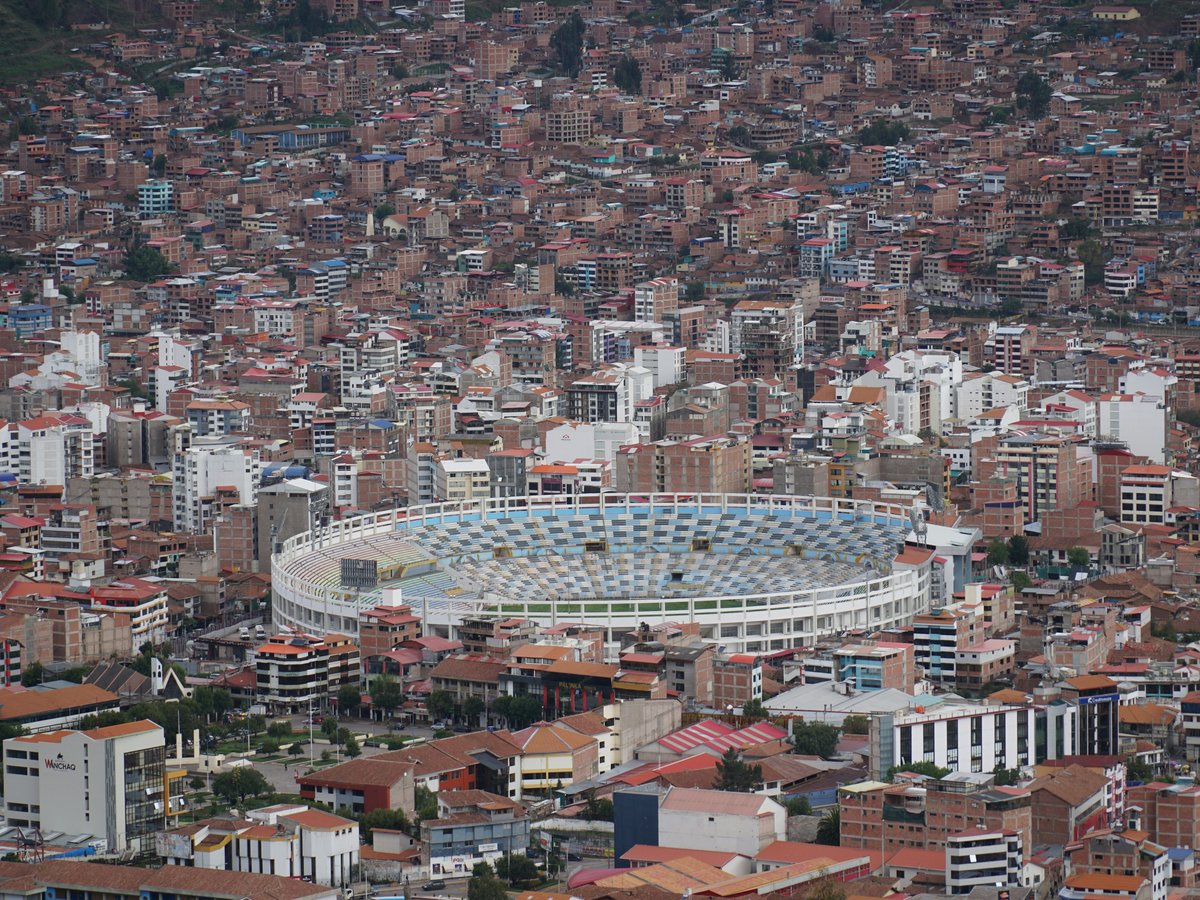
What's happening in Cusco this week?
Cusco runs on dry-season rhythms at 3,400 meters this week. Mornings start near 5°C and warm to the mid-teens by noon. San Pedro Market operates daily from 6am. The Pisac market peaks Sundays and Tuesdays. Most museums close Mondays. Friday and Saturday nights shift energy to Plaza de Armas and the bars on Calle Procuradores.
The dry season has Cusco locked in right now, which typically means cold, clear mornings and strong afternoon sun at 3,400 meters. Temperatures are sitting around 5°C with overcast skies and near-total humidity. That's not unusual for a dry-season dawn. By 10am most days, the cloud cover burns off and you get fierce UV through thin air. The pattern tends to hold week after week, with almost no rain. The altitude hits most visitors harder than the 0°C nights. Your first 24-48 hours should be deliberately slow. Drink coca tea. Mate de coca runs about 2 soles at any cafe on the plaza. Walk at half your normal pace. Skip the day-one Saqsaywaman hike that every hostel receptionist will push on you. That site sits at 3,700 meters, 300 meters above town. Visitors who try it on day one often end up at Clínica Pardo on Avenida de la Cultura.
San Pedro Market, 2 blocks southwest of Plaza de Armas, anchors Cusco's weekly food rhythm. It opens daily around 6am and winds down by 5pm. The best produce arrives Tuesday and Saturday mornings, when farmers from the Sacred Valley bring quinoa, chuño (freeze-dried potato), and fresh corn still warm from the morning harvest. Sunday is quieter inside San Pedro but bigger at Pisac, about 45 minutes by colectivo from Calle Puputi for 3-4 soles. The Pisac market fills the main square with textiles and ceramics, though locals tend to shop there on Tuesday and Thursday when the tourist markup drops. The Saturday Baratillo flea market on Avenida del Ejército draws a local crowd for secondhand clothing, electronics, and household goods. You'll smell roasting corn and anticuchos (beef heart skewers, 3-5 soles) from the carts along its edges.
Monday is the worst day for museums. The Museo Inka on Cuesta del Almirante closes, and several smaller galleries in San Blas shut their doors. Cusco Cathedral on Plaza de Armas (construction began 1559) stays open daily, but the Boleto Turístico sites, including Saqsaywaman, Tambomachay, Puka Pukara, and Q'inqu, run Tuesday through Sunday with fewer crowds midweek. Wednesday and Thursday mornings at Coricancha (the Inca sun temple, founded around 1201, later overlaid by the Santo Domingo convent) tend to be the calmest. You might have entire rooms to yourself before 9am. Friday evenings shift the energy toward the plaza, where university students gather and the restaurants along the portales fill up. Expect live Andean music at most bars on Calle Procuradores from Thursday through Saturday nights. A pisco sour runs 15-20 soles. A large Cusqueña, about 12.
Cusco eats on an altitude-adjusted schedule. Almuerzo is the big meal, served between noon and 2pm at most restaurants as a menú del día for 8-15 soles. That gets you soup, a main plate, and a drink. Dinner tends to be lighter and later, around 8pm. If you want to try cuy (roasted guinea pig), order it at lunch on Calle Plateros or Calle Suecia near the plaza. It takes about 45 minutes to prepare and costs 45-70 soles. The skin comes crackling-crisp and one portion typically feeds two. For something less daring, lomo saltado (stir-fried beef with fries and rice) runs 22-30 soles at most sit-down spots along the portales. San Blas, the artisan quarter uphill from the cathedral, gets quieter in the evenings, but its cobblestones turn slick after dark. Wear shoes with grip. At roughly 3.38 soles per dollar, a full day of eating and transport in Cusco comes to about 80-120 soles, or $24-36.
No verified events are listed for this week. We publish only events we can confirm against an official source, never guesses.
Last verified by automated review (v1.7.2) on . What is automated review?