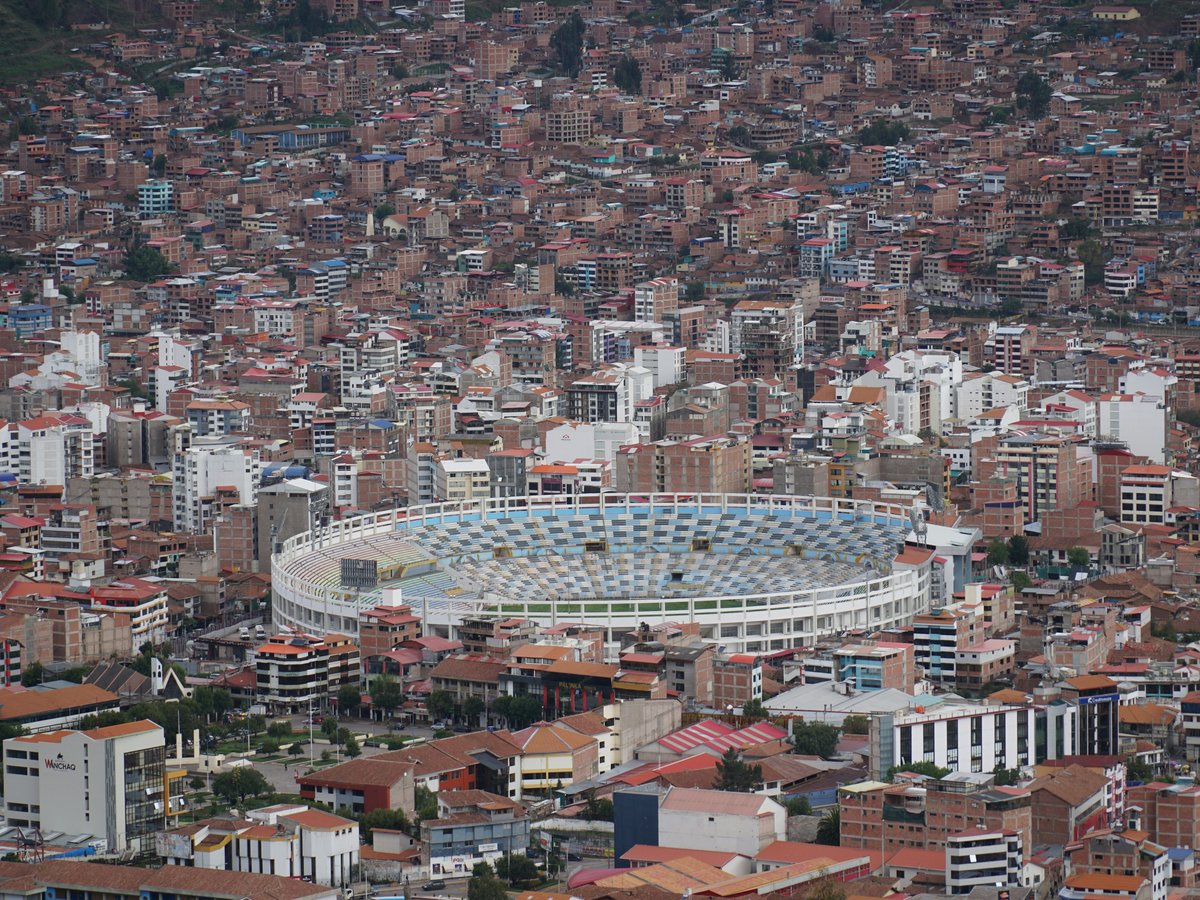
Stay in Cusco in November
91 hotels in the Trip.com pool for Cusco, from US$8 a night.
Opens Trip.com on Fri 6 Nov to Sun 8 Nov 2026; change the dates there.
November in Cusco is when the wet season stops being theoretical. October in the Sacred Valley might have tested you with a few afternoon showers. November commits fully. Rain falls on most days, typically rolling in between 1 and 3 PM, heavy enough to clear the streets around Plaza de Armas within minutes. Mornings at 3,400 meters (11,150 feet) still break cool and bright, with afternoons topping out around 19°C (66°F) even on dry days. By evening, damp air settles into the stone streets of San Blas with a chill that surprises people expecting tropical warmth. The smell of eucalyptus and wood smoke drifts down from San Cristóbal on the hillside above.
November's drawbacks carry real compensations, though. Tour-group density at Coricancha, the sun temple dating to around 1201, drops to a fraction of its July peak. Hotels across Centro Histórico lower their rates. Five months of brown, dry hillsides around Cusco give way to green slopes across the Sacred Valley. You can visit Cusco Cathedral, whose construction began in 1559, with enough space to look up at the vaulted ceiling.
November 1-2 also brings Todos los Santos, when families carry ornate bread figures and full meals to Cementerio de la Almudena to share with their dead. Multi-day treks toward sites like Huchuy Qosqo get muddy, and the damp evening cold at altitude feels more penetrating than July's dry version. But that cemetery celebration alone makes November worth considering if you are drawn to Andean-Catholic traditions that most June-to-August visitors never witness.
Why visit in November
- Hotel rates across San Blas and Centro Histórico typically fall 25-35% from dry-season peaks, and tour operators discount group departures to fill seats
- Crowd levels at major sites drop sharply. Saqsaywaman, Coricancha, and Cusco Cathedral all become easier to visit without competing for space
- The landscape surrounding Cusco transforms from 5 months of dry brown to green hillsides, making the Sacred Valley photogenic in ways the dry season cannot match
- Todos los Santos on November 1-2 opens a window into Andean-Catholic syncretic traditions, with cemetery feasts and festival bread that peak-season visitors rarely encounter
Worth knowing
- Rain falls on most days, with afternoon downpours regularly cutting outdoor sightseeing short from around 1 PM onward
- Multi-day treks become muddier and less predictable. Trail sections on routes toward Huchuy Qosqo can wash out after heavy storms
- Some tour operators reduce departure frequency in November, and a few smaller agencies close entirely until May
- Afternoon cloud cover and storms shrink the reliable window at outdoor archaeological sites to roughly 4-5 morning hours
Best for
Think twice if
November sits firmly in Cusco's wet season. Mornings tend to start clear and dry, with strong Andean sun that deceives. Clouds build through midday, and afternoon rain arrives on roughly 24 of the month's 30 days. The storms are usually heavy but contained, lasting 1 to 3 hours before tapering to drizzle by early evening. Daytime temperatures reach an average high of 18.6°C (65°F), comfortable in the sun but cool in shade. Nights average 7.9°C (46°F) with 72% humidity, and the dampness makes the cold feel sharper than the numbers suggest. UV intensity remains strong at this elevation regardless of cloud cover.
Seasonal caution
- UV radiation at this altitude regularly reaches index 11+ even under partial cloud cover. Unprotected skin can burn in under 15 minutes during clear morning hours. Apply SPF 50+ before leaving your hotel.
- Afternoon thunderstorms bring lightning to exposed elevated sites. Leave ridgeline trails and open plateaus before storm clouds build, typically by noon.
- Sudden temperature drops of 8-10°C when storms arrive create hypothermia risk for hikers caught on exposed trails without waterproof shells. Carry rain gear on every outing, even when the morning sky looks clear.
Year-round climate
Averages from the last 5 years.
| Month | Avg high (°C) | Avg low (°C) | Rainfall (mm) |
|---|---|---|---|
| Jan | 17 | 8 | 226 |
| Feb | 17 | 8 | 185 |
| Mar | 16 | 8 | 180 |
| Apr | 17 | 7 | 74 |
| May | 17 | 6 | 35 |
| Jun | 18 | 5 | 5 |
| Jul | 19 | 5 | 7 |
| Aug | 19 | 5 | 20 |
| Sep | 19 | 6 | 41 |
| Oct | 19 | 7 | 92 |
| Nov | 19 | 8 | 169 |
| Dec | 18 | 8 | 180 |
Holidays and festivals in November
Public holidays
- All Saints Day(Día de Todos los Santos)1 November 2026
Best things to do in November
Todos los Santos cemetery celebrations
culturalFamilies converge on Cementerio de la Almudena in the Santiago district on November 1-2 to share food, drink, and music with their dead. Tables are set up at gravesites with the deceased's favorite dishes. Musicians wander between plots playing huaynos. The atmosphere is closer to a neighborhood feast than a funeral.
Occurs only on November 1-2, tied to the Catholic-Andean syncretism around All Saints' DayBooking tipNo booking needed. Arrive mid-morning on November 1 for the fullest atmosphere. Respectful observation is welcomed, but ask before photographing individual families.
Morning visits to Saqsaywaman
sightseeingThe massive Inca fortress walls on the ridge above Cusco, with stones weighing up to 125 tonnes, sit against a backdrop of green hillsides after the first rains. The site is large enough to absorb November's reduced visitor count without feeling empty. The acoustics of the open plateau feel different in the damp morning air.
November's lower crowds let you explore without tour-group congestion, and the green surrounding hills create a strong contrast with the grey stoneworkBooking tipCovered by the Boleto Turístico. Arrive by 8 AM to maximize clear-sky time before afternoon clouds build.
Tipón water features at peak flow
sightseeingThe Inca-engineered fountains at Tipón carry water year-round, but during November the channels run at noticeably higher volume from accumulated rainfall. The hydraulic engineering becomes more evident when rain feeds the system to capacity. The terraces are green and actively planted.
Wet-season rainfall feeds the Inca channels to their fullest flow. The contrast between engineered waterworks and wild rainfall is only visible during the November-to-March window.Booking tipCovered by the Boleto Turístico. Hire a taxi from Cusco for about 60-80 PEN round trip rather than waiting for infrequent colectivos.
Cooking classes in San Blas
culinaryCusco's artisan quarter hosts several cooking schools where you can spend a rainy afternoon preparing dishes like rocoto relleno, alpaca anticuchos, or ceviche de trucha. Most classes start with a morning market visit to Mercado San Pedro and move into kitchen instruction after lunch.
November's afternoon rain pattern makes indoor activities essential from 1 PM onward. Seasonal ingredients like tuna fruit and fresh habas (fava beans) add November-specific elements to the menu.Booking tipBook 3-4 days ahead for weekend classes. Weekday sessions often have availability same-day.
Mercado San Pedro food tour during Todos los Santos
culinaryCusco's central market expands its offerings in the days around November 1-2, with stalls displaying elaborate festival bread, whole roast pork, and seasonal preparations. The market operates under a covered roof, making it immune to afternoon rain. The sensory overload of spices, fresh fruit, sizzling meat, and shouted prices concentrates during festival week.
The Todos los Santos preparations bring seasonal foods and expanded stall activity that appear only during the final week of October and the first days of November.Sacred Valley day trip to Ollantaytambo and Pisac
sightseeingThe Sacred Valley floor sits at around 2,800 meters, roughly 600 meters below Cusco, with slightly warmer temperatures and sometimes different rain timing. The agricultural terraces at both Ollantaytambo and Pisac are actively planted and green in November. The Urubamba River runs fuller with wet-season water, changing the valley's character from its dry-season appearance.
The terraces are planted and green, the river is high, and crowds at both sites are significantly thinner than in the May-to-September window. The lower altitude also offers a mild break from Cusco's elevation.Booking tipColectivos to Pisac and Ollantaytambo run frequently in the morning. Depart early to maximize clear weather before afternoon clouds build.
Church of the Society of Jesus and indoor heritage circuit
culturalThe Jesuit church on Plaza de Armas has a baroque interior with gilded altarpieces that reward slow examination. Pair it with the Museo Inka on Cuesta del Almirante for a full rainy-afternoon program. Both are within a 5-minute walk of the main square.
November's afternoon rain makes indoor heritage sites essential rather than optional. Lower visitor numbers mean you can spend 45 minutes with a gilded altar instead of being shuffled through in 10.Booking tipThe Church of the Society of Jesus charges a separate entrance fee. Check opening hours in advance, as they sometimes shorten in low season.
What to eat in November
In season: fruit
Tuna (prickly pear)
The fruit of the nopal cactus comes into early season as November's warmer days arrive. Market vendors sell them peeled and ready to eat for around 1 PEN each. The flavor is mild and sweet, with a texture between kiwi and watermelon. The deep magenta variety tends to be sweeter than the green.
On menus now
Lechón al horno
Slow-roasted pork prepared for the Todos los Santos feast, typically served alongside tamales and mote (hominy corn). Families prepare whole lechón for the November 1-2 cemetery celebrations, and Mercado San Pedro vendors sell individual portions through the first week of the month.
Chairo
A hearty Andean soup built on chuño (freeze-dried potato), lamb or beef, and fresh vegetables. The dish is a wet-season staple in Cusco's comedores (lunch restaurants) and hits differently on a cold, rainy afternoon. Mercado San Pedro and Mercado de Wanchaq both serve bowls for under 10 PEN.
What to drink
Ponche cusqueño
A warm spiced punch made with cinnamon, cloves, and seasonal fruit, sold from market stalls and street carts as the rainy-season evening chill settles in. The drink appears more frequently from November through March. It warms you from the inside on a damp walk back to your hotel at dusk.
Festival food
T'anta wawa
Ornate bread figures shaped like swaddled babies, baked across Cusco for Todos los Santos. Bakery stalls in Mercado San Pedro display them from mid-October onward. Each figure is decorated with colored dough and sometimes filled with manjar blanco. Quality and price vary widely between market stalls and tourist-facing shops near Plaza de Armas.
Regular events in November
Todos los Santos (All Saints' Day)Free
Cusco's most significant November tradition. Families bake t'anta wawa bread, prepare elaborate meals, and visit cemeteries to share food with the dead. Cementerio de la Almudena in the Santiago district becomes an open-air feast. The tradition blends Catholic observance with pre-Columbian Andean ancestor veneration.
November 1Día de los Difuntos (Day of the Dead)Free
The second day of the extended Todos los Santos celebration. Families return to cemeteries for another round of offerings. Church services across Centro Histórico are heavily attended. The atmosphere remains festive rather than somber.
November 2Feast of San Martín de PorresFree
Peru's beloved saint, born in Lima in 1579, is celebrated with processions and church services across the country. In Cusco the observance is modest compared to Lima but visible in parish churches throughout Centro Histórico and Wanchaq.
November 3Best places this November
Tipón
archaeological siteInca-engineered irrigation terraces and fountains about 25 km southeast of Cusco. Less visited than Saqsaywaman and more intimate in scale. The surrounding agricultural terraces are actively growing in November, and the drive through the countryside shows off the wet-season green.
Mercado San Pedro
marketCusco's main covered market becomes the epicenter of Todos los Santos food preparation in late October and early November. Festival bread, roasted pork, seasonal fruit, and fresh produce fill the stalls under a rain-proof roof. It doubles as a reliable refuge from afternoon storms.
San PedroCementerio de la Almudena
cultural siteThe site of Cusco's Todos los Santos celebrations on November 1-2. Families set up at gravesites with food, drink, and hired musicians. Outside the festival dates it is a quiet, tree-lined cemetery with views across the valley toward the green hills.
SantiagoQ'inqu
archaeological siteA carved limestone archaeological site in the hills above Cusco, less visited than its neighbors on the Saqsaywaman circuit. The green November hillsides frame the carved rock outcrops in ways the brown dry season does not. Fewer visitors make the site feel more contemplative.
Mirador de San Cristóbal
viewpointThe viewpoint beside the Church of San Cristóbal offers a panoramic sweep over Cusco's red rooftops toward the green hills beyond. Morning light in November is particularly clear before the clouds build. The eucalyptus trees around the plaza give the spot its distinctive scent.
San CristóbalChurch of the Society of Jesus
churchThe Jesuit church on Plaza de Armas, completed in 1668, with an elaborately gilded baroque interior. Lower November crowds mean you can study the carved wood and gold leaf at your own pace rather than being swept through by tour groups. A strong rainy-afternoon option.
Centro Histórico
Your packing checklist
Tick items off as you pack. Your progress saves in this browser.
All packed — have a great trip.
Insider tips
The reliable sightseeing window in November runs from about 7 AM to noon. Plan every outdoor activity before lunch. Stack indoor options like Museo Inka, chocolate workshops, and Mercado San Pedro for the afternoon. This is the single most useful scheduling rule for the month.
Festival bread for Todos los Santos costs roughly 3 times more from vendors near Plaza de Armas than from bakery stalls inside Mercado San Pedro. The market versions are often better quality, too. Go before November 1 for the widest selection.
Cusco taxis have no meters. A ride from Plaza de Armas to Saqsaywaman should run 8-10 PEN (about 3 USD at current rates). Always agree on the fare before getting in. Rides within Centro Histórico should not exceed 5-6 PEN.
The Boleto Turístico does not include Coricancha or Cusco Cathedral, which charge separate entrance fees. Budget for both if you want strong indoor options for rainy afternoons.
During afternoon storms the covered portales (arcades) around Plaza de Armas fill with people waiting out the rain. Some of the cafés along these corridors serve complimentary coca tea with a food order. It is a pleasant way to spend an hour.
Avoid these mistakes
- Many visitors plan noon or afternoon visits to outdoor ruins like Tambomachay or Puka Pukara. In November the morning-only weather window means you need to reach any outdoor site by 8 or 9 AM and finish before clouds build. A 1 PM arrival likely means rain within the hour.
- Tourists often pack lightweight clothing because Peru sits near the equator. At Cusco's altitude, a rainy November evening feels closer to autumn in northern Scotland than anything tropical. Bring a warm waterproof jacket and fleece layers, not shorts and sandals.
- Many visitors dismiss the November 1-2 cemetery celebrations as funereal or skip them entirely. What happens at Cementerio de la Almudena during Todos los Santos is closer to a neighborhood feast. Families set tables, share food, and hire musicians. It is November's most distinctive cultural moment in Cusco.
Practical tips for November
Book Inca Trail permits through licensed operators at least 3 months ahead, even in November. The daily cap of 500 people (including porters and guides) still constrains availability on preferred dates. The Boleto Turístico covers 16 sites and is valid for 10 days. Coricancha and Cusco Cathedral charge separate entrance fees. Most museums and churches close by 5 PM. November 1 is a national holiday in Peru, so banks and government offices close, though tourist-facing businesses remain open. Currency exchange along Avenida El Sol in Wanchaq tends to give better rates than the kiosks at Alejandro Velasco Astete airport. The rate currently sits around 3.35 PEN per US dollar. Coca tea (mate de coca) is available in most hotels and restaurants, often complimentary. Start drinking it on arrival to help with the 2-3 acclimatization days most visitors need at this elevation.
FAQ
Is November a good time to visit Cusco?
November is a fair-weather month for Cusco, not a great one. You will deal with rain on most days, concentrated in the afternoons. Mornings tend to be clear, so outdoor sightseeing is possible if you plan around the weather pattern. The real draws are lower prices, thinner crowds at major sites, green landscapes, and the Todos los Santos celebration on November 1-2. If reliable all-day dry weather matters to you, the May-to-September window is the better choice.
What is the weather like in Cusco in November?
Expect daytime highs near 19°C (66°F) and lows below 8°C (46°F), with roughly 169mm of rain across the month. Mornings are typically clear and sunny. Clouds build by midday, and storms roll in between 1 and 3 PM. The rain is usually heavy but short-lived, lasting 1-3 hours. Humidity averages 72%, which makes the cool evenings feel colder than the thermometer suggests. UV radiation at altitude is intense even on partly cloudy days.
Is Cusco crowded in November?
No. November is low season in Cusco. The June-to-August dry-season crowds have gone, and the December holiday bump has not started. You will find shorter lines at major sites, available hotel rooms, and organized tours running at partial capacity. The one exception is November 1-2 during Todos los Santos, when local visitor numbers rise at cemeteries and markets. That crowding is Cusqueño families, not tour groups.
Is it safe to travel solo in Cusco in November?
Standard precautions apply year-round in Cusco. Stick to well-lit streets in Centro Histórico and San Blas at night. Avoid displaying expensive electronics openly. Use registered taxis or ride-hailing apps. November does not introduce month-specific safety concerns beyond wet cobblestones after dark, which do increase the slip-and-fall risk. Lower tourist density means fewer opportunistic pickpockets around major sites.
Can you do the Inca Trail in November?
Yes. The Inca Trail is open in November. It closes only in February for annual maintenance. Trail conditions are muddier than in dry season, and some sections become slippery on rain-soaked stone steps. The daily permit cap still applies, so book at least 3 months ahead through a licensed operator. The upside is fewer hikers on the trail and greener scenery along the route. The downside is that views of Machu Picchu from the Sun Gate are more likely to be obscured by cloud on arrival morning.
Things to Do in Cusco in November

Inca Trail 4-Day Trek to Machu Picchu – Return by Vistadome Train
Outdoor experience: 4 days.
via Viator Free cancellation
 Sacred Valley Full Day Tour
Day trip: 10 hours, free cancellation.
via Viator
4-Day Inca Trail Trek to Machu Picchu & Panoramic Train
Outdoor experience: 4 days.
via Viator
Classic 5-Day Salkantay Trek to Machu Picchu: Small Group Hike
Outdoor experience: 5 days.
via Viator
2-Day Short Inca Trail to Machu Picchu – Vistadome & 4-Star Hotel
Outdoor experience: 2 days.
via Viator Free cancellation
 Excursion to Rainbow Mountain Full Day Optional Red Valley
Outdoor experience: 12 hours, free cancellation.
via ViatorFind a flight to Cusco
Live fares to Cusco appear here once cookies are accepted.
Last verified by automated review (v1.7.2) on . What is automated review?