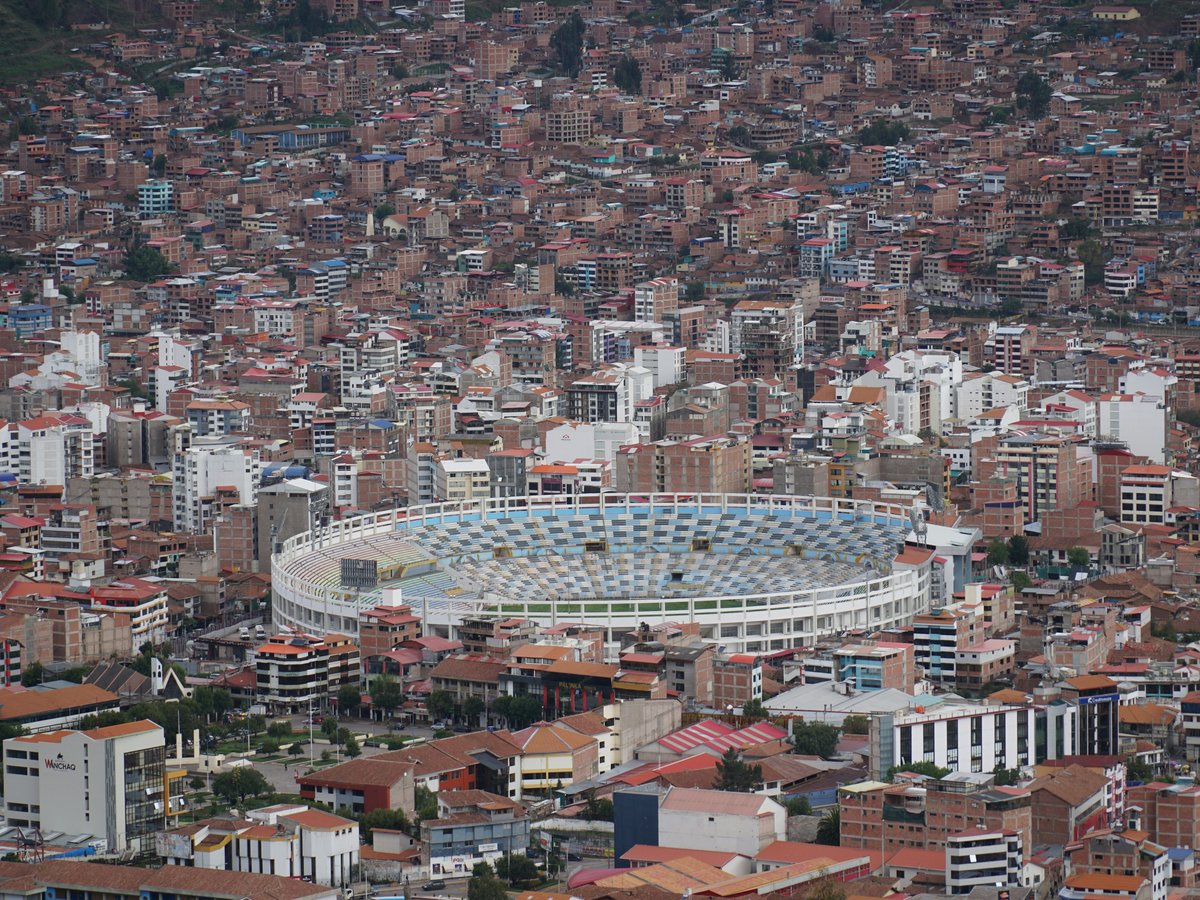
Stay in Cusco in August
91 hotels in the Trip.com pool for Cusco, from US$8 a night.
Opens Trip.com on Fri 6 Aug to Sun 8 Aug 2027; change the dates there.
August is the driest stretch of Cusco's winter, and every trekker, tour operator, and backpacker on the continent seems to know it. Days are mild and bright under Andean sun at 3,400 meters (11,150 feet), but the cold after sunset catches many visitors off guard, particularly those arriving from sea-level Lima on a 75-minute flight. Rainfall for the entire month amounts to less than a single heavy wet-season day in January, and the skies over the Plaza de Armas tend to stay clear well into the afternoon. That means unobstructed views of the surrounding peaks and near-ideal conditions for reaching Saqsaywaman on foot or heading out on the Inca Trail.
That said, August is also absolute peak season. Hotels in San Blas and around the Centro Histórico fill weeks in advance. You'll share the narrow colonial streets with more organized tour groups than almost any other month, and prices for accommodation rise accordingly. If you want a quiet experience of the old Inca capital, this is likely not your month.
The tradeoff tends to be worth it for most travelers, though. Dry weather, reliable sunshine, and Andean traditions like the Pachamama offerings on August 1 make this one of the strongest months on the calendar for outdoor exploration across the Sacred Valley and the surrounding highlands.
Why visit in August
- One of the 3 driest months on Cusco's calendar, with clear skies most mornings and ideal conditions for multi-day treks like the Inca Trail and the Salkantay route.
- Dry air and minimal cloud cover keep the Andes visible from lookouts like Mirador de San Cristóbal and from the terraces at Saqsaywaman on most days.
- Peak-season infrastructure runs at full capacity, so tour operators, restaurants, and colectivo routes to Sacred Valley towns like Pisac and Ollantaytambo all operate on their most frequent schedules.
- Mild daytime temperatures keep walking comfortable even on steep uphill climbs to outlying sites like Puka Pukara and Tambomachay.
Worth knowing
- Popular accommodations in San Blas and the Centro Histórico book out well before August arrives. Spontaneous trips to Cusco in peak season typically mean settling for budget hostels or lodging outside the historic core.
- Accommodation and guided tour prices hit their annual ceiling. August is the most expensive month to visit Cusco by most measures.
- Nighttime temperatures drop sharply, and the thin air at altitude makes the cold feel more penetrating than the numbers suggest. Visitors arriving in sandals and light layers face an uncomfortable first night.
- The narrow streets around the Plaza de Armas and the approach to Coricancha can feel congested with organized tour groups between 10am and 3pm.
Best for
Think twice if
August sits in the heart of Cusco's dry season. Mornings typically dawn cold and cloudless, with frost possible on the ground outside the city center. By midday the Andean sun feels strong on exposed skin, though air temperature stays in the high teens Celsius. The cold is real. You might walk comfortably in a t-shirt at noon and need a down jacket by 7pm. Humidity remains low, and the dry air chaps lips and dehydrates skin noticeably within a day or two. The occasional shower tends to arrive in late afternoon but rarely lasts more than 20 minutes.
Seasonal caution
- UV radiation at 3,400 meters is roughly 20% stronger than at sea level. Sunburn can happen within 30 minutes of midday exposure without protection, even on days with light cloud.
- Nighttime temperatures can approach 0°C (32°F) outside the city center and at higher-elevation sites like Tambomachay. Wind chill on exposed ridgelines drops the effective temperature further.
- Altitude sickness (soroche) affects roughly half of visitors arriving from sea level. Symptoms typically appear within 6-12 hours and include headache, nausea, and shortness of breath. Spend at least 2 full days acclimatizing before any strenuous activity.
Year-round climate
Averages from the last 5 years.
| Month | Avg high (°C) | Avg low (°C) | Rainfall (mm) |
|---|---|---|---|
| Jan | 17 | 8 | 226 |
| Feb | 17 | 8 | 185 |
| Mar | 16 | 8 | 180 |
| Apr | 17 | 7 | 74 |
| May | 17 | 6 | 35 |
| Jun | 18 | 5 | 5 |
| Jul | 19 | 5 | 7 |
| Aug | 19 | 5 | 20 |
| Sep | 19 | 6 | 41 |
| Oct | 19 | 7 | 92 |
| Nov | 19 | 8 | 169 |
| Dec | 18 | 8 | 180 |
Holidays and festivals in August
Public holidays
- Battle of Junin(Batalla de Junin)6 August 2027
- Santa Rosa de Lima(Santa Rosa de Lima)30 August 2027
Best things to do in August
Inca Trail to Machu Picchu
trekkingThe classic 4-day, 43-kilometer trek through cloud forest and Inca ruins to Machu Picchu. August's dry conditions mean fewer mud hazards on steep sections, clearer views from the Sun Gate at arrival, and colder but more comfortable camping temperatures than the wet season.
Minimal rainfall and reliable visibility make the high passes safer, and the views from Warmiwañusca (Dead Woman's Pass, 4,215 meters) are consistently open.Booking tipAugust permits are the first to sell out each booking year. Reserve through a licensed operator registered with Peru's Ministry of Culture as far ahead as possible.
Explore the Saqsaywaman archaeological complex
archaeologyThe massive Inca stone walls and ceremonial grounds sit 2 kilometers uphill from the Plaza de Armas. Dry-season ground is firm underfoot, and the views of Cusco's red-tile roofs below are unobstructed on most August mornings. The scale of the stonework only registers when you stand next to it.
Clear skies and dry paths. In the wet season from December through March, the grassy slopes turn slippery and clouds frequently hide the panoramic views.Booking tipCovered by the Boleto Turístico. Go before 9am to avoid the tour-bus crowds that arrive by mid-morning.
Sacred Valley circuit to Pisac and Ollantaytambo
day tripA full day through the Urubamba Valley. Stops include the Pisac ruins and market, the Maras salt terraces, and the fortress at Ollantaytambo. August's dry roads make the valley's winding mountain highways less hazardous, and the terraced hillsides look sharp under cloudless skies.
Dry conditions mean safer mountain roads, better visibility of the terraced landscape, and the Maras salt ponds at their most photogenic as white crystals form without rain dilution.Booking tipColectivos from Calle Pavitos in Cusco run to Pisac and Ollantaytambo throughout the day for a fraction of organized tour prices.
Highland stargazing
natureThe combination of altitude, dry winter air, and minimal light pollution outside Cusco proper produces some of the clearest night skies in South America. The Southern Cross, the Magellanic Clouds, and the Milky Way core are all prominent in August's evening sky. The darkness above the Sacred Valley, in particular, feels immense.
August's dry season delivers the lowest cloud-cover percentages of the year. The winter sky positions the Milky Way core directly overhead in the early evening hours.Booking tipOrganized astronomy tours depart from the Centro Histórico most evenings. Book 2-3 days ahead in August since group sizes fill quickly.
Pachamama Day ceremony participation
culturalAndean communities mark August 1 as the day Pachamama (Mother Earth) is most receptive to offerings. Despacho ceremonies involve coca leaves, flowers, and seeds burned or buried at sacred sites. Some take place at Saqsaywaman, others in Sacred Valley communities well outside the tourist track.
August 1 is the specific date. The tradition holds that Pachamama is hungriest at the start of the Andean agricultural cycle, and the ceremonies happen only now.Booking tipCommunity-based tourism operators in Cusco arrange respectful participation. Book at least a week ahead for August 1 departures.
Visit the Tipón water terraces
archaeologyThe Inca irrigation system at Tipón, about 25 kilometers southeast of Cusco, remains one of the most impressive hydraulic achievements in the Americas. Water still flows through the original channels and fountains across a dozen terraces. The precision is hard to overstate.
Dry conditions make the paths between terraces firm and safe. The water engineering is more visually striking when the surrounding hillside is brown and dry rather than uniformly green.Booking tipCovered by the Boleto Turístico. Take a colectivo from Avenida de la Cultura toward Oropesa and ask to be dropped at the Tipón turnoff.
Mountain biking from Maras to the Sacred Valley floor
adventureA popular descent starts near the Maras salt mines and drops through agricultural terraces and small villages to the valley floor. August's dry trails and firm ground make the downhill sections faster and more predictable than in the wet months, when mud turns the same routes into technical hazards.
Dry trails with firm, predictable surfaces. Several operators suspend the Maras descent entirely from January through March due to mud and erosion risk.Booking tipOperators in Cusco provide bikes, helmets, and shuttle transport. Book 2-3 days ahead since group sizes are capped and August demand is high.
What to eat in August
On menus now
Chairo cusqueño
A thick, warming soup built on chuño (freeze-dried potato), wheat, beef, carrots, and highland broad beans. Cusco's cold August nights make this the signature comfort dish at food stalls inside Mercado San Pedro and at neighborhood picantería. The texture is dense and starchy, the broth deeply savory.
Rocoto relleno
Cusco's spicy stuffed peppers, filled with seasoned ground beef, raisins, peanuts, and topped with melted queso fresco baked until golden. The capsaicin heat and baked cheese feel especially welcome during chilly August evenings at picantería in the San Jerónimo district south of the city center.
Street food peaks
Emoliente
A hot herbal drink brewed from toasted barley water, flaxseed, lime juice, and medicinal herbs like cat's claw. Wheeled vendor carts around the San Pedro neighborhood and near the Plaza de Armas start serving before dawn, making it a cold-morning staple for locals heading to work and travelers catching early treks.
What to drink
Ponche cusqueño
A warm, thick punch made with ground peanuts, sesame, cinnamon, cloves, and sometimes maca root. Street vendors sell it from insulated thermoses at markets and corners during the cold months, usually for 1-2 soles per cup. The nutty warmth pairs well with evening walks through San Blas.
In markets
Chuño
Freeze-dried potatoes produced during the cold dry nights from June through August in the highlands above Cusco. Families spread potatoes on the ground to freeze overnight and sun-dry during the day, repeating the cycle for several weeks. The current season's fresh chuño appears at San Pedro market in August, with a crumbly texture distinct from the stored product sold the rest of the year.
Regular events in August
Día de la PachamamaFree
Annual Andean observance honoring the Earth Mother. Communities across the Cusco region perform despacho ceremonies at archaeological sites, churches, and household altars. The tradition marks the start of the agricultural cycle in the Andean calendar and draws both local participants and cultural travelers.
August 1Fiesta de la Virgen de la AsunciónFree
Catholic feast day celebrated with processions and special masses at the Cusco Cathedral and several parish churches. The procession from the Cathedral through the Plaza de Armas is the visual highlight, smaller than the Corpus Christi procession in June but still striking against the colonial backdrop.
August 15Santa Rosa de LimaFree
National holiday honoring the first Catholic saint born in the Americas. Banks and government offices close across Peru. Tourist sites and most restaurants in Cusco's Centro Histórico remain open, though some shops keep shorter hours.
August 30Best places this August
Saqsaywaman
archaeological siteThe Inca stone fortress 2 kilometers above the Plaza de Armas. August's clear mornings make the walk up through the San Cristóbal neighborhood especially rewarding, with the entire city spread below under blue sky. The grassy terraces are dry and firm, unlike the slippery slopes of wet season.
San CristóbalMercado San Pedro
marketCusco's central market. The second-floor food stalls serve hot chairo and fresh juices starting early each morning. August cold makes the steaming bowls especially appealing. The ground floor sells produce, textiles, and dried goods. The whole market runs busier in peak season but retains a local feel before 9am.
San PedroBarrio de San Blas
neighborhoodThe artisan quarter above the Centro Histórico. Dry August weather makes the steep cobblestoned streets and outdoor craft workshops accessible without the mud that plagues wet-season visits. Small plazas host informal afternoon gatherings, and the neighborhood's cafes spill tables outdoors in the midday sun.
San BlasCoricancha (Temple of the Sun)
archaeological siteThe Inca sun temple, with roots reaching back to 1201, now sits beneath the Convento de Santo Domingo. August's low-angle winter sunlight enters the remaining Inca-built windows at a different angle than in summer months, illuminating stonework that stays in shadow much of the year.
Centro HistóricoMirador de San Cristóbal
viewpointThe lookout beside the Iglesia de San Cristóbal offers a panoramic sweep of Cusco's terracotta rooftops and the mountain ring beyond. August's dry, clear air makes this the sharpest-visibility season for the viewpoint, particularly at sunrise before the city wakes.
San CristóbalCusco Cathedral (Catedral del Cusco)
churchThe cathedral on the Plaza de Armas, begun in 1559, houses a celebrated painting of the Last Supper featuring cuy (guinea pig) as the main dish. The Virgen de la Asunción procession on August 15 departs from its main entrance.
Centro HistóricoIglesia de la Compañía de Jesús
churchThe Jesuit church on the southeast corner of the Plaza de Armas, completed in 1668. Its carved baroque facade catches the full force of August morning sunlight. Worth noting that the Jesuits built it deliberately to outshine the Cathedral across the square, which triggered a dispute that went all the way to Rome.
Centro Histórico
Your packing checklist
Tick items off as you pack. Your progress saves in this browser.
All packed — have a great trip.
Insider tips
Restaurants on the Plaza de Armas charge 2-3 times what identical dishes cost 2 blocks away on Calle Plateros or at the Mercado San Pedro food court. The quality off the plaza is often the same or better.
Buy the Boleto Turístico at the COSITUC office on Avenida El Sol rather than at individual ruins, where August queues can stretch 20-30 minutes. The full ticket covers 16 sites and is valid for 10 days.
The major ruins are nearly empty before 9am. Tour buses from Centro Histórico hotels depart around 9:30, so early risers get Saqsaywaman and the surrounding sites largely to themselves for the first hour.
The train to Machu Picchu from Ollantaytambo is significantly cheaper than departures from Poroy station near Cusco. A colectivo to Ollantaytambo takes roughly 90 minutes and cuts the overall transport cost considerably.
Avoid these mistakes
- Flying into Cusco and attempting a strenuous hike the same day. Altitude takes time to adjust to, and pushing through headaches leads to worse symptoms. Spend at least 2 full days walking gently around the city before heading to any high pass.
- Packing only summer clothes because August is summer back home. Cusco sits in the Southern Hemisphere, and August is mid-winter at altitude. Nighttime temperatures demand a proper insulating jacket, not a hoodie.
- Waiting until arrival to book the Inca Trail. August permits sell out months ahead through Peru's Ministry of Culture. Showing up without a reservation means pivoting to alternative routes like the Salkantay trek.
Practical tips for August
August is peak season, so book the Inca Trail and popular hotels at least 4-6 months ahead. The Boleto Turístico costs 130 PEN (roughly 38 USD at the current rate of 1 USD to 3.38 PEN) and covers 16 archaeological sites and museums for 10 days. Most ruins and museums open 8am to 5pm daily. Santa Rosa de Lima on August 30 is a national holiday that closes banks and government offices, though tourist sites stay open. Cash in Peruvian soles is essential for markets, colectivos, and small restaurants, since card acceptance outside the Centro Histórico remains limited. ATMs on Avenida El Sol dispense both soles and dollars. Tipping 10% at sit-down restaurants is customary but not mandatory. Mind you, pharmacies in the historic center stock altitude-sickness tablets (acetazolamide), but getting a prescription from your home doctor before the trip is smarter insurance.
FAQ
Is August a good time to visit Cusco?
For weather and outdoor conditions, August is one of the strongest months on Cusco's calendar. The dry season delivers clear skies and comfortable daytime temperatures that make trekking and ruin exploration genuinely pleasant. The cost is literal, though. Prices peak, crowds are at their annual highest, and advance booking is essential for marquee treks. It competes closely with June and July for the best overall window to visit.
What is the weather like in Cusco in August?
Dry and sunny during the day, cold at night. Expect comfortable conditions for walking and hiking during daylight hours, but bring warm layers for after sunset. Rain is minimal, with brief afternoon showers on roughly 7 days across the month. The dryness affects skin and lips noticeably within a day or two. The biggest surprise for most visitors is the temperature swing between afternoon warmth and the sharp chill after dark.
Is Cusco crowded in August?
Yes. August is peak season for international tourism in Cusco. The Inca Trail, Machu Picchu, and the major archaeological sites see their highest visitor numbers. The narrow streets of the Centro Histórico feel noticeably congested between late morning and mid-afternoon. Early mornings and evenings are significantly quieter, and neighborhoods like Wanchaq outside the tourist core carry on at their normal pace.
Do I need to book the Inca Trail in advance for August?
Yes, and far in advance. August permits are among the first to sell out each booking year because the dry-season weather draws maximum demand. Most travelers need to secure permits at least half a year before their departure date. There is no walk-up option. Alternative treks like the Salkantay and Lares routes do not require government permits but should still be booked 2-3 weeks ahead in August due to guide and campsite demand.
What should I wear in Cusco in August?
Layers. The temperature difference between midday and night can reach 14°C. During the day, a t-shirt or light long-sleeve with sun protection works well. By evening, you need a fleece or down jacket. Closed-toe shoes with grip handle the cobblestoned streets and uneven terrain at archaeological sites. A packable rain shell covers the occasional afternoon shower.
Things to Do in Cusco in August

Inca Trail 4-Day Trek to Machu Picchu – Return by Vistadome Train
Outdoor experience: 4 days.
via Viator Free cancellation
 Sacred Valley Full Day Tour
Day trip: 10 hours, free cancellation.
via Viator
4-Day Inca Trail Trek to Machu Picchu & Panoramic Train
Outdoor experience: 4 days.
via Viator
Classic 5-Day Salkantay Trek to Machu Picchu: Small Group Hike
Outdoor experience: 5 days.
via Viator
2-Day Short Inca Trail to Machu Picchu – Vistadome & 4-Star Hotel
Outdoor experience: 2 days.
via Viator Free cancellation
 Excursion to Rainbow Mountain Full Day Optional Red Valley
Outdoor experience: 12 hours, free cancellation.
via ViatorFind a flight to Cusco
Live fares to Cusco appear here once cookies are accepted.
Last verified by automated review (v1.7.2) on . What is automated review?