Stay in Lagos in February
20 hotels in the Trip.com pool for Lagos, from US$31 a night.
Opens Trip.com on Fri 5 Feb to Sun 7 Feb 2027; change the dates there.
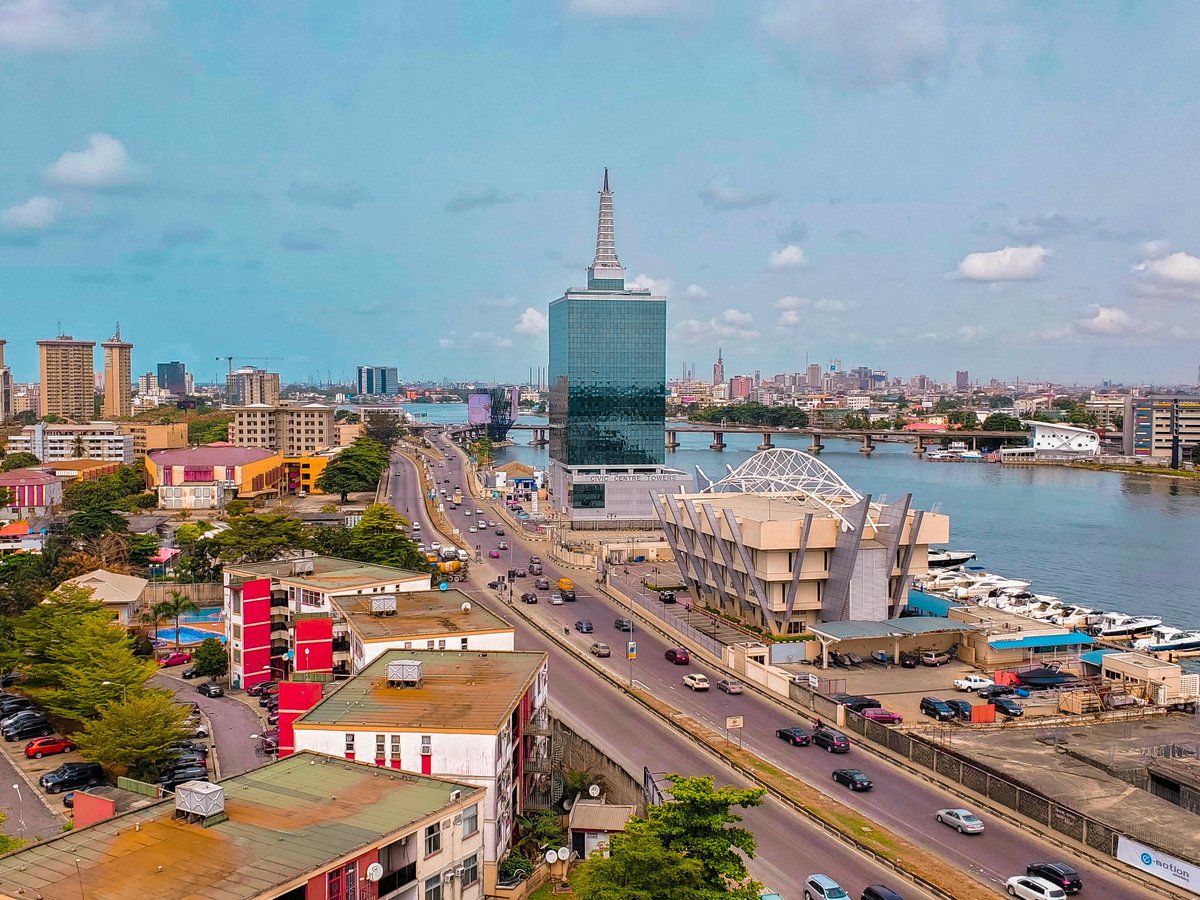
February in Lagos falls at the tail end of the harmattan, when dry, dust-laden air from the Sahara still lingers over the lagoon. You'll likely notice a persistent haze softening the skyline between Victoria Island and Lagos Island, plus a chalky dryness on your skin that the tropical humidity never quite offsets. Daytime temperatures average 32.2°C (90°F) with overnight lows around 25.4°C (78°F), and rainfall is minimal at roughly 30mm across 8 scattered days. The Access Bank Lagos City Marathon, one of West Africa's largest road races, takes over the streets this month and draws tens of thousands of runners through Surulere and across Eko Bridge.
The humidity, averaging 78%, compounds the heat into something that feels several degrees beyond the thermometer. It hits you the moment you step out of Murtala Muhammed International Airport and does not ease up in the city itself. To be fair, February is considerably more comfortable than June or September, when monthly rainfall tops 200mm and low-lying roads in areas like Lekki and Ajah can flood for days.
The harmattan haze is the trade-off for those dry conditions. Visibility drops on the heavier days, sunsets turn deep orange behind the Saharan dust, and anyone with respiratory sensitivities should prepare. The dry weather means open-air spots, from Balogun Market on Lagos Island to the beach bars at Elegushi, the suya grills along Allen Avenue in Ikeja, and the 401-metre canopy walkway at Lekki Conservation Centre, all work without the threat of downpours that define the second half of the year.
Why visit in February
- Dry-season conditions mean outdoor plans work without the flooding that hits between June and October, when Lagos regularly sees over 150mm of rain per month
- Agbalumo (African star apple) peaks between January and March, with street vendors selling the tart, citrusy fruit at bus stops and market entrances across Yaba, Ojuelegba, and the mainland
- Hotel and short-stay rates settle to moderate levels after the December-January peak, particularly on Victoria Island and in Ikoyi
- The Access Bank Lagos City Marathon takes over the streets this month, temporarily creating car-free corridors through Surulere and across Eko Bridge that are normally gridlocked
Worth knowing
- Harmattan haze from the Sahara reduces air quality and visibility across the city for much of February, particularly near the lagoon and in traffic-heavy corridors around Apapa
- Solo-traveller safety scores 2.8 out of 10 (see the TTDI Solo-Safety Index), and petty crime increases in crowded areas like Balogun Market and Computer Village after dark
- Traffic on Third Mainland Bridge and Lekki-Epe Expressway can stretch a 15km journey to 2 or 3 hours during weekday rush windows
Best for
Think twice if
Lagos in February sits in the dry season, but the city's coastal position keeps the air thick and sticky. The harmattan wind suppresses rain to brief, scattered afternoon showers while pushing Saharan dust into a haze that hangs over the skyline from Victoria Island to the mainland. Full sun on Lagos Island at midday feels substantially hotter than the published forecast would suggest. Mornings before 9:00 along the Onikan and Marina waterfront are the most comfortable window for outdoor sightseeing, and evenings after 17:00 around Lekki and Ikoyi cool down enough for extended walks.
Seasonal caution
- Harmattan dust from the Sahara degrades air quality across Lagos through most of February, particularly in high-traffic corridors along the Apapa-Oshodi Expressway and around the mainland's industrial zones. Particulate matter levels rise, and people with asthma, allergies, or chronic respiratory conditions may experience flare-ups. A KN95 or similar mask is worth packing for open-air markets like Balogun and Computer Village.
- Tropical UV exposure remains intense through the harmattan haze. Unprotected skin burns quickly at midday on Elegushi Beach or the Tarkwa Bay sand, and the haze gives a false sense of cloud cover that encourages people to skip sunscreen.
Year-round climate
Averages from the last 5 years.
| Month | Avg high (°C) | Avg low (°C) | Rainfall (mm) |
|---|---|---|---|
| Jan | 32 | 25 | 20 |
| Feb | 32 | 25 | 30 |
| Mar | 32 | 26 | 85 |
| Apr | 32 | 26 | 98 |
| May | 31 | 26 | 112 |
| Jun | 29 | 25 | 246 |
| Jul | 28 | 24 | 183 |
| Aug | 28 | 24 | 128 |
| Sep | 28 | 24 | 208 |
| Oct | 29 | 24 | 173 |
| Nov | 31 | 25 | 64 |
| Dec | 32 | 24 | 24 |
Headline events
Access Bank Lagos City Marathon
Second Saturday of February
One of West Africa's largest road races. The course moves through Surulere, passing the Lagos National Stadium (built in 1961) and the Teslim Balogun Stadium (opened in 1984), before crossing to the island via Eko Bridge. Since its inaugural edition in 2016, the marathon has grown into a continental-level event attracting elite East African distance runners alongside tens of thousands of local participants. Music stages and food vendors line key junctions along the route, and the car-free corridors create a rare opportunity to walk streets that are normally gridlocked.
Best things to do in February
Beach day at Tarkwa Bay
outdoorTarkwa Bay is a sheltered beach accessible by boat from Five Cowries Terminal in Ikoyi or from private jetties along the Victoria Island waterfront. The sand is coarse, the water is warm, and the bay's sheltered position behind the breakwater keeps the surf gentle. Beach shacks sell grilled fish and cold drinks along the shoreline.
February's dry conditions and low Atlantic swell create the calmest water of the year, and the harmattan haze filters the harshest direct sun slightly.Booking tipArrange boat transport early in the morning from Five Cowries Terminal in Ikoyi. Afternoon return boats fill quickly on weekends and can strand you if you wait too long.
Walk the canopy at Lekki Conservation Centre
natureThe canopy walkway stretches 401 metres through wetland forest on the Lekki Peninsula, reaching heights of about 22 metres above the mangrove floor. The elevated perspective over the lagoon-side swamp is the main draw, alongside ground-level nature trails through the 78-hectare reserve.
Dry-season boardwalks are firm rather than waterlogged, and reduced rainfall lowers mosquito density compared to the wet months.Booking tipArrive before 10:00 to avoid school groups and weekend crowds on the walkway.
Evening suya crawl along Allen Avenue, Ikeja
foodAllen Avenue becomes a strip of suya vendors after dark, with charcoal grills producing clouds of spiced, smoky, peanut-scented air. The atmosphere is social and loud, with clusters of people eating standing up or perched on car boots. Each vendor's yaji spice blend tastes slightly different, so sampling 2 or 3 stands along the stretch is part of the experience.
The harmattan's drier evenings make the open-air charcoal grills significantly more pleasant than during the humid, rain-interrupted nights of the wet season.Sunset boat cruise on Lagos Lagoon
sightseeingPrivate and shared boat rides depart from jetties along the Victoria Island waterfront, taking passengers under Third Mainland Bridge, which stretches 11.8 kilometres across the lagoon. The route passes fishing communities on stilts, commercial shipping near Apapa, and the skyline of Lagos Island from the water.
Harmattan haze creates warm-toned orange sunsets over the lagoon that photographers specifically seek. Dry-season water conditions are calmer, and the chance of a sudden squall is minimal.Booking tipConfirm the trip duration and route at the jetty before boarding. Late afternoon departures around 16:30 from jetties near Falomo Bridge catch the best light.
Visit the Nigerian National Museum in Onikan
cultureFounded in 1957, the museum on King George V Road holds artefacts spanning Benin Kingdom bronzes to Nok terracotta figures dating as far back as 500 BCE. The grounds include carved doorposts, traditional architecture displays, and a crafts village where artisans work in the open air.
The outdoor sections of the museum, including the sculpture garden and crafts village, are best experienced in dry weather without sudden downpours cutting the visit short.Live music at Freedom Park
nightlifeFreedom Park on Broad Street, Lagos Island, was converted from a colonial-era prison into a cultural venue in 2010. The open-air performance space hosts Afrobeats, highlife, and jazz acts on most weekend evenings, with food and drink vendors around the perimeter. The old prison walls still frame the courtyard.
Dry-season weekends bring more frequent outdoor performances to the main stage. February's minimal rainfall means weather cancellations are rare, and the harmattan breeze keeps the open-air seating comfortable after sundown.Booking tipNo tickets needed for most performances. Arrive by 19:00 for a good seat near the stage.
What to eat in February
In season: fruit
Agbalumo (African star apple)
Peak season runs December through March in southern Nigeria. The orange-skinned fruit has a tart, citrusy pulp with a sticky, sap-like latex that seals your lips together as you chew around the flat brown seeds. Street vendors sell them in clear bags at bus stops across Yaba and Ojuelegba, and at the entrance to Balogun Market on Lagos Island.
Sweet oranges
Nigerian sweet oranges from the northern and middle-belt growing regions reach Lagos markets in abundance during January and February. Vendors at Oshodi and Mile 12 markets stack them in pyramids. The fruit tends to be green-skinned even when fully ripe, which confuses visitors expecting an orange exterior.
Street food peaks
Suya
Spiced, groundnut-crusted beef or chicken slow-grilled over charcoal at open-air stands. Allen Avenue in Ikeja is the city's most concentrated strip of suya vendors after dark, and the harmattan's dry evenings are ideal for the communal atmosphere around the grills. The yaji seasoning blend varies by vendor, mixing ground peanuts, ginger, cayenne, and sometimes clove.
Boli with groundnut
Roasted plantain served alongside roasted groundnuts at roadside charcoal stands across the mainland, with clusters near Ojuelegba and along the Ikorodu Road corridor. The plantain's exterior chars to a smoky, caramelised crust while the inside stays soft and sweet. February's dry conditions let charcoal vendors operate consistently without rain interruptions.
What to drink
Palm wine (emu)
Fresh palm wine tapping tends to produce better yields in the dry season, and February is when some of the sweetest batches arrive at Lagos bars from tapping communities in Ogun and Oyo states. The drink is milky white, lightly fizzy, and turns more alcoholic the longer it sits. You'll find it at open-air spots across the mainland and at beach shacks on Tarkwa Bay.
Regular events in February
Valentine's Day celebrations across Lagos
Lagos treats February 14 as a major commercial and social occasion. Restaurants on Victoria Island and along Admiralty Way in Lekki typically require reservations weeks ahead. Live music events and comedy shows cluster around the date at venues like Freedom Park on Broad Street and Terra Kulture on Tiamiyu Savage Street in Victoria Island.
February 14World Wetlands Day at Lekki Conservation Centre
The Lekki Conservation Centre on the Lekki Peninsula typically marks this UN observance with guided nature walks and educational sessions along its boardwalks and 401-metre canopy walkway, highlighting the wetland ecosystem that survives within the city's expanding footprint.
February 2Best places this February
Nike Art Gallery
artA 5-storey gallery on the Lekki-Epe Expressway displaying thousands of works of contemporary Nigerian art, including textiles, beadwork, paintings, and sculptures. The rooftop level offers views over the surrounding residential area, and local artists sometimes work on pieces on the lower floors.
LekkiCathedral Church of Christ
landmarkCompleted in 1946, this Anglican cathedral sits on the Marina near the Lagos Island waterfront. The gothic-influenced facade faces the harbour, and its location makes it a natural stop while exploring the historic core on foot in the dry February weather.
Lagos IslandElegushi Beach
beachThe most accessible of Lagos's gated beaches, along the Atlantic coastline in Lekki. In February the sand is dry, the surf is moderate, and the beach bars operate through most weekends without rain disruptions. Weekend crowds are large but concentrated near the entrance, with the far end of the beach notably quieter.
LekkiTafawa Balewa Square
landmarkThe large public square where Nigeria declared independence on October 1, 1960. The open expanse sits near the Campos Square neighbourhood and hosts occasional markets and events in February. The colonial-era architecture around the perimeter, including the racecourse grandstand structure, gives a sense of how old Lagos was laid out.
Lagos IslandCathedral of the Holy Cross
landmarkFounded in 1938, this Catholic cathedral on Catholic Mission Street is one of the older religious buildings on Lagos Island. The interior is worth a brief visit for its stained glass and the relative quiet it offers from the surrounding commercial district along Broad Street.
Lagos IslandOnikan waterfront
neighborhoodThe waterfront stretch near the Onikan Stadium and the National Museum is walkable in February without the puddled roads that form during the rains. Views across the lagoon toward Ikoyi and Falomo Bridge are best in the late afternoon when the harmattan haze softens the light.
Onikan
Your packing checklist
Tick items off as you pack. Your progress saves in this browser.
All packed — have a great trip.
Insider tips
The roadside agbalumo sellers near Ojota and Berger bus stops charge roughly half what the beach-area vendors in Lekki ask for identical fruit. Same season, same quality, different markup.
Traffic between the island and mainland peaks between 7:00 and 10:00, then again from 16:00 to 20:00. If you plan dinner on Victoria Island from the mainland, leave by 15:30 or resign yourself to sitting on Third Mainland Bridge until after 20:00.
Bolt tends to be more reliable than Uber in Lagos as of 2026, with shorter wait times in most neighborhoods. Always confirm the plate number before getting in, and share your ride details with someone.
If you are spectating the marathon, the stretch near Onikan Stadium tends to be less packed than the official start and finish zones near Eko Bridge. Same view of the runners without the crowd crush.
Most restaurants on Victoria Island and along Admiralty Way in Lekki that serve international visitors accept card payments, but the machines go offline frequently. Carry naira in smaller denominations for market visits, street food, and any vendor without a card reader.
Avoid these mistakes
- Scheduling outdoor walking tours between 12:00 and 15:00. The midday heat and humidity are at their worst during these 3 hours, and tourists who try to power through Lagos Island's historic core or the Nike Art Gallery's 5 floors often cut their day short. Locals handle errands early or late and stay indoors at midday.
- Assuming the harmattan haze will clear by mid-morning. On heavier days in February, visibility over the lagoon from Onikan or Falomo stays reduced until evening. Plan photography and sightseeing around the golden-hour windows rather than expecting crisp midday light.
- Relying on Google Maps for accurate driving times in Lagos. The app consistently underestimates journey duration by 30 to 50%, especially for crossings over Third Mainland Bridge or the Carter Bridge between Iddo and Lagos Island. Build an extra hour into any cross-city trip.
- Booking accommodation on the mainland when all your plans are on Victoria Island or Lekki. The bridge commute during peak hours may take most of your morning. Match your hotel to the side of the city where you will spend the most time.
Practical tips for February
February requires modest advance planning for Lagos. If your dates overlap with the marathon weekend, reserve accommodation near Surulere or on Victoria Island early, as the nearby options fill weeks in advance. Outside that window, mid-range hotels on Victoria Island and in Ikoyi typically have walk-in availability. Dress codes are relaxed at most venues, though upmarket restaurants in Ikoyi occasionally ask men for closed-toe shoes and collared shirts at dinner. Power outages affect every neighborhood daily, so confirm your accommodation has a generator before booking and keep a small torch in your bag for hallway blackouts during switchovers. The naira fluctuates, and the parallel-market exchange rate often differs from the Central Bank rate. Use licensed bureaux de change on Broad Street or around Falomo in Ikoyi rather than the airport. Most international flights arrive in the evening at Murtala Muhammed Terminal 2, so pre-arrange pickup through your hotel or a verified ride-hailing app like Bolt rather than negotiating transport on the arrivals kerb after dark.
FAQ
Is February a good time to visit Lagos?
February ranks 4th out of 12 months for visiting Lagos, which puts it in the upper third of the calendar. The dry season keeps outdoor venues like Elegushi Beach, Tarkwa Bay, and the canopy walkway at Lekki Conservation Centre reliably accessible without the flooding that closes roads through Lekki and Ajah during the wet months. The harmattan haze is the main trade-off. It dims the skyline between Victoria Island and Lagos Island and grits up the air around high-traffic corridors near Apapa. November and December tend to be slightly better because the haze is either lighter or offset by a festive atmosphere around the city, but February avoids the peak-season pricing that comes with the December holidays. Worth noting, the Access Bank Lagos City Marathon falls this month, which adds energy to the streets if you time it right.
What is the weather like in Lagos in February?
Hot and humid with minimal rain. Daytime highs average 32.2°C (90°F), and the overnight low around 25.4°C (78°F) means evenings offer little relief. The harmattan pushes dry, dust-laden Saharan air across the city, creating a visible haze that hangs over the lagoon and softens the skyline from the Onikan waterfront. Brief afternoon showers arrive on fewer than 10 days of the month but pass within 30 minutes and rarely disrupt plans. You'll feel the humidity the moment you step outside Murtala Muhammed International Airport. It compounds the heat into something several degrees beyond what the thermometer reads, especially walking through open-air spots like Balogun Market on Lagos Island or along Allen Avenue in Ikeja.
Is Lagos crowded in February?
Crowds in Lagos are driven by its permanent population of over 15 million rather than by tourist seasons. February sees medium-level visitor activity compared to the rest of the year. The Access Bank Lagos City Marathon weekend temporarily increases congestion near the Surulere course and around Eko Bridge, and Valentine's Day fills restaurants across Victoria Island and along Admiralty Way in Lekki. Outside those 2 weekends, February feels typical for the city. That said, Third Mainland Bridge and the Lekki-Epe Expressway are gridlocked during weekday rush hours regardless of the season.
Is it safe to visit Lagos in February?
Safety in Lagos requires active awareness year-round, and February does not change the baseline. Petty crime, aggressive traffic, and occasional scams targeting visitors are the primary concerns. Victoria Island, Ikoyi, and parts of Lekki tend to feel more secure for visitors, particularly around the commercial strips and hotel clusters. Crowded market areas like Balogun Market on Lagos Island and Computer Village in Ikeja warrant extra caution with personal devices. Mind you, using ride-hailing apps like Bolt or Uber after dark is significantly safer than negotiating transport at the arrivals kerb at Murtala Muhammed, and travelling with a local contact reduces the risk profile considerably.
Do I need a visa to visit Nigeria?
Visa requirements depend on your nationality. Many countries can apply for an e-visa through the Nigeria Immigration Service portal, with processing typically taking 48 to 72 hours. Some African Union member states qualify for visa-free or visa-on-arrival entry. Check your specific country's requirements at least 4 weeks before travel. February is not a peak-application period, so processing tends to move faster than during the December holiday rush. On the ground, immigration queues at Murtala Muhammed International Airport's Terminal 2 can still take 30 to 45 minutes. Have your hotel address on Victoria Island or wherever you're staying written down, as officers occasionally ask for it.
Last verified by automated review (v1.7.2) on . What is automated review?