Is Lagos safe?
Lagos scores 2.8 out of 10 for solo-traveler safety (see the TTDI Solo-Safety Index). Armed robbery, express kidnapping, and traffic collisions are persistent risks, concentrated on the mainland after dark. Solo visitors who stay on Victoria Island and Lekki Phase 1, use Bolt or Uber, and avoid walking after 9pm reduce their exposure. Emergency number: 112.
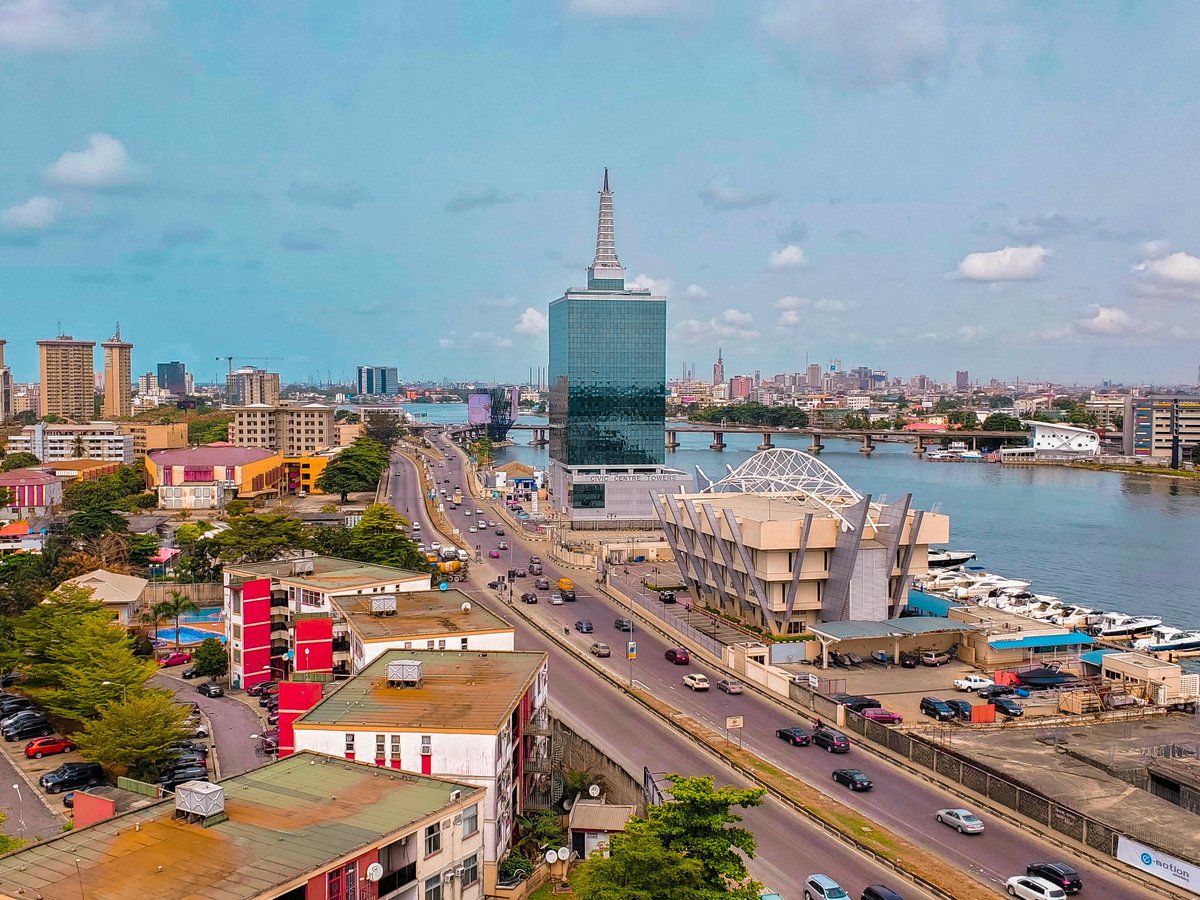
Lagos sits near the bottom of TTDI's solo-safety ratings (see the TTDI Solo-Safety Index), and the reasons have names and addresses. Armed robbery hits mainland neighborhoods like Mushin and Oshodi after dark. Express kidnapping, where victims are driven between ATMs and forced to withdraw naira, still occurs along Ikorodu Road and other mainland corridors. Traffic collisions kill roughly 1,500 people per year across Lagos State. Phone snatching from passing okadas is routine at Balogun Market on Lagos Island. To be fair, Victoria Island, Ikoyi, and Lekki Phase 1 feel like a separate city, with private security guards at every compound gate, functioning street lights on Ahmadu Bello Way, and visible police patrols the mainland does not get.
Most recorded violent incidents in Lagos cluster on the mainland. Ajegunle and Mile 2 are neighborhoods where even local residents move carefully after dark. The Third Mainland Bridge, 11.8 km of elevated highway, has no pedestrian walkway and periodic robbery incidents during traffic standstills. The Island side has working CCTV cameras along Adeola Odeku Street and restaurants where you'll sit next to expats and returning diaspora Nigerians. The mainland holds the Nigerian National Museum in Onikan (founded 1957, worth a morning visit with a driver waiting outside) and the Cathedral Church of Christ on the Marina (founded 1946), but solo visitors should treat both as daylight-only trips. The smell of generator diesel hangs thick from Surulere to Ikeja. Suya smoke from roadside grills along Allen Avenue layers over it, sweet and peppery, the background scent of any mainland walk.
Bolt and Uber work reliably on the Island. A ride within Victoria Island costs 2,000 to 5,000 NGN, roughly $1.50 to $3.75 at the current rate near 1,330 NGN per dollar. Never take an okada alone after 9pm. The yellow danfo minibuses run 200 to 500 NGN per ride but have no fixed stops, no route maps, and drivers who accelerate through gridlocked traffic in ways that feel personally targeted. The BRT covers dedicated-lane routes including Ikorodu to CMS on Lagos Island, operating roughly 6am to 9pm. After the BRT shuts down, ride-hailing is your only safe option, so confirm the Bolt or Uber plate number on the app before getting in. Lagos has documented incidents involving impostor drivers, and a wrong car on the mainland at night is the highest-risk moment a solo visitor can face.
Solo women face heightened pressure in Lagos beyond the baseline risk. Street harassment across mainland Lagos tends to be physical, arm-grabbing and path-blocking, not just verbal. Stick to VI and Lekki after dark. LGBTQ+ travelers face a distinct threat under Nigeria's Same Sex Marriage (Prohibition) Act of 2014, which carries penalties up to 14 years. Lagos scores 1 out of 10 for LGBTQ+ friendliness (sourced from TTDI's editorial rubric). For dining solo, Nkoyo on Victoria Island or the rooftop bar at Eko Hotel don't penalize single-table bookings and draw a professional crowd where eating alone is unremarkable. Co-working spaces like Venia Hub in Lekki host events most weekends, the easiest way to meet other travelers. Humidity sits at 85 to 95 percent most months. Your shirt collar soaks through within 200 meters along Admiralty Way.
Dial 112 for emergencies, though response times outside the Island can stretch past 45 minutes. LASEMA (Lagos State Emergency Management Agency) tends to respond faster for accidents and flooding. Private hospitals like Reddington on Victoria Island and Lagoon Hospital in Ikoyi are where you want to end up. Lagos Island General Hospital and its mainland equivalents are overcrowded last resorts. Travel insurance with medical evacuation coverage is not optional for Lagos. If you're a first-time solo traveler, Lagos is not where you start. If you've done Nairobi or Dar es Salaam alone, you'll read the signals faster. September air at Murtala Muhammed International Airport runs around 25°C with 90 percent humidity and smells of jet fuel and wet tarmac.
Emergency number: 112
Official travel advisories
Reconsider non-essential travel the most cautious of 2 government assessments
- Government of CanadaLevel 3Avoid non-essential travel View advisory
- US State DepartmentLevel 3Reconsider Travel View advisory
Verified from the issuing governments' own feeds.
Areas to avoid
- Mushin (mainland, high robbery rates after dark)
- Oshodi (mainland, avoid day and night)
- Ajegunle (mainland, minimal police presence)
- Ikorodu Road after 8pm
- Mile 2 (mainland)
- Ojo (mainland, isolated and poorly lit)
- Computer Village, Ikeja (phone and laptop theft)
- Third Mainland Bridge during traffic standstills
Common concerns
- Armed robbery on the mainland after dark
- Express kidnapping (forced ATM withdrawals)
- Phone snatching at markets and from passing okadas
- Impostor ride-hail drivers
- Traffic accidents (minimal pedestrian infrastructure)
- Street harassment, often physical (solo women)
- Police checkpoint bribe requests
- Flooding during rainy season (June to October)
- LGBTQ+ criminalization under the 2014 SSMPA
Last verified by automated review (v1.7.2) on . What is automated review?