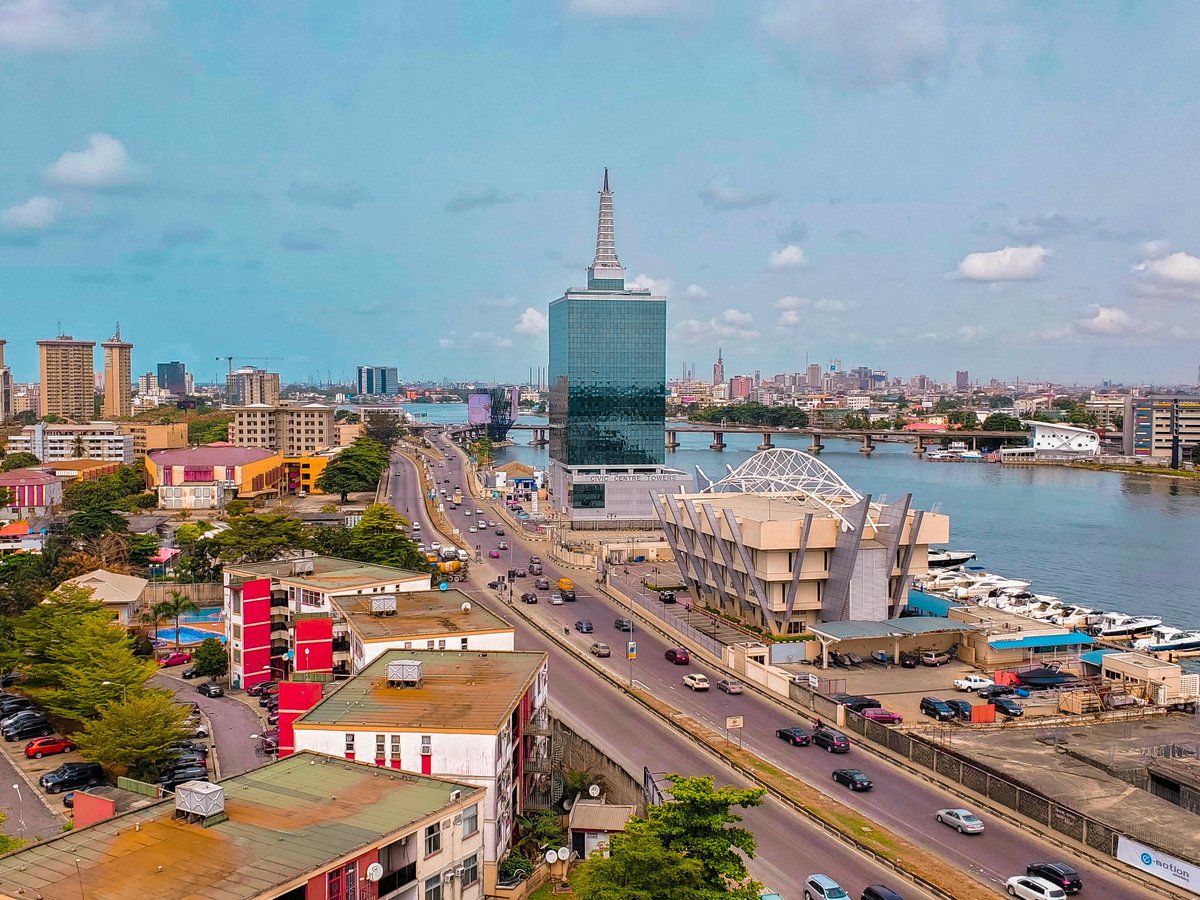
Lagos operates on its own clock. The city of roughly 20 million tends to come alive around 10 PM on Fridays, when traffic on the Third Mainland Bridge finally thins out and the real evening begins. Lagosians treat going out as a full-production event, with hair appointments at 7 PM and outfit changes that take an hour or more. Nobody arrives at a club before midnight, and that is considered perfectly normal. The soundtrack is Afrobeats and amapiano, the drinks range from cold Star Lager at a roadside beer parlour to craft cocktails at rooftop bars on Victoria Island, and the night doesn't wind down until 4 or 5 AM in most neighborhoods. Worth noting, Lagos is the commercial hub of West Africa's music industry, and the clubs are where careers get built. Burna Boy, Wizkid, Davido, and Asake all developed their followings in this city's venues. On any given Saturday in Lekki or VI, you might catch an unannounced set from a chart-topping artist. That possibility keeps Lagos crowds out past 3 AM.
Bars in Lagos, from Rooftops to Roadside Joints
The cocktail bar scene on Victoria Island has grown steadily since around 2018, with a handful of spots mixing Nigerian botanicals, hibiscus, and local gin into drinks that cost between 5,000 and 15,000 NGN. You'll find bartenders who trained in London or Dubai working behind polished counters in converted colonial-era buildings along the commercial strips of VI. The presentation tends to be meticulous. Small batches with fresh citrus, served in glassware that feels imported. To be fair, these places cater mostly to Lagos professionals and expats. Prices in these cocktail bars reflect that. The rooftop bar trend has taken hold in Lekki and parts of Ikoyi. These spots offer views of the Lagos Lagoon, with DJs playing low-tempo Afrobeats while groups share bottles of Hennessy or Rémy Martin. Bottle service is central to Lagos bar culture. In many mid-to-high-end bars, ordering a bottle signals your table's standing. A bottle of Hennessy VSOP might run 80,000 to 150,000 NGN depending on the venue. At the other end, roadside bars and beer parlours remain the soul of mainland drinking culture. In Surulere, Yaba, and Mushin, open-air spots serve cold Gulder and Trophy Lager for 500 to 1,500 NGN per bottle. Pepper soup arrives in metal bowls, heavy with goat meat and scotch bonnet. The heat from the pepper hits your lips before the spoon does. Condensation runs down a cold bottle while generators hum behind the bar. These places rarely have signage or a social media presence. You find them by following the noise and the blue glow of fluorescent bulbs strung between poles. Wine bars remain niche in Lagos, mostly clustered in Ikoyi, where South African and European bottles appear on menus aimed at a diplomatic and banking crowd. The markup tends to be steep, sometimes 3x over retail. Chapman, a non-alcoholic mix of Fanta, Sprite, grenadine, and cucumber, appears on nearly every bar menu across the city and has been a Nigerian staple for decades. Palm wine is harder to find at upscale island spots, but Ikeja joints still serve it fresh from calabash gourds.
Clubs, Dress Codes, and the Art of Arriving Late
Lagos clubs don't start filling up until midnight, even on Fridays. The warm-up runs from about 10 PM to 12 AM, with DJs playing amapiano or R&B while early arrivals nurse their first drinks. The real energy hits between 1 and 3 AM, and most venues stay open until 5 or 6 AM. Some VI spots stretch their sets into Saturday morning. Afrobeats dominates the playlists across Victoria Island and Lekki. Amapiano, the South African genre that crossed into Nigeria around 2020, now gets nearly equal play time. You'll hear Rema, Ayra Starr, and Ckay tracks on rotation alongside the bigger names. Hip-hop and dancehall fill the gaps. A few venues in Ikeja lean more toward older highlife on throwback nights, which tend to draw a 35-and-over crowd. Dress codes matter more than you might expect. Most clubs on Victoria Island enforce a no-slippers, no-shorts policy. Men tend to wear fitted trousers with designer sneakers or loafers. Women often appear in body-conscious outfits with careful attention to accessories. Dressing down on a Saturday night in VI can get you turned away at the door. Mind you, mainland clubs in Surulere tend to be more relaxed about this. Cover charges vary. Some clubs charge nothing on weeknights and 5,000 to 20,000 NGN on weekends. High-profile event nights with celebrity hosts can reach 50,000 NGN or more. VIP tables with bottle service often start around 200,000 NGN and climb depending on the night. Entry at Lagos clubs leans informal. Queues exist at popular island spots but rarely move in strict order. Groups of women typically enter faster at VI venues. Solo men might wait 20 to 30 minutes longer or face a drink minimum at the door.
Live Music, from Fela's Legacy to the New Wave
Lagos has been the center of West African music since Fela Kuti established the Afrobeat genre at his Afrika Shrine in Ikeja during the 1970s. The New Afrika Shrine, rebuilt in Agidingbi after Fela's death in 1997, still hosts live performances every Sunday night. The air inside is thick with smoke and the smell of suya from vendors at the entrance. Femi Kuti and Seun Kuti, Fela's sons, perform there regularly for crowds of 500 or more. The sets run long, 2 to 3 hours of extended percussion and horn arrangements that feel closer to a trance than a concert. Beyond the Shrine, live music tends to cluster around smaller stages in Lekki and Victoria Island. Jazz nights appear at select hotel lounges, typically on Thursdays. Highlife bands, playing the guitar-driven genre popularized in the 1960s by artists like King Sunny Ade and Ebenezer Obey, still draw older crowds on the mainland, especially around Surulere. Newer artists in the alternative and Afrobeats scenes have been moving toward listening parties and pop-up performances rather than traditional stage shows. These events often get announced 24 to 48 hours beforehand on Instagram, and they might take place at a warehouse in Oniru or a private garden in Ikoyi. The audience tends to skew younger, mostly 20s and early 30s. The live music calendar in Lagos peaks during the December period Nigerians call Detty December, when the diaspora returns and nearly every major artist schedules a headline show. The Lagos National Stadium in Surulere, founded in 1961, and Teslim Balogun Stadium, built in 1984, have both hosted large concert events during this season. Smaller venues sell out weeks in advance during December.
Nightlife neighborhoods
-
Victoria Island
The money center of Lagos nightlife. Polished rooftop bars, high-end clubs, and cocktail spots line the streets around Adeola Odeku and Akin Adesola. The crowd is mostly professionals, expats, and Lagos socialites. Music leans toward Afrobeats and amapiano at high volume. Spending here runs at least double what you'd pay in Ikeja or Surulere.
- Best for
- Big-night-out crowds, international visitors, anyone comfortable with upscale pricing and strict dress codes
-
Lekki Phase 1
Newer money and a younger crowd than VI. Trendy lounges and mid-range clubs sit along Admiralty Way and the surrounding streets. The energy is slightly more relaxed than VI's bottle-service competition, though prices have been climbing. You'll hear more experimental playlists here, with alternative Afrobeats and Afro-fusion getting airtime alongside the mainstream hits.
- Best for
- Late 20s to 30s crowds who want the energy without the stiffness of Victoria Island
-
Ikeja and Allen Avenue
The mainland's nightlife nerve center. Allen Avenue has been a going-out corridor since the 1990s, with clubs, beer parlours, and late-night suya spots stretching along the road. Prices here run at roughly half what island venues charge. The crowd is broader, from students to working-class Lagosians to mid-level professionals. The music mixes Afrobeats with highlife and fuji, and the noise level tends toward loud.
- Best for
- Travelers who want to experience Lagos nightlife as most Lagosians know it, without island pricing
-
Ikoyi
Quieter and more refined than its neighbors. Ikoyi leans toward wine bars, hotel lounges, and upscale restaurants with late-night drink menus. The crowd skews older, with diplomats, senior executives, and old-money Lagosians occupying most tables. The streets are calmer after dark than VI or Lekki, and venues close earlier, typically by 1 or 2 AM.
- Best for
- Couples, older travelers, or anyone who prefers a glass of wine over bottle service and bass-heavy speakers
-
Surulere
The heartland of Lagos owambe culture. Saturday parties with live bands, coordinated aso ebi outfits, and tables of jollof rice define the weekend scene here. The nightlife is more community-oriented than commercial, with beer parlours, outdoor parties, and small clubs scattered through residential blocks. The area near the National Stadium has historically drawn foot traffic after sporting events and concerts.
- Best for
- Anyone interested in traditional Yoruba celebration culture and local-price drinks
-
Yaba
The tech and university corridor. The University of Lagos campus nearby feeds a young, cost-conscious crowd into bars and lounges around Herbert Macaulay Way. Art-focused pop-ups and open-mic nights have been appearing with more frequency since around 2021. Prices are among the lowest on the mainland, and the mood tends toward casual and creative.
- Best for
- Budget-conscious travelers, creatives, and anyone curious about the overlap between Lagos tech culture and nightlife
Safety after dark
TTDI rates Lagos at 2.8/10 for solo-traveler safety (see the TTDI Solo-Safety Index), which should inform your approach to going out after dark. Move in groups when possible, especially after midnight. Avoid walking between venues at night. Use ride-hailing apps like Bolt or Uber, which are widely available across Victoria Island, Lekki, and Ikeja. Verify the car details, plate number, and driver photo before getting in. At the time of writing, a ride from VI to Lekki Phase 1 typically costs 3,000 to 6,000 NGN depending on surge pricing.
Drink spiking happens in Lagos, as it does in cities worldwide. Keep your drink in hand, and be cautious about accepting drinks from strangers, particularly at crowded clubs. If a new acquaintance is overly insistent about buying rounds, trust your instinct.
One-chance robberies, where passengers are robbed inside informal minibuses known as danfos, remain a risk on the mainland. Avoid unmarked vehicles or shared rides from strangers after dark. Stick to verified ride-hailing or have your hotel arrange transport.
Scams targeting nightlife visitors tend to involve inflated bills at the end of the night, bottle prices that differ from what was quoted verbally, or card charges that don't match. Ask for a printed menu or price confirmation before ordering. Cash remains safer than card in many venues. Keep your main funds separate from what you carry out at night. A money belt or inner pocket works better than a phone wallet in crowded clubs.
LGBTQ+ travelers should be aware that TTDI rates Lagos at 1/10 for LGBTQ+ friendliness (sourced from TTDI's editorial rubric). Nigeria's Same-Sex Marriage Prohibition Act of 2014 criminalizes same-sex relationships across all 36 states, and public displays of affection between same-sex couples carry serious legal risk.
Practical tips
- Currency and payment
- The exchange rate sits at roughly 1,330 NGN to 1 USD as of late September 2026. Cash is king in most mainland venues and smaller bars. Many VI and Lekki clubs accept card payments, but POS terminals fail often enough that carrying naira cash as backup is wise. ATMs in Lagos frequently run out of notes on weekend nights, so withdraw before heading out.
- Tipping
- Tipping is not obligatory in Lagos bars and clubs, but 500 to 1,000 NGN for a bartender and 1,000 to 2,000 NGN for table service is appreciated and tends to improve your experience for the rest of the night. In beer parlours on the mainland, rounding up or leaving the change is standard. Tip bouncers only if they've done you a specific favor.
- Timing your night
- Friday and Saturday are the primary nights out. Thursday has become a soft opening for the weekend in VI, with after-work drinks running from 6 PM into late evening. Sunday is for recovery, with the notable exception of the Shrine's weekly session in Agidingbi. Most clubs across the city peak between 1 and 3 AM.
- What to wear
- On Victoria Island, dress like you're going somewhere that matters. Clean shoes, fitted clothes, and visible effort. On the mainland, the standard drops to smart-casual, though few people go out in flip-flops. Lagos women favor bold Ankara prints, statement jewelry, and heels that would test most city sidewalks.
- Local customs
- Lagosians spray money at parties and in some clubs, tossing naira notes in the air when a favorite song drops. This tradition, tied to owambe culture, is celebratory and expected at certain types of events in Surulere and across the mainland. Photographing strangers in clubs is generally frowned upon, especially in upscale VI venues where privacy is valued.
- Food after midnight
- Late-night suya spots near Allen Avenue in Ikeja and along Admiralty Way in Lekki stay open until 3 or 4 AM. Suya, spiced grilled beef served on newspaper with sliced onions and tomatoes, costs 1,000 to 3,000 NGN depending on quantity. Pepper soup joints also operate late on the mainland. These are the closest thing Lagos has to a late-night diner culture.
FAQ
What time do people go out in Lagos?
Most Lagosians start their evening around 10 PM and don't arrive at clubs until midnight or later. Pre-gaming at a friend's place before heading out is standard practice. The peak hours at most clubs fall between 1 and 3 AM on Friday and Saturday nights, and many venues stay open past 5 AM.
Is Lagos nightlife safe for solo travelers?
Lagos scores below average for solo-traveler safety, so going out alone after dark requires extra planning. Use ride-hailing apps instead of walking between venues. Stick to the well-lit stretches of Victoria Island or Lekki Phase 1, keep your valuables out of sight, and tell someone where you're heading before you go.
What do locals drink in Lagos?
The drink order varies by neighborhood and price point. On the mainland, local lagers dominate, ordered by the crate at beer parlours where the bottles arrive ice-cold. On the island, cognac and champagne drive the bottle-service economy at clubs and lounges. Nigeria also has its own non-alcoholic cocktail tradition that appears on virtually every bar menu from street-side joints to hotel rooftops.
Do Lagos clubs play only Afrobeats?
Afrobeats and amapiano dominate the playlists at most clubs across the city. That said, you'll also hear hip-hop, R&B, and dancehall mixed in throughout the night. Some mainland venues in Ikeja feature highlife and fuji sets that draw an older crowd. The Shrine in Agidingbi focuses on the original Afrobeat genre, which is distinct from the modern Afrobeats sound.
How much should I budget for a night out in Lagos?
A casual night at a mainland beer parlour might cost 5,000 to 10,000 NGN including food and drinks. A night at a mid-range Lekki club with a few cocktails and a ride home could run 30,000 to 60,000 NGN. High-end VI clubs with bottle service start at 200,000 NGN for a table and climb from there depending on what you're pouring.
When is the best time of year for Lagos nightlife?
The diaspora homecoming in December fills every venue in the city to capacity, with major artists scheduling headline shows nightly from mid-month through New Year's. Outside that peak window, Lagos nightlife runs strong year-round, with Friday and Saturday as the reliable nights in any season. The rainy season from April through October can slow down outdoor venues on wetter nights.
Last verified by automated review (v1.7.2) on . What is automated review?