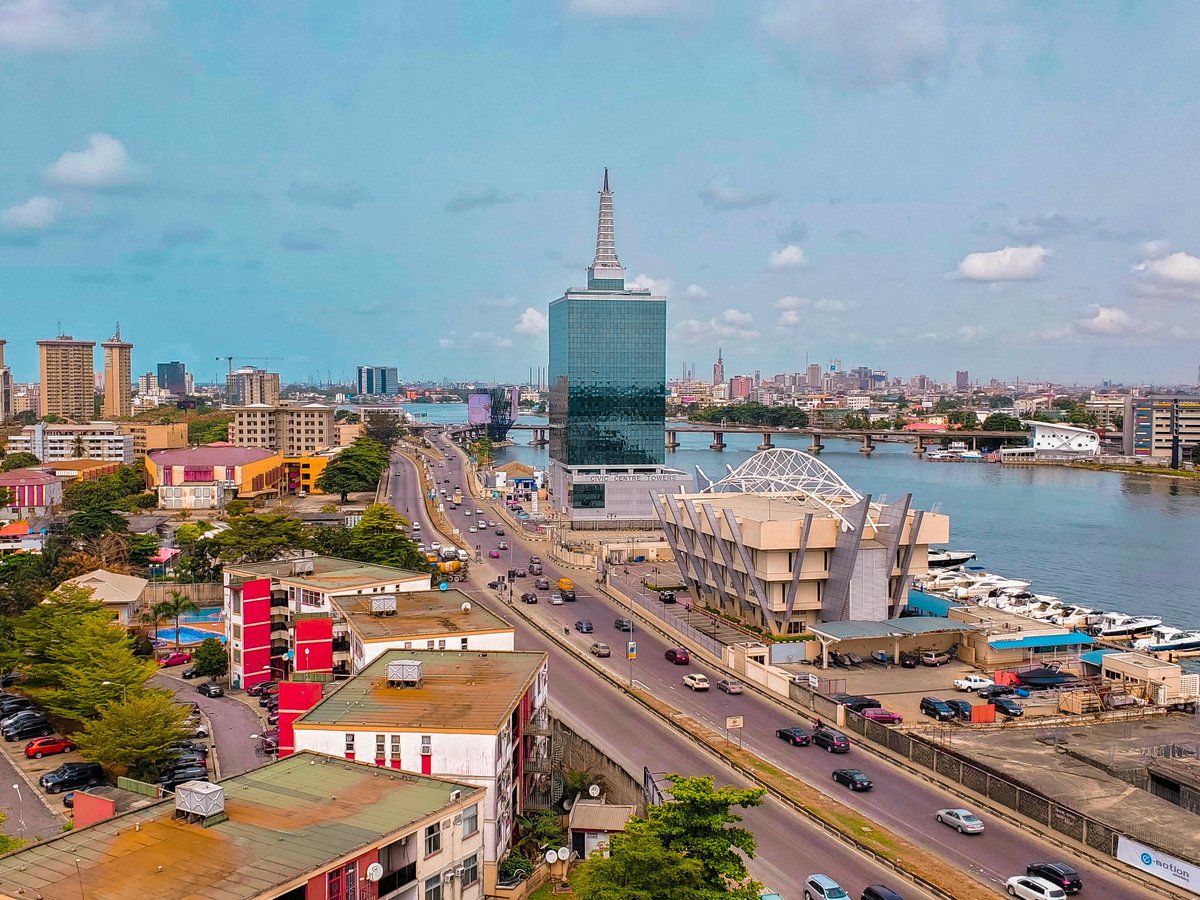
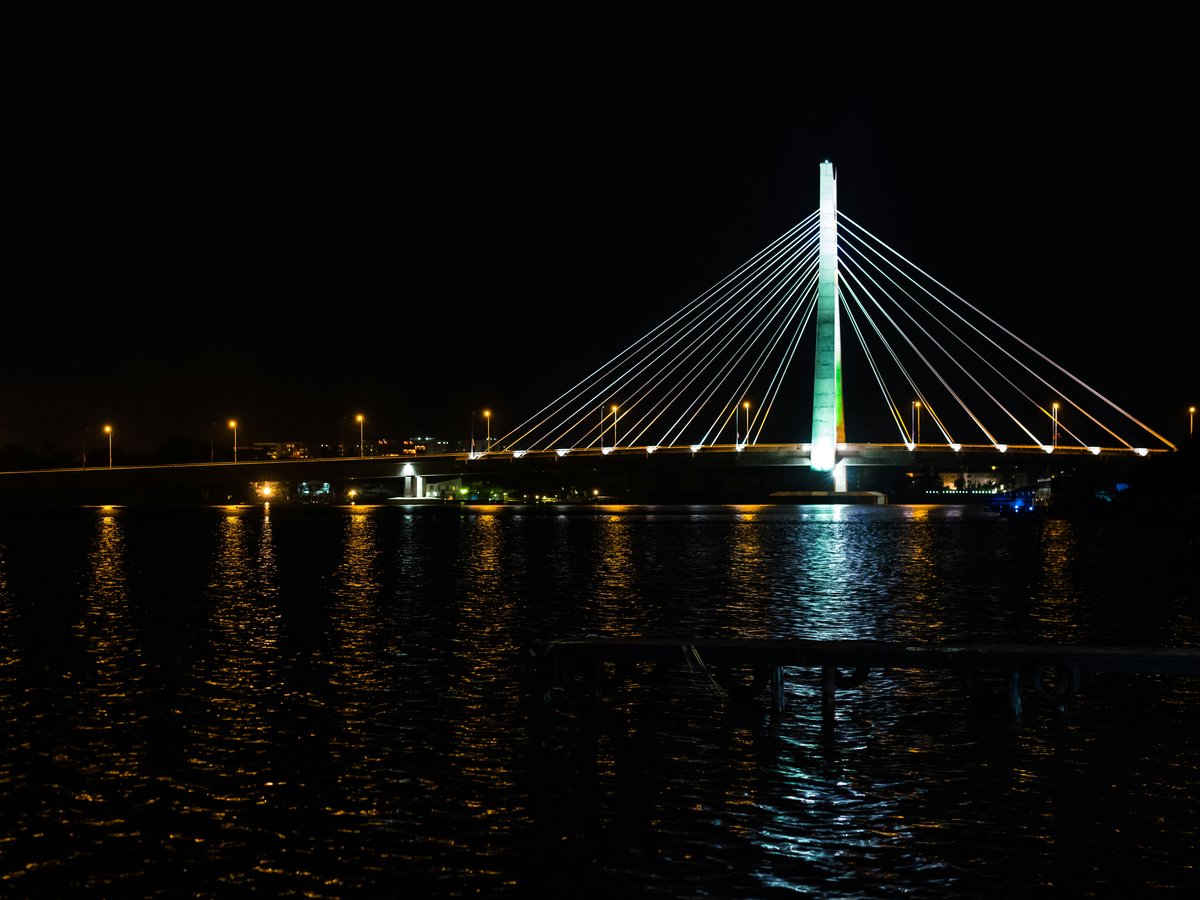
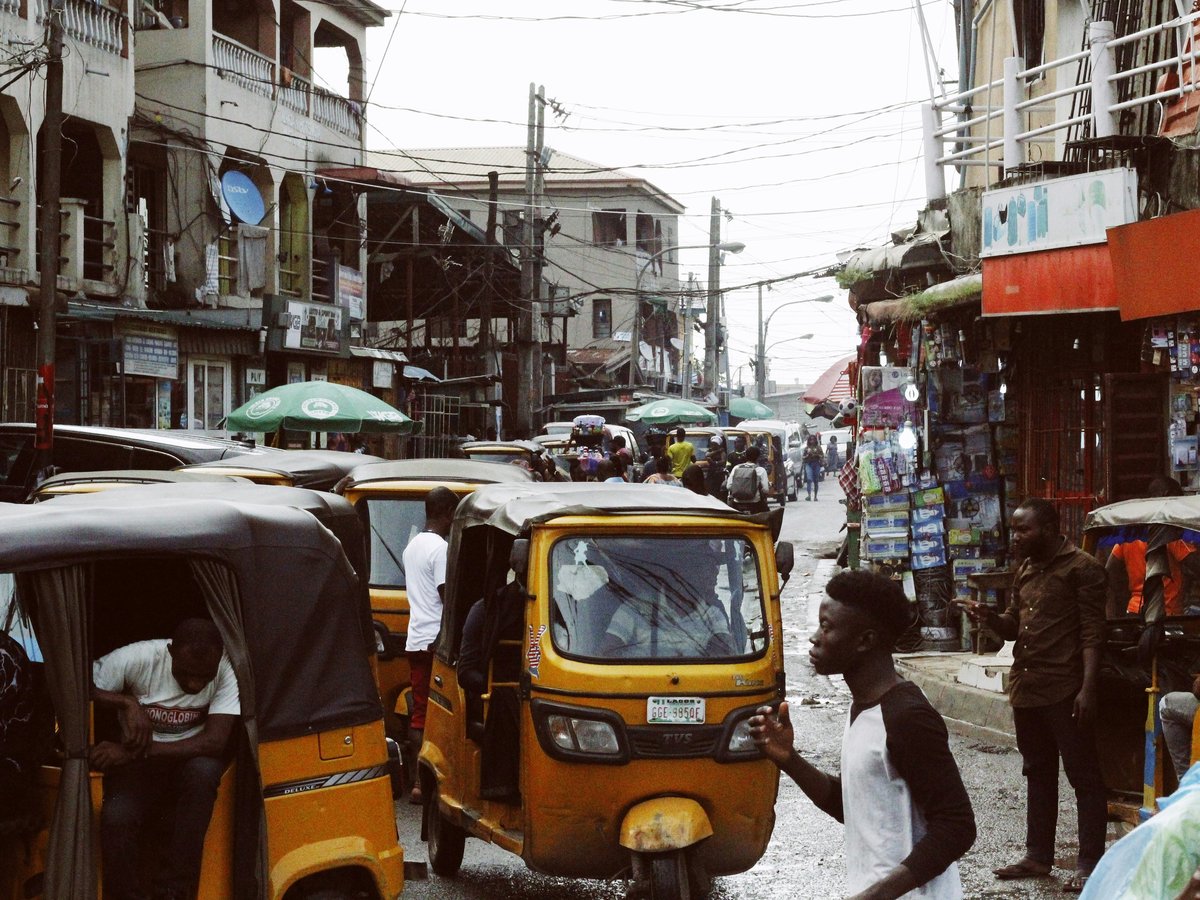
Lagos sits on a cluster of islands and a strip of mainland pressed between the Lagos Lagoon and the Atlantic, and that in-between geography defines everything about how fifteen million people move, eat, and make their living here. The Third Mainland Bridge, more than eleven kilometres of concrete over open water, is not a landmark you visit so much as one you sit on during rush hour, watching fishermen in canoes work the lagoon below while traffic crawls toward the towers of Victoria Island. That split between island and mainland is the first thing you learn to read. Victoria Island and Ikoyi hold the international hotels, the gallery openings, the rooftop bars where a cocktail costs what a family in Surulere spends on dinner. Cross to the mainland and the texture shifts: Yaba's tech startups share streets with fabric merchants, Surulere's residential blocks give way to open-air pepper soup joints that fill around ten at night, and the sprawl of Ikeja near the airport has its own self-contained rhythm that most island visitors never bother to learn. The water shapes daily logistics in ways no map communicates; the ferry from Ikoyi to the mainland cuts a commute that might take two hours by road down to forty minutes, and locals who know the system use it. Food runs on a backbone of jollof rice, fried plantain, and suya (spiced grilled meat sold from roadside stalls that stay open past midnight) but the restaurant scene on the islands has grown interesting, drawing on Yoruba, Calabar, and broader West African cooking with enough confidence to stop explaining itself to outsiders. Lagos keeps West Africa Time, one hour ahead of Greenwich, and the city's real clock starts late; the heat dictates a slower morning and an evening that stretches deep into the night.
Lagos in photos
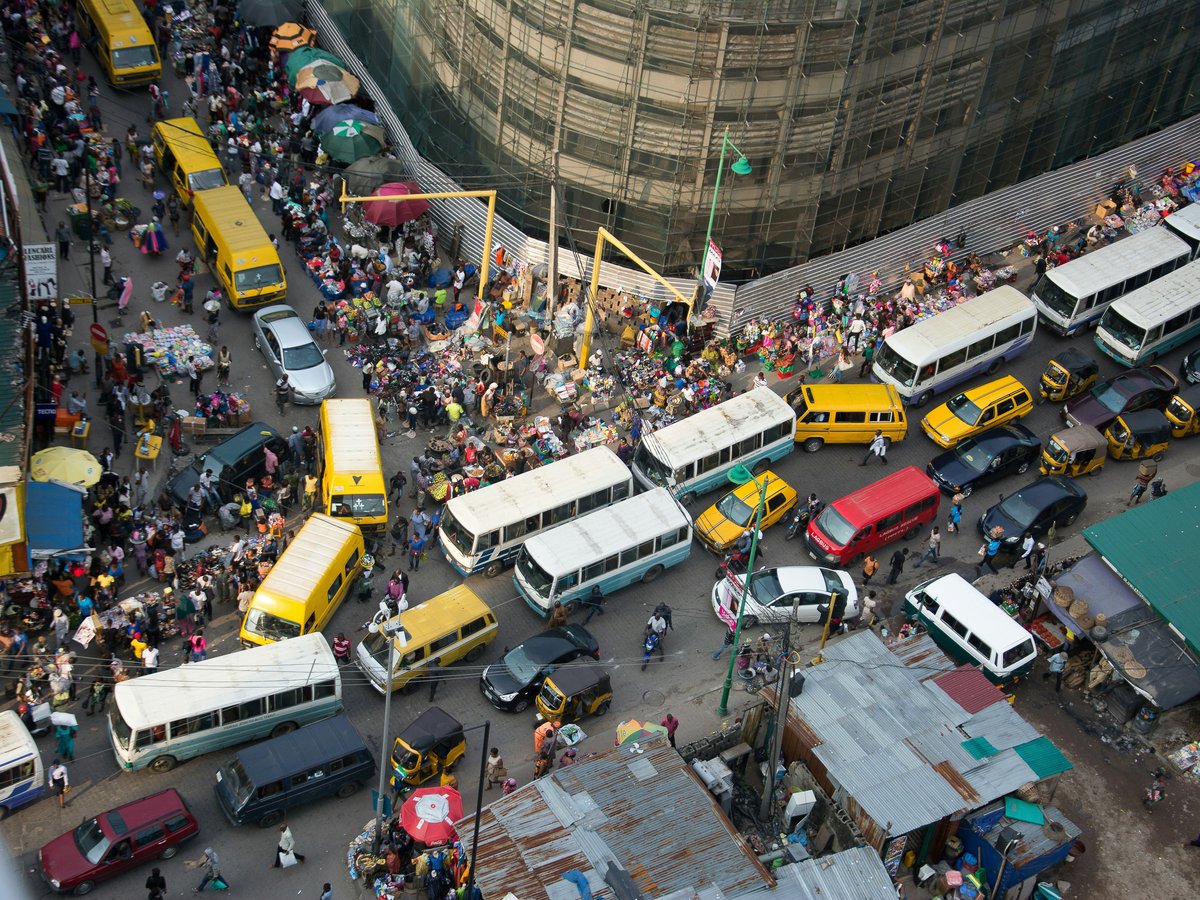
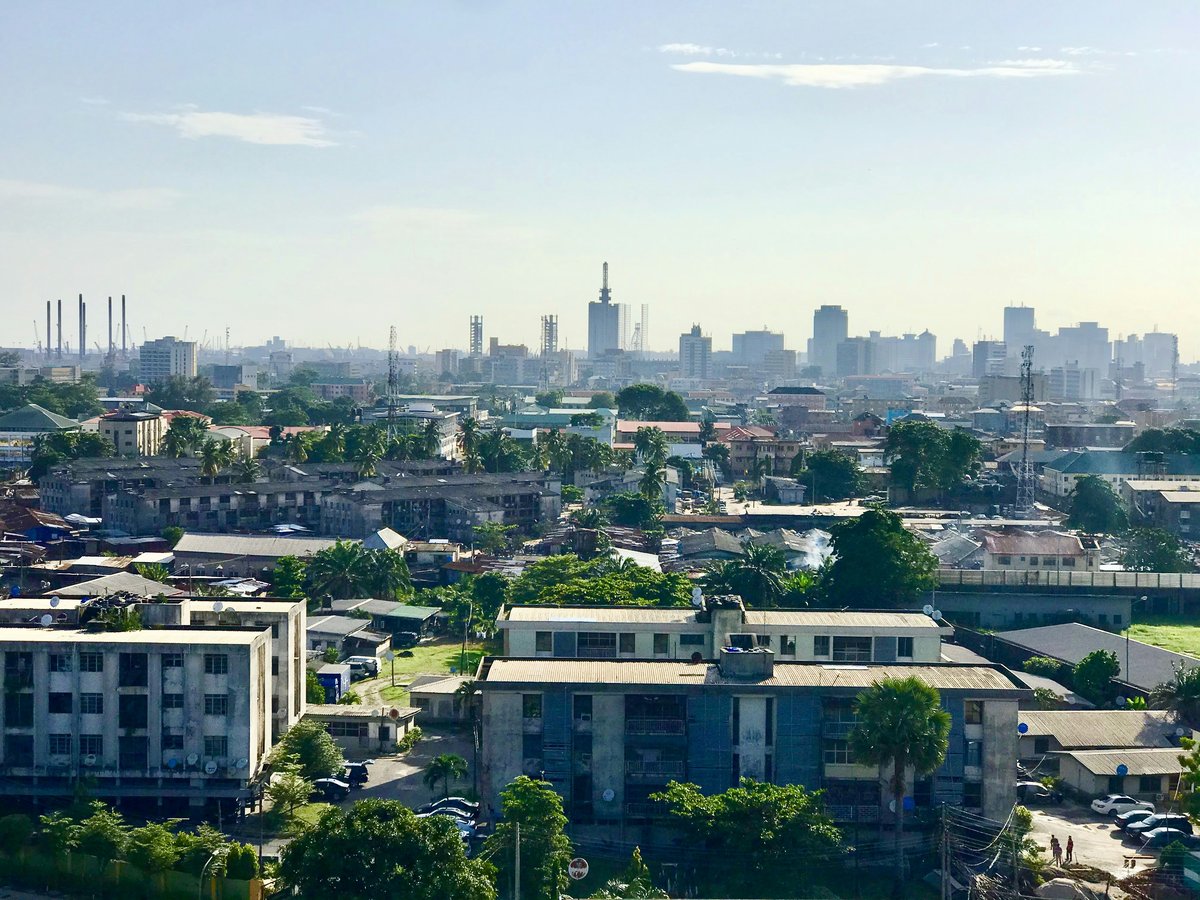
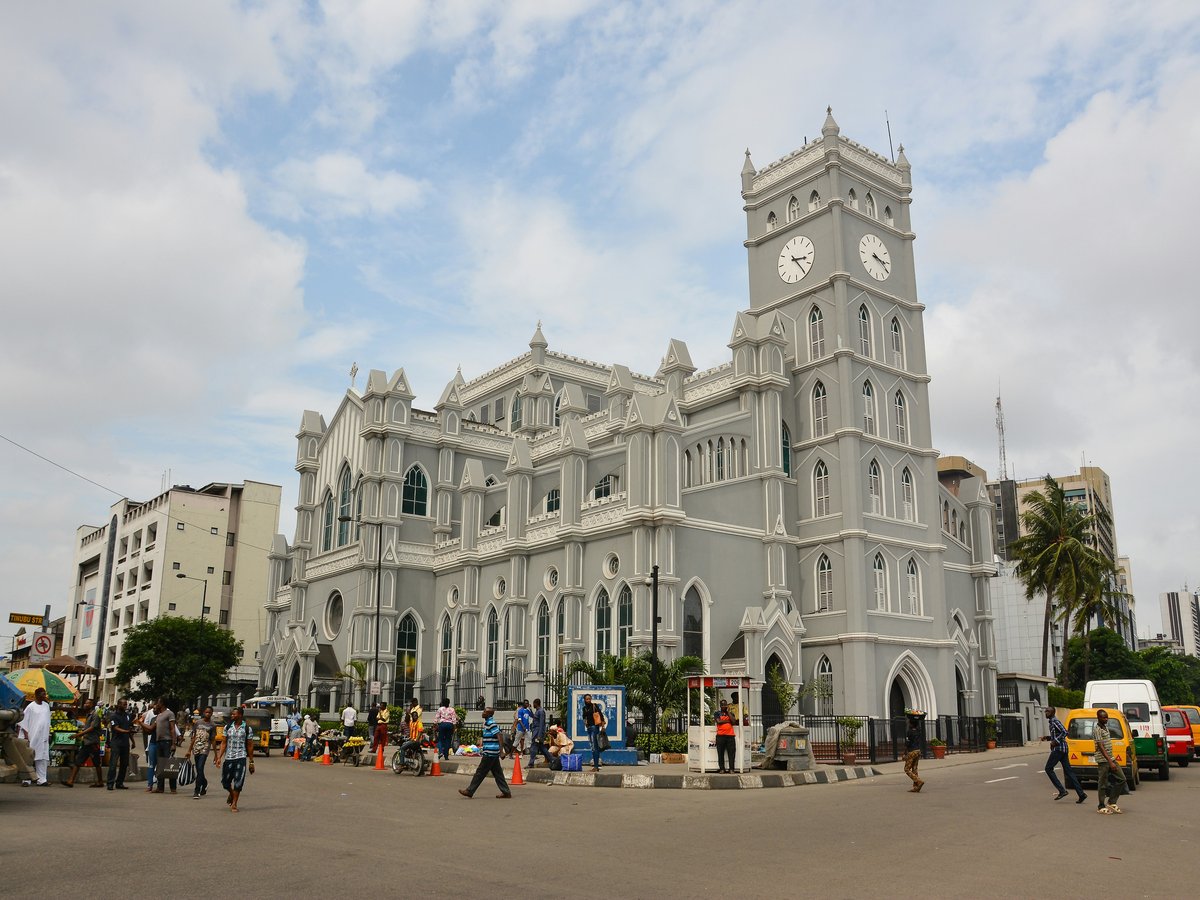
Lagos right now
Answers about Lagos
-
Airport to city
Pre-book a hotel transfer or arrange a Bolt ride from Murtala Muhammed International Airport (LOS) in Ikeja. The drive to Victoria Island takes 45 to 90 minutes depending on Third Mainland Bridge traffic. Expect to pay 10,000 to 20,000 NGN ($8 to $15) via Bolt, or 25,000 to 40,000 NGN ($19 to $30) for a hotel transfer.
Read the full answer → -
Best time to visit
November through February. Lagos holds near 31°C year-round at 6°N latitude, so you're choosing between dry heat and wet heat. The Harmattan wind drops humidity from 90% to the mid-60s and cools evenings on Victoria Island to 22-24°C. June and September are the wettest months, when flooding closes major expressways for hours and turns short taxi rides into multi-hour ordeals.
Read the full answer → -
Cost per day
Lagos costs about $25/day on a strict budget, $65 midrange, and $180+ for luxury. At ₦1,331 to the dollar, a plate of jollof rice from a Yaba buka runs ₦800 ($0.60), and danfo minibus rides cost ₦200 ($0.15). The biggest price variable is neighborhood. A ₦5,000 meal on Victoria Island costs ₦1,200 in Surulere for the same dish.
Read the full answer → -
Best day trips
Badagry (60 km west, 90 minutes without traffic) splits between the slave-trade heritage corridor and the coconut beach strip, which suits couples with mixed interests. Abeokuta (100 km north, 2 hours) offers the Olumo Rock climb and Adire textile workshops in Itoku. La Campagne Tropicana (60 km east) works when one partner wants a lagoon beach while the other rents a jet ski.
Read the full answer → -
Food culture
Lagos food culture centers on bukas, roadside kitchens where the day's meal costs 800 to 2,500 NGN. Amala with gbegiri-ewedu, party-style jollof rice, and pepper soup with goat define the plates. Suya, charcoal-grilled beef coated in ground peanut spice, takes over after dark. Lagosians eat their biggest meal between 1pm and 3pm.
Read the full answer → -
Getting around
Bolt for nearly everything, BRT buses for the Ikorodu-CMS corridor, and LAGFERRY boats when crossing the lagoon. Lagos traffic can turn a 10-km drive into 90 minutes, so time of day matters more than distance. The Blue Line rail connects Marina to Mile 2 along 13 km of dedicated track. Download Bolt before you land.
Read the full answer → -
How to get there
Murtala Muhammed International Airport (LOS) in Ikeja, 22 km north of Victoria Island, is the sole international gateway to Lagos. British Airways and Virgin Atlantic fly direct from London Heathrow in 6.5 hours. From the US, Delta's Atlanta nonstop takes 10.5 hours. Most other routes connect through Addis Ababa, Istanbul, or Amsterdam.
Read the full answer → -
Is it safe?
Lagos scores 2.8 out of 10 for solo-traveler safety (see the TTDI Solo-Safety Index). Armed robbery, express kidnapping, and traffic collisions are persistent risks, concentrated on the mainland after dark. Solo visitors who stay on Victoria Island and Lekki Phase 1, use Bolt or Uber, and avoid walking after 9pm reduce their exposure. Emergency number: 112.
Read the full answer → -
Where locals go
Lagos locals run on neighborhood schedules that visitors rarely crack. Yaba's Sabo Road feeds the tech crowd between noon and 2pm. The New Afrika Shrine in Ikeja fills on Friday nights after 10pm. Freedom Park on Broad Street draws its weekday evening crowd after 6pm. Surulere's pepper-soup joints don't open until 9pm, when the office crowd shows up hungry.
Read the full answer → -
Must-see
The Nigerian National Museum on King George V Road in Onikan, founded in 1957, holds Nok terracotta figures dating to 500 BC and Benin bronzes from the 1897 British expedition. Admission runs under 1,000 NGN. Pair it with the free Nike Art Gallery in Lekki for contemporary work, then a morning walk through Balogun Market on Lagos Island.
Read the full answer → -
3-day itinerary
Day 1 covers Victoria Island and Ikoyi, the safest cluster for newcomers. Day 2 crosses to Lagos Island for the Nigerian National Museum, Cathedral Church of Christ, and Balogun Market. Day 3 heads east to Lekki for the Nike Art Gallery and the Conservation Centre canopy walkway. Budget 3-5 hours daily for traffic between clusters.
Read the full answer → -
What to avoid
Use ride-hailing apps instead of danfo minibuses and unofficial airport taxis at Murtala Muhammed. Never change money with street vendors near Balogun Market. September's second rainy season floods Lekki-Epe Expressway and Ikorodu Road for hours. Base yourself on Victoria Island or Lekki Phase 1, and avoid walking alone on the mainland after 9pm.
Read the full answer → -
What to pack
Pack lightweight, moisture-wicking clothes for Lagos's 25-35°C heat and 80-90% humidity. Bring a Type G plug adapter for 230V outlets, a portable power bank for daily outages, waterproof shoes for rainy-season flooding (April through October), and antimalarial medication prescribed before departure. Skip packing umbrellas and mosquito spray. Both cost less at any Lagos pharmacy.
Read the full answer → -
Where to stay
Victoria Island for first-timers, between Adeola Odeku and Akin Adesola streets. The 2-kilometer strip has Lagos's most reliable international hotels, backup generators, and walkable restaurant clusters. Budget $80-160 for a mid-range room with steady power and AC. Ikoyi, across the Falomo Bridge, runs quieter and 15-20% cheaper. Lekki Phase 1 suits extended stays with serviced apartments from $1,200 per month.
Read the full answer →
Deep guides for Lagos
-
Lagos Restaurants: What's Worth It
A tier-by-tier verdict on 12 Lagos kitchens, from the daylight jollof counter on McCarthy Street to the 02:00 bar on Bishop Oluwole Street, with named picks for every hour and appetite.
Read the guide → -
Best Time to Visit Lagos, by Season
Lagos never drops below 23.8°C or rises above 32.2°C on average, but the 4.5°C gap between February's peak heat and August's coolest readings shapes everything from hotel pricing to how the city feels on your skin. This is the window that fits each kind of traveller.
Read the guide →
Curated lists for Lagos
accommodation
-
Best boutique hotels
Lagos spreads across a lagoon system that splits the city into islands, peninsulas, and mainland sprawl, and where you sleep determines whether your morning starts with generator hum or waterfront quiet. The mainland districts north of the Third Mainland Bridge hold the commercial energy and airport proximity; the island side trades that convenience for calmer streets and closer access to the lagoon. Three neighborhoods suit boutique-leaning travelers: Itirin on Lagos Island, where colonial-era trading streets meet the marina; Banana Island, the gated residential enclave off Ikoyi that cuts out nearly all of the city's noise; and Opebi in Ikeja, the mainland corridor that keeps you minutes from Murtala Muhammed International. Price tiers overlap less than you'd expect. The island options charge for proximity to Victoria Island's dining scene, while Opebi undercuts them without sacrificing room quality. None of these areas pretend Lagos is a beach resort; they each solve a different logistical problem, and the right pick depends on whether you need the lagoon, the airport, or the silence.
See the picks → -
Best hostels
Lagos spreads across the lagoon in layers of noise, money, and salt air, and where you sleep determines which city you wake up in. The mainland runs on market traffic and shared taxis grinding through Oshodi interchange before sunrise. The island side sits behind toll gates and bridge queues, quieter but costlier per square meter. For travelers hunting hostel-tier beds, the split matters: mainland neighborhoods put you closer to rooms at about $31 a night and Ikeja's commercial spine, while island enclaves like Banana Island gate their calm behind security booths and waterfront pricing. Neither side is walking-friendly the way a European grid would be; you will rely on ride-hailing apps and the occasional BRT bus corridor. Budget inventory thins out fast on the islands, so travelers watching naira should look mainland first and treat the lagoon crossing as a day-trip cost. Banana Island and Mafoluku sit on opposite sides of that divide, and the price gap between them tells you which Lagos each one belongs to.
See the picks → -
Best luxury hotels
Lagos is a city where commercial energy outpaces the hospitality infrastructure built to serve it. The luxury hotel market is thin; the properties that qualify are few and geographically split between two corridors. That scarcity does the work of curation: each hotel on this list occupies its own lane rather than fighting for the same guest. Some serve the airport circuit for short, schedule-driven stays. Others hold positions in zones built for visitors with more time. What follows is ranked by the density of verifiable guest signal each property carries. Brand names appear because the facts earned them a slot, not because the name alone warranted one.
See the picks → -
Where to stay
Lagos accommodation scatters across a city that the lagoon, the expressways, and the airport divide into neighborhoods that share a name but not much else. Gated-compound districts trade on quiet and waterfront air; others serve the airport corridor where clean rooms and early departures are the entire value proposition. The price gap between a $31 budget room and a $210 luxury floor tells the story in two numbers, but the experience gap is wider than the fare. Four neighborhoods cover the range: Itirin holds the mid-range and luxury tiers on its commercial stretch, Opebi hosts international brands near Ikeja's business grid, Banana Island offers gated lagoon-side calm, and Mafoluku puts you minutes from the airport terminal for the lowest rate in the set. The choice is less about star ratings than about which version of Lagos you want outside the lobby door.
See the picks →
attractions
-
Best free attractions
Lagos is a city that charges for almost everything except its air, and even that comes at a premium in traffic. The free list here is not a consolation prize; it is where Lagosians go when they want the city to give something back without the toll. Two of the five are on the mainland in Ikeja, close enough to the Secretariat that civil servants use them at lunch; one is on the Lekki peninsula, one is on Lagos Island proper, and one sits in a corner of Ojota that most visitors miss entirely. What they share is a working relationship with the city: the parks are used, not curated for photographs, and the conservation centre off the Lekki-Epe Expressway is the closest thing Lagos has to a genuine forest walk without an entrance fight. This list is for the visitor who has already done Nike Art Gallery and the boat to Tarkwa Bay and wants an afternoon that does not begin with a ticket queue. Bring water, bring cash for the okada out, and do not trust Google Maps on the last hundred metres.
See the picks → -
Best museums
Lagos does not have one museum district; it has a scatter of them, and the scatter is the point. The colonial-era civic core on Lagos Island holds the federal institutions, where the national collections sit inside buildings that were themselves part of the city's twentieth-century story. Cross the lagoon to Lekki and Ikoyi and the register changes: private galleries, artist-run rooms, and a working commercial scene where contemporary Nigerian art is priced, argued over, and shipped. Between them, the five rooms below cover the range a serious visitor will want, from a federal parastatal chartered to steward Black and African heritage to a Lekki compound built by an artist who wanted her country's work seen at home first. None of these are polite stops. They are working institutions in a working city, with the traffic and the power cuts and the opinionated staff that implies. Come with time, come with questions, and treat the address as the start of the visit, not the end of it.
See the picks → -
Must-see attractions
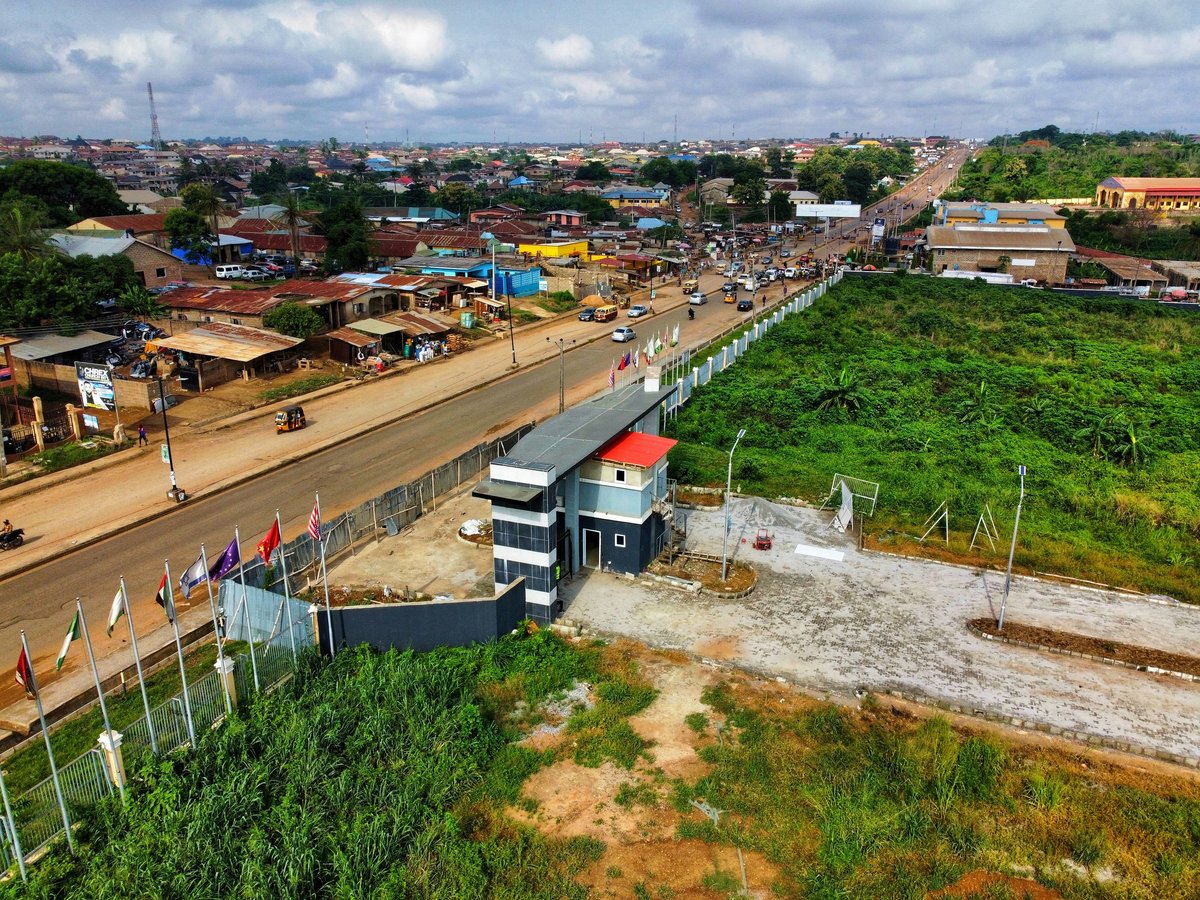
Lagos is huge, dense, and unforgiving on a schedule. The 12 places below are not the same list a hotel concierge will hand you; they are the addresses that let a visitor read the city on its own terms, from the airport most travellers meet first to the housing project on the lagoon that is arguing about what the city becomes next. Some are civic (a park, a market, the cathedral); some are cultural (a shrine, a townhouse with a gallery in the parlour, a bookshop-theatre that stages the country's writers). One is a polo ground in the middle of Ikoyi, and it tells you what colonial Lagos left behind and what island Lagos still does with it. This list is for the traveller who has a working week, a working phone, patience for traffic, and an appetite to see how a city of many faiths, many trades, and one unrelenting lagoon holds together. The 12 rotate through Lagos Island, Ikoyi, Victoria Island, Yaba, Ikeja, and the Lekki peninsula, on purpose. You will not tick all 12 in three days, and you should not try.
See the picks →
food
-
Best cafes
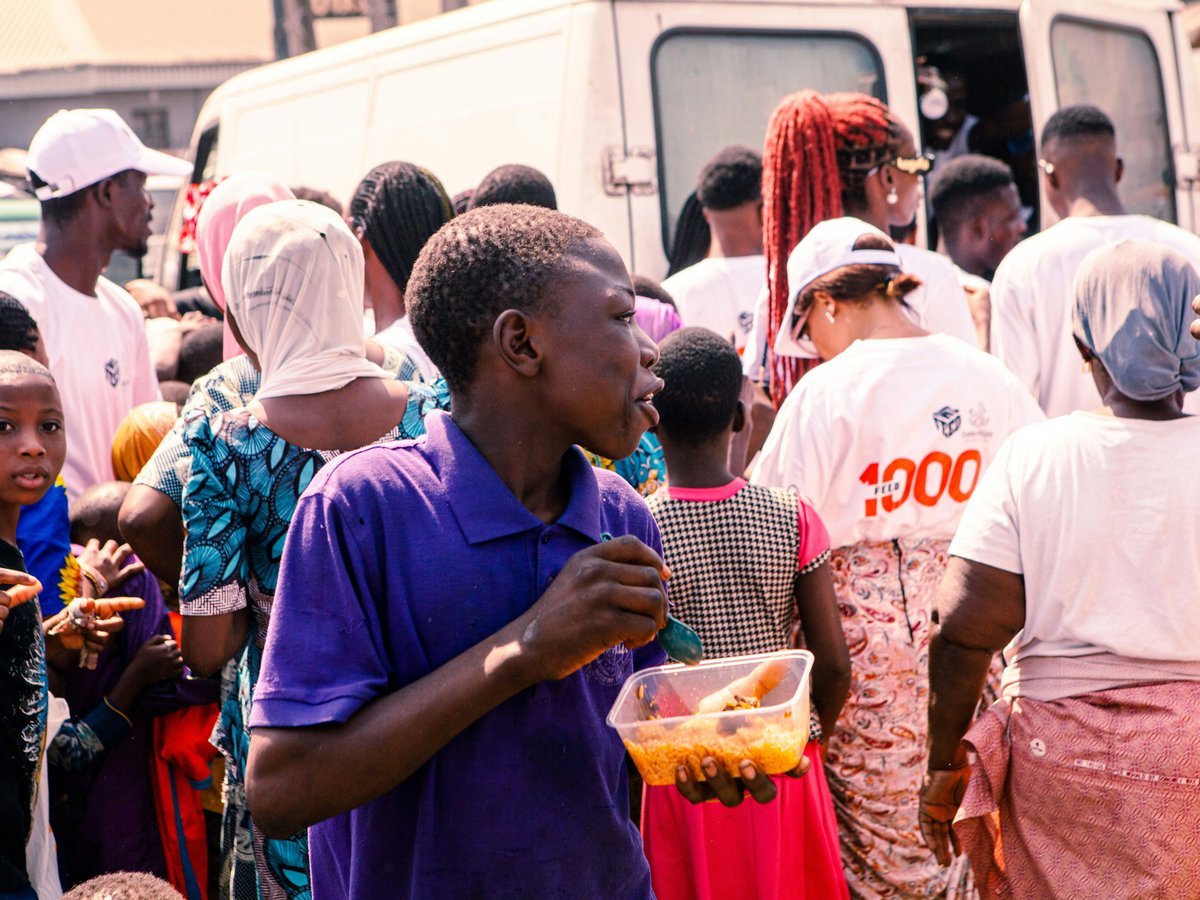
Lagos does not have a cafe culture in the European sense, and it is more interesting for that. The four rooms below are what happens when a city of traders, commuters and Sunday drivers decides it wants somewhere to sit down with a coffee or a cold-pressed juice between errands. Two of them, on Awolowo Road and Akin Adesola Street, work the Ikoyi and Victoria Island corridor where the day starts late and ends later; a third, on Commercial Avenue, catches the office traffic on the mainland side; the fourth, on Allen Avenue in Ikeja, opens before the sun clears the airport and stays open long past dinner. None of them are chasing the tourist. Read this as a shortlist for the visitor who wants to spend an hour off the main circuit, watch the room fill with people who work nearby, and leave with a better sense of how Lagos moves through its day. Bring cash for the small orders and expect the traffic between islands and mainland to eat more of your afternoon than the menu will.
See the picks → -
Best restaurants
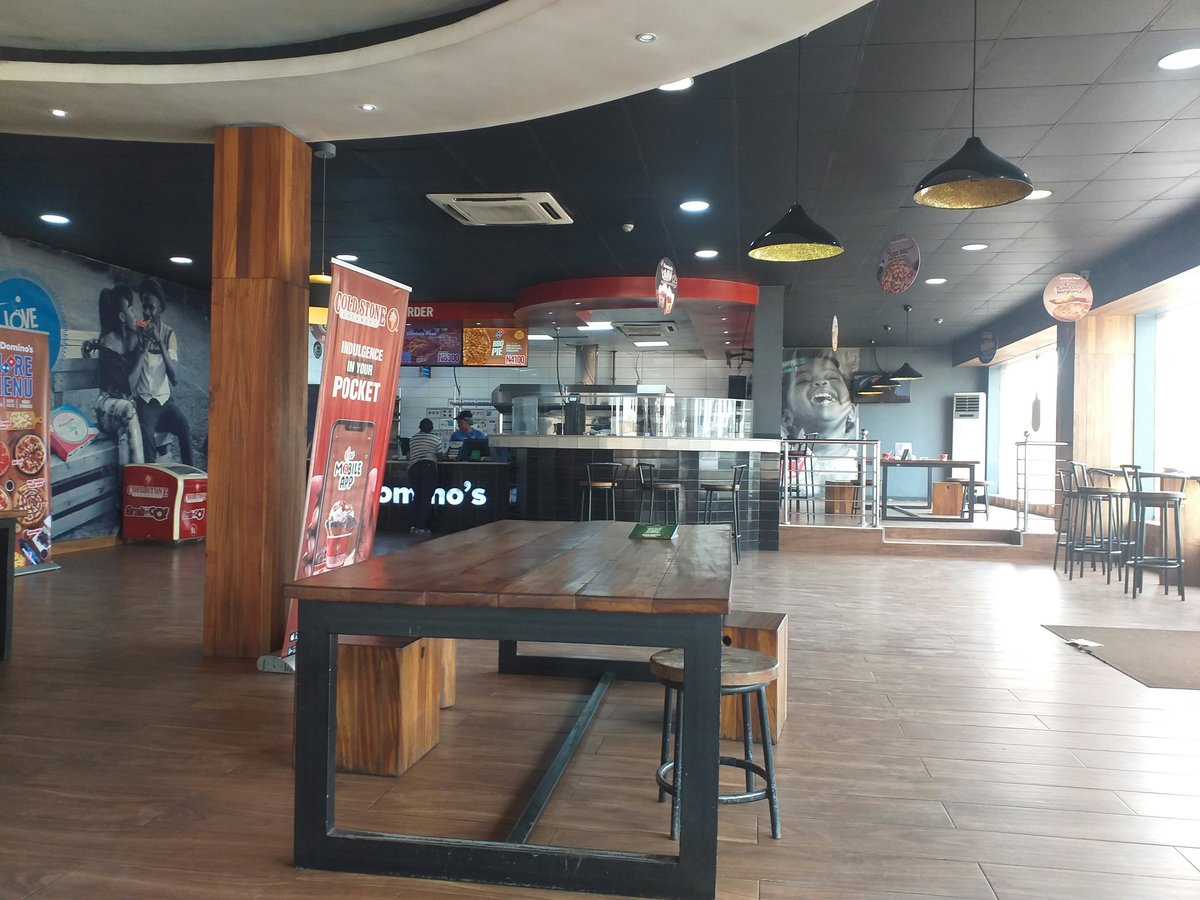
Lagos eats loudly. The city's restaurant map runs from Victoria Island's steady service floors to Lekki's late kitchens that don't close until the first buses roll, from Ikeja office-hour steakhouses to Yaba's daylight-only jollof counters where the pot governs the queue. The 12 rooms below are chosen for what a visitor needs: a verified address that a driver can find, opening hours that hold, and a kitchen with a point of view worth the trip across the bridges. The list leans on Victoria Island and Lekki because that is where the density is, but it makes room for Ikeja and the Yaba end of the mainland because the city is not one dinner. Expect Lebanese, Thai, French, Nigerian, Chinese and steak, sometimes on the same street, occasionally in the same building. Read the hours before you set out; Lagos traffic decides more meals than any menu.
See the picks →
Browse by traveler type
- For foodies
Lagos for foodies
- For families with kids
Lagos for families
- For digital nomads
Lagos for digital nomads
- For solo travelers
Lagos for solo travelers
- For couples
Lagos for couples
- For budget travelers
Lagos on a budget
- For luxury travelers
Lagos for luxury travelers
- For first-timers
Lagos for first-time visitors
Last verified by automated review (v1.7.2) on . What is automated review?