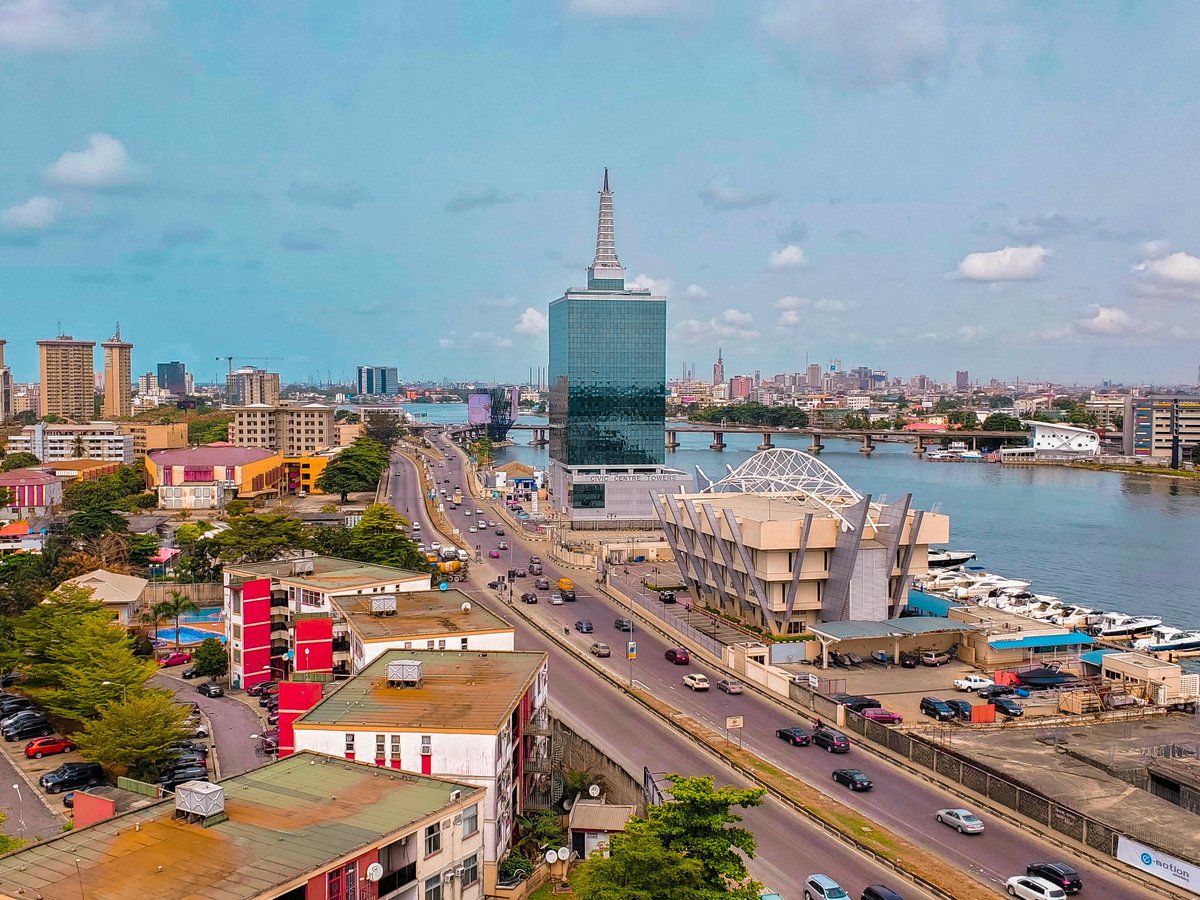
Lagos tends to sort itself into two shopping worlds. On the mainland, open-air markets run for blocks in every direction, heaped with bolts of ankara fabric, baskets of dried crayfish, and secondhand electronics stacked on wooden tables. On the islands, particularly Victoria Island and Lekki, air-conditioned malls carry international brands alongside Nigerian designers. The city has long been West Africa's commercial nerve center, and its textile trade alone draws buyers from across the continent. Balogun Market on Lagos Island might be the single busiest market in the region, moving thousands of bales of fabric daily. Worth noting, the shopping culture here still leans heavily toward cash and face-to-face negotiation, even as POS terminals become more common. The naira currently trades around 1,330.64 to the US dollar, which makes imported goods feel steep for visitors while locally made textiles, leather, and craft items remain very accessible. Solo-traveler safety sits at 2.8/10 (see the TTDI Solo-Safety Index), so shopping in crowded markets warrants some practical awareness, which the tips section below covers.
Shopping districts
-
Lagos Island, Broad Street corridor
budgetThe oldest commercial district in Lagos, centered around Broad Street and stretching toward the Marina. This is where Balogun Market sprawls across several streets and where wholesale textile traders have operated for generations. The Cathedral Church of Christ, founded in 1946, sits nearby on the same island, giving you a sense of how long this area has anchored city life. Narrow lanes between stalls smell of dyed cotton and hot suya smoke drifting from roadside grills. The foot traffic is constant. You will hear Yoruba, Igbo, Hausa, and pidgin English layered over each other in a rolling hum that never quite stops. Most visitors find the density overwhelming at first, then strangely navigable after 20 minutes.
Best for: Bulk fabric, ankara prints, lace, and everyday household goods at wholesale or near-wholesale prices
-
Victoria Island
luxury to mid-rangeThe commercial and diplomatic hub on the southern tip of Lagos. Palms Shopping Centre on Bisola Durosinmi-Etti Drive anchors the upscale end, with South African and European chains alongside Nigerian boutiques. Smaller plazas along Akin Adesola Street and Adeola Odeku Street carry mid-to-high-end fashion, cosmetics, and imported groceries. The air conditioning alone feels like a different city from the mainland markets. Nigerian designers like Lisa Folawiyo and Maki Oh maintain showrooms in this area, and you might stumble across trunk shows that appear with a week's notice on Instagram. Restaurants and rooftop bars sit within walking distance, which makes an afternoon of browsing easy to stretch into evening.
Best for: Nigerian designer fashion, imported brands, upscale groceries, and a climate-controlled shopping experience
-
Lekki
mid-rangeEast of Victoria Island along the Lekki-Epe Expressway, this district has grown rapidly since the early 2010s. Ikota Shopping Complex and Circle Mall sit along the expressway corridor, catering to the residential communities that have filled in around them. The Lekki Arts and Crafts Market, off the Lekki-Epe Expressway near Jakande roundabout, is where most visitors end up for souvenirs. Stalls sell carved wooden masks, beaded jewelry, leather sandals, and bronze figurines, all under corrugated roofing that clatters in the September rain. Vendors here expect tourists and will start prices high.
Best for: Souvenirs, crafts, contemporary Nigerian homeware, and casual mall shopping
-
Computer Village, Ikeja
budget to mid-rangeRoughly 5,000 shops packed into a few blocks around Otigba Street in Ikeja. This is where Lagos buys, repairs, and tinkers with electronics. Phones, laptops, cables, adapters, camera accessories, refurbished tablets. The energy is frenetic. Hawkers call out brand names as you walk past, and the smell of soldering iron drifts from repair stalls tucked behind the storefronts. Prices run 15 to 30 percent below what you would find in a mall for equivalent products. Mind you, warranties are informal at best. Locals know which specific blocks to trust for genuine versus counterfeit goods, and that knowledge does not transfer easily to a first-time visitor.
Best for: Electronics, phone accessories, computer parts, and repairs
-
Surulere
budget to mid-rangeA residential and commercial district on the mainland, home to Adeniran Ogunsanya Street, one of the city's original high streets. The Lagos National Stadium, built in 1961, sits in this neighborhood. The shopping here leans middle-class and local. Fabric shops, tailors, shoe stores, and small boutiques line Adeniran Ogunsanya alongside banks and fast-food spots. Tejuosho Market, rebuilt as a modern multi-story structure, anchors the textile trade in this area. The pace is calmer than Lagos Island. You might find yourself spending more time here than planned, partly because the tailors can turn fabric into a custom outfit in 48 hours.
Best for: Custom tailoring, everyday fashion, and seeing how middle-class Lagos shops
Markets
-
Balogun Market
textile and general goodsWest Africa's largest textile market sprawls across several streets on Lagos Island, pulling in fabric traders from as far as Togo and Cameroon. Ankara, lace, aso-oke, Swiss voile, and Indian cotton fill stalls stacked floor to ceiling. The deeper you walk into the market's interior, the cheaper the prices tend to get, and the harder it becomes to find your way back out. The air is warm, close, and heavy with the slightly chemical smell of newly dyed fabric. This is not a tourist market. It is where Lagos residents buy material for weddings, church, and daily wear. Saturdays are the busiest days.
Daily, roughly 7:30 AM to 6 PM, busiest on Saturdays
-
Lekki Arts and Crafts Market
artisan and souvenirThe primary souvenir market for visitors, located off the Lekki-Epe Expressway. Around 200 stalls sell carved masks, bronze castings, beadwork, leather bags, batik cloth, and wooden sculptures. Vendors source from across Nigeria, so you will find Benin-style bronzes alongside Nok-inspired terracotta reproductions and Hausa leather. Bargaining is expected. A wooden mask that starts at 15,000 naira might settle around 5,000 to 7,000 after negotiation. The market has a relaxed, open-air feel with decent shade from overhead roofing.
Daily, roughly 9 AM to 6 PM
-
Mile 12 Market
food and produceThe largest perishable food market in Lagos, located on the mainland near the Lagos-Ibadan Expressway junction. Trucks arrive before dawn carrying yams, plantains, tomatoes, peppers, onions, and dried fish from farms across southwestern Nigeria. The smell hits before you see the market. Wet earth, fermenting produce, smoke from nearby food stalls. By 5 AM the wholesale section is already loud with porters hauling 50-kilogram sacks. This is not a place most tourists visit, but if you want to understand the food supply chain that feeds 20 million people, there is no better classroom.
Daily from before dawn, wholesale peaks 4 AM to 8 AM, retail through early afternoon
-
Idumota Market
general goods and mediaWedged into the streets near Balogun on Lagos Island, Idumota specializes in imported household goods, cosmetics, toiletries, and children's clothing. It also handles a high volume of Nollywood DVD and digital media distribution, a trade that gave it cultural significance through the 2000s. The lanes are narrow and the crowd pushes. You will hear prices shouted in rapid Yoruba. It still feels like one of the most densely packed commercial spaces in any African city.
Daily, roughly 8 AM to 6 PM
-
Oyingbo Market
food and household goodsA sprawling mainland market that serves as a key food and household goods hub for residents of Ebute Metta and surrounding neighborhoods. The produce section carries fresh vegetables, smoked fish, palm oil, and ground pepper in quantities that range from retail handfuls to wholesale sacks. Small cookware vendors sell aluminum pots, wooden mortars, and the heavy pestles used for pounding yam. The market operates in a loose grid that feels manageable compared to Balogun, though the footing can get slippery during the rainy season.
Daily, roughly 7 AM to 5:30 PM
Souvenirs worth bringing home
Aso-oke cloth is likely the most distinctively Yoruba textile you can bring home. Woven on narrow looms, traditionally in Iseyin and Oyo towns, the finished strips get stitched together into larger panels. The fabric feels stiff and substantial, almost like a light canvas, and the weave patterns carry names tied to proverbs and occasions. Adire cloth, indigo-dyed using resist techniques from Abeokuta, tends to be easier to pack and slightly cheaper. Look for hand-stamped adire eleko rather than mass-printed versions. The hand-stamped pieces show slight irregularities in the cassava-paste resist pattern. Bronze and brass castings in the Benin tradition remain widely available, though quality varies. Coral-bead jewelry carries cultural weight in Yoruba and Benin traditions, and genuine coral pieces feel cool and heavy in the hand. Leather goods from northern Nigeria, particularly Hausa-style embroidered slippers (babouches) and dyed goatskin bags, travel well. Shea butter, sold in blocks or jars, comes unrefined from the north and has a nutty, slightly smoky smell that refined Western versions lack entirely. At the Lekki crafts market, a decent carved wooden mask might settle around 5,000 to 7,000 naira after negotiation. Nigerian fashion designers have gained international recognition, so a custom ankara outfit from a Surulere or Yaba tailor doubles as both a wearable souvenir and a conversation starter.
Practical tips
- Bargaining
- Bargaining is standard in every open-air market and most small shops. A reasonable opening counter-offer sits around 40 to 50 percent of the quoted price, and you might settle near 60 percent. Stay relaxed. Vendors appreciate humor more than aggression. Walking away remains the most effective negotiation tool. In malls and branded stores, prices are fixed. Attempting to bargain there will get a polite but firm no.
- Payment methods
- Cash in naira remains king in markets and smaller shops. Most vendors in Balogun, Idumota, and similar markets do not accept cards. POS terminals have become common in malls, restaurants, and mid-range stores on Victoria Island and Lekki. Bank transfer via mobile apps is increasingly popular among Nigerian shoppers, and some market vendors will accept transfers if you have a Nigerian bank account. Carry smaller denominations for market shopping, as change can be difficult to get during busy hours.
- Opening hours
- Markets generally open between 7 and 9 AM and wind down by 5:30 to 6 PM. Saturday tends to be the busiest market day. Sunday sees reduced activity in most markets, with some closing entirely. Malls on Victoria Island and Lekki typically open 10 AM to 9 PM daily, including Sundays. During Ramadan, hours in predominantly Muslim trading areas may shift.
- Safety while shopping
- Keep valuables in a front pocket or a cross-body bag worn under a layer. Markets get crowded, and pickpocketing does happen in dense foot traffic. Avoid displaying expensive phones or cameras in open-air markets. If possible, shop with someone who knows the area. The family friendliness score for Lagos sits at 4.2/10 (see the TTDI Family-Friendliness Index), and the general pace and density of market areas can overwhelm younger children. Stick to malls for a calmer experience with kids.
- Tax refunds
- Nigeria does not currently operate a VAT refund scheme for tourists. The 7.5 percent VAT is included in retail prices at formal stores and malls. In open-air markets, VAT is rarely a factor in pricing. There is no paperwork to file at the airport.
- What to wear
- Comfortable, closed-toe shoes matter more than anything else in Lagos markets. Floors can be uneven, wet, or littered with packaging debris. Lightweight, breathable clothing helps in the humidity, which tends to hover above 80 percent during the rainy season (April through October). The September weather currently sits around 25°C with heavy drizzle, so a light rain jacket or umbrella is worth carrying.
FAQ
Is it safe to shop in Lagos markets as a tourist?
The markets are generally safe during daylight hours, though the density of the crowd requires awareness of your belongings. The solo-traveler safety score reflects broader city-level concerns rather than market-specific danger. Sticking to well-known markets like Lekki Arts and Crafts or the main section of Balogun during peak hours reduces risk. Avoid carrying large amounts of cash, and consider going with a local guide for your first market visit.
What is the best market in Lagos for buying fabric?
Balogun Market on Lagos Island is the largest and most comprehensive fabric market in the city, with the widest selection of ankara, lace, aso-oke, and imported textiles. Tejuosho Market in Surulere offers a less hectic alternative with a similar range, particularly after its renovation into a multi-story building. Both markets operate daily, though Balogun sees its heaviest trading on Saturdays.
Can I pay with US dollars in Lagos markets?
Vendors in tourist-facing markets like Lekki Arts and Crafts might accept dollars, but you will get a worse exchange rate than at a bureau de change. For the best value, convert currency before heading to the market. Bureau de change offices cluster around Allen Avenue in Ikeja and along Broad Street on Lagos Island. Most local markets deal in naira only.
How do I get custom clothing made in Lagos?
Buy your fabric at Balogun or Tejuosho, then take it to a tailor. The Surulere and Yaba neighborhoods have high concentrations of tailors who can cut and sew a full outfit in 2 to 3 days. Bring a reference photo on your phone. Fittings typically happen on the first day, with a second fitting possible before final delivery. Tailoring costs for a simple dress or shirt start around 5,000 to 10,000 naira for labor, separate from the fabric cost.
What are typical opening days for Lagos shopping malls?
Most malls on Victoria Island and Lekki operate 7 days a week, typically 10 AM to 9 PM. Public holidays may bring reduced hours, and some stores within the mall may close on certain days even when the mall itself stays open. December sees extended hours at many malls due to the holiday shopping season.
Is there a night market scene in Lagos?
Lagos does not have a dedicated night market culture in the way Southeast Asian cities do. That said, certain areas stay commercially active well into the evening. Street food vendors around Suya spots on Allen Avenue in Ikeja and along Admiralty Way on Lekki Phase 1 operate past 10 PM. Some roadside vendors in Yaba sell clothing and accessories under generator-powered lights after dark, though these are informal rather than organized night markets.
Last verified by automated review (v1.7.2) on . What is automated review?