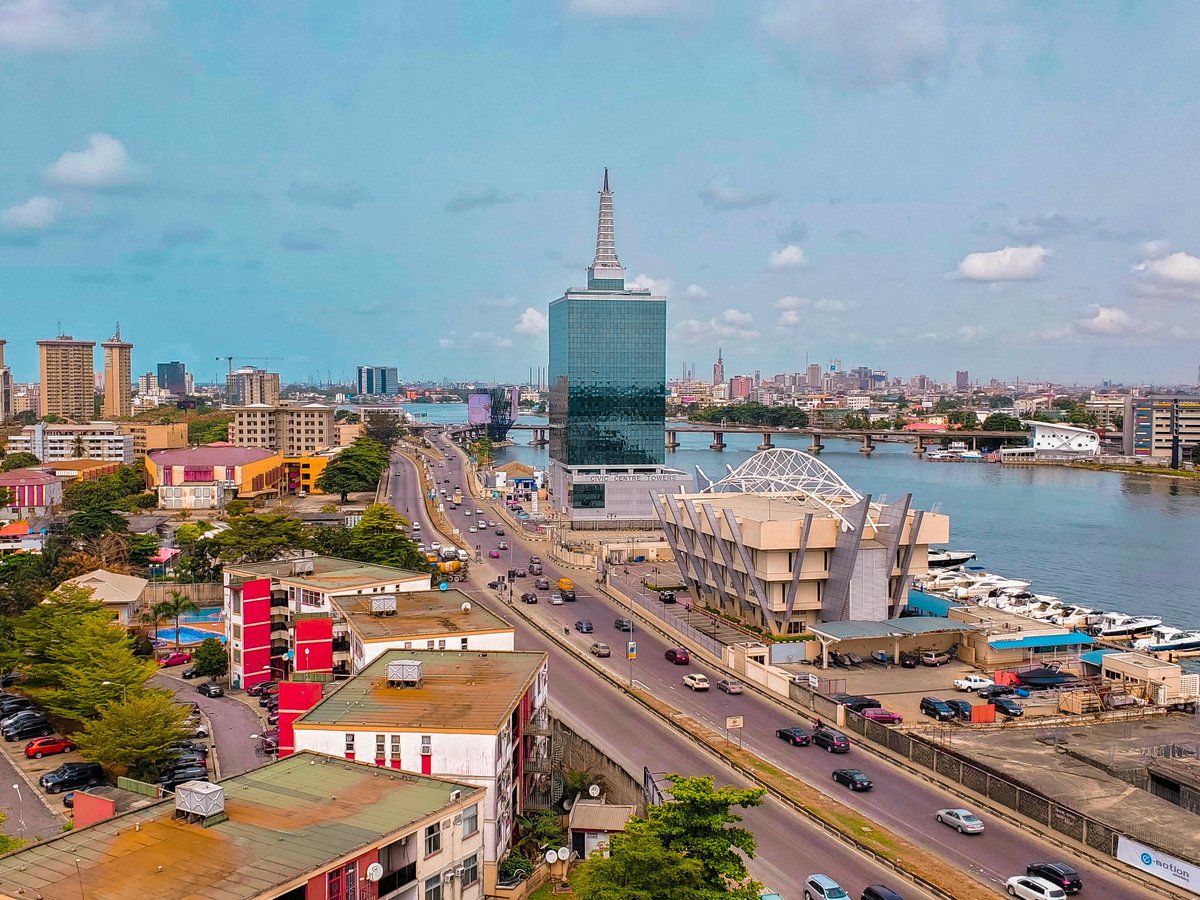
Lagos for families
Here's Lagos through the lens of families with kids: the canonical questions worth asking before you book a flight, the curated lists worth opening when you want a shortcut to local expertise, and the live right-now data below ready to inform your next decision about when, where, and how to spend your time on the ground.
Lagos for families with kids, in numbers
- Picks on this page
- 22 places across 3 lists, led by Murtala Muhammed International Airport, Freedom Park, Bogobiri House
Questions families with kids ask about Lagos
-
Is it safe?
Lagos scores 2.8 out of 10 for solo-traveler safety (see the TTDI Solo-Safety Index). Armed robbery, express kidnapping, and traffic collisions are persistent risks, concentrated on the mainland after dark. Solo visitors who stay on Victoria Island and Lekki Phase 1, use Bolt or Uber, and avoid walking after 9pm reduce their exposure. Emergency number: 112.
Read the full answer → -
What to pack
Pack lightweight, moisture-wicking clothes for Lagos's 25-35°C heat and 80-90% humidity. Bring a Type G plug adapter for 230V outlets, a portable power bank for daily outages, waterproof shoes for rainy-season flooding (April through October), and antimalarial medication prescribed before departure. Skip packing umbrellas and mosquito spray. Both cost less at any Lagos pharmacy.
Read the full answer → -
Getting around
Bolt for nearly everything, BRT buses for the Ikorodu-CMS corridor, and LAGFERRY boats when crossing the lagoon. Lagos traffic can turn a 10-km drive into 90 minutes, so time of day matters more than distance. The Blue Line rail connects Marina to Mile 2 along 13 km of dedicated track. Download Bolt before you land.
Read the full answer → -
Best time to visit
November through February. Lagos holds near 31°C year-round at 6°N latitude, so you're choosing between dry heat and wet heat. The Harmattan wind drops humidity from 90% to the mid-60s and cools evenings on Victoria Island to 22-24°C. June and September are the wettest months, when flooding closes major expressways for hours and turns short taxi rides into multi-hour ordeals.
Read the full answer → -
Cost per day
Lagos costs about $25/day on a strict budget, $65 midrange, and $180+ for luxury. At ₦1,331 to the dollar, a plate of jollof rice from a Yaba buka runs ₦800 ($0.60), and danfo minibus rides cost ₦200 ($0.15). The biggest price variable is neighborhood. A ₦5,000 meal on Victoria Island costs ₦1,200 in Surulere for the same dish.
Read the full answer →
Curated for families with kids
-
Must-see attractions
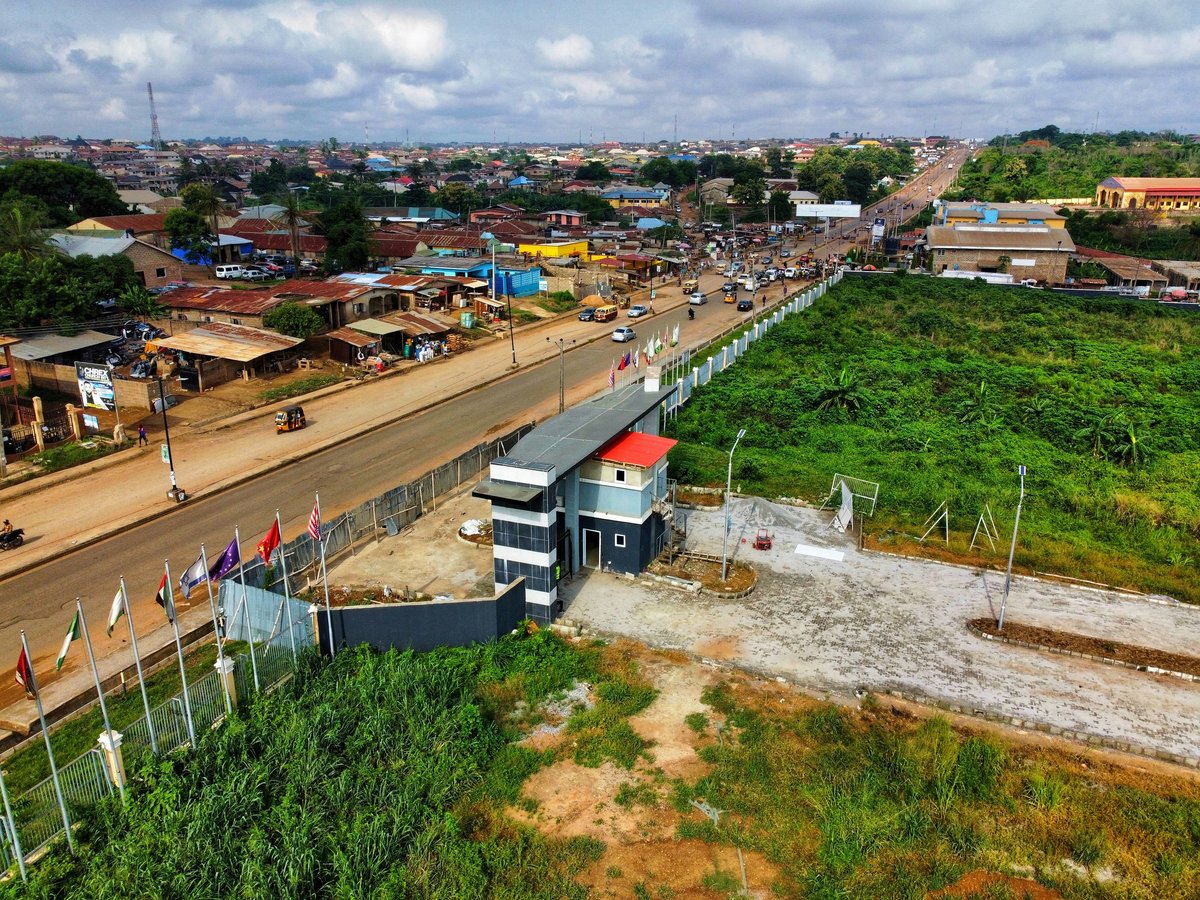
Lagos is huge, dense, and unforgiving on a schedule. The 12 places below are not the same list a hotel concierge will hand you; they are the addresses that let a visitor read the city on its own terms, from the airport most travellers meet first to the housing project on the lagoon that is arguing about what the city becomes next. Some are civic (a park, a market, the cathedral); some are cultural (a shrine, a townhouse with a gallery in the parlour, a bookshop-theatre that stages the country's writers). One is a polo ground in the middle of Ikoyi, and it tells you what colonial Lagos left behind and what island Lagos still does with it. This list is for the traveller who has a working week, a working phone, patience for traffic, and an appetite to see how a city of many faiths, many trades, and one unrelenting lagoon holds together. The 12 rotate through Lagos Island, Ikoyi, Victoria Island, Yaba, Ikeja, and the Lekki peninsula, on purpose. You will not tick all 12 in three days, and you should not try.
See the picks → -
Best free attractions
Lagos is a city that charges for almost everything except its air, and even that comes at a premium in traffic. The free list here is not a consolation prize; it is where Lagosians go when they want the city to give something back without the toll. Two of the five are on the mainland in Ikeja, close enough to the Secretariat that civil servants use them at lunch; one is on the Lekki peninsula, one is on Lagos Island proper, and one sits in a corner of Ojota that most visitors miss entirely. What they share is a working relationship with the city: the parks are used, not curated for photographs, and the conservation centre off the Lekki-Epe Expressway is the closest thing Lagos has to a genuine forest walk without an entrance fight. This list is for the visitor who has already done Nike Art Gallery and the boat to Tarkwa Bay and wants an afternoon that does not begin with a ticket queue. Bring water, bring cash for the okada out, and do not trust Google Maps on the last hundred metres.
See the picks → -
Best museums
Lagos does not have one museum district; it has a scatter of them, and the scatter is the point. The colonial-era civic core on Lagos Island holds the federal institutions, where the national collections sit inside buildings that were themselves part of the city's twentieth-century story. Cross the lagoon to Lekki and Ikoyi and the register changes: private galleries, artist-run rooms, and a working commercial scene where contemporary Nigerian art is priced, argued over, and shipped. Between them, the five rooms below cover the range a serious visitor will want, from a federal parastatal chartered to steward Black and African heritage to a Lekki compound built by an artist who wanted her country's work seen at home first. None of these are polite stops. They are working institutions in a working city, with the traffic and the power cuts and the opinionated staff that implies. Come with time, come with questions, and treat the address as the start of the visit, not the end of it.
See the picks →