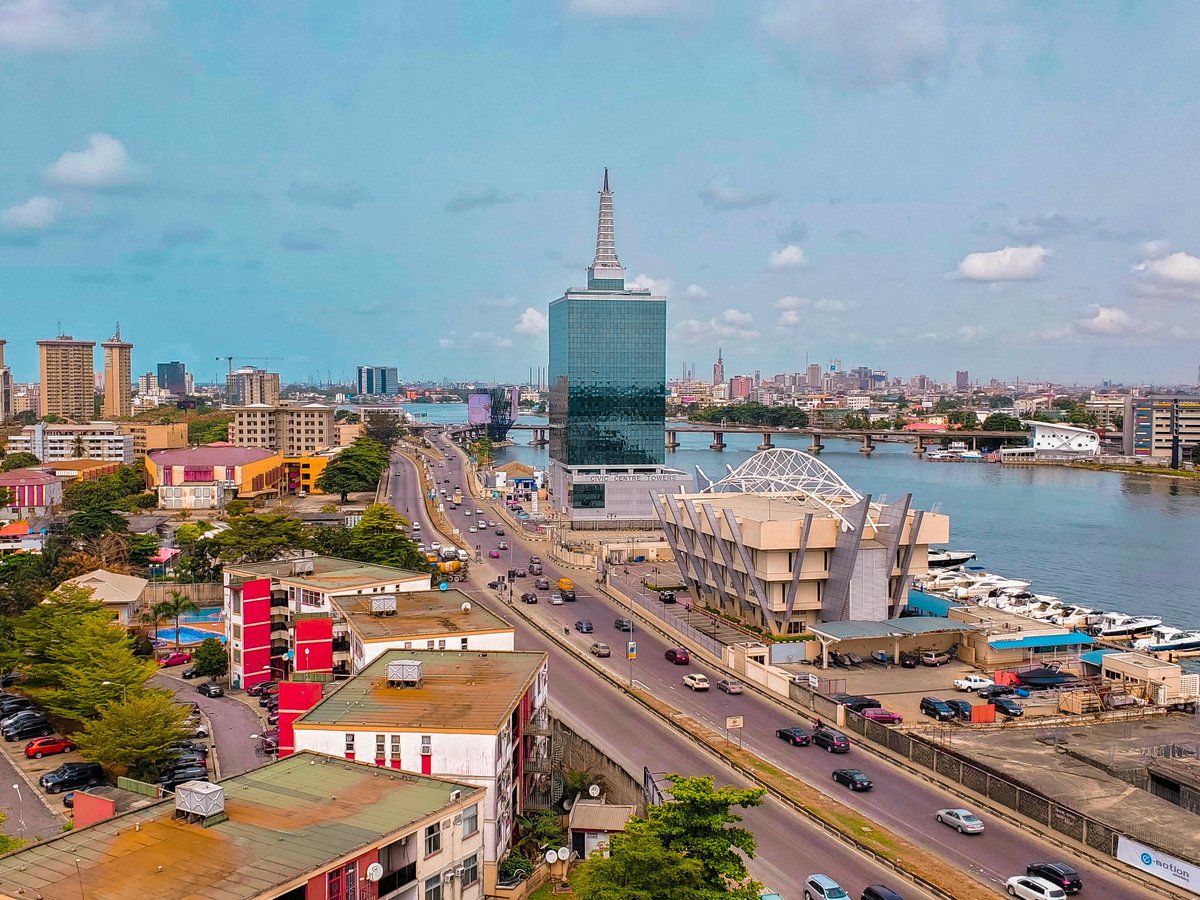
Stay in Lagos in July
20 hotels in the Trip.com pool for Lagos, from US$31 a night.
Opens Trip.com on Fri 2 Jul to Sun 4 Jul 2027; change the dates there.
July in Lagos means rain on most days of the month. That single fact shapes everything from your packing list to your daily schedule in Africa's largest city. The wet season blankets the coastline in thick humidity, the kind that fogs your phone screen and clings to your skin the moment you step through arrivals at Murtala Muhammed International Airport. Temperatures run noticeably cooler than the 32°C peaks of January through April, which tends to surprise first-time visitors expecting equatorial heat. The trade-off is an atmosphere so heavy with moisture that laundry hung in a Lekki hotel room might still be damp 2 days later.
To be fair, Lagos in the rain has its own rhythm. Traffic on the Third Mainland Bridge eases as domestic tourism dips. Visitor numbers across hotels on Victoria Island and Ikoyi trend downward. The afternoon downpours that hit between roughly 2 PM and 5 PM on most days are heavy but rarely last more than an hour, and the city's 20-million-plus residents simply wait them out in restaurants, shopping plazas, or the covered walkways of Ikeja City Mall. Work your schedule around those windows, and you will find a city running at a slightly lower pitch than its dry-season norm.
Balogun Market on Lagos Island stays packed under tarps and corrugated roofing through every storm, the scent of rain-wet asphalt mixing with charcoal smoke from sidewalk corn vendors. New Afrika Shrine in Ikeja holds its weekly Sunday Jump sessions regardless of weather. Street food shifts to seasonal specialties. The corn and ube pairing that vendors sell along Allen Avenue in Ikeja and at Ojuelegba roundabout in Yaba only appears from roughly June through August.
Why visit in July
- Temperatures drop roughly 4°C below the dry season average, making walking through neighborhoods like Lekki or Surulere less punishing than a visit in February or March.
- Hotel rates across Victoria Island typically run 20-30% below the December through January peak, with last-minute availability that disappears in high season.
- The rains transform the city's vegetation. The canopy walkway at Lekki Conservation Centre passes through full, green growth that looks dramatically different from its dry-season state.
- Fewer tourists at cultural venues. The Nigerian National Museum in Onikan and galleries across Ikoyi see smaller crowds, with more room and time for browsing.
Worth knowing
- Rain falls on most days, with afternoon downpours that can confine you indoors for 60-90 minutes at a stretch.
- Flash flooding hits low-lying mainland areas after heavy storms, making some roads temporarily impassable during and immediately after downpours.
- Humidity sits near its annual peak. Sweat barely evaporates, clothes feel clammy within minutes of stepping outside, and leather goods risk mildew in your hotel room.
- Mosquito populations rise with the standing water, increasing exposure to malaria across Lagos State.
Best for
Think twice if
July sits in the heart of Lagos's wet season. Overcast skies dominate most mornings, with daytime highs reaching about 27.9°C (82°F) before afternoon rains pull them lower. Nights settle around 24.1°C (75°F), warm enough that a single light layer is the most you will need after dark. Total rainfall reaches 183mm spread across 22 days with measurable precipitation, though individual storms can dump 30-40mm in under an hour. Humidity holds at 84%, which means the air feels thicker and warmer than the thermometer alone would suggest. Cloud cover and moisture together keep this among the coolest months in Lagos, but the persistent dampness more than compensates for the missing dry-season heat.
Seasonal caution
- Flash flooding affects low-lying areas across the Lagos mainland after heavy storms. Surulere, Mushin, and Ajegunle are particularly vulnerable. Avoid driving through standing water deeper than curb height, as road surfaces below may have collapsed.
- Mosquito-borne illness risk rises sharply during the wet season. Malaria, caused by Plasmodium falciparum, is endemic throughout Lagos State. Prophylactic medication and DEET-based repellent are strongly recommended. Consult a travel clinic at least 4 weeks before departure.
- Open drainage channels overflow during intense storms. Uncovered manholes and street gutters can be hidden by floodwater, creating fall hazards especially after dark.
Year-round climate
Averages from the last 5 years.
| Month | Avg high (°C) | Avg low (°C) | Rainfall (mm) |
|---|---|---|---|
| Jan | 32 | 25 | 20 |
| Feb | 32 | 25 | 30 |
| Mar | 32 | 26 | 85 |
| Apr | 32 | 26 | 98 |
| May | 31 | 26 | 112 |
| Jun | 29 | 25 | 246 |
| Jul | 28 | 24 | 183 |
| Aug | 28 | 24 | 128 |
| Sep | 28 | 24 | 208 |
| Oct | 29 | 24 | 173 |
| Nov | 31 | 25 | 64 |
| Dec | 32 | 24 | 24 |
Best things to do in July
Gallery hopping across Ikoyi and Lekki
cultureLagos holds one of West Africa's richest contemporary art scenes. Nike Art Gallery in Lekki houses a striking range of painting, sculpture, and textile art. Smaller galleries in Ikoyi rotate exhibitions monthly and often host openings with the artists present.
Rain makes indoor activities more appealing, and July's quieter gallery floors mean more personal time with curators and artists.Rainy season street food tour through Yaba and Ikeja
foodFollow the charcoal smoke from Ojuelegba roundabout through Yaba's Herbert Macaulay Way corridor, where corn vendors, ube sellers, and pepper soup spots cluster within walking distance. The experience is best on foot between 9 AM and noon before the rains hit.
The corn and ube combination peaks from June through August. Vendors are most numerous in July, and the fresh corn is at its sweetest.Evening at New Afrika Shrine
nightlifeThe Afrobeat music venue built by Femi Kuti in honor of his father Fela. Live bands perform from late evening into the early morning hours in Ikeja. The atmosphere is informal, the music is loud, and the crowd skews local.
The covered venue means storms never cancel a performance. July's smaller tourist numbers make the audience feel more genuinely Lagos.Lekki Conservation Centre canopy walk
natureA 401-meter suspended walkway through the canopy of a coastal mangrove and swamp forest. The trail below passes through wetland habitat supporting monkeys, birds, and monitor lizards. The walkway reaches roughly 22 meters above ground.
July's rains fill the swamp forest below, turning the walk into a crossing above water and dense green growth. The vegetation is at its most dramatic.Booking tipGo before 10 AM to avoid both the afternoon storms and the midday heat. Weekdays are significantly less crowded.
Nigerian National Museum, Onikan
cultureFounded in 1957, the museum houses collections of archaeological finds, traditional crafts, and ethnographic displays across multiple halls. The Benin bronzes replica collection and the traditional architecture gallery are particular highlights.
A reliable rainy-day anchor. The museum sees fewer visitors in July than during the dry-season peak, and the indoor format works perfectly on storm days.Lagoon boat ride from Falomo jetty
outdoorWater taxis and private boats depart from Falomo in Ikoyi across the Lagos Lagoon. The ride toward Five Cowries Creek offers a different angle on the city, with the Victoria Island skyline on one side and fishing villages on the other.
The lagoon sits at its fullest in July, and the reflection of storm clouds on still water before the afternoon rains creates striking views. Go in the morning when the water is calmer.Booking tipArrange boats at Falomo jetty before noon. Boatmen typically refuse to launch if afternoon storms are building.
Pepper soup crawl in Surulere
foodThe open-air joints along Adeniran Ogunsanya Street in Surulere serve steaming pepper soup late into the evening. Goat meat, catfish, and assorted offal are the standard options. The smoke, steam, and chili heat hit you from 10 meters away.
The cooler, damper evenings of July make hot pepper soup feel more natural than during the hotter dry months. Locals eat more of it during the rains, and the atmosphere in the joints is lively.Freedom Park afternoon
cultureThe former Broad Street Prison on Lagos Island, converted into an open-air cultural venue with a performance pavilion, exhibition space, and a bar-restaurant. The grounds include shaded seating and green space within the old prison walls.
The covered pavilion areas function in any weather, and the greenery within the park walls looks its lushest during the wet season. Weekday afternoons are quiet and uncrowded.What to eat in July
On menus now
Pepper soup (goat or catfish)
Hot, peppery broth loaded with goat meat or catfish. Consumption rises during the cooler, damp evenings of the wet season, making it Lagos's default rainy-night comfort food.
Agidi (corn pudding)
Thick corn pudding wrapped in banana leaves, made from the fresh maize harvest that peaks mid-year. Sold at morning markets across Lagos Island, the texture is firm and slightly gelatinous.
Street food peaks
Roasted corn and ube (African pear)
The defining street food of Lagos's wet season. Fresh corn charred over coals and paired with buttery ube, which fruits only from roughly June through August. Vendors line Allen Avenue in Ikeja and major bus stops across the mainland.
Boiled corn with coconut shavings
Simpler than the roasted version, sold from large pots at bus stops and market entrances across the mainland. July's fresh harvest corn is noticeably sweeter than the dried kernels available in the dry season.
What to drink
Fresh palm wine
Tapped from oil palms in areas like Epe and Badagry outside central Lagos. The rainy season seems to produce sweeter, heavier sap. Freshly tapped palm wine ferments fast, so drink it the day you buy it.
Regular events in July
Sunday Jump at New Afrika ShrineFree
Weekly Afrobeat session at the live-music shrine in Ikeja. Live bands perform from late evening into the early hours, with an informal, dance-floor atmosphere under a covered roof that keeps the music going through any storm.
Every Sunday evening through JulyFreedom Park Live Music and Poetry NightsFree
Weekend cultural programming in the covered performance pavilion at Freedom Park. Spoken word artists, poets, and live bands rotate through the lineup on Lagos Island.
Friday and Saturday evenings through JulyTerra Kulture Theatre Productions
Rotating stage productions at Victoria Island's Terra Kulture arts center, which also houses a gallery and restaurant. Nigerian playwrights and directors stage new and returning work throughout the rainy season.
Thursday through Sunday performances, schedule varies by productionNigerian Premier Football League matches at Teslim Balogun Stadium
Domestic league football at the Surulere stadium that opened in 1984. Weekend matches draw passionate local supporters, and the covered main stand provides shelter when rain arrives mid-match.
Weekend match days, schedule varies by league fixtureBest places this July
Nike Art Gallery
museumWest Africa's largest private art collection, spread across four indoor floors of painting, sculpture, batik, and textile work. The rooftop level offers views over the Lekki skyline when the clouds briefly clear.
LekkiCathedral Church of Christ
landmarkFounded in 1946, this Anglican cathedral on the Marina waterfront features neo-Gothic architecture and a cool, quiet interior. Worth 30 minutes as both a historical site and a welcome retreat from the rain and humidity outside.
Lagos IslandBalogun Market
marketOne of the largest open-air markets in West Africa, trading textiles, electronics, and household goods across a dense network of stalls that stays busy regardless of weather. The textile section is worth exploring for Lagos's aso-oke and ankara fabrics.
Lagos IslandTarkwa Bay Beach
beachA sheltered cove accessible by boat from Falomo jetty in Ikoyi, roughly 20 minutes across the water. On the rare clear morning in July, it offers a genuine beach break from the city. The sand is coarse, the water warm, and the crowd small on weekdays.
Lagos Island (offshore)Herbert Macaulay Way food strip
food districtA stretch of roadside restaurants and food stalls in Yaba's university district. Pepper soup joints, roasted corn vendors, and suya spots cluster here, with covered seating areas that stay busy through the evening rain. Popular with University of Lagos students and staff.
Yaba
Your packing checklist
Tick items off as you pack. Your progress saves in this browser.
All packed — have a great trip.
Insider tips
Lagos scores 2.8 out of 10 on solo-traveler safety (see the TTDI Solo-Safety Index). Travel in groups after dark, keep phones out of sight on the street, and avoid the Oshodi and Mushin areas on foot at night.
The afternoon rains are predictable enough to plan around. Most Lagosians treat the early afternoon as an indoor break. Grab lunch or a drink under cover, then head back out once the rain passes, typically by late afternoon when the streets begin to drain.
BRT buses along the Ikorodu Road corridor and the Mile 2 to CMS route handle flooding better than yellow danfo minibuses, which frequently stall in deep water. The BRT also runs in dedicated lanes, cutting travel time during storm-related gridlock.
If you are visiting Nike Art Gallery in Lekki, go in the morning. The surrounding streets in Lekki Phase 1 tend to flood after heavy rain, and getting a ride out on a storm afternoon can mean a long wait.
Avoid these mistakes
- Scheduling outdoor activities after noon. The afternoon storm window is consistent enough that any post-lunch outdoor plan should be treated as provisional. Mornings are your reliable window.
- Packing only lightweight summer clothes without rain protection. First-time visitors underestimate how quickly a Lagos downpour starts. Within 5 minutes, streets can have ankle-deep standing water.
- Assuming ride-hailing apps will work normally during storms. Wait times on Bolt and InDrive in Lagos can triple during heavy rain, with surge pricing on top. Have a backup plan, or simply wait for the storm to pass.
- Walking near open drainage channels during or after rainfall. The gutters lining major roads across the mainland can run 1-2 meters deep and are often hidden by floodwater.
Practical tips for July
Book accommodation on Victoria Island, Ikoyi, or Lekki rather than the mainland if possible, as these neighborhoods have better drainage infrastructure and sit closer to most cultural venues. Download offline maps before arrival, because cellular networks sometimes drop during heavy storms. Most restaurants and cultural venues keep regular hours through the rainy season, but outdoor events may cancel with little notice. There are no Nigerian public holidays in July, so government offices and banks maintain standard weekday schedules. Yellow fever vaccination is required for entry into Nigeria, and your certificate is checked at immigration upon landing at Murtala Muhammed. Road traffic during storms can triple normal travel times on the mainland, so allow 2-3 hours for any cross-city journey when rain is forecast.
FAQ
Is July a good time to visit Lagos?
July is a fair time to visit Lagos, not ideal. The city sits in the middle of its wet season, with rain on roughly 22 of the month's 31 days and humidity around 84%. The upside is cooler temperatures near 28°C, lower hotel rates on Victoria Island and Ikoyi, and noticeably fewer tourists at venues like Nike Art Gallery in Lekki and the Nigerian National Museum in Onikan. The corn and ube street food season peaks along Allen Avenue in Ikeja and at major mainland bus stops. If you can structure your days around morning outings and indoor afternoons at places like Terra Kulture or Ikeja City Mall, a July trip works. If you need guaranteed sunshine for Tarkwa Bay or Elegushi Beach, November through February is the stronger window.
What is the weather like in Lagos in July?
Overcast skies prevail over Victoria Island, the mainland, and the lagoon for most of July. Daytime highs reach about 27.9°C (82°F), roughly 4°C cooler than the dry-season peaks of January through April. Nights settle around 24.1°C (75°F). Total rainfall reaches 183mm spread across roughly 22 days, though the distribution is uneven. Some storms dump 30-40mm in under an hour, then the sky clears by evening. Humidity holds near 84%, which means the air around Balogun Market or the Third Mainland Bridge tollway feels heavier than the thermometer alone suggests. The persistent cloud cover filters UV, so sunburn is less of a concern than in the dry months, but moisture accumulates on everything. Expect fogged phone screens, damp clothing, and condensation on cold surfaces in your hotel room.
Is Lagos safe for tourists in July?
Safety in Lagos requires neighborhood-level awareness, and the rainy season adds its own hazards. Victoria Island, Ikoyi, and Lekki Phase 1 have better-lit streets, functioning drainage, and visible security presence at hotels and commercial buildings. The mainland neighborhoods of Oshodi and Mushin are best avoided on foot after dark year-round. In July specifically, flooded roads across Surulere and Ajegunle hide open drainage channels that can run 1-2 meters deep. Use Bolt or InDrive for transport rather than flagging danfo minibuses, which tend to push through standing water. Keep phones out of sight on the street, especially around bus stops along Ikorodu Road. The BRT corridor from Mile 2 to CMS is a more predictable commute than unstructured minibus routes during storms. Mosquito exposure rises across Lagos State during the rains, so antimalarial prophylaxis and DEET repellent are not optional.
Does it rain every day in Lagos in July?
Not every day, but close. Roughly 22 of the 31 days record measurable precipitation, so dry stretches longer than 24 hours are the exception. The pattern is fairly predictable for residents. Victoria Island and the mainland typically start warm and overcast, with partial clearing before noon. The heavy rain tends to arrive between 2 PM and 5 PM. Lagosians plan around this. The lunchtime crowd at Ikeja City Mall thins out well after 4 PM, and suya vendors on Allen Avenue set up their grills once the streets begin to drain around 6 PM. Worth noting, the intensity varies widely. Some July days bring 10 minutes of drizzle, others bring a 40mm downpour that floods Adeniran Ogunsanya Street in Surulere within the hour.
Is August better than July for visiting Lagos?
Likely, yes. August typically brings the 'August Break,' a brief dry spell where rainfall drops to roughly 128mm compared to July's 183mm. The skies over Victoria Island and Lekki clear for longer stretches, sometimes 2-3 consecutive dry days. You still get the low-season hotel rates and fewer tourists at Freedom Park on Lagos Island and Nike Art Gallery in Lekki. If your dates are flexible by even a few weeks, pushing into early August is worth considering. September, however, brings heavier rain than July, typically 200mm or more across Lagos State, so do not extend too far into that month.
Last verified by automated review (v1.7.2) on . What is automated review?