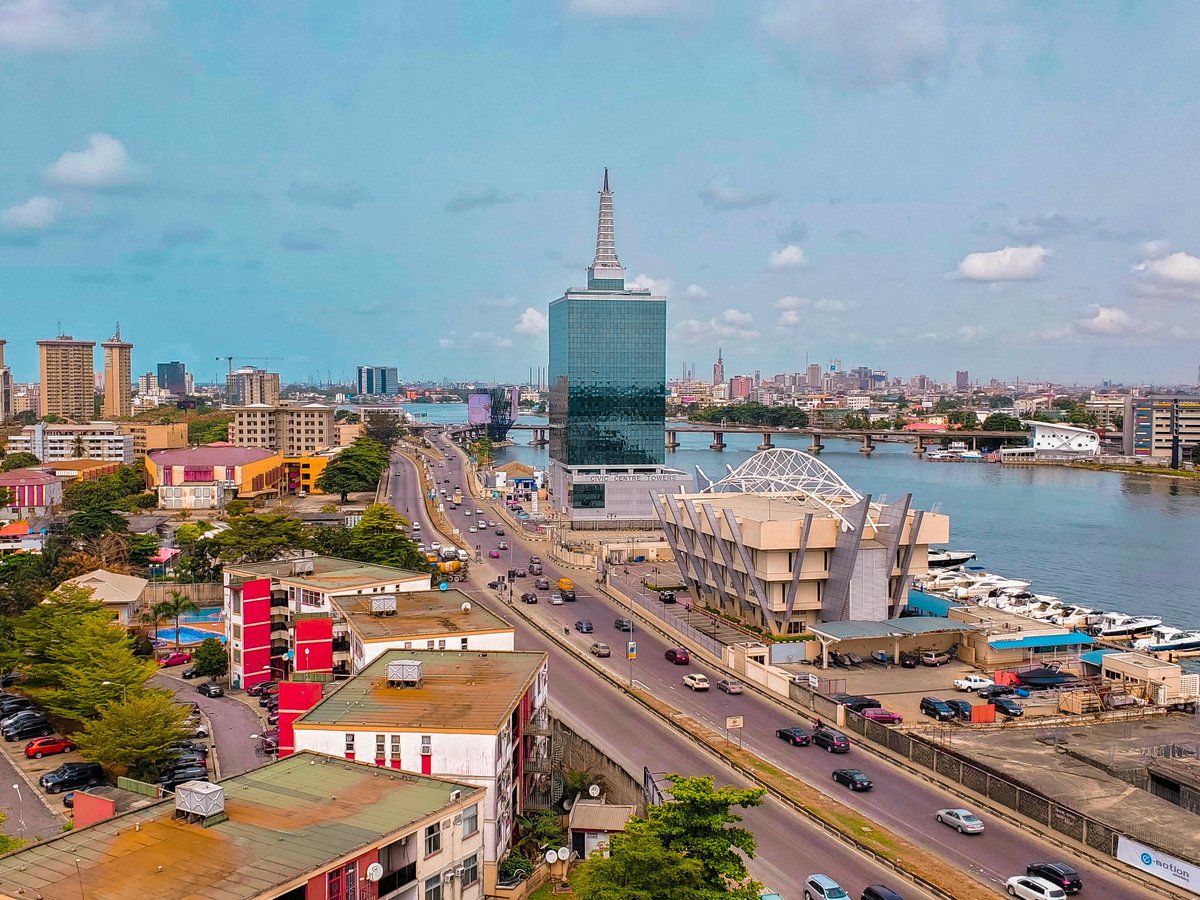
Stay in Lagos in September
20 hotels in the Trip.com pool for Lagos, from US$31 a night.
Opens Trip.com on Fri 3 Sep to Sun 5 Sep 2027; change the dates there.
September in Lagos means rain. Properly heavy West African wet-season rain that makes this the second-wettest month of the year, behind only June. You'll feel the humidity the moment you step outside Murtala Muhammed International Airport, and it doesn't let go until you're back in air conditioning. That said, temperatures run about 4 degrees cooler than what Lagos delivers during the dry season in January and February, so at least the heat is manageable.
The rain reshapes daily rhythms across Lagos. Traffic on Third Mainland Bridge, the 11.8km link between Lagos Island and the mainland, gets worse when storms flood low-lying roads across the city. Street vendors still sell roasted corn paired with ube (African pear) along the roadsides in Victoria Island and Yaba between downpours, but outdoor plans need real flexibility. Rain typically arrives as heavy afternoon bursts lasting 1 to 3 hours, so mornings before noon tend to be your window.
Lagos is primarily a commercial city, not a beach destination. Its rhythm runs on Nollywood production, a growing tech scene concentrated in Yaba, and port activity at Apapa. September's weather slows logistics and complicates movement, but nothing shuts down. If you're coming for business or drawn to indoor culture, the Lekki galleries and performance spaces on Lagos Island keep September manageable. If you want beach days at Tarkwa Bay and extended outdoor time, the dry months from November through February are a far better bet.
Why visit in September
- Lagos's coolest month by temperature, with highs well below the 32°C that January and March deliver, makes gallery visits in Lekki and morning walks in Ikoyi noticeably more comfortable.
- Accommodation rates in Victoria Island and Ikoyi drop 20-30% below the December-January peak, making September one of the most affordable months for leisure stays.
- The wet season pushes more cultural programming indoors. Theaters at Terra Kulture and Freedom Park increase their September event calendars with plays, live music, and spoken-word nights.
- Peak season for ube (African pear) and fresh corn means September catches this street food pairing at its absolute best.
Worth knowing
- Lagos receives roughly 208mm of rain across 25 days in September. Outdoor plans, particularly beach visits to Tarkwa Bay, face frequent disruption.
- Road flooding in areas like Surulere, Mushin, and parts of Ikeja can strand vehicles for hours after heavy storms. Travel time between Victoria Island and the mainland becomes unpredictable.
- Mosquito density peaks with September's standing water. Malaria risk across Lagos increases noticeably, and visitors need prophylaxis and DEET-based repellent.
Best for
Think twice if
September sits deep in Lagos's wet season, with rain falling on most days of the month. Storms typically arrive as intense afternoon cloudbursts that can drop 30-50mm in a single hour before clearing to overcast skies. Temperatures stay in a narrow band, with highs around 28.1°C (83°F) and lows near 24°C (75°F). Humidity averages 86%, making even these moderate readings feel considerably warmer on the skin.
Seasonal caution
- September rainfall exceeds 200mm, qualifying as heavy wet-season precipitation. Flash flooding affects low-lying mainland neighborhoods within 30 minutes of sustained downpours, and Lagos's drainage infrastructure struggles to keep roads passable.
- Standing water from near-daily rain creates peak mosquito breeding conditions. September falls within Lagos's high-transmission malaria zone, and travelers should begin antimalarial prophylaxis before arrival.
Year-round climate
Averages from the last 5 years.
| Month | Avg high (°C) | Avg low (°C) | Rainfall (mm) |
|---|---|---|---|
| Jan | 32 | 25 | 20 |
| Feb | 32 | 25 | 30 |
| Mar | 32 | 26 | 85 |
| Apr | 32 | 26 | 98 |
| May | 31 | 26 | 112 |
| Jun | 29 | 25 | 246 |
| Jul | 28 | 24 | 183 |
| Aug | 28 | 24 | 128 |
| Sep | 28 | 24 | 208 |
| Oct | 29 | 24 | 173 |
| Nov | 31 | 25 | 64 |
| Dec | 32 | 24 | 24 |
Best things to do in September
Walk the Lekki Conservation Centre canopy walkway
natureThe 78-hectare wetland reserve includes one of Africa's longest canopy walkways, stretching over 400m above the forest floor. The surrounding mangrove and swamp forest habitats are at peak water level in September, creating dense green canopy cover and bringing out more birdlife than the dry months.
September's cloud cover and cooler temperatures make the exposed walkway far more tolerable than the dry-season heat. The wetland habitats are fully flooded, attracting wading birds and other wildlife absent during drier periods.Booking tipArrive before 10 AM for the driest conditions. The center sometimes closes the walkway during active lightning, so check their social media channels on stormy mornings.
Browse galleries along the Lekki corridor
cultureThe stretch from Victoria Island through Lekki hosts several galleries, with Nike Art Gallery as the anchor. Nike Art Gallery holds over 8,000 works across 4 floors, ranging from contemporary paintings to textile art and sculpture. The surrounding area includes smaller independent studios worth visiting between rain breaks.
Afternoon storms drive visitors indoors, and the Lekki galleries benefit from that foot traffic. September's lower tourist numbers mean more personal attention from gallery staff and artists in residence.Eat your way through ube-and-corn season
foodSeptember brings peak harvest for ube (African pear) and fresh corn. Vendors line major roads from early morning, and the warm, smoky combination is best eaten right from the grill. The experience of standing by a roadside vendor in light drizzle, waiting for your corn and ube to blister over coals, is distinctly September in Lagos.
September sits squarely at the height of ube season. By the time dry-season visitors arrive in December, the pairing has disappeared from the streets entirely.Catch a live show at Freedom Park
entertainmentFreedom Park on Lagos Island, a former colonial-era prison turned cultural center, hosts live music, comedy, and spoken-word events in its open-air and covered performance spaces. The brick archways and converted cell blocks give the venue a texture that's hard to replicate.
September's wet weather drives more artists and audiences toward covered indoor venues. Freedom Park's calendar tends to be fuller during the wet months when outdoor competing events elsewhere get cancelled.Visit the Nigerian National Museum in Onikan
cultureFounded in 1957, the museum houses archaeological artifacts, traditional Benin bronze replicas, and ethnographic displays from Nigeria's diverse cultural groups. The ground-floor galleries cover pre-colonial art while the upper rooms display traditional crafts and royal regalia.
September's low tourist numbers mean you might have entire gallery rooms to yourself. The air-conditioned interior provides genuine relief from the damp heat outside.Explore Balogun Market on Lagos Island
shoppingOne of West Africa's largest markets, Balogun covers several blocks of Lagos Island with covered and open-air sections selling textiles, electronics, household goods, and imported clothing. The covered textile halls alone could occupy a full morning.
Rainy afternoons drive shoppers under cover, and Balogun's roofed sections stay fully operational. September's reduced tourist presence means less aggressive attention from touts than in the busier dry months.Take a boat across Lagos Lagoon
transport and sightseeingWater taxis and ferries connect Falomo Jetty on Ikoyi to CMS terminal on Lagos Island. The roughly 20-minute ride offers skyline views and a complete bypass of road traffic, which matters enormously during September flood conditions.
September rains push lagoon water levels higher, creating a calmer surface for the crossing than the choppier dry-season rides. Morning departures before 11 AM typically happen under overcast but dry skies, good for photography of the skyline.What to eat in September
In season: fruit
Ube (African pear)
Ube harvest runs from August through early October in southern Nigeria. The purple-skinned fruits are softened by heat until the waxy, faintly resinous flesh yields under your teeth. Vendors pair them with fire-roasted corn across Victoria Island and Yaba, and the warm combination disappears from the streets entirely by November.
On menus now
Ogbono soup
Fresh ogbono (bush mango) seeds arrive at Lagos markets from southeastern farms during September. Ground and cooked into a thick, draw-style soup with stockfish and bitter leaf, the fresh-seed version has a richer, more rounded flavor than the dried alternative used year-round.
Pepper soup
September evening temperatures can dip to 23°C during and after storms, making a steaming bowl of goat or catfish pepper soup particularly satisfying. The broth carries scotch bonnet heat, with uziza and ehuru lending an aromatic warmth that settles in your chest. Spots in Surulere serve it with a side of boiled yam.
Ukwa (African breadfruit)
Ukwa pods drop during the rainy season. The seeds are boiled with palm oil and ground crayfish into a thick, nutty porridge that Igbo communities in Lagos treat as a wet-season staple. The texture lands somewhere between chestnut and cassava.
Street food peaks
Roasted corn (agbado)
September corn comes from the late wet-season harvest. Vendors char whole cobs over roadside charcoal grills until the kernels blister and blacken at the edges, producing a smoky sweetness that's nothing like boiled corn.
What to drink
Palm wine (emu)
September's rains keep oil palm and raphia palm trees productive. Fresh palm wine arrives slightly fizzy and sweet with a yeasty tang, sold at roadside joints across Lagos. It turns within 24 hours, so whatever you drink was tapped that morning.
Regular events in September
Maulud (Eid al-Mawlid)Free
Maulud marks the Prophet Muhammad's birthday and is a national public holiday in Nigeria. Muslim communities across Lagos hold prayers and processions, particularly around the Central Mosque on Lagos Island. Offices, banks, and government services close for the day.
Early September 2026 (date shifts annually with the Islamic calendar)Independence Day Eve celebrationsFree
September 30 marks the eve of Nigeria's Independence Day on October 1. Tafawa Balewa Square on Lagos Island hosts military parade rehearsals and cultural performances previewing the main national celebrations the following day.
September 30New Yam Festival (Iri Ji Ohuru)Free
Igbo communities across Lagos celebrate the harvest of new yams with feasting, dancing, and thanksgiving ceremonies. Events happen at various community halls and cultural centers throughout the city, with concentrations in areas with large Igbo populations.
Late August through September (varies by community)Best places this September
Terra Kulture
arts venueArts and culture center on Tiamiyu Savage Street hosting plays, exhibitions, and a bookshop. September's theater calendar features more indoor programming than the dry months, with shows running most weekends. The attached restaurant makes it an easy half-day destination during afternoon storms.
Victoria IslandCathedral Church of Christ
landmarkCompleted in 1946, this Anglican cathedral on the Marina is one of the oldest surviving buildings in central Lagos. The neo-Gothic exterior photographs well under September's soft overcast light, which eliminates the harsh shadows of dry-season sunshine.
Lagos IslandLekki-Ikoyi Link Bridge
viewpointThe cable-stayed toll bridge connecting Lekki to Ikoyi offers elevated views of the lagoon and city skyline. On the occasional clear September evening, the sunset views over the water are among Lagos's most photogenic. The bridge also provides a flood-free crossing when surface roads are underwater.
Lekki-IkoyiOnikan cultural district
neighborhoodThe area around Onikan on Lagos Island concentrates several indoor attractions within walking distance. The National Museum, the stadium complex, and Freedom Park sit within a 15-minute walk of each other, making it an efficient base for a rainy-day culture crawl.
Lagos IslandLagos National Stadium complex
sports and recreationFounded in 1961 in the Surulere district, the stadium complex includes running tracks and green open spaces. September's cooler mornings, with temperatures starting near 24°C before climbing, make early runs around the perimeter noticeably more comfortable than dry-season attempts.
Surulere
Your packing checklist
Tick items off as you pack. Your progress saves in this browser.
All packed — have a great trip.
Insider tips
Morning is your window. Most September days stay dry until around noon or 1 PM. Front-load outdoor plans like Lekki Conservation Centre or market visits for 7-11 AM, then shift indoors for the afternoon.
Okada (motorcycle taxis) and Keke Napep (three-wheelers) are banned on many major Lagos roads, including most of Victoria Island and the Lekki corridor. Your realistic transport options are ride-hailing apps like Bolt or InDrive, yellow danfo minibuses, or BRT buses on fixed routes.
If you want to visit Balogun Market on Lagos Island, go on a weekday morning. Saturday crowds pack the narrow covered alleys so tightly that moving becomes difficult even without the rain.
Power outages increase during September storms. Hotels in Victoria Island and Ikoyi typically have generator backup, but budget guesthouses on the mainland might not. Confirm generator access before booking anywhere.
Avoid these mistakes
- Booking a full-day outdoor itinerary. September's rain will cancel at least half of it. Build your schedule around 3-4 hour morning outdoor blocks with indoor alternatives lined up for the afternoon.
- Wearing closed leather shoes. Lagos streets flood to ankle depth within minutes of a heavy downpour, even in well-drained neighborhoods like Ikoyi. Waterproof footwear is essential, not optional.
- Underestimating Lagos traffic on rainy days. A drive from Victoria Island to Ikeja that takes 45 minutes dry can stretch to 3 hours when roads flood. Build at least 2x your expected travel time into any September schedule.
- Skipping mosquito precautions. September's standing water from near-daily rain is peak breeding season for Anopheles mosquitoes across Lagos. Antimalarial prophylaxis and repellent are non-negotiable, not suggestions.
Practical tips for September
September's rain pattern typically follows a morning-dry, afternoon-wet cycle across Lagos. Schedule outdoor activities for before noon and keep indoor alternatives ready. Book accommodation in Victoria Island or Ikoyi rather than mainland neighborhoods, which are more vulnerable to flooding after heavy storms. Ride-hailing apps like Bolt and InDrive work more reliably than navigating the danfo minibus system during downpours. Confirm your hotel has generator backup, as power cuts increase during heavy September rain. Most restaurants and indoor venues in Victoria Island and Lekki don't require reservations this month since foot traffic drops during the wet season. If you're attending a formal evening event, carry your good shoes in a bag and wear waterproof sandals for the commute, then change on arrival. Mid-week tends to be more productive for business travelers since weekend social gatherings often get disrupted or moved indoors at short notice.
FAQ
Is September a good time to visit Lagos?
September is one of the least favorable months for visiting Lagos, ranking 11th out of 12 for the year. The rain is persistent and outdoor activities face daily disruptions. That said, if your trip is business-focused or you're interested in Lagos's indoor cultural scene, galleries and theaters stay active. You'll find lower accommodation rates than the popular dry-season months from November through February.
What is the weather like in Lagos in September?
September is warm and heavily overcast across Lagos. Daytime temperatures sit in the high 20s Celsius (low 80s Fahrenheit), which is cooler than the dry season but still feels oppressive because of the saturated air. Rain falls almost daily, usually as intense afternoon cloudbursts rather than all-day drizzle. Mornings before noon tend to be drier and more comfortable for getting around the city.
Does Lagos flood in September?
Parts of Lagos do flood during heavy September storms, particularly on the mainland. The island neighborhoods where most visitors stay, Victoria Island and Ikoyi, have better drainage infrastructure but are not immune to street-level water pooling. Book accommodation on the island side to minimize flood exposure, and build flexible afternoon schedules around the daily rain pattern.
Is Lagos safe for tourists in September?
Lagos requires heightened situational awareness regardless of the season. Avoid displaying valuables, use ride-hailing apps rather than flagging unknown vehicles, and stay in well-trafficked areas after dark. September's storms reduce visibility and create more chaotic traffic conditions than the dry months. Travel with a local contact if possible, especially if this is your first visit to the city.
What should I pack for Lagos in September?
Prioritize waterproof gear and moisture-wicking fabrics. A breathable rain jacket, waterproof sandals, and a sealed phone pouch are the September essentials that separate a manageable trip from a miserable one. Antimalarial medication and DEET-based insect repellent are critical for September's peak mosquito season. Cotton clothing will stay damp all day in the humidity, so synthetic quick-dry fabrics perform much better across the city.
Last verified by automated review (v1.7.2) on . What is automated review?