Stay in Santiago in March
77 hotels in the Trip.com pool for Santiago, from US$14 a night.
Opens Trip.com on Fri 5 Mar to Sun 7 Mar 2027; change the dates there.
March in Santiago is late summer at its most livable. The January and February heat, when afternoons tend toward 30°C (86°F), has eased to highs around 28°C (83°F), with overnight lows near 14°C (58°F) that make sleeping without air conditioning bearable again. Rainfall averages 5mm for the entire month, humidity sits around 52%, and a weeklong visit is unlikely to lose a single day to weather.
Chilean summer vacation ends in late February, and by early March the capital fills back up with returning locals and the academic year's first students. International visitor numbers drop from their December-February peak. You'll find shorter waits at the Museo Chileno de Arte Precolombino, founded in 1981 in Santiago Centro, and easier dinner reservations across Barrio Lastarria. This is also vendimia, the annual grape harvest, and the wine valleys of Maipo and Casablanca within 90 minutes of downtown are at their most festive.
Lollapalooza Chile takes over Parque O'Higgins mid-month, pulling concertgoers from across South America. The city's tree canopy stays full through March. Autumn yellows don't appear until mid-April.
Why visit in March
- Warm, dry weather with an average of 5mm of rain for the entire month, making outdoor plans nearly failure-proof
- Vendimia season in the Maipo, Colchagua, and Casablanca valleys, with working grape harvests and open-air tastings within day-trip range of downtown
- Post-peak-season hotel pricing, typically 15-25% below the December through February rates
- Lollapalooza Chile brings a major international music lineup to Santiago mid-month
Worth knowing
- UV radiation in the Santiago valley is more intense than the moderate air temperature suggests. Sunburns develop quickly on the exposed cerros, even when the breeze feels cool.
- Air conditioning is uncommon in mid-range hotels and most rental apartments in older barrios like Yungay and Brasil. Afternoon heat is manageable but noticeable without it.
- Santiago's cultural calendar is between seasons. Summer festival programming wraps up in February, and the autumn and winter theater and gallery season doesn't ramp up until April or May.
Best for
Think twice if
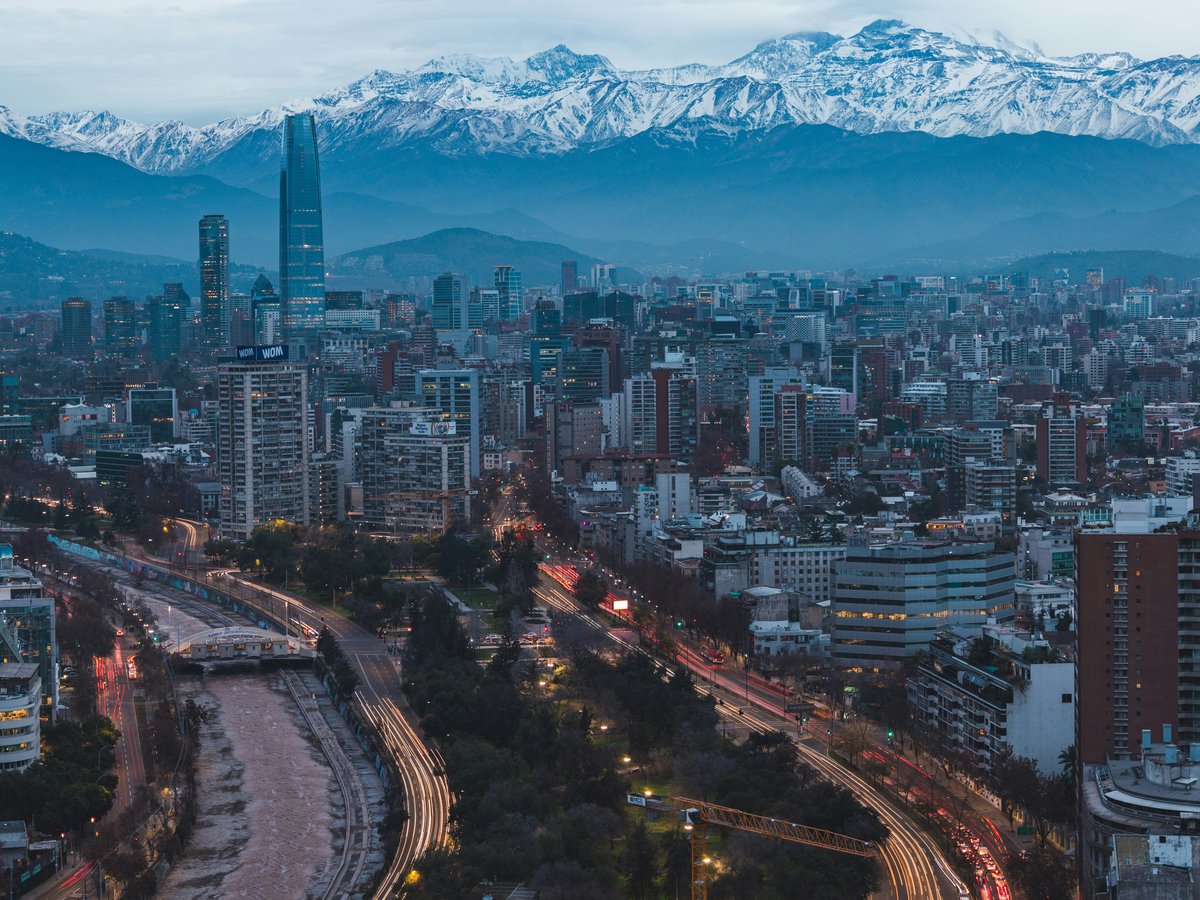
Santiago's late-summer warmth peaks in the early afternoon and drops sharply after sunset, with the Andes catching the last light to the east. Humidity sits well below what you'd feel in Buenos Aires or Lima at the same latitude, and your skin registers the dryness within a couple of days. The valley's position between the Andes and the coastal range traps clear air on most March mornings, giving the mountains a sharp, almost photographic quality from the city's cerros. UV radiation runs high for the latitude, a product of thin ozone coverage across the Southern Hemisphere. Rain is a near non-event, with at most a single day of trace precipitation.
Seasonal caution
- Santiago's UV index reaches 10-11 on clear March days, among the highest in South America for a major city. The combination of valley altitude, low humidity, and Southern Hemisphere ozone thinning amplifies UV exposure well beyond what the air temperature implies. Wear SPF 50+ and reapply every 2 hours, especially on the cerros where shade is scarce.
Year-round climate
Averages from the last 5 years.
| Month | Avg high (°C) | Avg low (°C) | Rainfall (mm) |
|---|---|---|---|
| Jan | 30 | 15 | 15 |
| Feb | 30 | 16 | 4 |
| Mar | 28 | 14 | 5 |
| Apr | 24 | 12 | 16 |
| May | 18 | 9 | 47 |
| Jun | 16 | 7 | 94 |
| Jul | 16 | 7 | 34 |
| Aug | 16 | 7 | 100 |
| Sep | 18 | 8 | 33 |
| Oct | 23 | 10 | 18 |
| Nov | 26 | 12 | 14 |
| Dec | 29 | 14 | 2 |
Holidays and festivals in March
Public holidays
- Good Friday(Viernes Santo)26 March 2027
- Holy Saturday(Sábado Santo)27 March 2027
Headline events
Lollapalooza Chile
Mid-March, typically Friday through Sunday
South America's largest iteration of the international festival, with multiple stages, international and Latin American headliners, and tens of thousands of attendees across its three-day run in Parque O'Higgins. The lineup typically drops in December, and early-bird tickets sell within days.
Best things to do in March
Vendimia wine harvest tours in the Maipo Valley
wineThe Maipo Valley, starting about 45 minutes south of Santiago, is in full harvest mode through March. Several estates open their operations to visitors, and a few let you participate in grape sorting. The landscape runs green from summer irrigation against the Andean backdrop.
March is the heart of the grape harvest. By April, picking season is over for most red varieties.Booking tipBook mid-week. Vendimia weekends at smaller estates sell out 2-3 weeks ahead.
Sunrise hike up Cerro San Cristóbal
outdoorThe summit of Cerro San Cristóbal in Parque Metropolitano gives a 360-degree view of Santiago against the Andes. The hike from Barrio Bellavista takes about 45 minutes at a steady pace. March mornings deliver warm air and low haze.
March mornings combine warm temperatures with the clearest Andes visibility before autumn haze patterns build in April and May.Booking tipNo booking needed. The Pío Nono entrance in Bellavista opens at dawn. Bring at least 1.5 liters of water.
Late-summer evening dining in Barrio Lastarria
foodMarch evenings in Lastarria stay warm enough for outdoor eating without a jacket until about 9pm. The neighborhood's pedestrianized streets fill with diners and street performers after sunset.
One of the last months warm enough for comfortable sidewalk dining into the evening. By May, outdoor tables sit empty.Day trip to Valparaíso
day tripValparaíso sits about 120 km northwest of Santiago, reachable by bus in under 2 hours. March warmth makes walking the steep cerro streets comfortable, and the port city's street art, historic ascensores, and seafood restaurants are less crowded than in January.
Summer crowds have thinned, but the weather remains warm and dry enough for a full day of walking the cerro neighborhoods. Winter fog and rain make the same walks slippery.Booking tipBuses leave from Terminal Alameda every 15-20 minutes. No reservation needed.
Afternoon at the Museo de la Memoria y los Derechos Humanos
cultureThe Museum of Memory and Human Rights, opened in 2010 in Barrio Yungay, documents Chile's 1973-1990 dictatorship period through oral histories, documents, and multimedia exhibits. The building's open courtyard and reflecting pool give the visit a contemplative pace.
Warm March afternoons make air-conditioned museums a practical midday refuge. The museum typically rotates temporary exhibitions as the cultural calendar restarts after summer.Booking tipFree admission. Open Tuesday through Sunday. Allow at least 2 hours.
Evening pisco sour crawl in Barrio Bellavista
nightlifeMarch coincides with the fresh grape harvest, and some Bellavista bars prepare pisco sours with recently distilled or rested pisco from the new season. The concentration of bars along Pío Nono and the side streets near La Chascona makes for a walkable evening.
Vendimia season means fresher pisco and grape-forward seasonal cocktails. The warm evenings keep Bellavista's outdoor terraces open late.Evening football match at the Estadio Monumental or Nacional
sportChile's two biggest clubs, Colo-Colo and Universidad de Chile, play home matches in Santiago. Colo-Colo's Estadio Monumental in Macul, built in 1975, and the Julio Martínez Prádanos National Stadium in Ñuñoa, dating to 1938, both seat close to 48,000. March evening kickoffs in the open-air stands are warm, and the crowd noise is intense.
The Chilean Primera División is underway by March, and the warm evening air makes the open-air stadiums comfortable compared to the cold, wet winter matches of June through August.Booking tipTickets are available through each club's website a few days before match day. Avoid resellers near the stadiums.
What to eat in March
In season: fruit
Uvas de mesa
Table grapes are at peak harvest across Chile's central valley in March. Red flame, Thompson, and muscat varieties appear at markets direct from the vendimia, sweeter and far cheaper than anything exported.
Higos frescos
Fresh figs reach their final peak before the season ends in early April. The breva variety, larger and less sweet, appears alongside the smaller honey-like main crop figs at ferias and produce stalls across the city.
Chirimoya
The first chirimoyas of the season appear at Santiago's markets by late March. Chile's beloved custard apple has a custardy flesh with flavors somewhere between banana and pineapple. Locals eat them raw with a spoon or blended into cold jugos.
On menus now
Pastel de choclo
Late March marks the tail end of corn season, and this ground-corn casserole layered over pino filling with chicken, olives, and hard-boiled egg starts disappearing from restaurant menus. By April the fresh choclo runs out and the dish won't return until December.
What to drink
Mote con huesillo
Chile's unofficial national summer drink, still served from pushcarts and market stalls through March. Husked wheat kernels and rehydrated dried peaches sit in a cold cinnamon-sugar syrup. The sweetness is intense, and the grainy texture catches first-timers off guard.
In markets
Nueces frescas
Chile's walnut harvest begins in March across the central valley. The first green-hulled nuts of the season have a milder, creamier flavor than the dried walnuts sold year-round. Cracking the fresh hull stains your fingers green.
Regular events in March
Vendimia harvest festivals
Wine valleys within day-trip distance of Santiago hold grape harvest celebrations through March. Expect grape-stomping, open-air asados, live cueca music, and tastings from the new vintage. Each valley sets its own schedule.
Throughout March, varying by valleyDía Internacional de la Mujer marchFree
International Women's Day on March 8 draws large marches through central Santiago, typically along the Alameda from Plaza Italia toward La Moneda. The demonstrations have grown significantly since Chile's 2018 feminist movement. Cultural events, talks, and art installations run throughout the surrounding week.
March 8Feria de Antigüedades de LastarriaFree
The weekly antiques and curiosities fair on Plaza Mulato Gil de Castro in Barrio Lastarria runs year-round, but March's warm weekends make browsing the outdoor stalls comfortable. Vintage maps, Chilean copperware, vinyl records, and old cameras.
Every Saturday and SundayBest places this March
Cerro San Cristóbal (Parque Metropolitano)
parkSantiago's largest urban park, stretching across several summits of the northern ridge. The summit at 880 meters gives a full panorama of the city framed by the Andes to the east. The Japanese Garden and Mapulemu botanical area on the southern slope carry their fullest plantings in late summer.
RecoletaCerro Santa Lucía
viewpointA smaller, more manicured hill in the city center, the site where Pedro de Valdivia founded Santiago in 1541. Terraced walkways, stone stairways, and the Neptune fountain make for a pleasant late-afternoon stroll as the heat eases. March sunsets from the top terrace light up the Andes in orange and pink.
Santiago CentroBarrio Italia
neighborhoodA residential neighborhood between Providencia and Ñuñoa that has filled with design shops, small galleries, cafes, and antique stores over the past decade. March evenings are warm enough to sit in the interior courtyards and patios that many shops share. Quieter and less tourist-oriented than Lastarria or Bellavista.
ÑuñoaMuseo Nacional de Bellas Artes
museumChile's national fine arts museum, housed in a 1910 Beaux-Arts building that shares its structure with the Santiago Museum of Contemporary Art, founded in 1947, on the opposite side. The central glass atrium fills with warm March light in the afternoons. The Bellas Artes collection dates to 1880 and is one of the oldest in South America.
Santiago CentroParque Bicentenario
parkA modern green space in Vitacura along the Mapocho River, with a lagoon that holds Chilean flamingos and black-necked swans. March warmth makes the lawns popular for late-afternoon picnics. The Andes views from the eastern end require no climbing and are some of the most accessible in the city.
VitacuraLa Vega Central
marketSantiago's largest and most chaotic produce market, in the Recoleta neighborhood on the north bank of the Mapocho. March brings the late-summer fruit displays to their peak. The market also houses Peruvian, Colombian, and Haitian food stalls reflecting Santiago's immigration patterns over the past two decades.
Recoleta
Your packing checklist
Tick items off as you pack. Your progress saves in this browser.
All packed — have a great trip.
Insider tips
La Vega Central, directly across the Mapocho River from the tourist-oriented Mercado Central, sells the same produce at roughly half the price. The second-floor food court serves proper Chilean cazuelas and pastel de choclo for a fraction of what the Mercado Central restaurants charge.
For the clearest Andes views from Cerro San Cristóbal, go before 9am. The valley's thermal inversion traps a thin haze that builds through the day. The funicular opens at 10am on weekdays, so use the Pío Nono walking entrance in Bellavista if you want the early-morning window.
The Bip! transit card, available at any Metro station kiosk, saves you roughly 30% per ride over single tickets. March's back-to-school rush means the L1 line between Baquedano and La Moneda is standing-room-only from 7:30 to 9am. Board one stop past your target and walk back if you want a seat.
If you're visiting wine country during vendimia, call the estate directly rather than booking through a tour operator. Many smaller Maipo Valley vineyards offer informal tastings for walk-ins mid-week, and you skip the tour-bus crowds and markup.
Avoid these mistakes
- Underestimating the UV and skipping sunscreen because the air feels moderate. The warm-but-not-hot temperature creates a false sense of security, but UV intensity in Santiago's valley approaches equatorial levels. A 2-hour cerro hike without protection produces serious burns.
- Planning a full day of walking between noon and 3pm. The heat peaks in the early afternoon and shade is scarce across Santiago Centro. Schedule museums, markets, or a long almuerzo during those hours, and save outdoor walks for morning or late afternoon.
- Assuming wine-country day trips are spontaneous during vendimia. The popular Maipo and Casablanca estates book out on weekends 2-3 weeks ahead in March. A Tuesday or Wednesday visit is far easier to arrange on short notice.
- Packing only summer clothes. The temperature swing from afternoon to night is around 14°C. Visitors in shorts and sandals at a 9:30pm dinner in Bellavista end up cold and uncomfortable.
Practical tips for March
March 1 typically marks the start of Santiago's school and work year, so Metro and bus services run full peak-hour schedules with L1 trains every 2-3 minutes from 7am. The Lollapalooza weekend fills central hotels fast, so book accommodation well ahead if your dates overlap. Taxi apps like Uber and Cabify work reliably in Santiago. Tipping at sit-down restaurants is customary at 10%, and some add it automatically as propina sugerida on the bill. Most museums close on Mondays. Santiago tap water is drinkable. The exchange rate currently sits at roughly 913 CLP to 1 USD, so a decent sit-down lunch runs about 8,000 to 12,000 CLP. The city's altitude of around 520 meters is too low for altitude effects, but the dry air means you'll drink more water than expected.
FAQ
Is March a good time to visit Santiago?
March is one of the better months to visit. It sits in the transition between the peak summer heat of January and February and the cooler, wetter autumn that starts in April. Weather is warm and reliably dry, hotel prices drop from their summer peak, and the grape harvest in nearby wine valleys adds a seasonal draw that other months lack. It ranks 3rd out of 12 months for visiting Santiago.
What is the weather like in Santiago in March?
Warm and dry. Daytime temperatures typically land in the high 20s Celsius (low 80s Fahrenheit), dropping to the mid-teens overnight. Rainfall barely registers this month, and humidity stays moderate compared to other South American capitals at a similar latitude. The main surprise for visitors is the UV intensity, which hits harder than the comfortable air temperature suggests. Pack sun protection and a light layer for the evening cooldown.
Is Santiago crowded in March?
Less crowded than the December-through-February tourist peak. Chilean summer vacation ends in late February, so the international tourist flow thins. The city fills back up with locals and students returning for the academic year, so public transit gets busy at rush hours, but popular sites like the Museo Nacional de Bellas Artes and Cerro Santa Lucía are noticeably calmer than in January. Lollapalooza weekend is the one exception, when the area around Parque O'Higgins packs out.
Is Santiago safe for solo travelers in March?
Santiago scores 5.8 out of 10 for solo-traveler safety (see the TTDI Solo-Safety Index). The primary concern is petty theft, particularly phone snatching in crowded areas like Metro stations and markets. This risk is year-round, not March-specific. Stick to well-lit streets after dark, avoid displaying expensive electronics on the sidewalk, and use taxi apps rather than hailing cabs. The central barrios, Providencia, Lastarria, and Bellavista, are generally comfortable for solo walking during the day.
Can I visit wine country from Santiago in March?
March is one of the best months for it. The vendimia harvest is underway in the Maipo and Colchagua valleys, both within day-trip range. You can watch the grape sorting and pressing, tour cellars, and taste wines from the new vintage. The Maipo Valley is the closest option at about 45 minutes south of the city. Book smaller estate visits mid-week to avoid the vendimia weekend crowds that fill up 2-3 weeks in advance.
Things to Do in Santiago in March
 Free cancellation
 Cable Car, Funicular and Sightseeing Bus in Santiago one day
City tour: 2 hours, free cancellation.
via Viator Free cancellation
 Tour to Valparaíso, Viña del Mar, Pablo Neruda Museum and Vineyard
Day trip: 10 hours, free cancellation.
via Viator Free cancellation
 Discover Santiago: Tourist Bus, Cerro San Cristobal and Wine
City tour: free cancellation.
via Viator Free cancellation
 Andes Range Tour at Inca Lagoon & InSitu Winery Snack Included
Day trip: 10 hours, free cancellation.
via Viator Free cancellation
 Full Day Trip to Cajón del Maipo Yeso Reservoir + Toast
Day trip: 10 hours, free cancellation.
via Viator Free cancellation
 Santiago Half-Day Private City Tour Hotel Pick up & Food Sample
City tour: 6 hours, free cancellation.
via ViatorLast verified by automated review (v1.7.2) on . What is automated review?