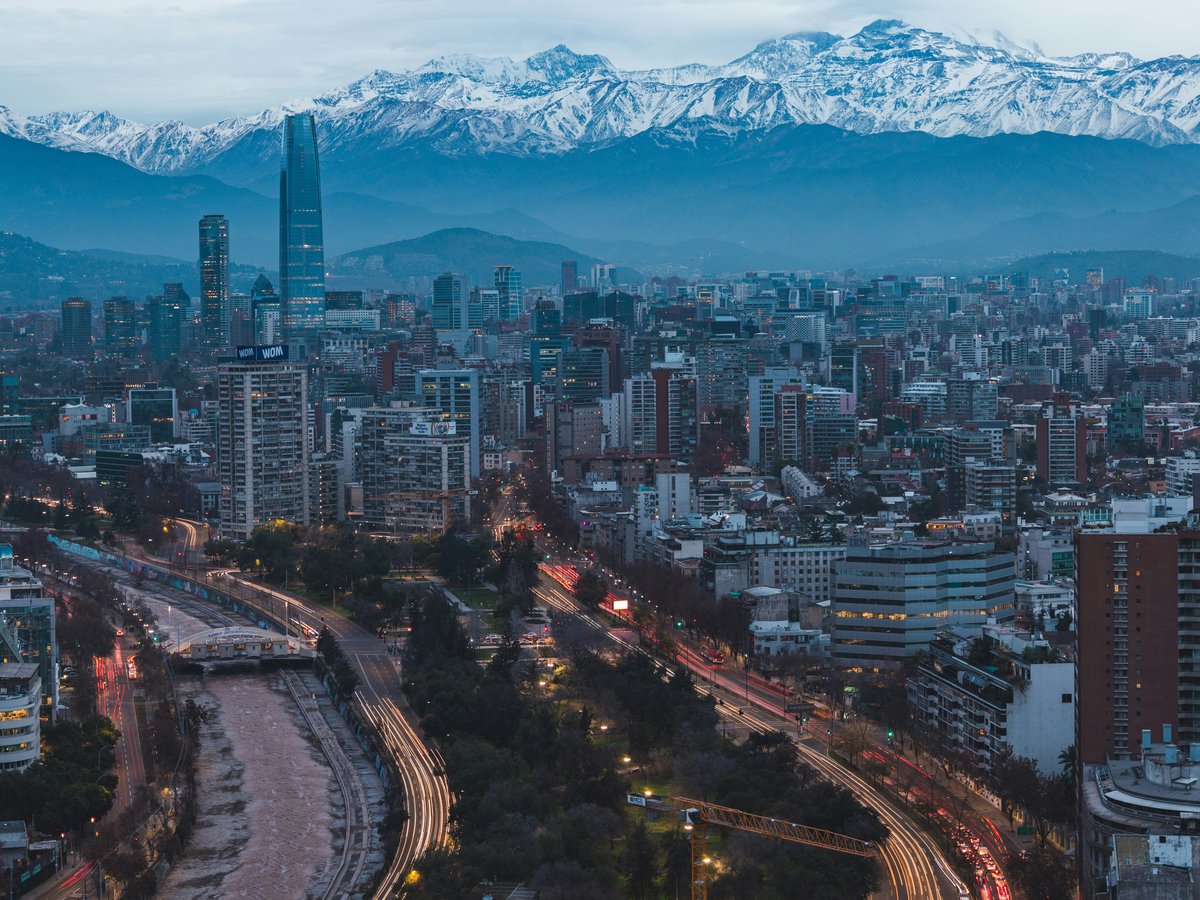
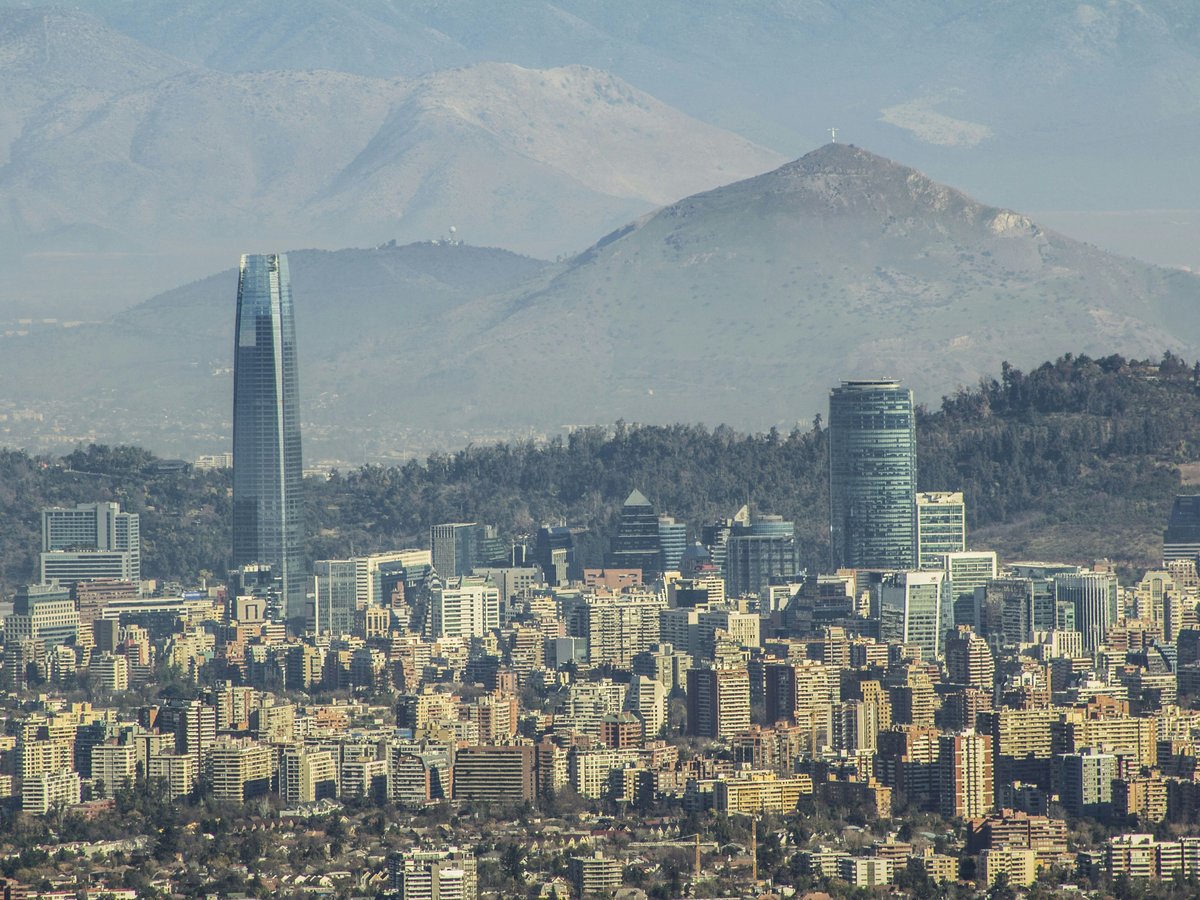
Santiago sits in a bowl between the Andes and the Chilean Coastal Range, and on a clear winter morning you can stand on Cerro San Cristóbal and watch the cordillera turn pink above a city of five and a half million people who treat the mountains less as scenery than as a calendar. Snow line high means summer, snow line low means the metro gets crowded with ski gear. The city was founded in 1541 by Pedro de Valdivia at the foot of Cerro Santa Lucía, and that small rocky hill still anchors the old center, near the Plaza de Armas where retirees play chess and the cathedral holds its ground against earthquake after earthquake. Santiago is not one mood. Barrio Lastarria is narrow streets, independent bookshops, and the Museo de Bellas Artes in a beaux-arts palace that looks transplanted from Paris. Bellavista, across the Mapocho River, is where Neruda's house La Chascona climbs a hillside and the restaurants stay open past midnight. Providencia is the professional spine, tree-lined and slightly serious, while Las Condes and Vitacura push east toward the mountains with glass towers and the kind of shopping that signals a Latin American economy more prosperous than most visitors expect. The Metro is clean, fast, and covers the city well enough that taxis feel optional. What catches first-time visitors off guard is the food: not ceviche, which belongs to Peru, but the sandwiches, enormous and taken seriously, and the empanadas de pino sold from bakeries on every other corner, filled with ground beef, onion, olive, and a quarter of a hard-boiled egg. The coffee has improved in the past decade, though old-guard cafés still serve Nescafé without apology. Santiago does not perform for tourists; it runs at its own tempo, and the visitor's job is to match it.
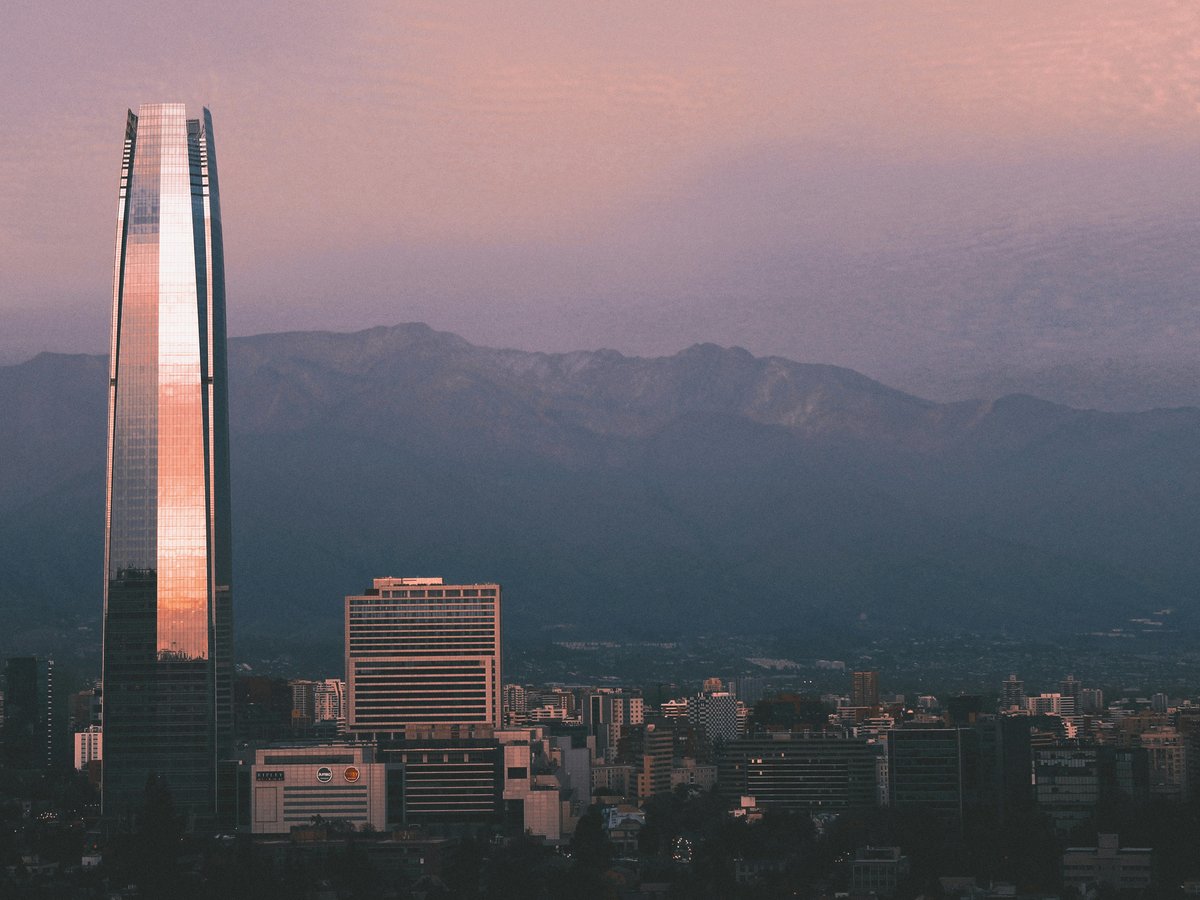
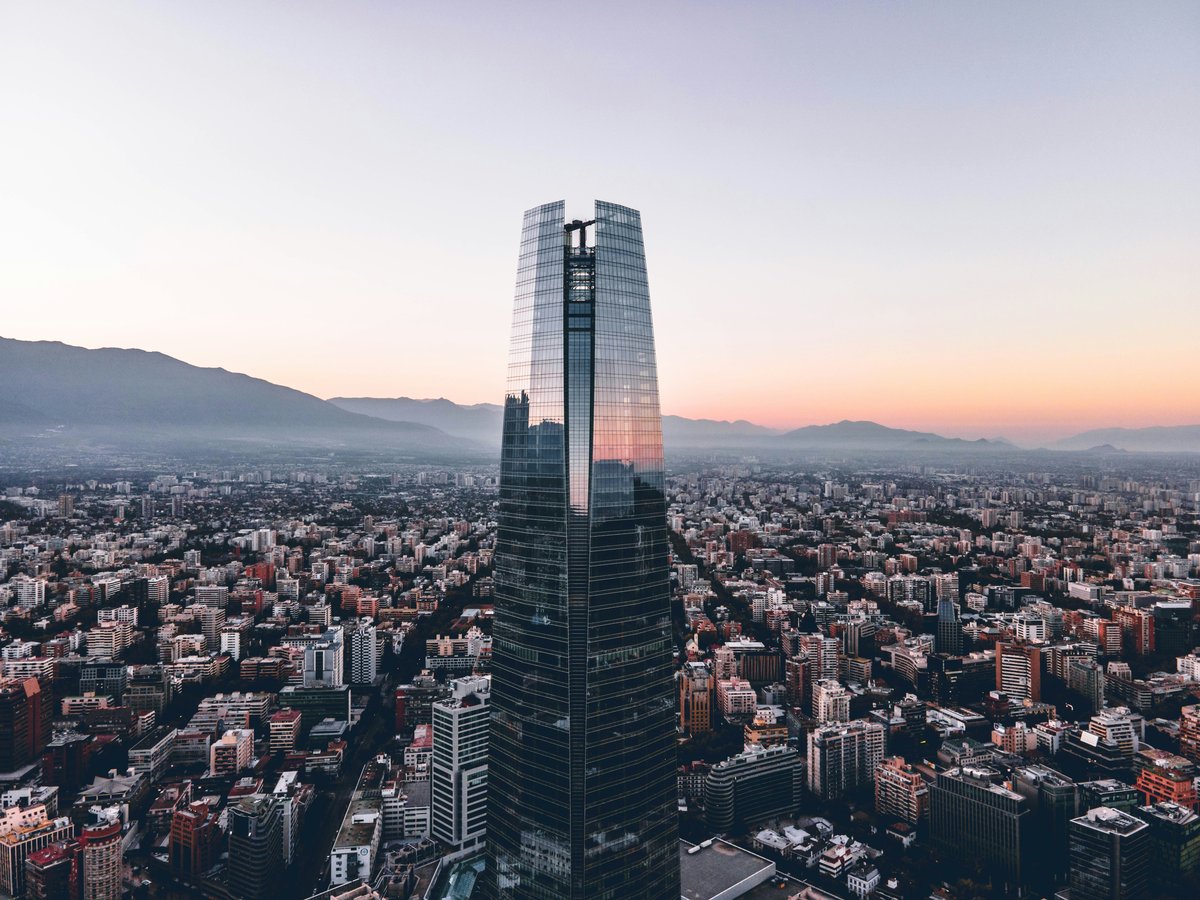
Santiago in photos
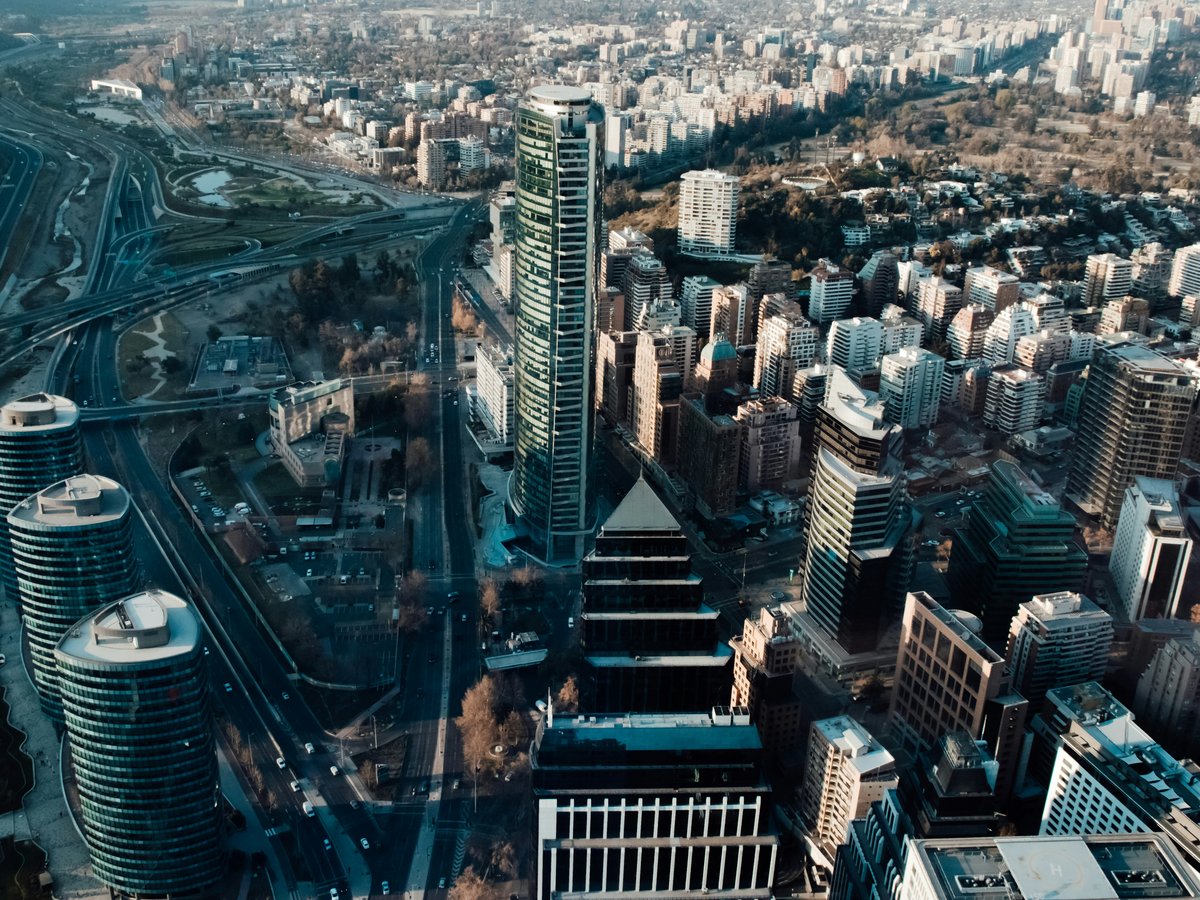
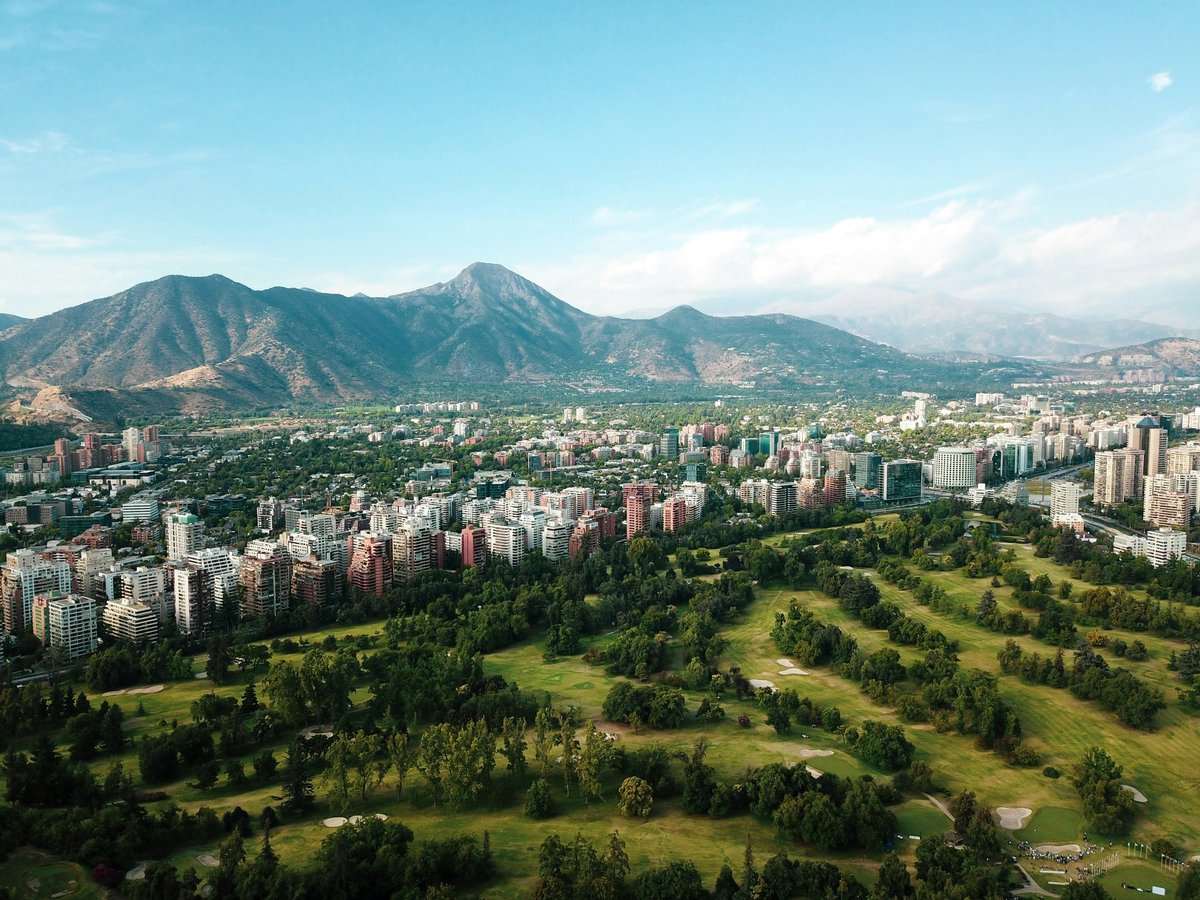
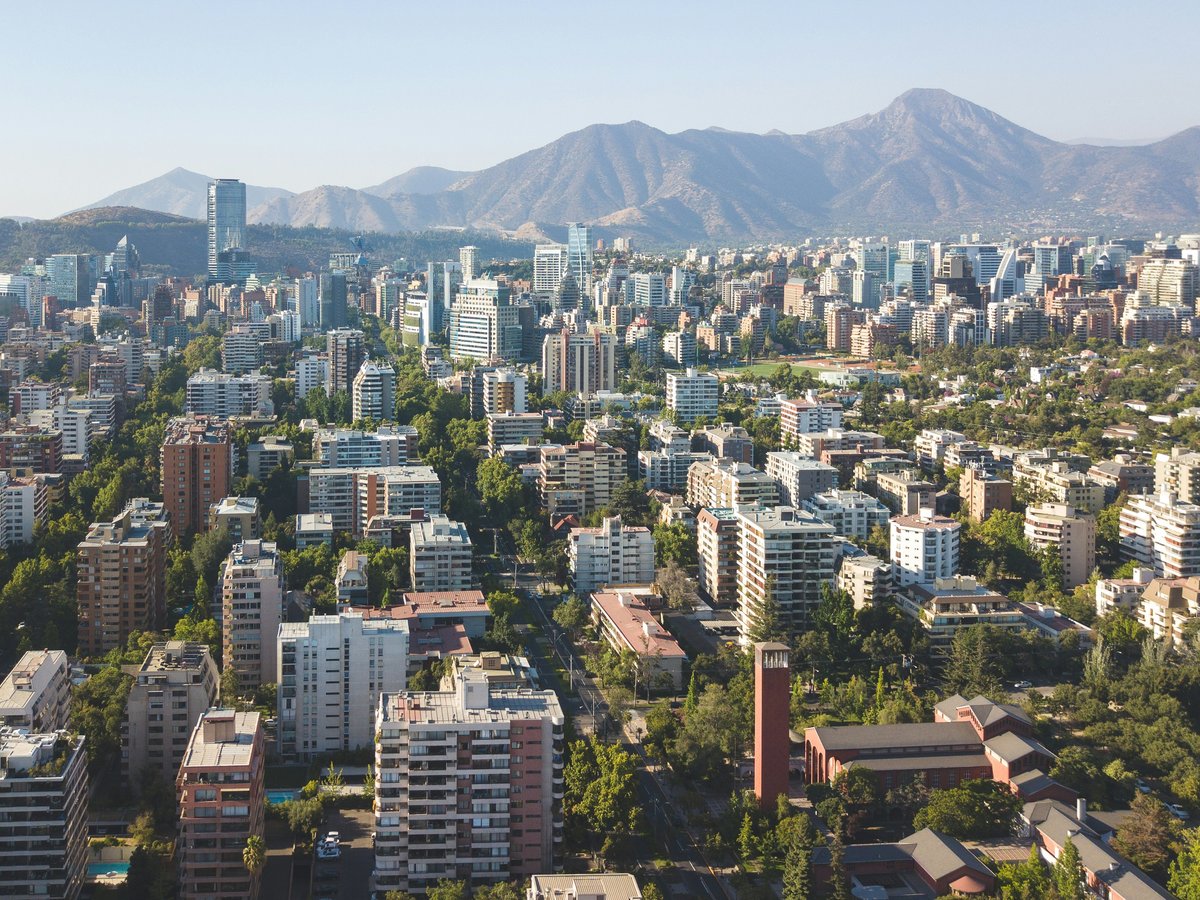
Santiago right now
Answers about Santiago
-
Airport to city
From Arturo Merino Benítez Airport (SCL), take the Centropuerto bus to Los Héroes in central Santiago. It costs 1,800 CLP ($2), runs every 10 minutes from 5:30am to 11:30pm, and takes 25 to 40 minutes depending on Ruta 68 traffic. After midnight, Transvip shared shuttles at the arrivals counter run about 8,500 CLP ($9) door-to-door.
Read the full answer → -
Best time to visit
October and November deliver Santiago's best window. Spring temperatures sit between 18°C and 25°C, the winter smog has cleared from the basin, and the Andes carry fresh snow against clear skies. March and April work nearly as well, with cooler evenings and vendimia tastings across the wine valleys south of the city.
Read the full answer → -
Cost per day
Budget travelers can get by on roughly CLP 27,400 ($30) per day in Santiago, covering a hostel dorm, market lunches, and Metro rides. Midrange runs about $75 with a private room in Providencia and sit-down meals. Luxury starts around $200 at hotels like The Singular Lastarria with wine-paired dinners.
Read the full answer → -
Best day trips
Valparaíso and Cajón del Maipo are the two strongest single-day trips from Santiago. Valpo, northwest by frequent Turbus service, pairs Neruda's La Sebastiana with port-city street art and seafood. Cajón del Maipo, closer to the southeast, splits between river rafting and the Baños Morales hot springs, which suits couples with different energy levels.
Read the full answer → -
Food culture
Santiago's food culture runs on a split schedule. Almuerzo (lunch) between 1pm and 3pm is the main meal, built around cazuela, pastel de choclo, and Pacific seafood. Mercado Central and La Vega Central anchor the market scene. Dinner starts after 9pm. The colación (weekday lunch set) at neighborhood picadas runs 4,000 to 6,000 CLP.
Read the full answer → -
Getting around
Santiago's Metro covers most visitor destinations across 7 lines for 640-800 CLP per ride, under $1 USD. Load a Bip! card at any station for 1,600 CLP and use it on both Metro and RED buses. Uber and Didi fill the gaps after midnight and for hillside neighborhoods. Walk Lastarria, Bellavista, and Providencia on foot.
Read the full answer → -
How to get there
Santiago's Arturo Merino Benítez International Airport (SCL) sits 17 km northwest of downtown and handles all international flights into Chile. Nonstop service runs from Miami (8.5 hours), Dallas, New York JFK, and Toronto in the Americas, plus Madrid in Europe. US round-trip fares typically range from $500 to $1,200.
Read the full answer → -
Is it safe?
Santiago scores 5.8 out of 10 for solo-traveler safety (see the TTDI Solo-Safety Index). Metro pickpocketing and motorcycle-mounted street robbery are the primary risks; violent crime against tourists stays low. Providencia, Las Condes, and Ñuñoa are the safer neighborhoods after dark. Emergency: 133 for Carabineros police, 131 for ambulance.
Read the full answer → -
Where locals go
Santiago's locals drink coffee in Barrio Italia's converted warehouses, eat lunch at La Vega Central's second-floor comedores, and spend Friday nights around Plaza Ñuñoa's bar circuit. Barrio Yungay draws the under-35 crowd on weeknights. Skip Bellavista after Thursday; it fills with stag parties by Friday.
Read the full answer → -
Must-see
The must-see in Santiago is the Chilean Museum of Pre-Columbian Art on Bandera 361, near Plaza de Armas. Founded in 1981, it holds 5,000 years of art from the Atacama to Tierra del Fuego in one colonial building. No reservation needed and the whole visit takes 90 minutes. Walk south to Santa Lucía Hill afterward for the best Andes view in the centro.
Read the full answer → -
3-day itinerary
Day 1 covers Centro on foot, from Mercado Central's fish stalls to the Pre-Columbian Museum and Santa Lucía Hill. Day 2 crosses the Mapocho into Bellavista for La Chascona and the Cerro San Cristóbal funicular. Day 3 pairs the Museum of Memory and Human Rights with Barrio Italia's antique shops and wine bars. About 24 kilometres total walking.
Read the full answer → -
What to avoid
Skip the overpriced Patio Bellavista restaurant strip, unofficial taxis outside Arturo Merino Benítez airport, and Plaza de Armas money changers offering suspiciously generous rates. Avoid walking through Barrio Meiggs or south of Estación Central after dark. The June through August smog season fills Santiago's basin with trapped vehicle exhaust, so check air quality before outdoor plans.
Read the full answer → -
What to pack
Layers for Santiago's 3-30°C daily temperature swing, sturdy walking shoes for cobbled hills like Santa Lucía, a Type C or Type L plug adapter (220V), and SPF 50+ sunscreen year-round. Chile's ozone thinning means UV hits harder than the temperature suggests. Skip the umbrella. Farmacias Ahumada sells them on every block.
Read the full answer → -
Where to stay
Providencia between Metro Pedro de Valdivia and Los Leones for a first trip to Santiago. Line 1 connects you to Santiago Centro in 12 minutes. Budget $80-130 per night for a four-star near Avenida Suecia. Lastarria is the upgrade at $100-180 if you want Parque Forestal and walkable cafés outside your door.
Read the full answer →
Deep guides for Santiago
-
Santiago With Kids: What Works
Santiago's family-friendliness is real but conditional. The 7.2 reflects a city where Cerro San Cristóbal before 11 AM delivers one of the best family mornings in South America and Mercado Central at noon is a guaranteed meltdown, while MIM in La Granja quietly wins the day for the under-7 set.
Read the guide → -
Best Time to Visit Santiago, by Season
Santiago's climate swings over 23 degrees between its 6.8°C July lows and 30.0°C January highs. That range creates different cities depending on your month. This guide breaks down each season's trade-off and names the single best window for every kind of traveller.
Read the guide →
Curated lists for Santiago
accommodation
-
Best boutique hotels
Santiago sorts itself east to west along the Mapocho River and up the Andes foothills, and the neighborhood you choose decides whether your mornings start with museum courtyards or corporate lobbies. The historic center clusters around the Alameda and Plaza de Armas, where colonial stonework and metro lines converge; Providencia stretches east along a commercial corridor; and the business towers of Las Condes and Vitacura push toward the mountains. Boutique inventory concentrates in a handful of walkable barrios rather than spreading evenly, which means picking the right neighborhood matters more than picking the right hotel chain. Price tiers overlap across most areas, with mid-range rooms running from about $83 to $187 a night depending on proximity to the cultural core. The ten neighborhoods below move from the densest hotel clusters near Cerro Santa Lucía and the Bellas Artes axis out to the residential eastern communes, where corporate travelers and long-stay visitors find quieter blocks and Andes views at lower rates.
See the picks → -
Where to stay
Santiago sorts itself into walkable corridors that follow the Mapocho River and the Metro's Línea 1 from the colonial centro to the glass towers of Las Condes. The cheapest beds cluster around Plaza de Armas and the Alameda, where century-old hotels sit above street markets and lunch counters. The mid-range thickens along Avenida Providencia, a commercial spine with supermarkets, Metro stations, and restaurant rows at every block. Luxury anchors in Las Condes near Parque Araucano, where newer construction and mountain views replace the historic grit of the old city. Choosing a neighborhood here means choosing a position on that east-west line: walkable density and noise to the west, residential calm and longer transit rides to the east. The Andes are visible from rooftops across the city; the difference is what sits between your hotel door and the sidewalk.
See the picks →
attractions
-
Best free attractions
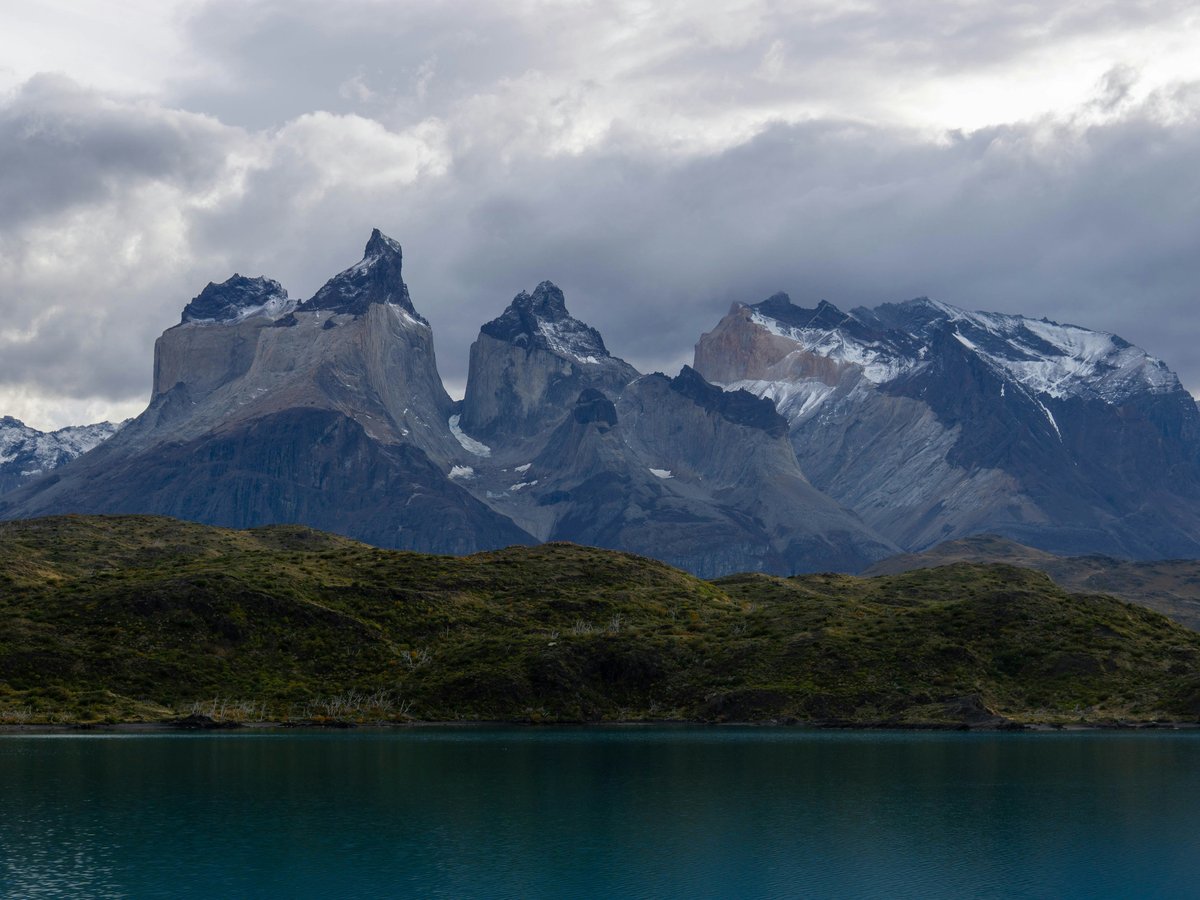
Santiago gives its best hours away free. The Andes are the backdrop and the plazas are the living room, and between them sit hills, parks, and squares that ask for no ticket and no reservation. This list is twelve of them, ranked by the shape they give to a day rather than by tourist wattage: a hill you climb before the smog thickens, a square where the country's history was rehearsed, a park wide enough to lose an afternoon in. They are for the visitor who would rather read the city off its benches and paths than off a museum wall, and for the resident who already knows that the good stuff in Santiago tends to be outdoors and unpriced. Every entry below is anchored to a verified location; the opinions are the editor's, the coordinates are the map's. Bring a water bottle, comfortable shoes, and the patience to let a plaza fill up around you before you decide what it means.
See the picks → -
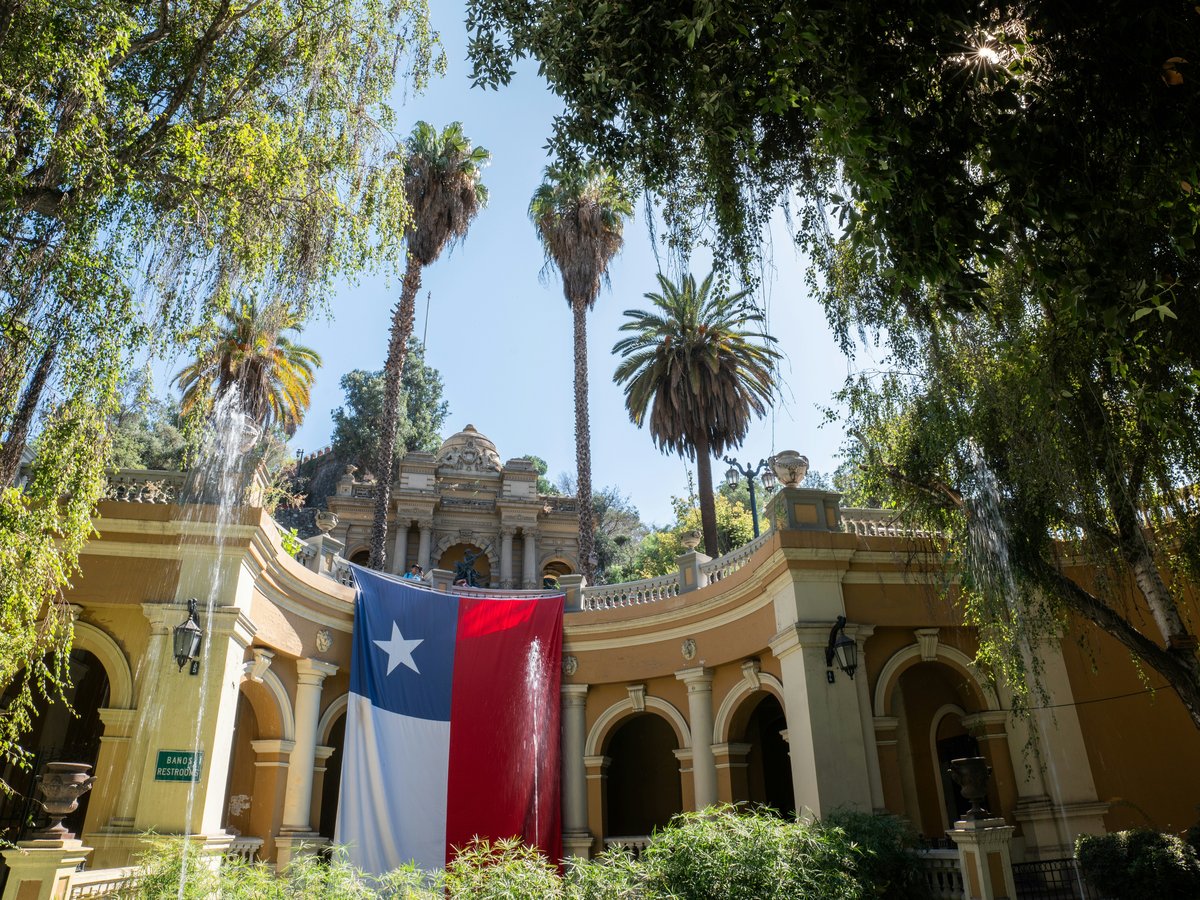
Best museums
Santiago's museums cluster in two zones a visitor should learn to think of as separate walks. The Parque Forestal frame holds the Chilean National Museum of Fine Arts, a national monument in itself. The Matucana axis, running alongside Quinta Normal park, gathers the Chilean National Museum of Natural History, the Santiago Museum of Contemporary Art at 464, the Museum of Memory and Human Rights at 501, and Centro Cultural Matucana 100. Downtown Santiago, where Bandera 361 and Plaza de Armas 951 anchor pre-Columbian and national-history collections, is the third piece. Skip the notion that Santiago is a stopover between Patagonia and the wine valleys. It is a serious museum city, and this list runs from the essential collections that no first visit should miss to the smaller, sharper rooms that reward a second.
See the picks → -
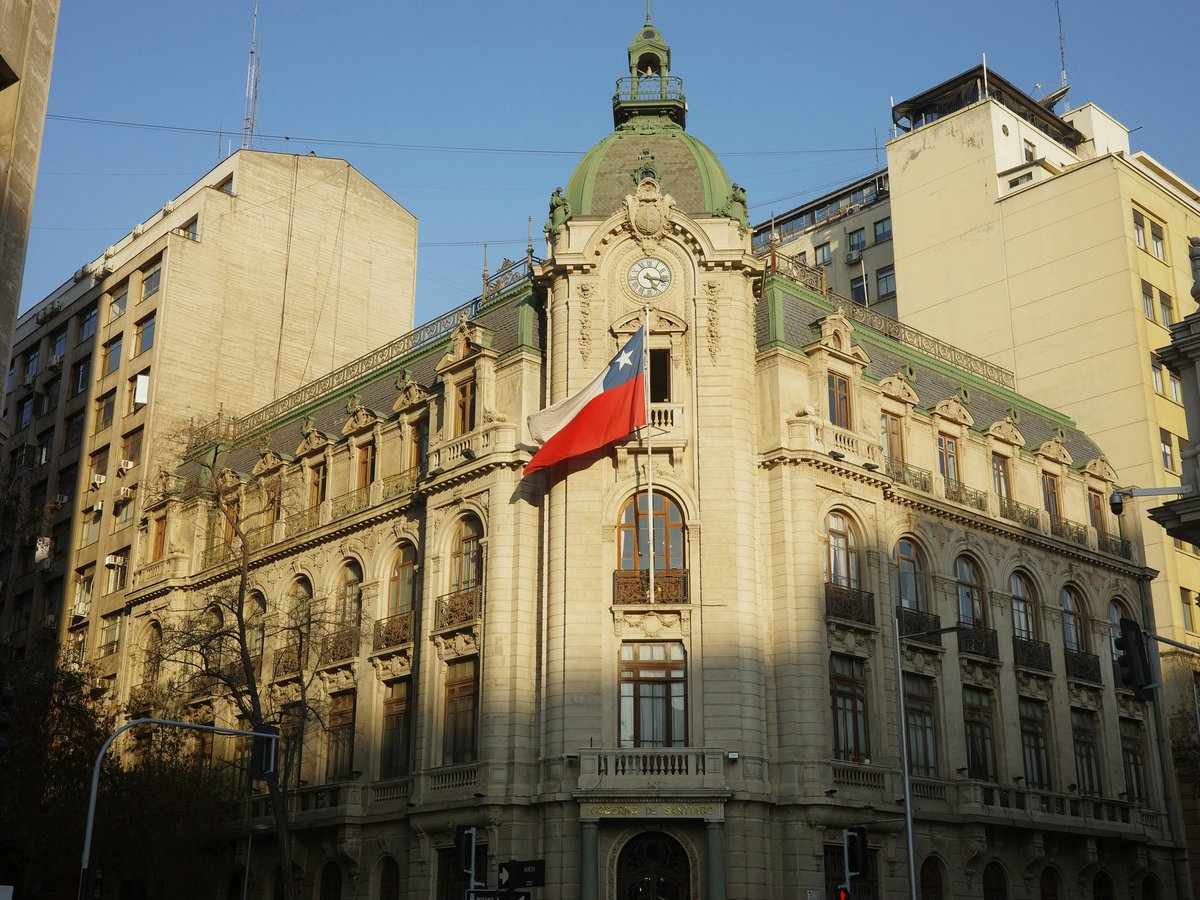
Must-see attractions
Santiago's must-see list is built from stone, steel and memory, and most of it is free to walk up to. This one runs from a colonial church dating from 1595 to a TV tower from 1974, with an opera house from 1857 in between. The list leans heavily on sacred buildings: Catholic basilicas, an evangelical cathedral and a German-speaking Catholic church, along with one site of national memory. This is for visitors who would rather read a city through its addresses than through a bus tour. Bring good shoes and a transit card, and give each stop the time it asks for.
See the picks →
food
-
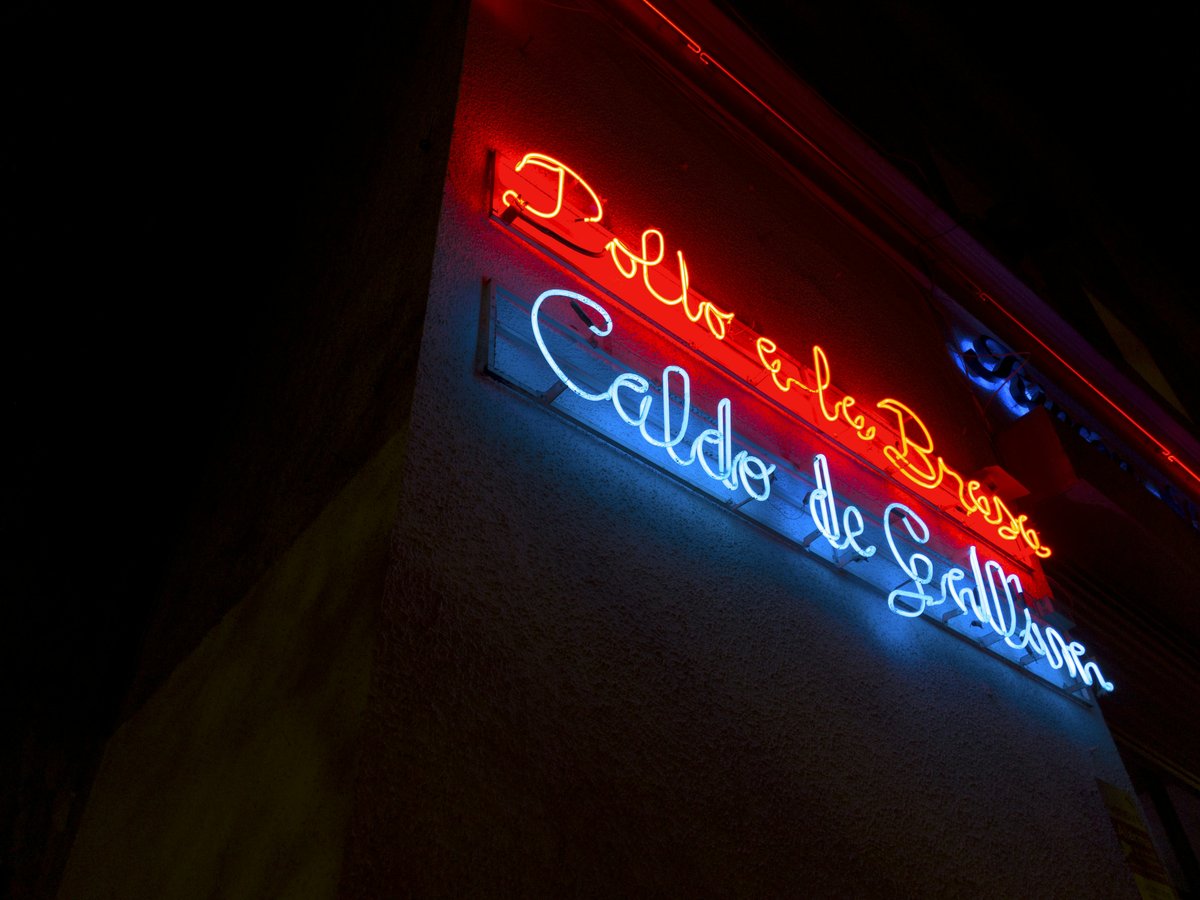
Best cafes
Santiago's cafe culture is not one thing. It is a French brasserie facing the Parque Forestal, an Italian roaster on the Alameda, a filter bar off Miraflores that opens before the office, a corner room in Barrio Yungay where the coffee comes with a book. The city inherited espresso from Italian migration, filter from a newer generation of roasters trained abroad, and the long afternoon from Chile itself. Most rooms will let you sit for two hours on one cup, and the good ones will refill your water without being asked. This list favours the ones with an address worth walking to: rooms in the historic centre, in Lastarria, in Barrio Yungay and Barrio París-Londres, where the walk between two of them is itself a small tour of the city. Chains are included only where the specific branch earns it. Hours skew wide by Santiago standards, several open before 08:00 and stay open past 20:00, which matters in a city where the coffee break is a civic institution and the meeting that starts at 17:00 rarely ends before dark.
See the picks → -
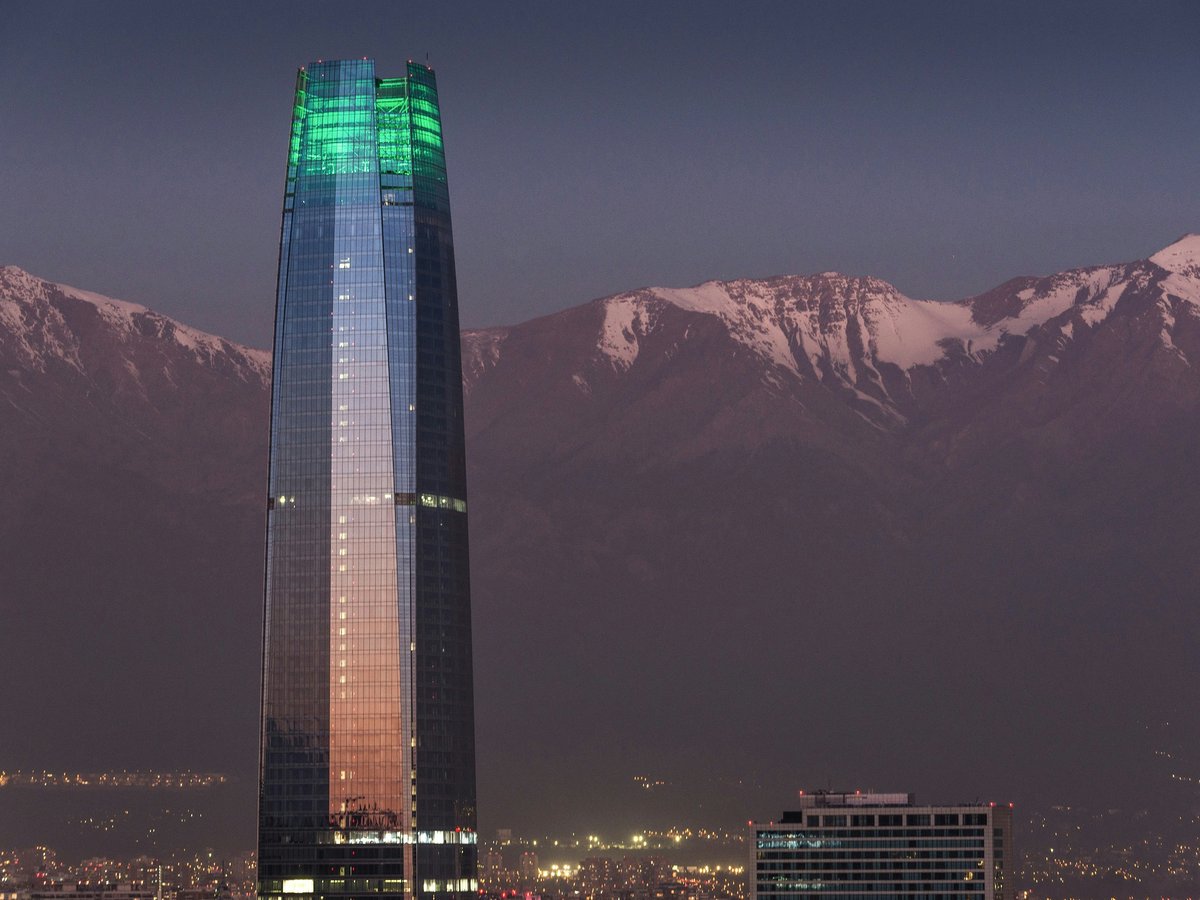
Best restaurants
Santiago eats on its own terms. The city sprawls from the old center around the Alameda out to the leafier grid of Providencia and the hill neighborhoods behind Bellavista, and its restaurant map follows that geography: Thai and Mediterranean rooms in the Huerfanos and Amanda Labarca blocks, Basque and Peruvian tables in Bellas Artes and the streets behind Compañía de Jesús, workers' pizzerias and empanaderias along the San Diego and Bandera axes, sushi counters in the residential quarters south of the Alameda, and a small but real cluster of Chinese kitchens across the river toward Bascuñán Guerrero. This list is not a ranking of the fanciest tables; it is twelve addresses that pay for the trip across town, chosen for cooks who have decided what they are doing and stuck with it. Hours are honest, the phones ring, and the addresses are the ones on the door. Read the operating hours before you go. Santiago restaurants keep Chilean lunch-service hours, which means many close between comidas, and Sundays are quieter than a visitor expects. Bring cash for the smaller counters and call ahead on Friday and Saturday nights.
See the picks →
Browse by traveler type
Book experiences in Santiago
 Free cancellation
 Cable Car, Funicular and Sightseeing Bus in Santiago one day
City tour: 2 hours, free cancellation.
via Viator Free cancellation
 Tour to Valparaíso, Viña del Mar, Pablo Neruda Museum and Vineyard
Day trip: 10 hours, free cancellation.
via Viator Free cancellation
 Discover Santiago: Tourist Bus, Cerro San Cristobal and Wine
City tour: free cancellation.
via Viator Free cancellation
 Farellones Park Tour
Day trip: 10 hours, free cancellation.
via Viator Free cancellation
 Andes Range Tour at Inca Lagoon & InSitu Winery Snack Included
Day trip: 10 hours, free cancellation.
via Viator Free cancellation
 Full Day Trip to Cajón del Maipo Yeso Reservoir + Toast
Day trip: 10 hours, free cancellation.
via Viator Free cancellation
 Santiago Half-Day Private City Tour Hotel Pick up & Food Sample
City tour: 6 hours, free cancellation.
via Viator Free cancellation
 Unforgettable tour of Viña do Mar and Valparaiso
Day trip: free cancellation.
via Viator Free cancellation
 Full Day Guided Tour Viña del Mar and Valparaíso from Santiago
Day trip: 9 hours, free cancellation.
via Viator Free cancellation
 Full Day Guided Trip to Valparaíso Viña del Mar & Reñaca from Santiago
Day trip: 12 hours, free cancellation.
via Viator Free cancellation
 Valparaíso + Viña del Mar
Day trip: free cancellation.
via Viator Free cancellation
 Full day Vina del Mar and Valparaiso experience
Day trip: 8 hours, free cancellation.
via ViatorBrowse by interest
Last verified by automated review (v1.7.2) on . What is automated review?