What's a good 3-day itinerary for Santiago?
Day 1 covers Centro on foot, from Mercado Central's fish stalls to the Pre-Columbian Museum and Santa Lucía Hill. Day 2 crosses the Mapocho into Bellavista for La Chascona and the Cerro San Cristóbal funicular. Day 3 pairs the Museum of Memory and Human Rights with Barrio Italia's antique shops and wine bars. About 24 kilometres total walking.
Start at Mercado Central by 8:30 AM, before the tour buses park at 10. The iron-and-glass hall, built in 1872, fills with the smell of fish searing over charcoal. Order caldillo de congrio at Donde Augusto for about 9,000 CLP ($10), a milky broth with hunks of conger eel and potato that warms you through Santiago's winter mornings. Resist the waiters at the outer ring pulling you to seats; those stalls charge double for the same fish. Walk 4 blocks south to Plaza de Armas. The Santiago Metropolitan Cathedral, completed in 1800, anchors the west side. Two blocks southwest on Bandera, the Chilean Museum of Pre-Columbian Art opened in 1981. The Andean textile room on the second floor is worth 90 minutes alone. Entry runs about 7,000 CLP ($8). After lunch, climb Santa Lucía Hill. The 600-metre stone path to the summit takes 15 minutes. Barrio Lastarria sits at the base, where wine bars on José Victorino Lastarria street warm up by evening.
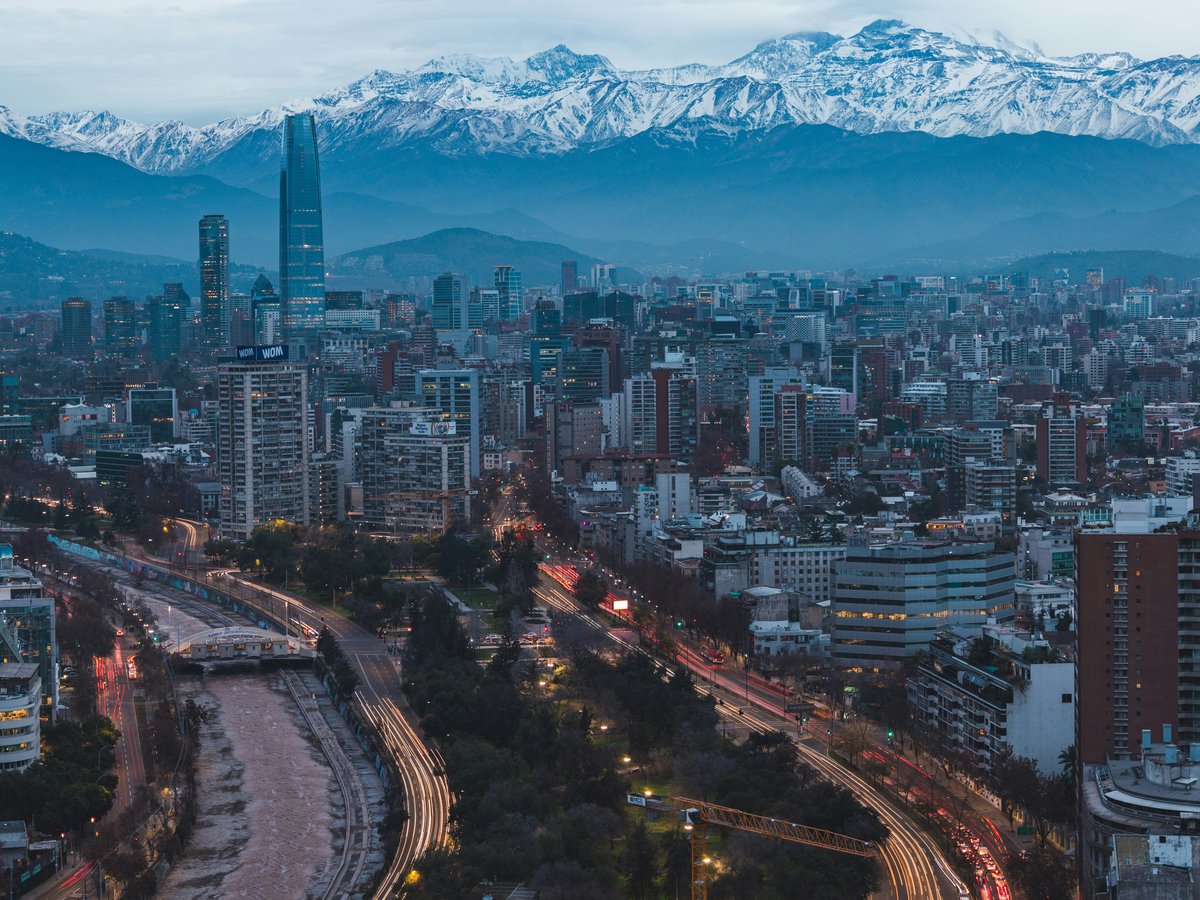
Day 2 crosses the Río Mapocho into Bellavista. Start at the Chilean National Museum of Fine Arts in Parque Forestal at 9 AM. Founded in 1880, the collection occupies a 1910 Beaux-Arts hall, and the permanent galleries are free. By 11 AM, walk north across the Pío Nono bridge. La Chascona, Pablo Neruda's Santiago house, sits at Fernando Márquez de la Plata 0192. Entry costs about 8,000 CLP ($9); the audio guide is worth every peso for the ship-shaped living room alone. Lunch at Galindo on Dardignac, a wood-panelled comedor that has served pastel de choclo since the 1980s. One portion costs 7,500 CLP. Take the funicular from the Pío Nono station to the summit of Cerro San Cristóbal at 880 metres. On clear winter afternoons the Andes fill the entire eastern skyline. Mind you, Santiago's winter inversions tend to hold the smog until about 2 PM, so time the ride for after lunch.
Day 3 starts at the Museum of Memory and Human Rights, one stop from Quinta Normal on Metro Line 5. The museum opened in 2010 and admission is free. Allow 2 hours. The ground floor's wall of photographs is hard to look at and harder to look away from. Visitors drop to whispers on that floor. Walk 5 minutes into Parque Quinta Normal afterward to find the Chilean National Museum of Natural History, founded in 1830, the oldest natural history museum in Chile. Take Line 5 to Baquedano, transfer to Line 3, and exit at Irarrázaval for Barrio Italia. Along Avenida Italia, old houses now hold furniture restorers, vinyl record shops, and small restaurants. Lunch at Peluquería Francesa on Avenida Italia 1025, a former barbershop turned bistro. A fixed lunch menu runs 12,000 CLP ($13). Spend the afternoon on Condell and Girardi, where the independent shops cluster tightest.
August is mid-winter in Santiago. Temperatures hold around 10°C during the day and drop to 3°C after dark, with drizzle likely on any given morning. You'll want a rain jacket for the exposed climbs on Santa Lucía and Cerro San Cristóbal. The Metro runs 6 AM to 11 PM on weekdays. Buy a Bip! card at any station for a 1,500 CLP deposit; a single peak ride costs about 830 CLP ($0.90). These three days cover roughly 24 kilometres on foot, mostly flat except the two hills. Wear shoes with tread; the stone steps on Santa Lucía turn slick when wet. Solo-traveler safety scores 5.8 out of 10 (see the TTDI Solo-Safety Index). Keep phones in front pockets on crowded Metro cars between Universidad de Chile and Baquedano.
Walking + transit across the three-day route.
Day one
-
8:30 AM CentroBreakfast at Donde Augusto inside Mercado Central, order caldillo de congrio before the tour groups arrive
-
10 AM CentroPlaza de Armas and Santiago Metropolitan Cathedral on the west side of the square
-
10:45 AM CentroChilean Museum of Pre-Columbian Art on Bandera, the pre-Columbian textiles on the upper floor are the reason to visit
-
1 PM CentroLunch at Bar Nacional on Paseo Huérfanos, counter-service cazuela and lomo a lo pobre
-
2:30 PM Santa LucíaClimb Santa Lucía Hill to the Terraza Caupolicán viewpoint at the summit
-
4 PM LastarriaBrowse bookshops and independent galleries along José Victorino Lastarria
-
7:30 PM LastarriaWine flight at Bocanariz on José Victorino Lastarria 276, over 100 Chilean wines by the glass
Day two
-
9 AM Parque ForestalChilean National Museum of Fine Arts in Parque Forestal, no entry fee for the permanent collection
-
11 AM BellavistaLa Chascona on the slopes above Pío Nono, Pablo Neruda's Santiago house turned museum
-
1 PM BellavistaLunch at Galindo on Dardignac, order the pastel de choclo and a pisco sour
-
2:30 PM Cerro San CristóbalFunicular from Pío Nono base station to Cerro San Cristóbal summit, ride after lunch for clearer skies
-
4:30 PM Cerro San CristóbalWalk down through the Jardín Japonés and exit on the Bellavista side
-
8 PM BellavistaDinner at Como Agua Para Chocolate on Constitución 88, merkén-spiced lamb and Chilean red by the glass
Day three
-
9 AM Quinta NormalMuseum of Memory and Human Rights at Matucana 501, the most important stop of the three days
-
11:30 AM Quinta NormalChilean National Museum of Natural History inside Parque Quinta Normal, free entry
-
1 PM Take the Metro from Quinta Normal to Irarrázaval via Baquedano transfer
-
1:30 PM Barrio ItaliaLunch at Peluquería Francesa on Avenida Italia, weekday fixed menu with 3 courses
-
3 PM Barrio ItaliaBrowse Condell and Girardi streets for vintage furniture, vinyl records, and independent design shops
-
7 PM Barrio ItaliaDinner on Avenida Italia; split a chorrillana, steak and fries piled with caramelized onions and fried egg
Last verified by automated review (v1.7.2) on . What is automated review?