What should I avoid in Santiago?
Skip the overpriced Patio Bellavista restaurant strip, unofficial taxis outside Arturo Merino Benítez airport, and Plaza de Armas money changers offering suspiciously generous rates. Avoid walking through Barrio Meiggs or south of Estación Central after dark. The June through August smog season fills Santiago's basin with trapped vehicle exhaust, so check air quality before outdoor plans.
The taxi hustle starts at Arturo Merino Benítez airport. Unofficial drivers work the arrivals hall, quoting CLP 40,000 to 50,000 for a ride into Providencia that costs CLP 18,000 on the meter. Some pad the fare with a longer route through Ruta 68. Use TransVip shared vans, around CLP 8,000 per person to most neighborhoods in Providencia or Las Condes, or book a Cabify before you leave baggage claim. Once in the city, avoid hailing street cabs near Plaza de Armas or along the Alameda after 10pm. Meters in Santiago taxis work, but drivers near tourist clusters claim theirs is broken. If that happens, get out. The Metro runs every 3 to 5 minutes on Line 1. A ride from Los Héroes to Baquedano costs CLP 800 and takes 8 minutes.
Patio Bellavista looks like the obvious dinner choice. The courtyard fills with string lights after sunset, the menus face the sidewalk in four languages, and someone stands at the entrance waving you in. That is the tell. A pisco sour here runs CLP 7,000 to 9,000. Walk 3 blocks north on Calle Dardignac and you'll pay CLP 3,500 for a better pour with less ice. The same markup applies at Mercado Central. The wrought-iron hall dates to 1872 and is worth a look for the architecture, but the white-tablecloth restaurants in the center charge tourist rates for reineta and congrio. Locals eat the same fish at Mercado Tirso de Molina, a 10-minute walk northeast along the Mapocho. To be fair, the perimeter counter stalls inside Mercado Central still serve honest CLP 6,000 plates, but you need to walk past the hostess stands to reach them.
Santiago scores 5.8/10 for solo-traveler safety (see the TTDI Solo-Safety Index). The ketchup scam is the one every hostel in Barrio Brasil warns about. Someone squirts ketchup, mustard, or a mystery liquid on your jacket. A helpful stranger appears with napkins. A third person lifts your phone or wallet. It happens on Paseo Ahumada and around Metro Universidad de Chile during lunch hours. Keep your phone in a zipped front pocket, not in your hand. Near Cerro Santa Lucía, someone in a vest might ask to see your passport and wallet for verification. Real Carabineros wear olive-green uniforms and never ask to handle your cash. After dark, skip Barrio Meiggs and the blocks south of Estación Central. Barrio Yungay west of Matucana feels fine during the day but empties fast after sunset.
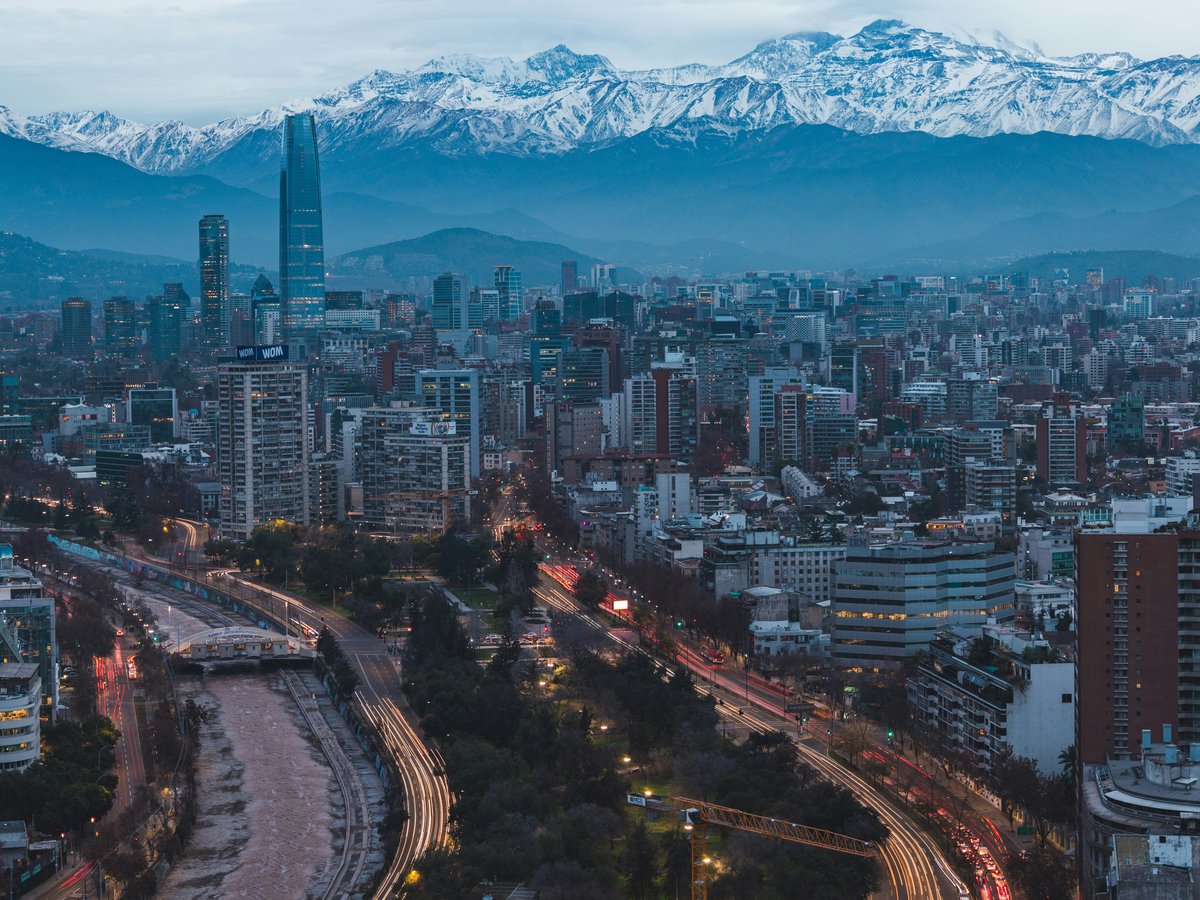
Santiago sits in a basin between the Andes and the Cordillera de la Costa. Between June and August, temperature inversions trap car exhaust and wood-burning smoke at street level. On bad mornings the air tastes metallic and the mountains disappear behind a grey-brown haze. The city is currently at 10.7°C with 98% humidity and light drizzle, typical for late August. Winter mornings feel raw and damp. If you have respiratory sensitivity, check PM2.5 readings before planning outdoor days in those months. Summer brings the opposite problem. January and February afternoons reach 33 to 35°C with almost no shade along the Alameda, and UV at Santiago's 520-meter elevation is aggressive. Pack SPF 50.
Tourist traps to skip
- Unofficial taxis in Arturo Merino Benítez arrivals hall quoting CLP 40,000 to 50,000 for a CLP 18,000 metered ride
- Patio Bellavista restaurant strip, where pisco sours run CLP 7,000 to 9,000 versus CLP 3,500 on Calle Dardignac three blocks north
- White-tablecloth restaurants in Mercado Central's center hall, charging tourist rates for fish locals eat for less at Mercado Tirso de Molina
- Cerro San Cristóbal funicular on weekend afternoons, with 90-minute waits when the teleférico covers the same route in 15 minutes
- Lapis lazuli jewelry shops along Bellavista with 200 to 300% markup over the same stones at Pueblito Los Dominicos
- Free walking tours in Barrio Lastarria that end with a guilt speech and a suggested CLP 15,000 tip per person
Common scams
- Ketchup or mustard squirt distraction theft on Paseo Ahumada and near Metro Universidad de Chile during weekday lunch hours
- Fake police near Cerro Santa Lucía in plain clothes or hi-vis vests asking to inspect your passport and wallet; real Carabineros wear olive-green uniforms
- Phone snatching from hands on crowded Metro Line 1 platforms at Baquedano and Universidad de Chile stations
- Plaza de Armas money changers offering above-market rates then shortchanging the count by folding bills together
- Taxi drivers near Plaza de Armas claiming the meter is broken and quoting a flat fare at 2 to 3 times the metered rate
Seasonal hazards
- June through August smog inversions trap PM2.5 at street level in the Andes-ringed basin; on bad days the Cordillera disappears and the air turns acrid
- January and February heat reaches 33 to 35°C with UV index above 11 at Santiago's 520-meter elevation; SPF 50 minimum
- Active seismic zone along the Nazca Plate boundary; the 2010 Maule earthquake measured 8.8 magnitude and Santiago sits on the same fault system
- Winter rain from May through August makes the stone stairs on Cerro Santa Lucía's east face slippery; the west side path has better grip
Last verified by automated review (v1.7.2) on . What is automated review?