How do I get around Santiago?
Santiago's Metro covers most visitor destinations across 7 lines for 640-800 CLP per ride, under $1 USD. Load a Bip! card at any station for 1,600 CLP and use it on both Metro and RED buses. Uber and Didi fill the gaps after midnight and for hillside neighborhoods. Walk Lastarria, Bellavista, and Providencia on foot.
Santiago's Metro runs 7 lines and moves you faster than any surface option in a city that stretches 40 km east to west. Line 1 is the one that matters. It threads from San Pablo through Universidad de Chile (2 blocks from Plaza de Armas), Baquedano (the seam between Lastarria and Bellavista), and east into Providencia and Las Condes. Buy a green Bip! card at any station kiosk for 1,600 CLP and load 5,000 CLP onto it. That covers roughly 7 rides at peak pricing of 800 CLP (about $0.88) or 8 at the off-peak rate of 640 CLP. The card also works on every RED bus in the city. Cash does not. Trains run from 5:30 to 23:30 on weekdays, opening later on Saturdays at 6:30 and Sundays at 8:00. The stations smell of floor cleaner and recycled air, cooler than the street in summer and warmer than Santiago's 10°C winter drizzle. You can hear the arrival chime from the far end of the platform. Line 5 reaches Quinta Normal, where the Chilean National Museum of Natural History has stood since 1830 in a park that smells of eucalyptus on damp mornings.
Uber and Didi both operate in Santiago, and they are the correct answer for anything after the Metro closes or for destinations it doesn't reach, like Cajón del Maipo or the wine valleys southeast of the city. A typical Uber from Providencia to Arturo Merino Benítez airport runs 15,000-20,000 CLP ($16-22). Cross-town rides within the Baquedano-to-Las Condes corridor cost 3,000-5,000 CLP. Download both apps before you land. Traditional taxis exist, metered and legal, but they tend to overcharge visitors. The yellow-and-black cabs in the airport arrivals hall are the worst offenders, often quoting 35,000 CLP for a ride the apps cover at half the price. RED buses (formerly Transantiago, rebranded in 2019) cover routes the Metro misses, but their maps are hard to read without Spanish and the buses themselves are crowded and slow through afternoon gridlock on the Alameda. They are a commuter's tool. That said, if you're staying in Barrio Italia or Ñuñoa, slightly off the Metro grid, the bus lines along Irarrázaval are worth learning.
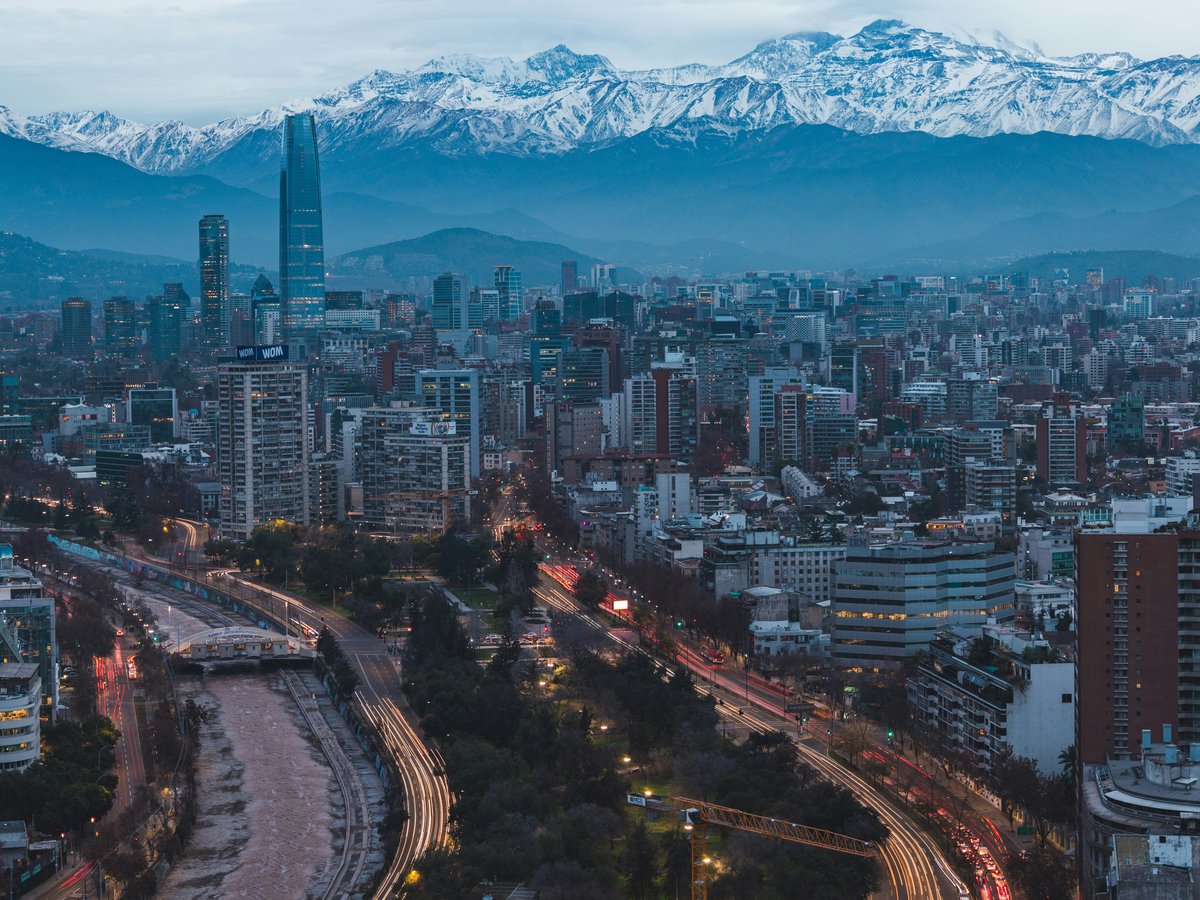
Walking works in specific pockets. Lastarria, the 6-block strip east of Santa Lucía Hill, is the best neighborhood on foot. The sidewalks are wide, the storefronts change every 30 meters, and on weekday afternoons a saxophonist plays under the Parque Forestal trees while stray dogs sleep on warm pavement. Bellavista, across the Río Mapocho on the north bank, is walkable at night for its restaurant rows along Pío Nono and Constitución, though the climb toward La Chascona (Neruda's house on the hillside) gets steep fast. Providencia between Los Leones and Pedro de Valdivia Metro stations has the smoothest sidewalks in the city. The pedestrian Paseo Ahumada downtown connects the Alameda to the Mercado Central area in about 15 minutes. Santiago Centro outside these corridors gets rougher, with cracked pavement and streets that feel empty after 20:00. To reach the top of Cerro San Cristóbal, take the funicular from the Bellavista entrance for 2,500 CLP round trip rather than walking the switchbacks. The summit platform sits at 880 meters and on a clear day you can pick out individual snowfields on Andes peaks above 5,000 meters.
The biggest visitor mistake is renting a car. Santiago's weekday traffic stalls the Costanera Norte tunnel for 45 minutes most evenings, and parking in Providencia costs 2,000-3,000 CLP per hour. The Metro is faster for every destination a first-timer would want. If you're heading to Valparaíso for a day trip, take TurBus or Pullman from Terminal Alameda near Estación Central Metro. The 90-minute ride costs 5,000-8,000 CLP each way. Don't confuse it with Terminal San Borja, 2 blocks east, which serves northern routes. The wrong terminal means a missed departure and an hour of confusion.
On-the-ground: metro available · ride-hail apps work.
Primary modes of transit
- Metro
- Uber
- Didi
- RED bus
- walking
- funicular
Santiago's network by the timetable
Read from the published timetables, not from memory: 2 operators, 120 routes and 1,834 stops within 5 km of the centre.
- Operators, by routes here
- Red Metropolitana de Movilidad (115)
- Metro de Santiago (5)
- Routes by mode
- 115 Bus
- 5 Metro
- Weekday service
- 00:00 to 23:36
- Fares in the timetable
- not published
- Timetables valid
- 2026-07-04 to 2026-12-31
Read 2026-09-14, version V166.20260704, from one feed:
- Red Metropolitana de Movilida, EFE Trenes de Chile, Bus de Acercamiento Aeropuerto, Metro de Santiago (the operator's own local feed, Mobility Database source 3357). Licence
More transport questions
How do I get from the airport to Santiago?
From Arturo Merino Benítez Airport (SCL), take the Centropuerto bus to Los Héroes in central Santiago. It costs 1,800 CLP ($2), runs every 10 minutes from 5:30am to 11:30pm, and takes 25 to 40 minutes depending on Ruta 68 traffic. After midnight, Transvip shared shuttles at the arrivals counter run about 8,500 CLP ($9) door-to-door.
Full answerHow do I get to Santiago?
Santiago's Arturo Merino Benítez International Airport (SCL) sits 17 km northwest of downtown and handles all international flights into Chile. Nonstop service runs from Miami (8.5 hours), Dallas, New York JFK, and Toronto in the Americas, plus Madrid in Europe. US round-trip fares typically range from $500 to $1,200.
Full answerWhat are the best day trips from Santiago?
Valparaíso and Cajón del Maipo are the two strongest single-day trips from Santiago. Valpo, northwest by frequent Turbus service, pairs Neruda's La Sebastiana with port-city street art and seafood. Cajón del Maipo, closer to the southeast, splits between river rafting and the Baños Morales hot springs, which suits couples with different energy levels.
Full answerLast verified by automated review (v1.7.2) on . What is automated review?