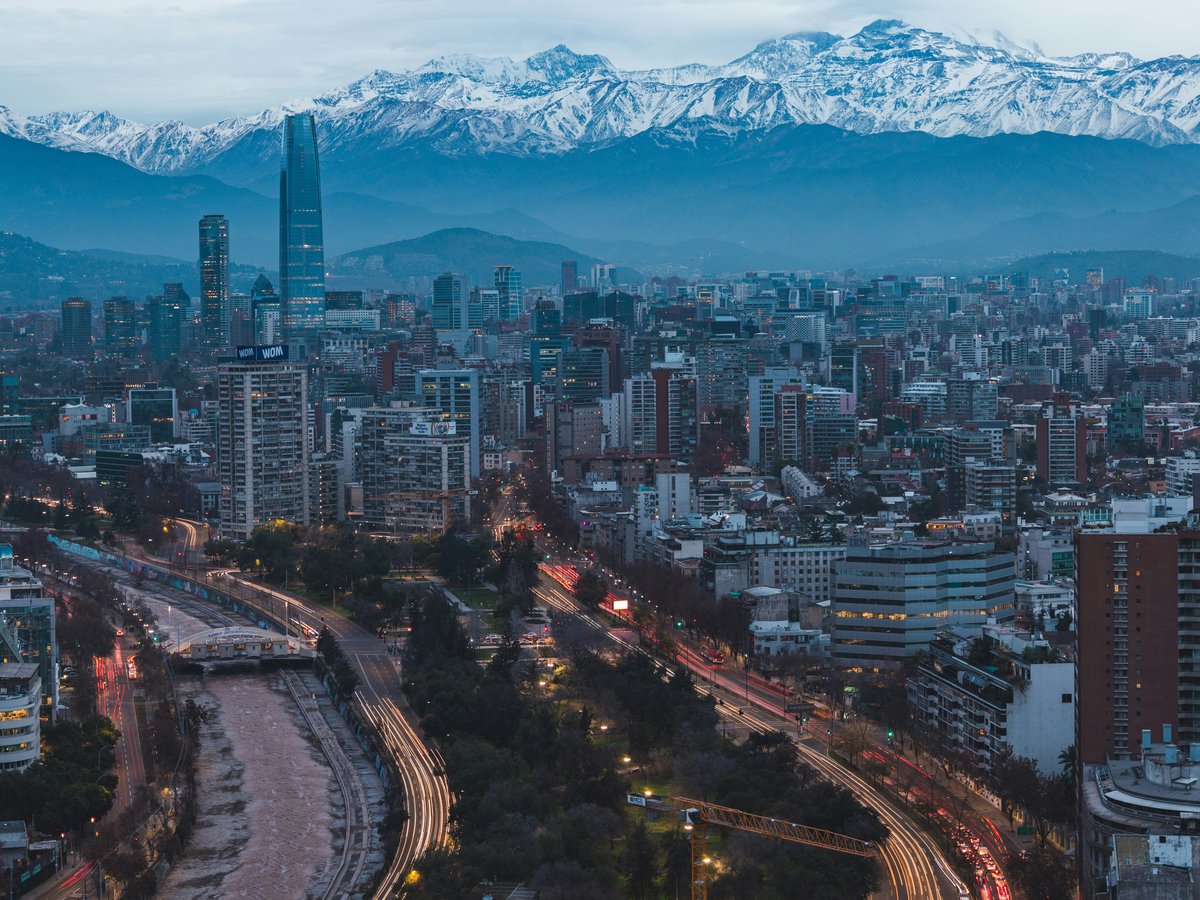
Santiago for first-time visitors
Municipal Theatre of Santiago is the country's flagship opera house, in the middle of the civic grid. The earliest of the picks for first-time visitors in Santiago opens at 07:30 and the latest closes at 01:00.
Santiago for first-timers, in numbers
- Picks on this page
- 24 places across 2 lists, led by Municipal Theatre of Santiago, Torre Entel, Basílica de Nuestra Señora del Perpetuo Socorro
- Posted hours
- 10 picks post hours earliest 07:30, latest 01:00; 4 open by 09:00, 6 past 21:00
Questions first-timers ask about Santiago
-
Must-see
The must-see in Santiago is the Chilean Museum of Pre-Columbian Art on Bandera 361, near Plaza de Armas. Founded in 1981, it holds 5,000 years of art from the Atacama to Tierra del Fuego in one colonial building. No reservation needed and the whole visit takes 90 minutes. Walk south to Santa Lucía Hill afterward for the best Andes view in the centro.
Read the full answer → -
Best time to visit
October and November deliver Santiago's best window. Spring temperatures sit between 18°C and 25°C, the winter smog has cleared from the basin, and the Andes carry fresh snow against clear skies. March and April work nearly as well, with cooler evenings and vendimia tastings across the wine valleys south of the city.
Read the full answer → -
Airport to city
From Arturo Merino Benítez Airport (SCL), take the Centropuerto bus to Los Héroes in central Santiago. It costs 1,800 CLP ($2), runs every 10 minutes from 5:30am to 11:30pm, and takes 25 to 40 minutes depending on Ruta 68 traffic. After midnight, Transvip shared shuttles at the arrivals counter run about 8,500 CLP ($9) door-to-door.
Read the full answer → -
How to get there
Santiago's Arturo Merino Benítez International Airport (SCL) sits 17 km northwest of downtown and handles all international flights into Chile. Nonstop service runs from Miami (8.5 hours), Dallas, New York JFK, and Toronto in the Americas, plus Madrid in Europe. US round-trip fares typically range from $500 to $1,200.
Read the full answer → -
Getting around
Santiago's Metro covers most visitor destinations across 7 lines for 640-800 CLP per ride, under $1 USD. Load a Bip! card at any station for 1,600 CLP and use it on both Metro and RED buses. Uber and Didi fill the gaps after midnight and for hillside neighborhoods. Walk Lastarria, Bellavista, and Providencia on foot.
Read the full answer →
Curated for first-timers
-
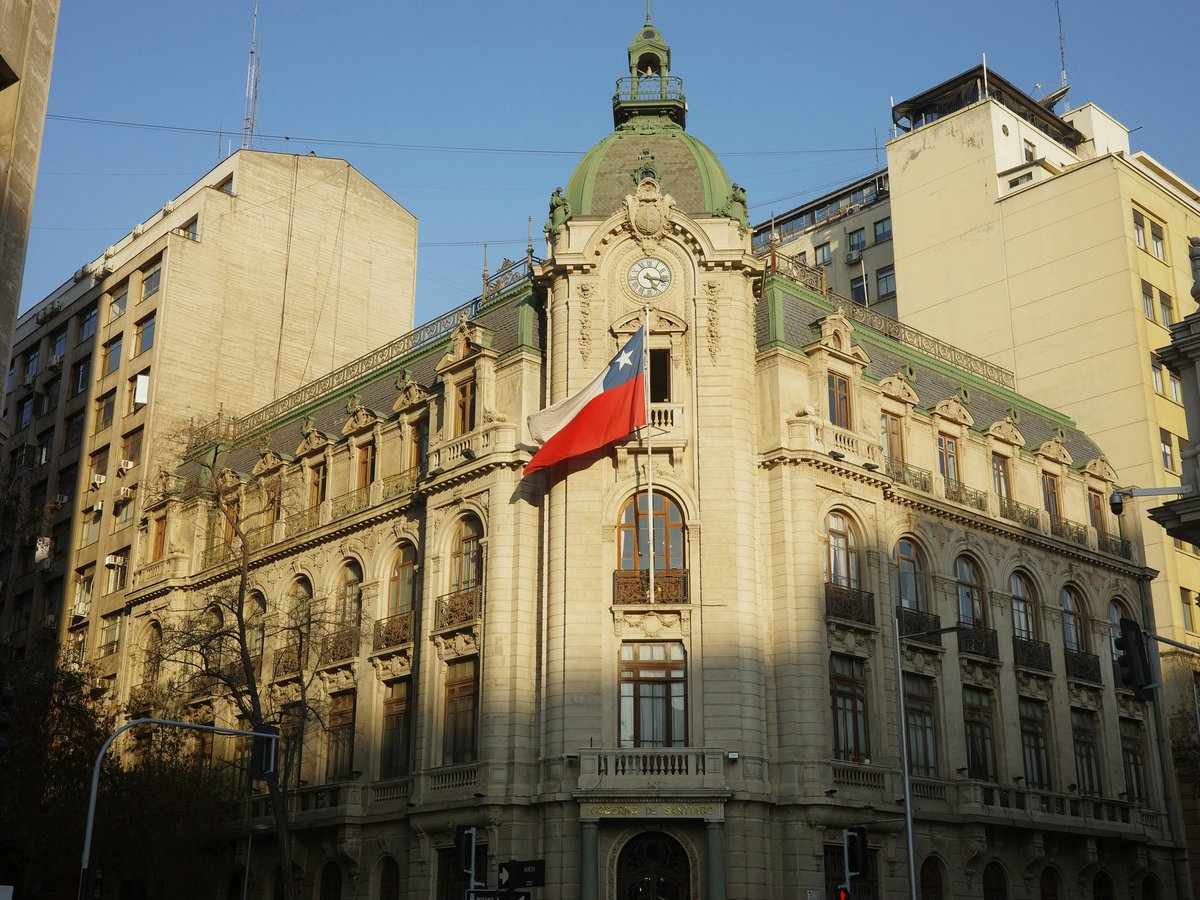
Must-see attractions
Santiago's must-sees are not a parade of glass towers and rooftop bars. This list covers three things: the churches the city built to last, a handful of buildings that carry the state's Historical Monument designation, and two places where Chile asks visitors to face its recent past. It opens on the Plaza de Armas, home of the Metropolitan Cathedral, and moves out to Peñalolén, where the Bahá'í House of Worship for the South American continent stands on Diagonal Las Torres. In between are an opera house dating from 1857, a TV tower from 1974, and a mosque in Ñuñoa. Skip the hop-on bus loop that treats all of this as scenery. These places reward a slower visitor who will step inside, read the site's own account, and accept that a few of them are not meant to be pleasant. If you want a highlights reel, look elsewhere. If you want to understand what Santiago keeps, protects, and remembers, this is the list.
See the picks → -

Best restaurants
Santiago eats on its own terms. The city sprawls from the old center around the Alameda out to the leafier grid of Providencia and the hill neighborhoods behind Bellavista, and its restaurant map follows that geography: Thai and Mediterranean rooms in the Huerfanos and Amanda Labarca blocks, Basque and Peruvian tables in Bellas Artes and the streets behind Compañía de Jesús, workers' pizzerias and empanaderias along the San Diego and Bandera axes, sushi counters in the residential quarters south of the Alameda, and a small but real cluster of Chinese kitchens across the river toward Bascuñán Guerrero. This list is not a ranking of the fanciest tables; it is twelve addresses that pay for the trip across town, chosen for cooks who have decided what they are doing and stuck with it. Hours are honest, the phones ring, and the addresses are the ones on the door. Read the operating hours before you go. Santiago restaurants keep Chilean lunch-service hours, which means many close between comidas, and Sundays are quieter than a visitor expects. Bring cash for the smaller counters and call ahead on Friday and Saturday nights.
See the picks →