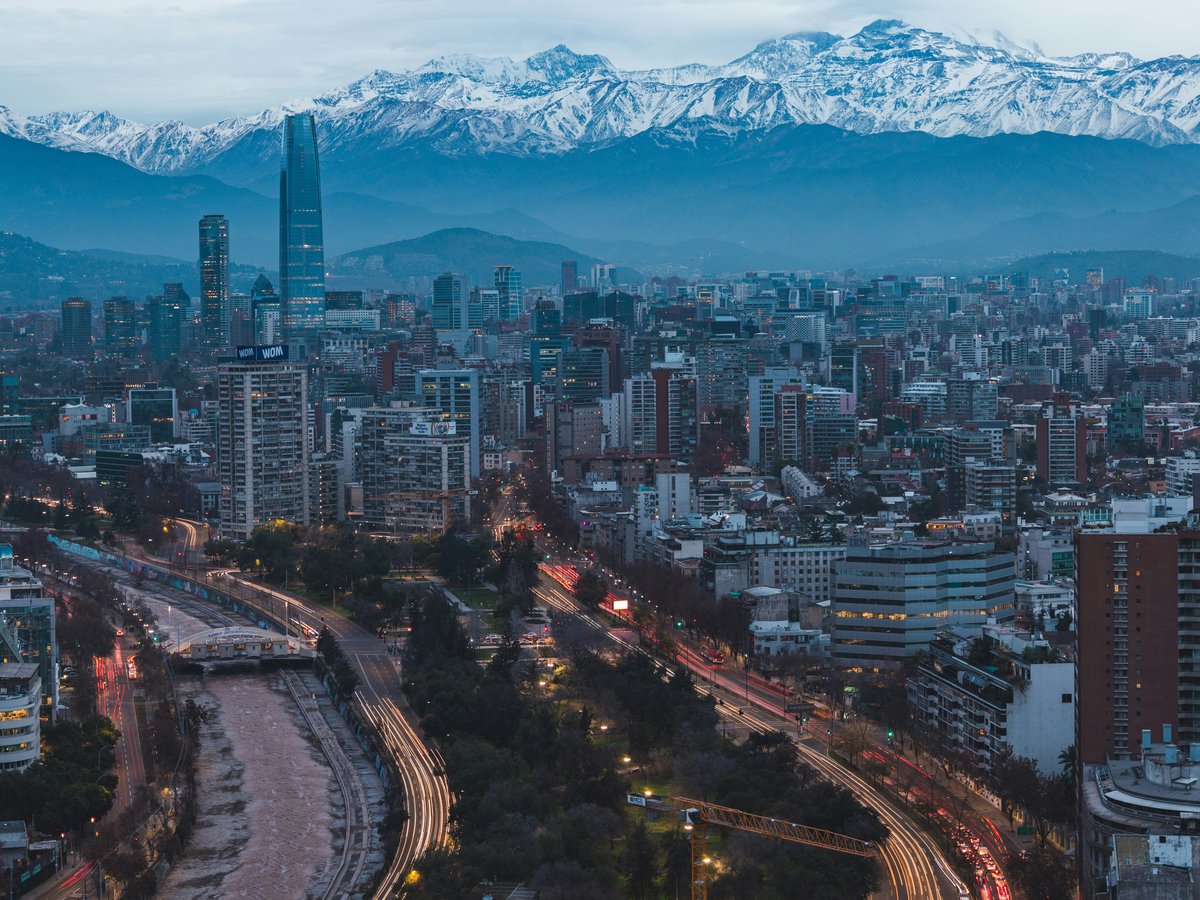
Santiago's shopping culture tends to reflect the city's sharp economic contrasts. You'll find high-end European brands in the eastern comunas of Las Condes and Vitacura, while downtown streets like Paseo Ahumada still operate the way they have for decades, with small storefronts selling everything from leather goods to dried herbs. Chile produces excellent wine, copper, lapis lazuli, and wool from the south, and Santiago is where most of those goods concentrate before heading elsewhere. The Mapuche silverwork tradition runs deep here, and pieces sold at the better artisan markets come from workshops in Temuco and the Araucanía region. Worth noting, Santiago is not a city where you bargain in most settings. Fixed prices are the norm in malls and formal shops. Markets are a different story, but even there, the culture of negotiation is gentler than in much of Latin America. At the current exchange rate of roughly 913 CLP to 1 USD, visitors from North America and Europe will find many local goods surprisingly affordable, particularly textiles, wine, and handmade jewelry.
Shopping districts
-
Paseo Ahumada and Calle Huérfanos (Centro)
budget to mid-rangeThese two pedestrian streets cut through Santiago's historic core, running roughly parallel between Plaza de Armas and the Alameda. Paseo Ahumada has been the city's commercial spine since the 1970s pedestrianization. Street vendors sell phone cases and socks alongside formal shoe shops and pharmacy chains. Calle Huérfanos is a bit quieter, with more independent clothing stores and stationery shops. You might notice the architecture shifting between 1920s office buildings and newer glass fronts. The foot traffic is dense on weekday lunchtimes. This is where santiaguinos on lunch breaks buy everyday things, not where tourists typically linger. That said, the energy is real.
Best for: Everyday goods, shoes, clothing basics, people-watching
-
Barrio Italia (Ñuñoa / Providencia border)
mid-rangeBarrio Italia has become Santiago's go-to neighborhood for vintage furniture, independent design, and small-batch local brands. The main axis is Avenida Italia between Irarrázaval and Diagonal Oriente. Old houses have been converted into multi-room shops selling ceramics, leather bags, recycled-material jewelry, and secondhand books. Several antique dealers cluster around Calle Caupolicán. On weekends, the sidewalks fill with informal sellers and pop-up stands. The cafes here tend to double as retail spaces. It still feels residential in spots, which is part of the appeal. Prices sit above flea-market level but well below mall retail, and the quality of handmade goods is generally high.
Best for: Design objects, vintage furniture, local ceramics, independent fashion
-
Alonso de Córdova (Vitacura)
luxuryThis is Santiago's luxury corridor, a tree-lined street in Vitacura where you'll find Louis Vuitton, Hermès, and Ferragamo alongside Chilean galleries like Galería Patricia Ready. The buildings are low-rise and airy, with wide sidewalks. It feels closer to a European shopping street than to a Latin American commercial strip. Most stores here cater to Santiago's upper-income residents, and prices reflect that. Wine shops along Alonso de Córdova carry verticals from top Chilean vineyards like Don Melchor and Seña at retail, which still tends to be cheaper than the same bottles abroad. Mind you, the vibe is quiet and almost subdued during weekday mornings.
Best for: High-end fashion, fine wine, contemporary art galleries
-
Costanera Center and Parque Arauco (Las Condes)
mid-range to luxuryCostanera Center, connected to the tallest building in South America at 300 meters, is Santiago's largest mall with over 300 stores across 6 floors. Parque Arauco, a few kilometers east on Avenida Kennedy, is the older of the two and feels slightly more curated. Both carry the usual international chains, Zara, H&M, Falabella, Ripley, plus Chilean department stores that stock local designers on their upper floors. Parque Arauco has an open-air luxury wing called Boulevard that houses brands like Carolina Herrera and Montblanc. For visitors, the main draw of the malls is practical. They're air-conditioned, have clean bathrooms, and accept international credit cards without fuss.
Best for: International brands, department stores, climate-controlled browsing
-
Barrio Patronato (Recoleta)
budgetPatronato sits north of the Mapocho River around Calle Patronato and Calle Antonia López de Bello. This is Santiago's textile and wholesale district, shaped heavily by Korean, Chinese, and Arab immigrant communities since the mid-20th century. The sidewalks are tight and packed with rolling racks of clothing. Fabric shops sell by the meter at prices well below retail. You can find fast-fashion knockoffs, traditional Middle Eastern textiles, and Korean beauty products all within a few blocks. The food options here lean toward Korean and Middle Eastern, which makes it worth a visit even if you're not buying clothes. It is loud, crowded, and has almost zero tourist infrastructure.
Best for: Wholesale textiles, fabrics by the meter, budget clothing, Korean beauty products
-
Drugstore and Providencia (Providencia)
mid-rangeAvenida Providencia runs east from the Baquedano metro station, and the stretch between Pedro de Valdivia and Los Leones stations is lined with mid-range shops, bookstores, and Chilean chain stores. Drugstore, a small mall near the Manuel Montt metro stop, focuses on independent Chilean designers and streetwear brands. The avenue itself is less polished than Alonso de Córdova but more curated than downtown. You'll find Chilean outdoor brands like Lippi alongside local jewelers. The neighborhood still has a residential feel in the side streets, where smaller boutiques sell hand-knit scarves and merino wool sweaters sourced from Patagonia.
Best for: Chilean brands, outdoor gear, bookstores, independent boutiques
Markets
-
Mercado Central
foodMercado Central opened in 1872 in a cast-iron structure imported from England. It sits on the south bank of the Mapocho River near the Puente metro station. The ground floor is dominated by seafood stalls selling congrio, reineta, locos (Chilean abalone), and razor clams. The smell of frying fish and the sound of vendors calling out the day's catch hit you at the entrance. Locals tend to eat at the smaller stalls around the perimeter rather than the tourist-oriented restaurants in the center, where prices run 30-50% higher for the same dishes. A few stalls near the exits sell dried merkén (smoked Mapuche chili), seaweed, and bottled pebre. To be fair, it gets touristy, but the building alone is worth seeing.
Open daily, roughly 6:00 to 17:00. Busiest around lunch.
-
La Vega Central
food and produceLa Vega sits directly across the Mapocho from Mercado Central and feels like a different world. This is where Santiago's restaurant kitchens and household cooks buy produce, legumes, nuts, and spices in bulk. The aisles are narrow and chaotic. You'll find 10-kilo sacks of quinoa, bins of dried mushrooms, Peruvian ají amarillo paste, and seasonal Chilean fruits like chirimoya and lúcuma. Upstairs, La Vega Chica (also called Tírso de Molina) has small comedores serving Peruvian, Colombian, and Haitian food at extremely low prices, often under 5,000 CLP for a full almuerzo. The sensory overload here is real. Wet concrete floors, the crunch of discarded lettuce leaves underfoot, vendors spraying water over herbs to keep them fresh.
Monday to Saturday, roughly 5:00 to 17:00. Sunday mornings for a reduced selection.
-
Feria Santa Lucía
artisanThis small artisan market sets up along the base of Santa Lucía Hill, near the Santa Lucía metro station. The stalls sell lapis lazuli jewelry, copper ornaments, Mapuche-inspired silver pieces, alpaca wool scarves, and hand-carved wooden figures. Quality varies by stall, so it helps to compare before buying. Lapis lazuli is genuinely Chilean. Chile and Afghanistan are the world's two significant sources, and pieces here are typically cheaper than in the formal jewelry shops of Bellavista. The market targets tourists openly, but the prices are still reasonable if you're willing to browse past the first row of stalls.
Daily, roughly 10:00 to 19:00. Some stalls close earlier in winter.
-
Persa Bío Bío
fleaPersa Bío Bío is Santiago's sprawling flea market, located south of the Alameda near the Franklin metro station. It covers several blocks and spills into surrounding streets on weekends. You'll find used vinyl records, vintage clothing, old military surplus, VHS tapes, bike parts, antique cameras, and an enormous amount of miscellaneous household goods. Some sections are more organized, with permanent stalls selling refurbished electronics or secondhand books. The food stands scattered throughout sell sopaipillas and mote con huesillo. Saturday mornings are the peak. It can feel chaotic and a bit rough around the edges. Keep your phone in a front pocket. This is where you find things you didn't know you wanted.
Weekends are the main event, Saturday being the fullest. Some permanent stalls open weekdays.
-
Pueblito Los Dominicos
artisanPueblito Los Dominicos sits at the eastern end of Avenida Apoquindo, near the Los Dominicos metro station, the last stop on Line 1. The market is built to resemble a small colonial village, with whitewashed adobe walls and terracotta roofs. Around 160 workshops and stalls sell ceramics, woven textiles, leather goods, wrought iron, and horsehair miniatures (crin de caballo) from the Rari tradition in Maule. Several potters work on-site, so you might catch them at the wheel. The adjacent Dominican convent and church date to the colonial period. Prices are fixed and somewhat higher than at Santa Lucía, but the quality and selection of Chilean folk art is likely the best in the city.
Tuesday to Sunday, roughly 10:30 to 19:00. Closed Mondays.
-
Feria Libre (various neighborhoods)
food, street marketFerias libres are Santiago's weekly open-air street markets, and nearly every neighborhood has one on a designated day. They line residential streets with temporary stalls selling seasonal fruit, vegetables, eggs, cheese, bread, olives, and flowers. The prices undercut supermarkets by a wide margin. Locals bring their own bags and arrive early for the best selection. You'll hear vendors singing out prices in a rapid cadence that takes some getting used to. As a visitor, these are worth seeking out for atmosphere alone. The feria on Calle Esperanza in Barrio Yungay (Saturdays) and the one on José Domingo Cañas in Ñuñoa (Thursdays) are both well-established.
Weekly, day varies by neighborhood. Typically morning to early afternoon.
Souvenirs worth bringing home
Lapis lazuli is the signature Chilean stone, mined primarily in the Coquimbo region and sold throughout Santiago in forms ranging from raw chunks to polished rings and pendants. Mapuche silver jewelry, particularly the trapelacucha (a large pectoral pendant) and the chaway (earrings), comes from silversmiths in the Araucanía and carries cultural weight beyond decoration. Crin de caballo figures, tiny woven horsehair baskets and butterflies from the village of Rari in the Maule region, are a craft tradition recognized by UNESCO. They're light enough to pack easily and cost relatively little. Merkén, the smoked chili flake used across Chilean cooking, makes an excellent food souvenir and is sold at both La Vega and Mercado Central. Wine is the obvious choice. Carménère is Chile's signature grape, a Bordeaux variety that was thought extinct until it was rediscovered in Chilean vineyards in 1994. Bottles from the Maipo, Colchagua, and Casablanca valleys are widely available and far cheaper here than abroad. Pisco, the grape brandy Chile shares (contentiously) with Peru, is another option. Look for aged piscos from the Elqui Valley. Copper items, from kitchen utensils to decorative plates, reflect Chile's position as the world's largest copper producer. Alpaca and merino wool products from Patagonian workshops appear at most artisan markets, though quality varies.
Practical tips
- Bargaining
- Fixed prices are standard in malls, department stores, and most formal shops. At artisan markets like Santa Lucía and Los Dominicos, there's some room for negotiation, but the culture is soft. Asking for a discount on multiple items ("si llevo dos, me hace precio?") is more effective than haggling aggressively on a single piece. At Persa Bío Bío and La Vega, negotiation is more expected, especially for bulk purchases. In general, Chilean vendors don't inflate starting prices the way you might experience elsewhere in Latin America.
- Tax refunds
- Chile does not currently offer a VAT refund scheme for tourists. The 19% IVA (Impuesto al Valor Agregado) is included in all displayed prices. What you see is what you pay. This differs from Argentina and some European countries. Factor the tax into your comparison shopping if you're deciding where to buy.
- Opening hours
- Most Santiago shops open between 10:00 and 10:30 and close around 19:00 or 20:00. Malls like Costanera Center and Parque Arauco stay open until 21:00 daily. Sunday hours are shorter, typically 11:00 to 19:00 for malls, and many independent shops in Barrio Italia and Providencia close entirely on Sundays. Markets follow their own rhythms. La Vega opens before dawn, and most artisan markets wind down by late afternoon. During winter months (June through August), some outdoor markets and feria stalls close earlier when daylight fades.
- Payment methods
- Credit and debit cards are widely accepted in malls, department stores, and most established shops. Visa and Mastercard work nearly everywhere. American Express is spottier. Smaller market stalls, feria vendors, and some Barrio Italia shops still prefer cash. Chile has moved heavily toward contactless payments, and the Transbank terminal is standard. Tipping is not expected in retail. ATMs (called "cajeros automáticos") are common in malls and metro stations, though withdrawal fees from foreign cards run around 5,000 to 7,000 CLP per transaction depending on the bank.
- Getting between shopping areas
- Santiago's metro system connects most major shopping zones efficiently. Line 1 runs from Los Dominicos in the east through Providencia, Baquedano, and downtown to the western comunas. Universidad de Chile station puts you near Paseo Ahumada, Cal y Canto near La Vega and Patronato, and Pedro de Valdivia in the middle of Providencia's retail strip. A single metro ride currently costs between 640 and 800 CLP depending on the time of day, loaded onto a rechargeable Bip! card. Uber and taxi apps like Cabify work well for reaching Barrio Italia or Persa Bío Bío, which are slightly off the metro grid.
- Safety while shopping
- Santiago scores 5.8 out of 10 for solo-traveler safety (see the TTDI Solo-Safety Index). Pickpocketing is the primary concern in crowded markets, on public transit, and in the Centro around Paseo Ahumada. Use a crossbody bag and keep phones in front pockets at Persa Bío Bío and La Vega. Avoid displaying expensive jewelry or cameras loosely in those areas. The eastern comunas (Las Condes, Providencia, Vitacura) feel noticeably calmer. After dark, stick to well-lit streets and metro stations in the Centro.
FAQ
Is Santiago a good city for buying lapis lazuli?
Chile is one of only two major sources of lapis lazuli worldwide, the other being Afghanistan. Santiago concentrates the retail market, with pieces available at artisan markets like the one near Santa Lucía Hill and at Pueblito Los Dominicos. Prices tend to be lower than abroad, and the selection is wider. Look for deep blue stones with minimal white calcite veining for the highest quality. Some vendors offer certificates of authenticity, though these aren't standardized.
Can I bring Chilean wine home in my luggage?
Wine packs well in checked luggage with proper padding. Most Chilean airlines and international carriers allow it in checked bags. Bottles from the Maipo Valley, which surrounds Santiago, are readily available at supermarkets and specialty shops. Carménère and Cabernet Sauvignon from recognized producers often cost between 5,000 and 15,000 CLP in Santiago, a fraction of the import price in North America or Europe. Wrap bottles in clothing and place them in the center of your suitcase. Wine-specific inflatable sleeves are sold at larger bottle shops.
What day of the week is best for market shopping in Santiago?
Saturday tends to be the strongest day. Persa Bío Bío is at its fullest, most ferias libres run on weekday mornings or Saturdays, and Barrio Italia's weekend pop-ups add extra stalls. La Vega and Mercado Central operate Monday through Saturday with the broadest selection. Sunday is quieter across the board, with reduced hours at most markets and many independent shops closed entirely.
Do shops in Santiago accept US dollars?
Generally, no. Chile operates on the peso (CLP), and nearly all shops, markets, and restaurants price and transact in local currency. A few tourist-oriented shops near major attractions might accept dollars at unfavorable rates, but you'll lose money compared to using a card or withdrawing pesos from an ATM. Contactless card payments in CLP are the path of least resistance for most visitors.
Where do locals in Santiago shop for clothes?
Working and middle-class santiaguinos tend to shop along Paseo Ahumada downtown, at Patronato for budget textiles, and at department stores like Falabella and Ripley in malls. Younger, design-conscious shoppers gravitate toward Barrio Italia and the Drugstore complex in Providencia. Ferias de ropa americana, secondhand clothing markets that pop up in various neighborhoods, are popular for finding vintage denim and imported thrift items at low prices.
Last verified by automated review (v1.7.2) on . What is automated review?