Stay in Santiago in February
77 hotels in the Trip.com pool for Santiago, from US$14 a night.
Opens Trip.com on Fri 5 Feb to Sun 7 Feb 2027; change the dates there.
February in Santiago is defined by absence. A large share of the city's 6 million residents leave for Viña del Mar, the Lakes District, or beach towns along the central coast during the last stretch of summer vacation, which runs from late December through early March. The result is a capital that feels quieter than it does during the rest of the year, with noticeably lighter foot traffic in neighborhoods like Providencia and Lastarria, and some family-run restaurants closing their doors for 2-3 weeks.
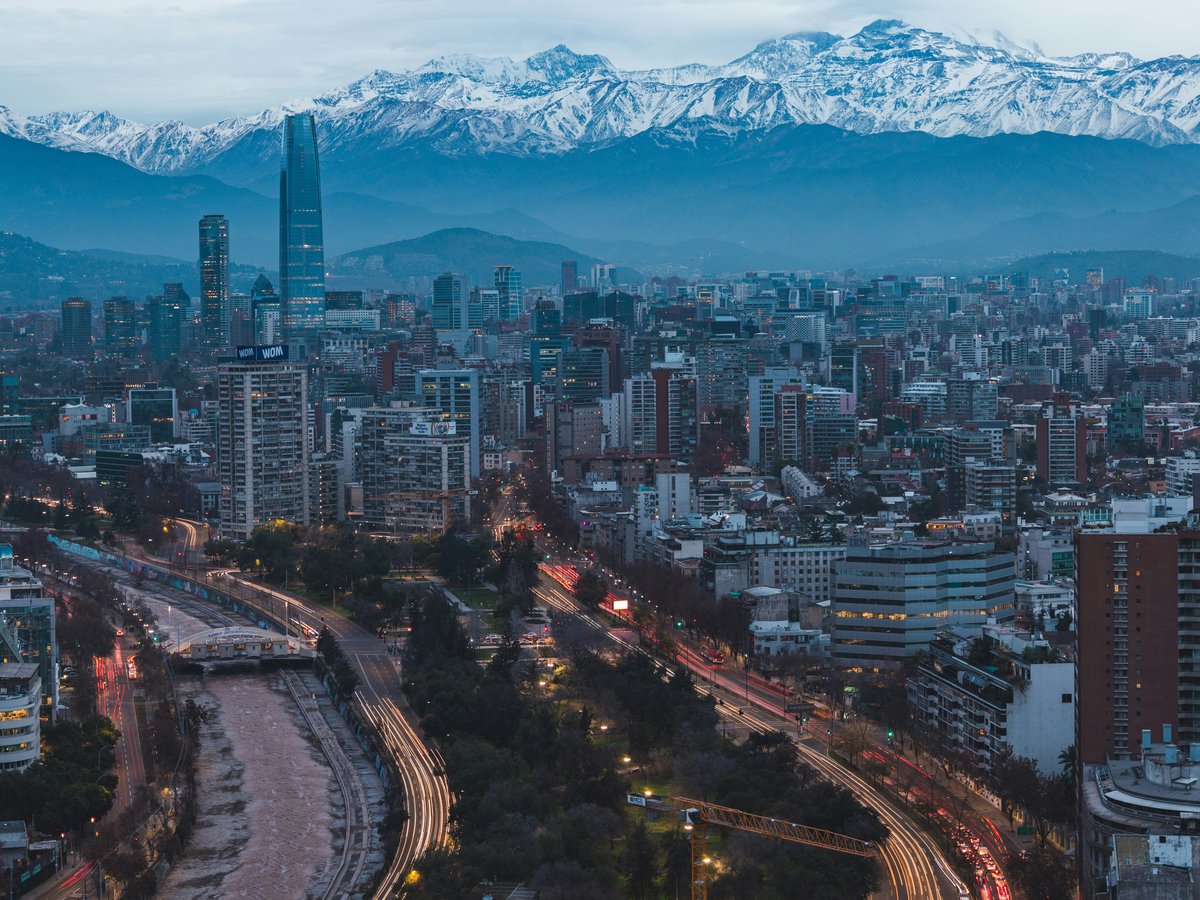
The weather, to be fair, is excellent for walking. Daytime temperatures sit around 30°C (86°F) and rain is nearly nonexistent at 4mm for the whole month. Evenings cool to a comfortable 15.5°C (60°F), warm enough for an outdoor table in Barrio Italia without needing a layer. The Andes fill the eastern skyline in their dry-season brown, stripped of snow, catching light that shifts from white at noon to amber by 7pm.
The trade-off is real, though. Some smaller shops and restaurants close for vacaciones, and Santiago's usual street energy drops a gear. That said, major attractions stay open, Mercado Central keeps its regular hours, and you'll find shorter queues at the Chilean Museum of Pre-Columbian Art (founded 1981) and other cultural institutions that would normally have lines on weekends.
Why visit in February
- Virtually no rainfall, making February one of Santiago's two driest months alongside December. You can plan outdoor days without a backup itinerary.
- Shorter queues at museums and cultural sites like the Museum of Memory and Human Rights, since both local and international visitor numbers dip after the January peak.
- Extended daylight with sunset around 8:30pm gives long evenings for walking Cerro San Cristóbal or sitting in Parque Bicentenario without feeling rushed.
- Late February marks the start of vendimia (grape harvest) in the Maipo and Casablanca valleys, with wineries within 90 minutes of the city offering tastings of the season's first pressings.
Worth knowing
- A noticeable share of neighborhood restaurants, bakeries, and independent shops in areas like Barrio Yungay close for 2-3 weeks of summer vacation, which can leave some blocks feeling hollow.
- UV radiation regularly reaches extreme levels, significantly higher than comparable summer destinations in the Northern Hemisphere. Sunburn happens fast, even on overcast mornings.
- Santiago sits in a geographic bowl ringed by the Andes and the Coastal Range, and the late-summer heat can trap smog from vehicle emissions. Air quality occasionally dips during windless stretches, especially for people with respiratory conditions.
- The city's cultural calendar is thinner than in March or October, since the major January festival (Santiago a Mil) has wrapped up and the autumn arts season hasn't started.
Best for
Think twice if
Peak dry summer. February is one of Santiago's two driest months, with clear skies most days and humidity around 51%, low enough that the warmth feels more like a Mediterranean afternoon than tropical heat. Mornings tend to start around 18-20°C (64-68°F) and climb steadily. The concrete districts around Santiago Centro absorb and radiate heat, making side streets feel a few degrees warmer than the parks. Evenings drop noticeably once the sun sets behind the Coastal Range, and you might want a light layer for after-dark walks. Wind is typically light, occasionally picking up from the southwest in the afternoon.
Seasonal caution
- UV index frequently reaches 11-13 throughout February, classified as extreme by WHO standards. Santiago's position at 33°S latitude and 520m elevation intensifies solar radiation. Apply SPF 50+ sunscreen before leaving your accommodation and reapply every 2 hours outdoors.
- Occasional wildfire smoke from agricultural burning and forest fires in the O'Higgins and Maule regions south of Santiago can drift into the metropolitan basin during windless periods. Chile's national air quality monitoring network (SINCA) provides real-time PM2.5 readings by comuna.
Year-round climate
Averages from the last 5 years.
| Month | Avg high (°C) | Avg low (°C) | Rainfall (mm) |
|---|---|---|---|
| Jan | 30 | 15 | 15 |
| Feb | 30 | 16 | 4 |
| Mar | 28 | 14 | 5 |
| Apr | 24 | 12 | 16 |
| May | 18 | 9 | 47 |
| Jun | 16 | 7 | 94 |
| Jul | 16 | 7 | 34 |
| Aug | 16 | 7 | 100 |
| Sep | 18 | 8 | 33 |
| Oct | 23 | 10 | 18 |
| Nov | 26 | 12 | 14 |
| Dec | 29 | 14 | 2 |
Headline events
Festival Internacional de la Canción de Viña del Mar
Late February, typically the last full week (5-6 consecutive nights)
Latin America's largest music festival, held over 5-6 nights at the Quinta Vergara amphitheatre in Viña del Mar, roughly 120km (75 miles) from Santiago. The event dominates Chilean media and conversation for the entire final week of February. Performers range from Latin pop headliners to international rock acts, comedians, and folk musicians competing for the festival's Gaviotas (seagull trophies). Late-night buses and trains from Santiago's Estación Central run return services during the festival.
Best things to do in February
Hike to Cascada de las Ánimas in Cajón del Maipo
outdoorA half-day trek through the Andes foothills in the Cajón del Maipo canyon, about 70km (43 miles) southeast of Santiago. The trail follows the Maipo River past dry scrubland and river valleys, with canyon walls towering on both sides. The river water is cold enough to sting your feet if you wade in at the rest points.
Summer means snow-free trails and accessible river crossings that close by May. February's reliable dry weather makes cancellations rare.Booking tipColectivos (shared minibuses) run from Puente Alto metro station to San José de Maipo. Start early to avoid afternoon heat at lower elevations.
Vendimia wine harvest in the Maipo Valley
food_and_drinkSeveral wineries in the Maipo Valley, roughly 45 minutes south of Santiago, open their doors for vendimia activities in the final week of February. Visitors can walk between vine rows heavy with Cabernet Sauvignon and Carménère grapes, watch the sorting process, and taste juice straight from the press before fermentation begins.
The grape harvest begins in late February in the warmer Maipo vineyards. This is the only 3-4 week window each year when active harvesting is visible.Booking tipReserve winery visits at least a week ahead. Smaller, family-run vineyards tend to offer more hands-on harvest experiences than the large commercial operations.
Sunset from the summit of Cerro San Cristóbal
sightseeingThe 880m (2,887ft) hill in the middle of Santiago offers panoramic views across the entire basin to the Andes. Take the funicular from Barrio Bellavista or walk the switchback road, which takes about 45 minutes up. The summit terrace faces west, and on clear February evenings the sun drops behind the Coastal Range in shades of copper and rose that last nearly 30 minutes.
February's dry air and late sunset (around 8:30pm) create the longest and clearest golden-hour windows of the year. Winter months lose both the light quality and the viewing time.Booking tipThe funicular stops running at 7:45pm on weekdays. If you want to stay for the full sunset, plan to walk down or arrange a ride from the Pío Nono entrance.
Swim at Piscina Tupahue on Cerro San Cristóbal
outdoorA public hilltop pool inside the Parque Metropolitano, perched partway up Cerro San Cristóbal with views over Santiago's eastern neighborhoods. The water stays cool even in the midday heat, and the surrounding terrace is shaded by mature trees. It feels removed from the city despite being inside it.
The pool operates from December through March only. February's consistent afternoon heat makes it the most rewarding month to visit, and by April it closes for the season.Booking tipArrive before 11am on weekends to avoid the longest entry queues. Weekday mornings are significantly quieter.
Browse La Vega Central at dawn
food_and_drinkSantiago's largest wholesale market sprawls across several blocks near the Mapocho River in Recoleta. Stalls sell produce, seafood, spices, dried chilies, and household goods. The noise is constant, the air smells of ripe stone fruit and fresh cilantro, and vendors shout prices in rapid Chilean Spanish that takes a few minutes to tune into.
February's stone fruit season fills La Vega with peak-harvest peaches, plums, and nectarines from the Central Valley at their cheapest annual prices.Booking tipNo booking needed, but go before 9am for the best selection and coolest temperatures. The market heats up considerably by midday.
Explore the Chilean National Museum of Fine Arts during the midday heat
cultureThe Palacio de Bellas Artes, built in 1910 for Chile's centennial, houses the national fine arts collection in a Beaux-Arts building with a glass ceiling that floods the central hall with natural light. The permanent collection spans colonial-era religious painting through 20th-century Chilean modernism. Founded in 1880, it is one of the oldest art museums in South America.
Fewer visitors in February mean you can stand alone in front of major works that draw weekend crowds during the academic year. The thick stone walls keep galleries 5-8°C cooler than the streets.Booking tipFree admission. Open Tuesday through Sunday. The park outside (Parque Forestal) connects to Barrio Lastarria on foot in 10 minutes.
Day trip to Valparaíso
day_tripThe Pacific port city sits 120km (75 miles) northwest of Santiago, reachable by bus in about 90 minutes from the Pajaritos terminal. The hillside cerros are covered in street art, and the ascensores (funicular elevators, some over 100 years old) connect the lower port area to the residential hills above. The ocean breeze makes Valparaíso noticeably cooler than landlocked Santiago.
Summer means the ascensores run full schedules, outdoor cafes on Cerro Alegre and Cerro Concepción stay open late, and the coastline is warm enough for walking along the shore.Booking tipBuses from Pajaritos terminal (reachable via metro Line 1) depart every 15-20 minutes. The last return bus leaves Valparaíso around 10pm.
What to eat in February
In season: fruit
Duraznos (peaches)
Chilean peaches reach peak ripeness in February. The white-fleshed varieties from the O'Higgins region are particularly fragrant, with a sweetness that imported off-season peaches cannot match. Locals eat them fresh, blend them into jugo natural, or preserve them as the season ends.
Sandía (watermelon)
Watermelon season peaks in January and February. Street vendors in Santiago Centro sell thick slices for a few hundred pesos. The cold, dripping sweetness is a 3pm survival tool when the pavements radiate stored heat back at you.
On menus now
Pastel de choclo
A corn-crust casserole filled with ground beef, chicken, onions, olives, and hard-boiled egg, served in individual clay bowls. February's fresh choclo (corn) gives the topping a sweetness and moisture that frozen corn from winter months cannot match. Traditional spots in Bellavista and the Centro serve it as a lunch staple.
Ensalada chilena
The national salad of sliced tomatoes and white onions dressed with olive oil, salt, and sometimes cilantro. February tomatoes from the Maule Valley are at their most flavorful, making this simple dish better now than at any other point in the year. Served alongside most lunch menus across the city.
Street food peaks
Mote con huesillo
Santiago's signature summer street drink, sold from glass carts throughout the Centro and near the Plaza de Armas. Husked wheat berries sit in a chilled syrup made from dried peaches, cinnamon, and sugar. The sweetness is intense, the texture chewy. February's heat makes this peak season for street vendors.
What to drink
Terremoto
A sweet, deceptively strong cocktail made with pipeño (young white wine), pineapple ice cream, and a splash of Fernet or grenadine. The name means 'earthquake,' which becomes clear after the second glass. February's heat makes them go down faster than you'd expect. Served at traditional bars and schoperías in the Centro.
Regular events in February
Santiago a Mil International Theatre Festival (closing performances)
Chile's largest performing arts festival, featuring international theatre, dance, and circus companies in venues across the city. The festival runs primarily in January, but final performances and closing events typically extend into the first 3-5 days of February. Free outdoor shows in public plazas complement the ticketed indoor performances.
First week of February (tail end of the main January festival)Verano en Santiago (Summer in Santiago)Free
The municipal government's free summer cultural program runs throughout January and February in parks and plazas across the city. Programming includes outdoor cinema screenings, live music, children's theatre, and dance performances. Parque O'Higgins and the Plaza de la Constitución host the largest events.
Throughout February, primarily on weekendsFiestas de la Vendimia (early harvest celebrations)
Small-scale grape harvest festivals at wineries in the Maipo and Colchagua valleys south of Santiago. These are quieter, more local affairs than the large March vendimia celebrations, with grape-stomping, tastings of last year's vintage, and asados in the vineyard grounds. Isla de Maipo and Pirque are the closest wine towns to Santiago.
Late February into MarchBest places this February
Parque Metropolitano de Santiago (Cerro San Cristóbal)
parkAt 722 hectares, one of the largest urban parks in the world. The hilltop swimming pools operate during summer months, the Japanese garden is lush in February's warmth, and the funicular offers a breeze on the ride up that the streets below don't get. The park stays open until 9pm in summer.
Bellavista / RecoletaBarrio Lastarria
neighborhoodA walkable neighborhood of bookshops, independent cafes, and small galleries between Parque Forestal and Santa Lucía Hill. February's emptier sidewalks make it easier to linger at the secondhand book stalls along the pedestrianized section of José Victorino Lastarria street without being jostled.
LastarriaSanta Lucía Hill
landmarkA 69m (226ft) hill in the center of Santiago, terraced with stone stairways, fountains, and lookout points dating to the 1870s renovation under Mayor Benjamín Vicuña Mackenna. The climb takes about 15 minutes, and the summit platform gives a 360-degree view of the downtown grid. Go before 10am in February to avoid the full sun on the exposed staircases.
Santiago CentroBarrio Italia
neighborhoodAn antique dealers' neighborhood centered on Avenida Italia between Ñuñoa and Providencia. The old houses have been converted into design shops, coffee roasters, and restaurants with courtyard seating. February is a good month to browse because the summer lull means less competition for tables at the smaller spots.
Ñuñoa / ProvidenciaLa Vega Central
marketSantiago's largest wholesale produce and seafood market, where the restaurant industry shops. The seafood stalls on the east side carry fresh reineta and congrio from the coast, and the spice aisle smells of merkén and dried ají. The food court inside La Vega Chica serves cheap Chilean lunches to market workers and visitors alike.
RecoletaMuseum of Memory and Human Rights
museumOpened in 2010, this museum documents the Pinochet-era human rights abuses from 1973 to 1990 through photographs, documents, video testimony, and personal objects. The architecture is a cantilevered copper-clad rectangle that appears to float above its ground-floor plaza. Free admission.
Quinta NormalParque Bicentenario
parkA modern park in the Vitacura district with lagoons, flamingos, and long flat paths popular with runners and cyclists. The wide lawns fill with families on weekend evenings in summer, and the park stays open until 9pm in February, catching the last of the long twilight before it fades over the Coastal Range.
Vitacura
Your packing checklist
Tick items off as you pack. Your progress saves in this browser.
All packed — have a great trip.
Insider tips
La Vega Central, across the Mapocho River from the more famous Mercado Central, is where Santiaguinos do their actual grocery shopping. Seafood empanadas and cazuela at the food stalls inside La Vega Chica cost roughly half what Mercado Central charges for similar plates.
The Metro (Line 1 runs the main east-west spine through Providencia and Las Condes) is fully air-conditioned and runs until 11pm. In February's heat, using it to skip the 3-4 block walks between sights saves real energy. The Bip! transit card loads at any station kiosk.
Many Santiaguinos return from the coast on Sunday evenings, making Sunday night the week's liveliest time for dining in Bellavista and Providencia. If you want to feel the city's real social rhythm in February, plan your best dinner for a Sunday.
The best empanadas de pino (ground beef, onion, olive, hard-boiled egg) tend to come from small storefronts in Barrio Yungay and the streets around La Vega, not from the tourist-oriented restaurants on Paseo Ahumada near the Plaza de Armas.
Avoid these mistakes
- Scheduling outdoor sightseeing between noon and 3pm. The UV peaks during those hours and the asphalt radiates stored heat that makes the air feel several degrees warmer than the forecast. Mornings before 10am and late afternoons after 5pm are significantly more comfortable for walking the Centro or the hills.
- Assuming that every restaurant will be open. Smaller, family-run spots in Barrio Italia, Barrio Yungay, and Ñuñoa close for 2-3 weeks of summer vacation without much advance notice. Check Google Maps or the restaurant's social media for current hours before making a special trip.
- Underestimating the temperature drop after sunset. The swing from afternoon highs to evening lows catches visitors off guard, especially those arriving from tropical destinations where nighttime temperatures barely move. Going out for dinner at 9pm in a t-shirt can feel genuinely cold.
Practical tips for February
Book accommodations in Providencia or Lastarria for the best mix of walkability and functioning restaurants during February's vacation lull. The exchange rate sits around 913 CLP to 1 USD, and most businesses accept cards, though La Vega Central and smaller street vendors prefer cash. ATMs from Banco Santander and BancoEstado are the most reliable for foreign cards and charge lower fees than the exchange bureaus on Agustinas street. The Metro runs from 5:30am to 11pm (11:30pm on Fridays and Saturdays), and the Bip! card works on both metro and city buses. Museum hours are generally Tuesday through Sunday, 10am to 6pm, though some extend to 7pm in summer. If you plan to attend the Festival de Viña in late February, book bus or train tickets from Estación Central at least a few days ahead, since the nightly concerts drive heavy round-trip traffic between the two cities. Santiago scores 5.8 out of 10 for solo-traveler safety (see the TTDI Solo-Safety Index), so standard precautions apply after dark in the Centro and near bus terminals. The city rates 7.5 out of 10 for LGBTQ+ friendliness (sourced from TTDI's editorial rubric), with Bellavista being the most visibly inclusive neighborhood. Family friendliness sits at 7.2 out of 10 (see the TTDI Family-Friendliness Index), with Parque Bicentenario and the Parque Metropolitano offering the most family-oriented green space.
FAQ
Is February a good time to visit Santiago, Chile?
February is a solid time to visit if you want warm, dry weather with fewer crowds than usual. Rain is nearly nonexistent, and lines at major museums are shorter. The main drawback is that many Santiaguinos leave for the coast on vacation, so some restaurants and independent shops close for 2-3 weeks. Major attractions, markets, and cultural institutions stay open. If you want the city at its most socially alive, March through May or September through November deliver more of that energy.
What is the weather like in Santiago in February?
Hot and dry. Expect summer warmth that peaks in the early afternoon and drops noticeably once the sun sets behind the Coastal Range. Total monthly rainfall is minimal, and humidity stays moderate enough that the heat feels comfortable rather than sticky. The primary weather concern is UV radiation, which hits extreme levels at Santiago's latitude and elevation. Strong sunscreen and a hat are non-negotiable for any outdoor time.
Is Santiago crowded in February?
Less crowded than usual. February falls at the tail end of Chilean summer vacation, and a large portion of Santiago's residents spend this month at coastal towns like Viña del Mar and La Serena. International tourists are present but in smaller numbers than December or January. Museums, parks, and restaurants that stay open tend to be quieter, with shorter waits and easier reservations than during the academic year.
What should I do in Santiago during the last week of February?
The Festival Internacional de la Canción de Viña del Mar, Latin America's biggest music festival, runs for 5-6 nights in neighboring Viña del Mar, about 90 minutes from Santiago by bus. Within the city, late February also marks the start of vendimia season, when wineries in the Maipo Valley offer harvest tastings and tours. Cerro San Cristóbal's pools, the Parque Metropolitano, and evening walks through Lastarria are at their best in the long summer light.
Can I visit wineries near Santiago in February?
Yes, and late February is a particularly rewarding time. The vendimia begins in the Maipo Valley vineyards closest to Santiago, roughly 45 minutes south of the city. Several wineries offer harvest-specific tours where you can see the picking and pressing process. Book at least a week ahead, as the harvest window is short and popular with both locals and visitors.
Things to Do in Santiago in February
 Free cancellation
 Cable Car, Funicular and Sightseeing Bus in Santiago one day
City tour: 2 hours, free cancellation.
via Viator Free cancellation
 Tour to Valparaíso, Viña del Mar, Pablo Neruda Museum and Vineyard
Day trip: 10 hours, free cancellation.
via Viator Free cancellation
 Discover Santiago: Tourist Bus, Cerro San Cristobal and Wine
City tour: free cancellation.
via Viator Free cancellation
 Andes Range Tour at Inca Lagoon & InSitu Winery Snack Included
Day trip: 10 hours, free cancellation.
via Viator Free cancellation
 Full Day Trip to Cajón del Maipo Yeso Reservoir + Toast
Day trip: 10 hours, free cancellation.
via Viator Free cancellation
 Santiago Half-Day Private City Tour Hotel Pick up & Food Sample
City tour: 6 hours, free cancellation.
via ViatorLast verified by automated review (v1.7.2) on . What is automated review?