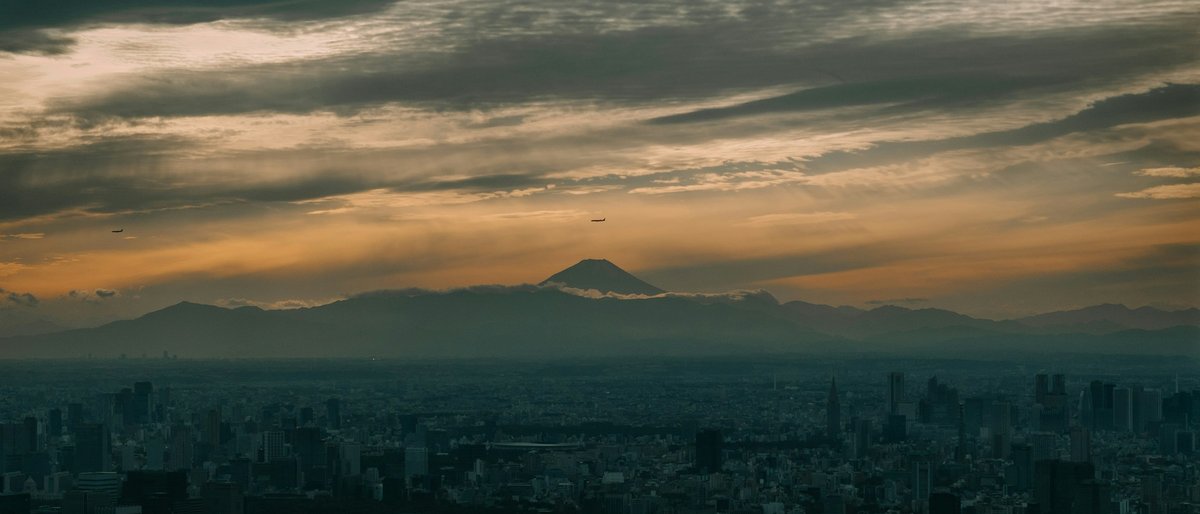
Tokyo has this reputation as an expensive city, and honestly, it can be — if you let it. But here's what most visitors don't realize until they're actually walking the streets: a staggering amount of what makes Tokyo fascinating costs absolutely nothing. The city's public spaces are designed with a care you rarely see elsewhere. Parks are immaculate. Shrines sit quietly between skyscrapers, open to anyone. Entire neighborhoods function as open-air galleries. You can spend a full week here, walking from dawn until the last train, and fill every hour without opening your wallet for anything beyond food and transport. The temples don't charge entry. The fish market lets you wander and gawk. The metropolitan government built a free observation deck so everyone could see the skyline. That's not an accident — there's a deep civic pride in making the city accessible. Mind you, you'll still want to eat well (and cheaply, which Tokyo also does better than most cities), but the doing-things part? The city practically hands it to you.
Free attractions
-
Tokyo Metropolitan Government Building Observation Decks
Two observation decks on the 45th floor of the twin towers in Shinjuku, offering panoramic views of the city and, on clear days, Mount Fuji. The south tower tends to be slightly less crowded. The north tower stays open later into the evening. Both are completely free, which still surprises people given the quality of the views. You'll smell the coffee from the small café up there before you even step off the elevator.
Nishi-ShinjukuViewpoint -
Meiji Jingu
A massive Shinto shrine set in 170 acres of forested parkland, right next to Harajuku station. Walking through the towering torii gate and along the gravel path feels like leaving the city entirely — the sound of traffic fades within minutes, replaced by birdsong and the crunch of your own footsteps. The main shrine complex is always free to enter. You might catch a traditional wedding procession on weekends if you're lucky.
HarajukuShrine and Park -
Senso-ji Temple
Tokyo's oldest temple, dating to the 7th century, sits at the heart of Asakusa. The approach through Kaminarimon gate and along Nakamise-dori shopping street is a sensory overload — the smell of freshly grilled senbei, vendors calling out, the visual chaos of traditional crafts and tourist souvenirs side by side. The temple grounds themselves are free and open from early morning. Go before 8am to experience it without the crowds pressing in from every direction.
AsakusaTemple -
Yoyogi Park
Adjacent to Meiji Jingu, this is where Tokyo comes to be itself on weekends. Rockabilly dancers near the entrance, drum circles further in, couples on picnic blankets, dogs in costumes. The energy shifts depending on where you sit. It's a large green space that feels communal. Free year-round, and good during cherry blossom season when the park transforms into a pink canopy overhead.
Harajuku / ShibuyaPark -
Imperial Palace East Gardens (Kokyo Higashi Gyoen)
The former site of Edo Castle's innermost circles, now a beautifully maintained garden open to the public. Stone walls from the original castle remain, and the contrast between ancient fortifications and manicured Japanese gardens is striking. Entry is free but you'll need to pick up a numbered token at the gate — they limit visitors to keep it peaceful. Closed Mondays and Fridays.
ChiyodaGarden and Historic Site -
Odaiba Seaside Park
A man-made beach along Tokyo Bay with views of Rainbow Bridge and the city skyline. The sand is imported but the sunsets are real and spectacular — warm light catching the bridge cables while the water laps at the shore. Swimming isn't really the draw here; it's the walking, the views, and watching the sky change color. Free access at all hours.
OdaibaBeach and Waterfront -
Shinjuku Gyoen National Garden
Worth noting: this one is not entirely free. General admission currently runs 500 yen. However, it becomes free on certain national holidays, and children under 15 always enter free. Mentioning it because those free days — during cherry blossom season and autumn foliage — are special. The greenhouse alone, with its humid tropical air and towering palms, is worth the timing effort.
ShinjukuGarden (free on select days) -
Tokyo National Museum Campus Outdoor Areas
While the museum galleries themselves require a ticket, the grounds of the Tokyo National Museum in Ueno Park are free to walk through. The building exteriors are architectural landmarks in their own right, and the surrounding paths and gardens are peaceful. During cherry blossom season, the avenue of trees near the main gate is one of Tokyo's most photographed spots.
UenoMuseum Grounds and Park -
Tsukiji Outer Market
The inner wholesale market moved to Toyosu, but the outer market at Tsukiji still operates and still buzzes with energy. You can walk the narrow lanes for free, watching vendors slice tuna, grilling tamagoyaki on iron pans, and stacking fresh produce. The smell of grilled seafood hits you from a block away. You'll likely end up buying something to eat, but the wandering itself costs nothing.
TsukijiMarket -
Zojo-ji Temple
A grand Pure Land Buddhist temple sitting directly in front of Tokyo Tower — the visual contrast of ancient wood architecture against the red steel tower behind it is one of Tokyo's most striking compositions. The grounds are free and usually quiet compared to Senso-ji. The rows of small Jizo statues, each dressed in hand-knitted caps and pinwheels, are moving in a way that catches you off guard.
ShibaTemple -
Nezu Shrine
One of Tokyo's oldest shrines, with a impressive tunnel of vermillion torii gates climbing a hillside — reminiscent of Fushimi Inari in Kyoto but far less crowded. The main grounds are free year-round. During the azalea festival in April and May, the hillside garden requires a small fee, but the shrine itself and the torii gate tunnel remain free. The dappled light through the gates is beautiful in the morning.
BunkyoShrine -
Hama-rikyu Gardens Waterfront Promenade
While the formal gardens charge admission, the waterfront promenade and surrounding public walkways along Tokyo Bay are free. You can follow the path from the gardens' outer edges toward Tsukiji and enjoy views of the bay, modern high-rises, and the contrast of old stone seawalls. The salt breeze off the water is a welcome change from the city's interior.
ChuoWaterfront Walk
Free activities
-
Yanaka Walking Route
Yanaka is one of the few Tokyo neighborhoods that survived both the 1923 earthquake and World War II bombing largely intact. Walking from Nippori station through the old cemetery (where the last Tokugawa shogun is buried), down Yanaka Ginza shopping street with its retro storefronts and resident cats, you get a feel for what mid-century Tokyo actually looked like. The pace is slower here. Old women chat outside family shops that have been operating for generations. The smell of roasting coffee drifts from tiny kissaten. It's a different Tokyo entirely.
Yanaka / NipporiWalking Route -
Shibuya Crossing and Center-gai
Standing at Shibuya Crossing when the lights change and a thousand people increase in every direction simultaneously is one of those experiences that's hard to process the first time. The sheer choreography of it — nobody collides, somehow. From there, walk into Center-gai and the surrounding backstreets. The noise, the neon, the smell of yakitori smoke, music leaking from every doorway. It's sensory chaos and it costs nothing to absorb.
ShibuyaUrban Experience -
Akihabara Electric Town Walk
Even if you're not buying anything, walking through Akihabara is a full experience. Multi-story electronics shops with floors dedicated to increasingly niche interests, retro game arcades with their distinctive electronic soundscapes, maid cafés with staff beckoning from doorways. The visual density per square meter might be the highest in the world. Go on a Sunday afternoon when Chuo-dori is closed to traffic and becomes a pedestrian boulevard.
AkihabaraWalking Route -
Shimokitazawa Vintage and Arts District
A tangle of narrow streets filled with vintage clothing shops, tiny theaters, record stores, and independent cafés. The neighborhood has a distinctly bohemian energy that feels unmanufactured — probably because it mostly is. Walking the backstreets costs nothing and you'll stumble across street art, small gallery spaces with open doors, and the occasional busker. The architecture itself is worth attention: buildings squeezed into impossible footprints.
ShimokitazawaNeighborhood Exploration -
Sumida River Walk and Tokyo Skytree Promenade
The pedestrian bridge connecting Asakusa to the Tokyo Skytree waterfront area opened in 2020 and has a pleasant walk along the Sumida River. From the river path, you get excellent views of both Senso-ji's pagoda and the Skytree — two very different eras of Tokyo architecture framed together. The river itself is calmer than you'd expect, and on clear days the reflections on the water are worth pausing for.
Asakusa to OshiageWalking Route -
Harajuku and Omotesando Street Style
Takeshita-dori in Harajuku is a narrow lane packed so tight on weekends you move at shuffle pace, but the people-watching is extraordinary — fashion as self-expression taken to logical extremes. Step over to Omotesando for the architectural contrast: high-end flagship stores designed by excellent architects, each building trying to outdo its neighbor. The Toyo Ito-designed Tod's building and the Tadao Ando-designed Omotesando Hills are worth studying even if you never go inside.
Harajuku / OmotesandoStreet Culture and Architecture -
Toyosu and Odaiba Waterfront Circuit
A long but rewarding walk connecting the working waterfront at Toyosu — where you can watch activity at the fish market from the free public viewing galleries — across to Odaiba via the waterfront parks. The route takes you past the Unicorn Gundam statue (free to view, and it does move on schedule), along artificial beaches, and through public plazas with views back toward the city center.
Toyosu to OdaibaWalking Route -
Ueno Park Museum and Temple Circuit
Ueno Park itself is free and packed with things to see: the Tosho-gu shrine (exterior viewing free), the great Buddha pagoda, Shinobazu Pond with its lotus plants (the smell in summer is notable — earthy and sweet), and the surrounding pathways. Multiple museums line the park, and while most charge admission, the National Museum of Nature and Science and others occasionally offer free admission days. The park is also one of the best cherry blossom spots in the city, though 'peaceful' is not the word for it during hanami season.
UenoPark and Cultural Circuit
Free events
-
Roppongi Art Night
Annually, typically in late May or early June (single weekend event, runs overnight)An annual overnight art festival that transforms Roppongi's streets and public spaces into open-air galleries with large-scale installations, performances, and light art. The main outdoor installations and street performances are free. It typically draws huge crowds, and the energy of wandering between art pieces at 2am with thousands of other people is unlike anything else in the city. Dress warm — it's usually held in spring when Tokyo nights still have a bite to them.
Roppongi Hills, Tokyo Midtown, National Art Center Tokyo, and surrounding streets -
Koenji Awa Odori
Last weekend of August (Saturday and Sunday evenings)Tokyo's largest street dance festival, modeled on the famous Awa Odori from Tokushima. Roughly 10,000 dancers in traditional costumes move through the streets of Koenji while taiko drums and shamisen create a rhythm you feel in your chest before you hear it properly. The entire event is free to watch from the street. The atmosphere is electric — locals and visitors packed shoulder to shoulder, the summer heat thick, the sound bouncing off buildings.
Streets around Koenji Station, Suginami -
Sanja Matsuri
Third weekend of May (Friday through Sunday)One of Tokyo's three great Shinto festivals, centered on Senso-ji and Asakusa Shrine. Over three days, roughly 100 portable mikoshi shrines are carried through the streets by teams of chanting, sweating bearers. The physical intensity is real — you can see the strain on faces, hear the wooden frames creaking. Free to watch from anywhere along the parade routes. The surrounding streets fill with food stalls and the smell of takoyaki and grilled squid is everywhere.
Asakusa, centered on Senso-ji and Asakusa Shrine -
Tokyo International Film Festival Free Screenings
Annually in late October to early November (approximately 10 days)During the festival period, several outdoor and select indoor screenings are offered free of charge, typically in the Hibiya and Yurakucho area. The outdoor screenings in particular have a great atmosphere — sitting on temporary seating with Tokyo's skyline as backdrop. The free program tends to be announced a few weeks before the festival, so checking the official site in advance is worth the effort.
Hibiya, Yurakucho, and surrounding venues -
Sumidagawa Fireworks Festival
Last Saturday of July (may be postponed for weather)Tokyo's oldest and largest fireworks display, launched from barges on the Sumida River. Around 20,000 fireworks over roughly 90 minutes — the scale is hard to convey until you're standing there with the explosions reflecting off the river and the sound echoing between buildings. Completely free to watch from the riverbanks and surrounding streets, though finding a good spot means arriving hours early. The crack and boom of the shells reverberates through your whole body.
Along the Sumida River between Sakurabashi and Komagatabashi bridges -
Design Festa
Design Festa Gallery: open daily, free. Main event: twice yearly in May and November (ticketed)A massive art festival held at Tokyo Big Sight where thousands of independent artists display and sell their work. While the main event charges a modest admission, Design Festa regularly hosts free satellite events, pop-up exhibitions, and the Design Festa Gallery in Harajuku (a permanent space) offers free admission year-round. The gallery alone is worth visiting — every surface covered in art, the walls repainted by different artists constantly.
Design Festa Gallery in Harajuku (free); main event at Tokyo Big Sight (ticketed) -
Meiji Jingu Spring Grand Festival
Around April 29 to May 3 annually (Golden Week period)A multi-day celebration at Meiji Shrine featuring traditional performing arts — bugaku court dance, noh theater, kyudo archery demonstrations — performed on the shrine's outdoor stages. These are art forms you'd normally pay serious money to see in a theater, offered here for free in a setting that feels appropriately solemn. The slow, deliberate movements of bugaku against the backdrop of the cypress forest create something atmospheric.
Meiji Jingu Shrine, Harajuku
Timing Your Free Tokyo: Seasons and Strategy
Tokyo's free offerings shift dramatically with the seasons, and timing matters more than you might think. Cherry blossom season — typically late March through mid-April, though the exact dates shift yearly — transforms every park into a social gathering. Ueno Park, Yoyogi Park, and the Meguro River walkway become packed with hanami parties, the air sweet with plum wine and grilled meat from portable stoves. It costs nothing to join in the atmosphere, though you'll want to bring your own picnic. Autumn brings equally dramatic color changes, at Meiji Jingu Outer Garden's ginkgo avenue, where the trees turn a uniform golden yellow that's almost unreal. Summer means festival season — the matsuri circuit runs from June through September and there's likely a neighborhood festival happening somewhere in the city on any given weekend. Winter is quieter but has its own appeal: the December illuminations at Marunouchi, Roppongi, and Omotesando are free to walk through, and the cold clear air means better views from observation decks. To be fair, there's no bad time to visit for free activities — but each season emphasizes different ones.
Free Architecture Worth Seeking Out
Tokyo might be the world's best free architecture museum, if you know where to look. Omotesando alone contains buildings by Tadao Ando, Toyo Ito, SANAA, Kengo Kuma, and Herzog & de Meuron — all viewable from the street. The Prada flagship by Herzog & de Meuron has that distinctive diamond-patterned glass facade that catches light differently at every hour. Over in Ginza, the Mikimoto building by Toyo Ito resembles swiss cheese rendered in steel, while the nearby Nakagin Capsule Tower — well, that's been demolished now, but the spirit of radical architecture lives on. In Aoyama, the Nezu Museum's bamboo-lined entrance corridor designed by Kengo Kuma is free to walk into (the museum itself charges admission, but the approach is worth seeing on its own). The 21_21 Design Sight in Roppongi, another Ando creation, is striking from outside even when you don't go in. And honestly, some of the best architecture is the everyday kind: the way Tokyo solves the problem of building on impossibly small lots produces structures that architects travel specifically to study.
Free Tokyo with Kids
Traveling with children in Tokyo on a budget is more manageable than most people expect. Ueno Zoo offers free admission for children under 12, and on certain designated free admission days (March 20 and October 1 are typical), everyone gets in free. The Sumida Aquarium and other attractions occasionally run free children's days too, though schedules vary year to year. Beyond ticketed attractions, kids tend to love the sensory overload of places like Akihabara and Harajuku, the open spaces of Yoyogi Park where they can run, and the novelty of watching trains at major stations — Shinjuku Station alone handles over three million passengers daily, and watching the choreography of it from the platforms is mesmerizing for train-loving kids. Many department stores have free rooftop gardens and play areas that locals use regularly. The Pokémon Center stores charge nothing to enter and are basically theme parks for fans. And the simple act of riding Tokyo's trains — while not free — is entertainment in itself for most children visiting for the first time.
Navigating Free Tokyo: Practical Tips
A few things worth knowing before you plan a free-focused day. First, most temples and shrines are free to enter but may charge for specific inner areas or special exhibitions — Senso-ji's main hall is free, for instance, but the garden behind Denpoin requires a small fee during its limited opening period. Second, many of Tokyo's free attractions close on Mondays — the Imperial Palace East Gardens, several galleries, and some museums follow this pattern. Plan your Monday elsewhere. Third, the Japan National Tourism Organization runs a free volunteer guide program called Goodwill Guides — locals who'll walk you around neighborhoods and share context you'd never get from a guidebook. The service is free, though you're expected to cover your guide's transport and lunch. Fourth, temple and shrine etiquette matters: wash your hands at the chozuya, bow before entering gates, keep your voice down in worship areas. Nobody will scold you for mistakes, but the effort is noticed and appreciated. Finally, download offline maps before you go — Tokyo's free public WiFi has improved considerably but still has gaps, and getting lost without a map in a neighborhood where street signs are only in Japanese can turn a pleasant walk into a stressful one fast.
FAQ
Are Tokyo's major temples and shrines really free to visit?
Most of them, yes. Senso-ji, Meiji Jingu, Zojo-ji, Nezu Shrine, Yasukuni Shrine, and dozens of smaller neighborhood shrines charge nothing for general admission to the main grounds and worship halls. A few temples charge for specific inner gardens or treasure halls — Meiji Jingu's inner garden is 500 yen, for instance — but the core experience of visiting the shrine itself is free. offering a small coin at the prayer box is customary but entirely voluntary, and a 5-yen coin is considered good luck.
Is the Tsukiji fish market still operating and free to walk through?
The outer market at Tsukiji is still very much alive and free to wander. The wholesale tuna auction moved to Toyosu Market in 2018, where you can watch the early morning auction from a free viewing gallery (though you'll need to arrive early and availability can be limited). The Tsukiji outer market's narrow lanes of food stalls, kitchenware shops, and small restaurants are open most mornings and cost nothing to explore — though realistically, you'll end up buying something to eat. Go before 10am for the best atmosphere and fewer crowds.
What's the best free viewpoint in Tokyo?
The Tokyo Metropolitan Government Building observation decks in Shinjuku are the standard answer, and honestly, they deserve to be — the views are excellent and it's completely free. The north deck is open until 11pm most nights, which means you get the city lit up. That said, if you want something different, the free observation lobby on the 46th floor of the Bunkyo Civic Center has a less crowded view that includes Tokyo Skytree prominently in the frame. The Caretta Shiodome sky lobby and the KITTE building rooftop garden near Tokyo Station also offer free elevated views, though they're not quite as high.
Can I visit any Tokyo museums for free?
A handful of smaller museums and galleries are permanently free, including the Currency Museum of the Bank of Japan, the SCAI The Bathhouse gallery in Yanaka, and several corporate galleries like the Shiseido Gallery in Ginza. The larger national museums — Tokyo National Museum, National Museum of Modern Art, National Museum of Nature and Science — charge admission but typically offer free entry on certain dates, often International Museum Day in May and Culture Day on November 3. Check individual museum websites before your visit, as the specific free days can shift. Most museum gift shops and lobby areas are accessible without a ticket too.
Are there free walking tours available in Tokyo?
Several options exist. The Tokyo SGG Club and other Goodwill Guide groups offer free volunteer-led tours — these are local people who enjoy sharing their city, and the only expectation is that you cover their transportation and meal costs for the day. Some tours request advance booking. The Yanaka and Asakusa areas are well-served by these volunteer guides. Self-guided options are arguably better for flexible travelers: pick up free walking maps from any Tourist Information Center (there's one in Shinjuku Station's south exit), or download the Tokyo Metropolitan Government's suggested walking routes, which cover themed paths through most major neighborhoods.
How much should I budget for a day of only free activities in Tokyo?
If you're disciplined, your only costs would be transportation and food. A 24-hour Tokyo Metro pass currently runs 600 yen (roughly $4-5 USD depending on exchange rates), which covers unlimited rides on the metro — though not JR lines, so plan your route accordingly. Budget around 1,500 to 2,500 yen for food if you eat at convenience stores and standing ramen spots, or less if you're comfortable with onigiri and bento boxes from 7-Eleven or Lawson. So a full day of free activities might realistically cost 2,000 to 3,000 yen total — that's roughly $13 to $20 USD. Mind you, the temptation to spend more is real when you're walking past incredible food stalls, but the floor is remarkably low for a city of this caliber.
Last verified by automated review (v1.7.1) on May 26, 2026. What is automated review?