Stay in Lisbon in November
71 hotels in the Trip.com pool for Lisbon, from US$18 a night.
Opens Trip.com on Fri 6 Nov to Sun 8 Nov 2026; change the dates there.
November marks the real arrival of Lisbon's rainy season, and there's no point pretending otherwise. Expect daytime highs around 18.5°C (65°F) that drop to 12.3°C (54°F) after dark, with roughly 83mm of rain spread across about ten days of the month. The afternoons still carry enough warmth for a light jacket, but the evenings have a damp chill that seeps into the limestone walls of Alfama and makes you grateful for any restaurant with a working heater. Daylight fades before 5:30pm by month's end; a genuine shock if you're arriving from a summer visit when the terraces stayed golden until nearly nine.
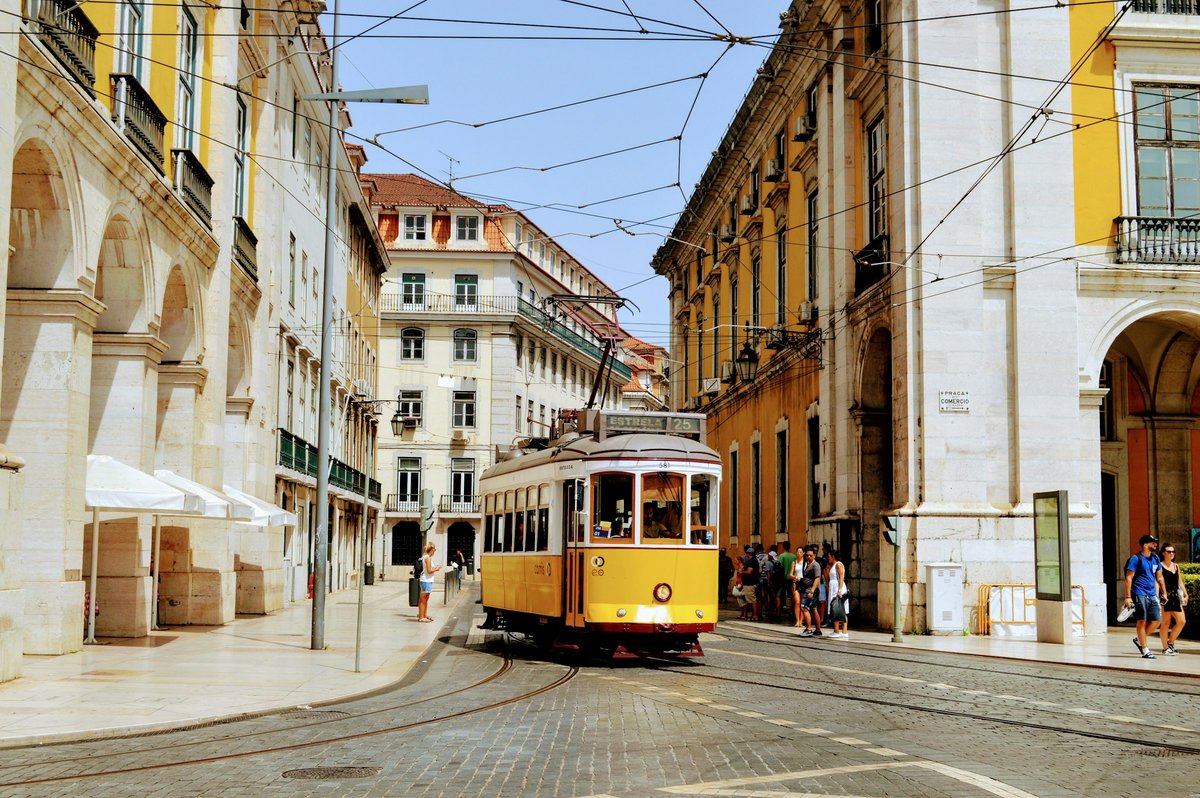
That said, there's a version of Lisbon that only appears when the tourist tide pulls back. Tram 28 still rattles through Graça, but you can get on it. The pastelarias have open tables at 10am. The Castelo queue barely exists. And on November 11, São Martinho arrives: the city fills with the smoky, sweet smell of chestnuts roasting on street-corner braziers while locals pass around água-pé, the cloudy new wine of the season. It's not a spectacle in the way Santos Populares might be, but it's deeply local, the kind of tradition that hasn't been packaged for export.
The honest trade-off: you're getting lower prices, thinner crowds, and a more residential mood in exchange for shorter days and genuine rain. If you need sunshine to enjoy a city, November isn't your month. But if you're the type who'd rather listen to fado in a tiny Mouraria bar with rain tapping the windows than fight for a spot at a miradouro selfie line, this might suit you perfectly.
Why visit in November
- Hotel rates tend to drop significantly from the June–September peak: you'll generally pay well under what summer visitors spend for the same centrally located rooms
- Tram 28, the Castelo de São Jorge, Jerónimos Monastery, and the main miradouros all have dramatically shorter queues: some effectively none on weekday mornings
- São Martinho on November 11 brings roasted chestnuts and new wine to practically every neighborhood, a genuinely local celebration that summer visitors never experience
- The mild temperatures: still averaging 18.5°C (65°F) during the day: make walking the steep hills far more comfortable than the 29°C July heat that leaves you drenched in sweat by Bairro Alto
Worth knowing
- Rain is a real factor: 83mm across roughly ten days means you'll likely lose two or three full days to grey, persistent drizzle with occasional heavier downpours
- Daylight hours shrink noticeably, with sunset arriving before 5:30pm by late November, cutting outdoor sightseeing time short
- Some rooftop terraces and outdoor dining spots at the miradouros either close entirely or feel damp and abandoned, losing the atmosphere that makes them worth visiting
- Web Summit typically occupies the first week of November, temporarily spiking hotel prices and filling restaurants in the Parque das Nações area
Best for
Think twice if
November in Lisbon feels like autumn finally committed. Mornings tend to start cool and often overcast, sometimes clearing to blue skies by midday, sometimes not. The 18.5°C (65°F) average high sounds mild on paper, and it is: pleasant enough for walking in a light jacket when dry. But the 80% humidity makes 12.3°C (54°F) evenings feel chillier than the number suggests, especially when a damp Atlantic breeze pushes through the river corridor. Rain comes in two flavours: a fine, persistent drizzle that can last most of a day, and shorter bursts of proper downpour that clear within an hour. You'll likely see both across your stay. The 83mm monthly total spread across about ten rainy days means roughly every third day gets wet, though November's rain tends to cluster: you might get four dry days followed by three wet ones rather than a neat alternation.
Seasonal caution
- Atlantic low-pressure systems occasionally park over the Iberian coast in November, bringing a full day or more of heavy, sustained rainfall, not dangerous, but enough to flood some lower streets near Cais do Sodré and make the steep calçada cobblestones genuinely treacherous when wet
- Lisbon's famously hilly terrain and polished limestone cobblestones become significantly more slippery in rain: ankle injuries from falls on steep Alfama and Mouraria streets are a real consideration, especially after dark when drainage channels overflow across footpaths
Year-round climate
Averages from the last 5 years.
| Month | Avg high (°C) | Avg low (°C) | Rainfall (mm) |
|---|---|---|---|
| Jan | 15 | 9 | 78 |
| Feb | 17 | 10 | 77 |
| Mar | 18 | 11 | 84 |
| Apr | 20 | 12 | 59 |
| May | 23 | 14 | 18 |
| Jun | 26 | 17 | 22 |
| Jul | 29 | 18 | 3 |
| Aug | 29 | 19 | 0 |
| Sep | 26 | 17 | 48 |
| Oct | 24 | 16 | 91 |
| Nov | 19 | 12 | 83 |
| Dec | 16 | 10 | 110 |
Holidays and festivals in November
Public holidays
- All Saints Day(Dia de Todos-os-Santos)1 November 2026
When is Christmas season in 2026?
27 November to 26 December 2026
Christmas season is a major cultural celebration in Lisbon. In 2026 it runs from 27 November to 26 December 2026.

Lisbon Christmas Lights Tuk-Tuk Tour with Local Guide
- 1 hr
- Free cancellation
- Private tour
- Easy pace
For a full refund, cancel at least 24 hours before the scheduled departure time.

Lisbon's Christmas Lights tour
- 2 hr
- Free cancellation
- Private tour
- Easy pace
For a full refund, cancel at least 24 hours before the scheduled departure time.

Lisbon Private Tour by Tuk Tuk (Christmas Lights)
- 2 hr
- Free cancellation
- Private tour
- Easy pace
For a full refund, cancel at least 24 hours before the scheduled departure time.

Lisbon Christmas Lights Tour in Private Eco Tuk Tuk with a Local
- 1 hr
- Free cancellation
- Private tour
- Easy pace
For a full refund, cancel at least 24 hours before the scheduled departure time.
Best things to do in November
Fado in Mouraria and Alfama
cultureNovember's quiet evenings and cooler air suit fado the way summer never quite does. The small casas de fado in Mouraria (the genre's birthplace) feel intimate rather than cramped when rain keeps the streets empty outside. You'll hear the guitarrada warm up, then a voice that seems to fill the stone walls. Worth noting: the neighbourhood spots tend to be more raw and less rehearsed than the tourist-facing venues in Bairro Alto.
Cooler evenings, thinner crowds, and the melancholic weather match fado's emotional register in a way that sunny July simply cannotBooking tipSmaller Mouraria and Alfama houses fill quickly on weekends even in low season: reserve a day or two ahead for Friday or Saturday nights
Museu Nacional do Azulejo
culturePortugal's tile museum occupies a former convent in Xabregas, slightly east of the tourist core. The collection traces five centuries of azulejo craft, from Moorish geometric patterns through baroque narrative panels to contemporary installations. The building itself (with its gilded church and quiet cloister) rewards a slow visit. On a rainy November morning, you might have entire galleries to yourself.
Rainy days push visitors toward indoor attractions, and November's low crowds mean you can linger without feeling rushed through the galleriesDay trip to Sintra
day_tripSintra's forested hills and misty palaces look genuinely otherworldly in November's low cloud and drizzle. The Palácio da Pena emerging from fog is a different experience entirely from the sun-baked summer version. Mind you, the trails around the Moorish Castle get muddy and slippery, so proper footwear matters. The dense forest canopy drips constantly, filling the air with the wet-earth smell of decaying leaves.
November fog transforms Sintra's palaces into something atmospheric that photographs can barely capture, and the queues at Pena Palace are a fraction of summer's hour-long waitsBooking tipTrain from Rossio runs regularly; arrive early on a weekday to have the palace grounds nearly to yourself
Mercado da Ribeira and Time Out Market
foodThe ground floor of Mercado da Ribeira still operates as a working produce market on weekday mornings: stalls of seasonal fruit, salt cod stacked in wooden boxes, wheels of Serra da Estrela cheese. It's louder and less polished than the food hall upstairs, and that's the point. The November produce is hearty: chestnuts, persimmons, root vegetables, bundles of couve galega destined for caldo verde.
Seasonal autumn produce peaks in November, and the working market floor is far less crowded than during summer tourist seasonWalking Alfama after rain
sightseeingThere's a specific quality to Alfama's streets after a November rain shower: the cobblestones gleam, the azulejo facades look like they've been freshly painted, and the light reflecting off wet surfaces gives the narrow lanes a cinematic glow. The steep staircases and hidden courtyards reward aimless wandering. You'll hear fado drifting from open doorways, smell someone's bacalhau frying, catch laundry dripping from iron balconies above.
Post-rain light transforms the tile facades and cobblestones in ways that dry summer conditions never produce: plus the streets are quiet enough for genuine explorationExploring Belém's museums
cultureThe cluster of cultural institutions in Belém (MAAT, the Berardo Collection, the Coaches Museum, the Monastery) makes for a full day even without the famous pastéis. November's low season means you can move between them at your own pace. MAAT's riverside architecture is striking even under grey skies, and the reflection pools outside catch the moody cloud cover.
Low season means the Jerónimos Monastery and surrounding museums have minimal queues, and the cooler weather makes the waterfront walk from the train pleasant rather than bakingGinjinha tasting in Rossio
foodThe tiny ginjinha bars around Rossio and Largo de São Domingos serve the sour-cherry liqueur that Lisbon claims as its own. November's chill makes the sweet, slightly medicinal warmth of ginjinha feel purposeful rather than indulgent. The bars are standing-room only, barely wider than a doorway: you drink your small glass, chat briefly if the mood strikes, and move on. The whole ritual takes five minutes.
The warming sweetness of ginjinha suits cold November evenings perfectly, and the standing bars around Rossio stay lively year-round regardless of tourist seasonWhat to eat in November
In season: fruit
Tangerinas
Portuguese tangerines hit their stride in November, and you'll see them piled in markets across the city: at Mercado da Ribeira, at the small neighbourhood fruit stalls in Graça and Mouraria. They're smaller and sweeter than what you might be used to, with a fragrance that fills the bag before you've even peeled one.
On menus now
Caldo verde
Portugal's canonical kale and potato soup, made with finely shredded couve galega and slices of chouriço floating on top. It's served year-round, but November is when it makes sense: the kind of dish you want after walking uphill in drizzle. Every neighbourhood tasca has a version, and the quality gap between a good one and a mediocre one is surprisingly wide.
Açorda alentejana
A thick bread soup with garlic, coriander, olive oil, and a poached egg sinking into the middle. It looks rustic (almost sloppy) but the flavour is deep and savoury in a way that catches people off guard. November's cooler evenings make this hearty Alentejo import feel right at home in Lisbon's traditional tascas.
Street food peaks
Castanhas assadas
Roasted chestnuts sold from small charcoal braziers on street corners across the city. The smell is the defining scent of Lisbon in November: sweet, smoky, slightly burnt at the edges. Vendors set up near Rossio, Chiado, and around the main miradouros. They come in paper cones, hot enough to warm your hands before you eat them.
What to drink
Água-pé
The cloudy, slightly fizzy new wine of the season, traditionally drunk on São Martinho (November 11). It's low in alcohol, a touch sweet, and tastes like grape juice that got ideas above its station. Tascas and cervejarias pour it freely around the holiday, and some keep it through the month.
Regular events in November
São MartinhoFree
Lisbon's chestnut festival on November 11: street vendors fire up braziers across the city, and tascas serve água-pé alongside roasted chestnuts. It's not a formal event with a schedule; it's more of a collective mood that settles over the city for a day or two.
November 11Web Summit
One of Europe's largest tech conferences takes over the FIL venue in Parque das Nações, typically in the first full week of November. The conference itself requires a ticket, but the surrounding fringe events, meetups, and pop-up gatherings spill across the eastern waterfront and downtown.
First week of NovemberLisbon & Sintra Film Festival
An independent film festival running since 2007 that screens features, documentaries, and shorts across several Lisbon cinemas. Tends to draw a local crowd rather than an international one, which keeps the atmosphere unhurried and accessible.
Mid to late NovemberAll Saints' Day observancesFree
November 1 is a public holiday in Portugal. While it's not a festive occasion (families visit cemeteries and attend services) it's worth knowing that many shops and some restaurants close for the day. The city has a quieter, more reflective mood.
November 1Best places this November
Castelo de São Jorge
landmarkThe hilltop castle offers some of the best panoramic views of Lisbon and the Tagus. In November, you'll likely share the ramparts with a handful of other visitors rather than the summer crush. On clear days the light is softer and warmer in tone than summer's harsh glare, and on misty mornings the city below looks like a watercolour.
CasteloLX Factory
shoppingA converted industrial complex under the 25 de Abril bridge, home to independent shops, bookstores, design studios, and restaurants. The covered spaces and converted warehouses make it a natural rainy-day destination. The Ler Devagar bookshop alone (built into a former printing press) is worth the trip across town.
AlcântaraMuseu Nacional de Arte Antiga
museumPortugal's national gallery, overlooking the river from a converted palace in Santos. The collection spans medieval religious art through 18th-century decorative arts, anchored by Nuno Gonçalves' Panels of Saint Vincent. It's perpetually undervisited compared to the Belém cluster, and in November you'll often have rooms to yourself.
SantosMiradouro da Graça
viewpointOne of Lisbon's finest viewpoints, looking out across the rooftops toward the castle and the river. In November, the terrace café still operates on dry days, and you can sit without queuing for a table. The light at golden hour (when it appears through the clouds) paints the terracotta rooftops in deep amber.
GraçaOceanário de Lisboa
attractionEurope's largest indoor aquarium sits in the Parque das Nações district and makes a strong rainy-day option. The central tank (a vast open-ocean habitat with sunfish, sharks, and rays circling past) has a hypnotic quality. Worth noting that Web Summit week can make the surrounding area busier than usual.
Parque das NaçõesFeira da Ladra
marketLisbon's flea market spreads across the Campo de Santa Clara square on Tuesdays and Saturdays. November thins out both the vendors and the browsers, which can work in your favour: sellers are more willing to negotiate, and you can browse the tiled tables of vintage azulejos, old records, and bric-a-brac without being jostled.
São VicentePanteão Nacional
landmarkThe domed National Pantheon in the São Vicente neighbourhood offers rooftop views that rival the castle's but with a fraction of the visitors. The interior (all pink marble and echoing space) houses the cenotaphs of Portugal's cultural figures. In November, you might climb to the rooftop terrace and find yourself entirely alone up there.
São Vicente
Your packing checklist
Tick items off as you pack. Your progress saves in this browser.
All packed — have a great trip.
Insider tips
The Tram 28 route is walkable in about 90 minutes and arguably more rewarding on foot in November: you pass through the same neighbourhoods but can duck into churches, courtyards, and pastelarias along the way without waiting for the next tram
Many of Lisbon's best fado houses close on Sundays and Mondays even in peak season: in November, some also close on additional weeknights. Check directly before showing up, especially for the smaller Mouraria venues
The riverside walkway from Cais do Sodré to Belém is one of the city's best walks on a dry November afternoon: the light over the Tagus tends to go golden earlier than in summer, and you'll pass through Santos and Alcântara without the crowds
If São Martinho falls on a weekday, the chestnut vendors set up more modestly: the weekend closest to November 11 often has better atmosphere, with more vendors and a more festive mood in the tascas
The elevator da Bica and Elevador da Glória both run year-round but have no queue in November: ride them for the experience rather than as transport, since the views from the top stations are worth the detour
Avoid these mistakes
- Packing only for mild weather and getting caught in a full day of Atlantic rain without a proper waterproof layer: November's drizzle is persistent enough to soak through a cotton jacket within an hour
- Planning a full outdoor itinerary without indoor backup options: having a museum or market alternative for each day saves the frustration of a rained-out afternoon
- Booking a hotel near Parque das Nações during Web Summit week without realising the conference is happening: the area gets noticeably busier and pricier for those few days
- Wearing smooth-soled shoes on the steep cobblestone streets: this sounds like generic travel advice, but Lisbon's calçada in the rain is genuinely treacherous, and locals will tell you they see tourists slip constantly on the Alfama staircases
- Assuming November daylight matches summer: sunset before 5:30pm means outdoor sightseeing effectively ends by 4:45pm, and some hilltop viewpoints feel exposed and uninviting after dark
Practical tips for November
November's weather in Lisbon rewards flexible planning: build each day around a primary indoor activity with an outdoor option if the morning turns out dry. The Viva Viagem transit card works on metro, buses, trams, and ferries, and is worth loading up since you'll likely use public transport more than in drier months when walking feels easier. Most museums close on Mondays, so plan your museum days around that. Restaurant reservations aren't strictly necessary at most places in November, but the smaller fado houses and popular tascas in Bairro Alto still fill up on Friday and Saturday evenings. Carry a portable phone charger: shorter daylight means more map-checking in dim conditions, and your battery drains faster. The Lisbon airport is close to the city centre, so even a late-afternoon arrival gives you an evening in the city.
FAQ
Is November a good time to visit Lisbon?
It depends on what you're after. November is solidly low season: you'll get shorter queues, lower hotel rates, and a more local atmosphere. The trade-off is real rain (roughly every third day), shorter daylight, and cooler evenings. If you're comfortable with indoor alternatives on wet days and enjoy cities when they feel lived-in rather than performed, November works well. If you need guaranteed sunshine, it's not the right month.
How rainy is Lisbon in November?
Expect about 83mm of rain spread across roughly ten days. That doesn't mean constant drizzle: November rain tends to cluster, so you might get several dry days in a row followed by a stretch of wet ones. The rain varies from fine persistent mist to heavier hour-long downpours. A decent rain jacket and waterproof shoes handle most of it.
What should I wear in Lisbon in November?
Layers work best. A light fleece or sweater for mornings and evenings, a waterproof jacket for rain, and long-sleeve shirts for dry midday walks when the temperature sits comfortably around 18°C. Waterproof shoes with good grip are genuinely important: Lisbon's polished cobblestones on steep hills become slippery when wet.
Is Lisbon busy in November?
No: November is one of the quieter months. Tourist numbers drop noticeably after October, and you'll find shorter queues at popular sites like the Castelo de São Jorge and Jerónimos Monastery. The exception is Web Summit week, usually early November, which fills hotels and restaurants around the Parque das Nações area. Outside that week, the city feels pleasantly uncrowded.
What is São Martinho and should I plan around it?
São Martinho on November 11 is a traditional Portuguese celebration marking Saint Martin's Day. In Lisbon, street vendors set up charcoal braziers and sell roasted chestnuts, while tascas and bars pour água-pé: the cloudy new wine of the season. It's not a grand festival with parades; it's more of a collective neighbourhood tradition. If your dates are flexible, being in Lisbon around November 11 adds a genuine local touch to the trip.
Things to Do in Lisbon in November
 Free cancellation
 True 4Hour Private Tuk Tuk Tour: Discover Lisbon with a Local!
Day trip: 4 hours, free cancellation.
via Viator Free cancellation
 Sintra and Cascais Small-Group Day Trip from Lisbon
Day trip: 8 hours, free cancellation.
via Viator Free cancellation
 Best of Lisbon Small-Group Guided Walking Tour
City tour: free cancellation.
via Viator Free cancellation
 Private Lisbon Sightseeing Tuk-Tuk Tour: Alfama, Belém & More
Day trip: free cancellation.
via Viator Free cancellation
 Small Group Tour to Sintra, Pena Palace, Cabo Roca and Cascais
Day trip: 8 hours, free cancellation.
via Viator Free cancellation
 Three Cities in One Day: Porto, Nazare and Obidos from Lisbon
Day trip: 13 hours, free cancellation.
via ViatorFind a flight to Lisbon
Live fares to Lisbon appear here once cookies are accepted.
Last verified by automated review (v1.7.1) on . What is automated review?