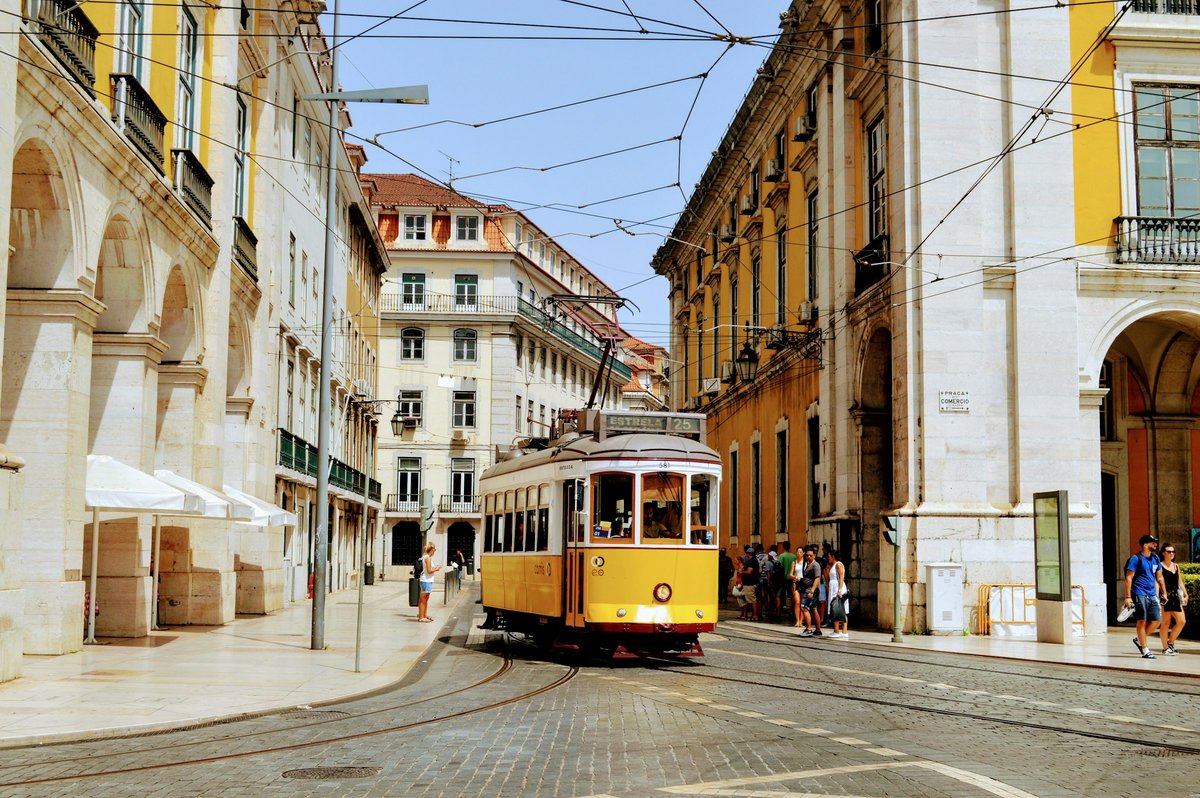
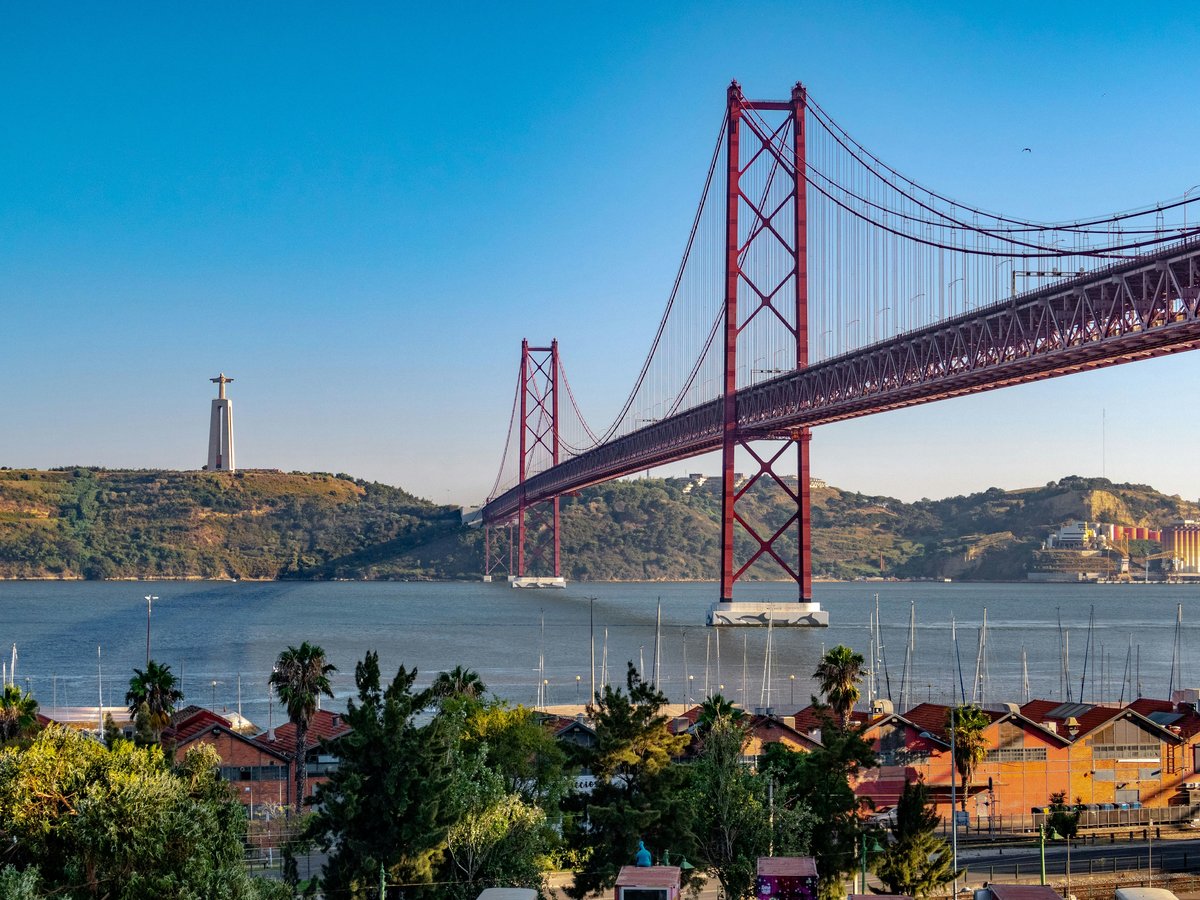
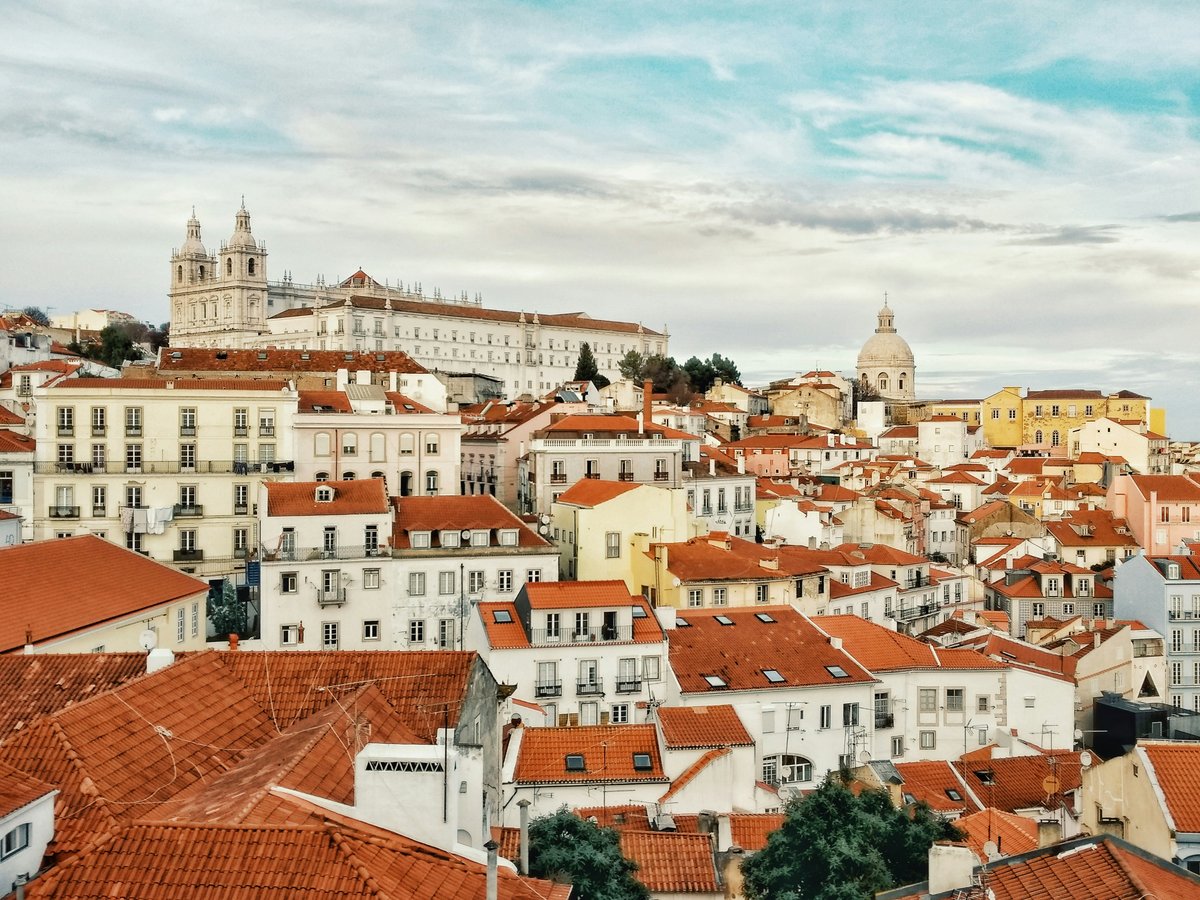
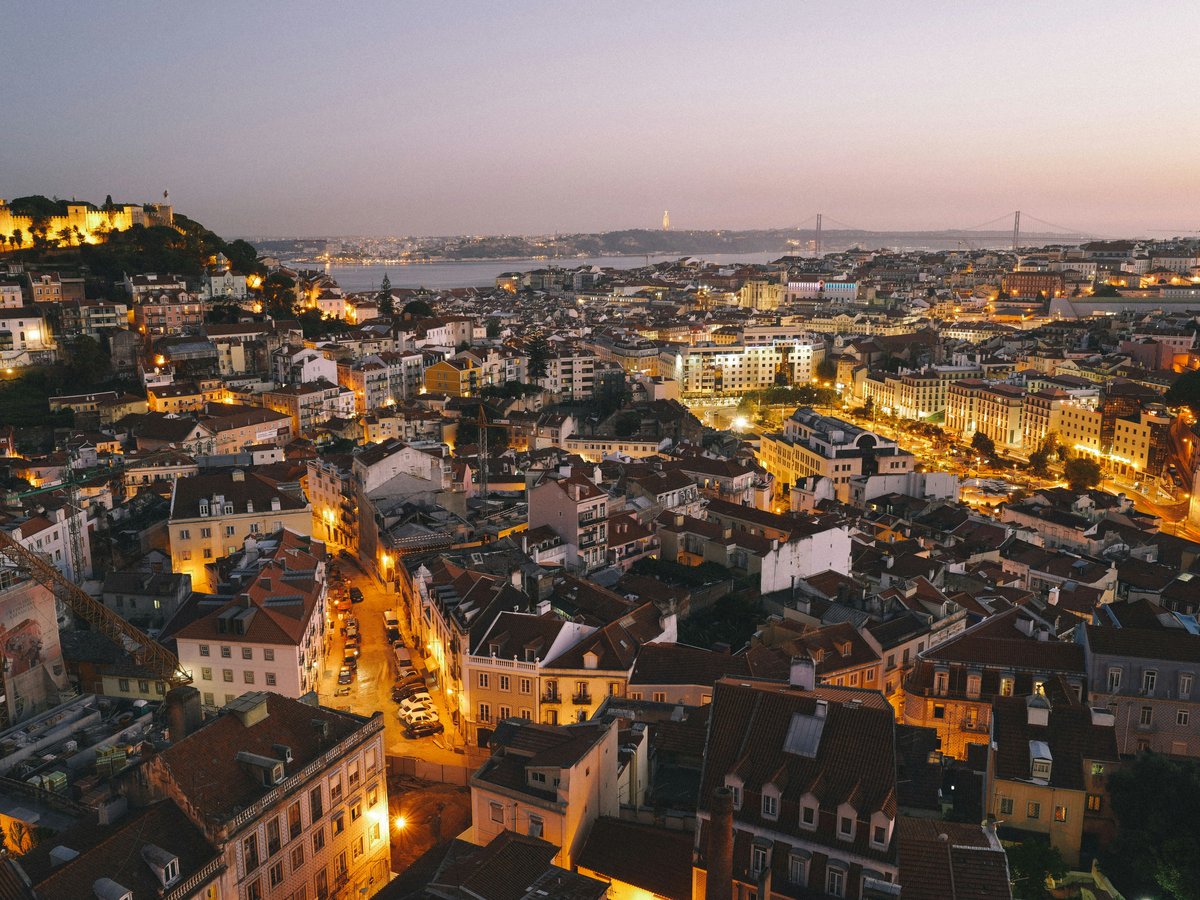
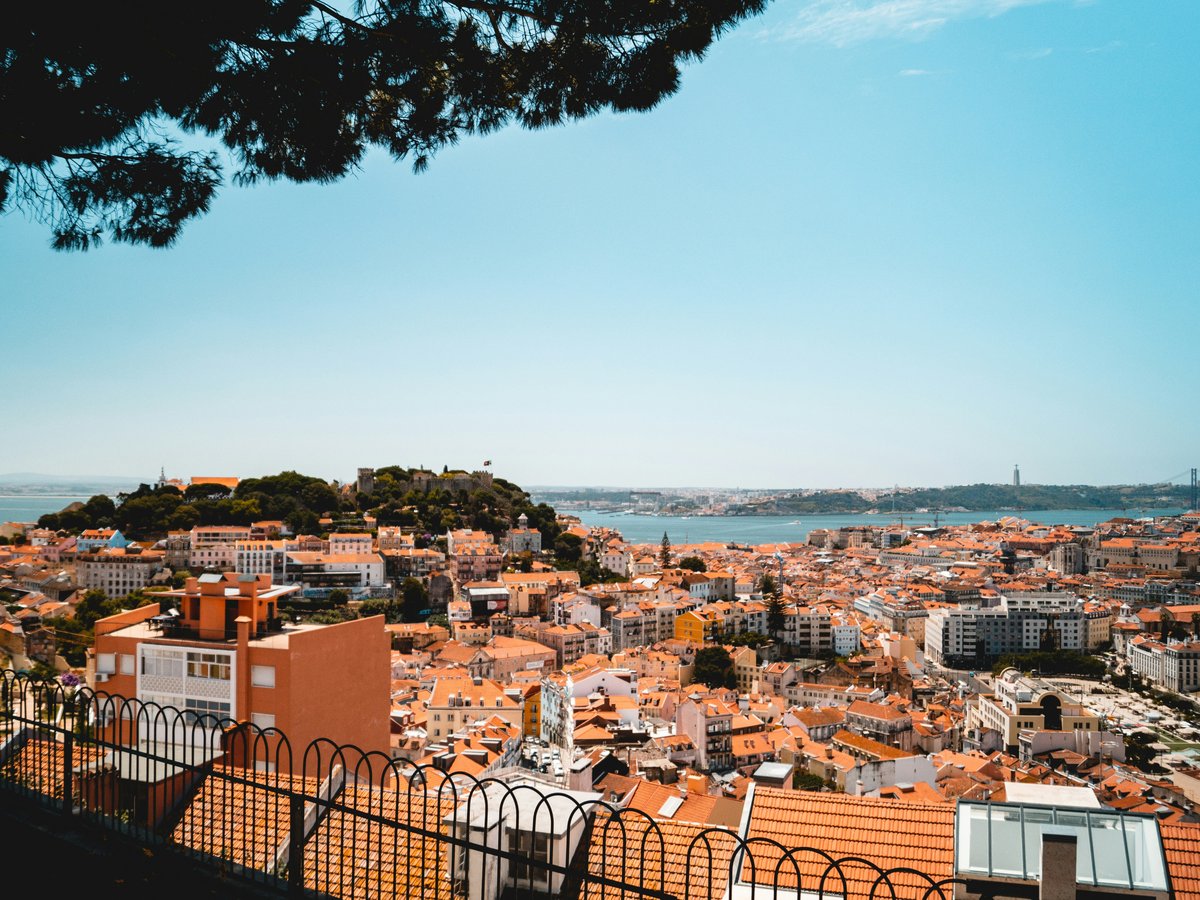
Lisbon sits at the mouth of the Tagus estuary, spread across seven hills that give even a short walk the quality of a workout and a reward: every climb ends in a miradouro with the river below and terracotta rooftops tilting toward the water. It is the westernmost capital in continental Europe, a city of roughly 545,000 that has been continuously settled since at least Phoenician times, making it several centuries older than Rome. The 1755 earthquake levelled much of the medieval centre, and what replaced it in the Baixa district (the grid of wide, rational streets laid out by the Marquis of Pombal) still defines the city's downtown character, a neoclassical order that sits oddly and pleasantly next to the narrow, improvised lanes of Alfama climbing the hill behind it. Alfama is the neighbourhood that survived the quake, and walking through it on a weekday morning you hear fado rehearsals leaking from ground-floor windows, smell grilled sardines from tascas that have not changed their menus in decades, and step around laundry lines strung between buildings four stories up. West along the river, Belém holds the Jerónimos Monastery and the pastéis de nata from the bakery that has been producing them since 1837, and the queue outside it is one of the few tourist clichés that delivers exactly what it promises. Across the centre, the Príncipe Real neighbourhood is where Lisbon's younger residents and its better independent restaurants have concentrated over the past ten years, its anchor the shaded garden with a massive cedar tree that functions as a living canopy over the weekend market. The city runs on Atlantic time, an hour behind Madrid despite sharing a peninsula, and the late afternoon light (flat, golden, bouncing off the Tagus) is what photographers and painters have come for since Turner.
Lisbon in photos
Lisbon right now
Answers about Lisbon
-
Airport to city
Take the Metro Red Line from Lisbon airport directly into the city center: €1.65 per ride plus a €0.50 reloadable Viva Viagem card, roughly 20 minutes to Alameda or Saldanha. Runs 6:30am to 1am. After hours, Uber or Bolt will cost €10-15 to most central neighborhoods. The airport sits just 7km from downtown.
Read the full answer → -
Best time to visit
Mid-September to late October is when we'd send you to Lisbon. Afternoons sit around 22 to 26°C, the Atlantic is at its warmest, rain is still rare, and hotel rates in Baixa and Chiado tend to drop well below their June peak. May comes second. Skip August: the Alfama tops 33°C and the Belém queues can run past an hour.
Read the full answer → -
Cost per day
Lisbon costs €45-50/day ($53-58) at the budget floor. A hostel dorm, three meals at neighborhood tascas, and pay-as-you-go Metro fares fit inside that number. Midrange lands at €110/day ($130) with a 3-star room and one museum entry. Couvert charges and tourist-area restaurant markups are the two drains first-timers miss.
Read the full answer → -
Cultural etiquette
Lisbon runs on small courtesies that visitors often miss. Greet shopkeepers with 'bom dia' before asking for anything. Two-cheek kisses between acquaintances are standard: handshakes for first meetings. Tipping is not expected but rounding up by a euro or two at restaurants is appreciated. Never compare Portugal to Spain or call the language Spanish. Churches require covered shoulders.
Read the full answer → -
Best day trips
Sintra is the obvious first pick: 40 minutes by train from Rossio, palaces set in misty hillside gardens, back by dinner. Cascais works for a slower coastal day when one of you wants to read on a bench while the other explores. Arrábida has the best beaches within reach but needs a rental car. Óbidos and Évora are doable but tighter on time.
Read the full answer → -
Digital nomads
Lisbon scores 8.6/10 for digital-nomad suitability (sourced from TTDI's editorial rubric). Fibre runs 200-500 Mbps in post-2018 apartments, coworking hot-desks start around €225/month, and the D8 Digital Nomad Visa (launched October 2022) covers stays beyond 90 days. Monthly all-in runs about $2,500. It loses points for summer rent inflation and afternoon cafe noise in tourist-facing neighborhoods.
Read the full answer → -
Family-friendly
Lisbon is genuinely family-friendly, with hills and cobblestones as the main caveat. Parque das Nações is the flat, stroller-safe hub with the Oceanário and interactive science center. Belém works well for half-days. Avoid Alfama with wheels. Portuguese restaurants welcome kids warmly, and pastéis de nata solve most meltdowns.
Read the full answer → -
Food culture
Lisbon's food culture runs on salt cod, charcoal-grilled sardines, and custard tarts eaten standing up. Lunch hits around 1pm; dinner rarely before 8:30. The best meals are in tascas: small, family-run spots in Mouraria and Alfama where the menu is whatever the cook decided that morning. Eat where the tile walls are cracked and the wine comes in a jug.
Read the full answer → -
Getting around
Metro for distances, Bolt for hills, walking shoes for everything in between. Lisbon's four metro lines cover the flat modern city well, but the historic center is all steep cobblestone where no train goes. Load a Viva Viagem card with zapping credit at any station: it scans on metro, bus, tram, and ferry for €1.65 per trip.
Read the full answer → -
How to get there
Lisbon's Humberto Delgado Airport (LIS) sits just 7 km north of downtown: one of Europe's shortest airport-to-city-center distances. Direct flights connect from the US East Coast (7 hours on TAP, United, Delta), London (under 3 hours), and most European capitals. November through March is the cheap window, with transatlantic round-trips dropping to $550–700.
Read the full answer → -
Is it safe?
Yes. TTDI rates Lisbon 8.2/10 for solo-traveler safety (see the TTDI Solo-Safety Index), and violent crime against visitors is rare. What you are more likely to run into are pickpockets on packed trams, fake-drug sellers downtown, slick pavements on steep hills and rowdy late-night crowds at Cais do Sodré. Dial 112 for police, fire or ambulance.
Read the full answer → -
Language basics
European Portuguese (not Brazilian) with a distinctive closed-mouth delivery that sounds closer to Slavic languages than to Spanish. English proficiency in Baixa, Chiado, and Belém sits around 7/10 for under-40s working in hospitality; drops to 3/10 among older residents in residential Graça or Mouraria. The Latin script means you can read signs and menus without trouble.
Read the full answer → -
Layover guide
Yes, with 6 hours or more. Humberto Delgado Airport sits inside Lisbon proper, and the metro reaches the center in under half an hour. Schengen passport holders skip immigration entirely. On 6-8 hours, Praça do Comércio and the Alfama climb to Lisbon Cathedral fit comfortably. Budget the extra time for Belém if your connection runs past 8 hours.
Read the full answer → -
LGBTQ-friendly
Lisbon scores 9/10. Portugal legalized same-sex marriage in 2010 and adoption in 2016, with broad anti-discrimination protections. Príncipe Real is the queer neighborhood: Trumps nightclub, daytime cafés under old trees, and Lisbon Pride every June from Marquês de Pombal to Terreiro do Paço. Same-sex couples walk hand-in-hand through the center without drawing attention.
Read the full answer → -
Where locals go
Lisbon locals shop at Mercado de Arroios and Mercado de Campo de Ourique on weekday mornings, study at Biblioteca Palácio Galveias, and eat lunch on the Gulbenkian lawns. On Sundays they gather at the Jardim da Estrela kiosk. From Thursday to Saturday they drink at Casa Independente on Largo do Intendente, and on Fridays they head to the Marvila taprooms east along the Tagus.
Read the full answer → -
Must-see
Jerónimos Monastery in Belém, not the castle. São Jorge has the views everyone photographs, but Jerónimos is where Lisbon's identity as a maritime power becomes physical: 500-year-old limestone columns carved to look like ropes, coral, and sea creatures, all paid for with spice-trade wealth. Go at 10am Tuesday through Saturday. Tickets €10.
Read the full answer → -
Running routes
Lisbon's runnable ground follows the Tagus river, not the hills. Three 5K loops hold the flat waterfront near Belém with zero major-road crossings on any of them. Both 10K options start from Jardim Zamenhof and push onto city streets. Run the river before 08:00 when the promenade is cool and almost empty.
Read the full answer → -
Solo travel
Lisbon scores 8.2/10 for solo-traveler safety (see the TTDI Solo-Safety Index) and might be the easiest European capital for a first solo trip. The metro runs until 1am, private rooms without a single supplement start under €50 in Mouraria, and Portuguese cervejaria culture means no restaurant will blink at a party of one.
Read the full answer → -
This week
Lisbon's week turns on heat and habit. Monday closes most national museums. Feira da Ladra flea market fills Campo de Santa Clara on Tuesdays and Saturdays. Fado in Alfama peaks Thursday through Saturday night. The Atlantic Nortada wind cools afternoons from scorching to comfortable within an hour. Sunset fills the miradouros nightly, with the best light on the 7 hills falling after 8:30pm.
Read the full answer → -
3-day itinerary
Day 1 covers Alfama and the castle on foot: arrive at the Sé by 8:30 AM before tour groups fill the nave. Day 2 takes the train west to Belém for the Jerónimos monastery and the original pastéis de nata. Day 3 is Chiado, Príncipe Real, and Bairro Alto, ending with fado. About 20 kilometres of walking total, with steep hills on days 1 and 3.
Read the full answer → -
What to avoid
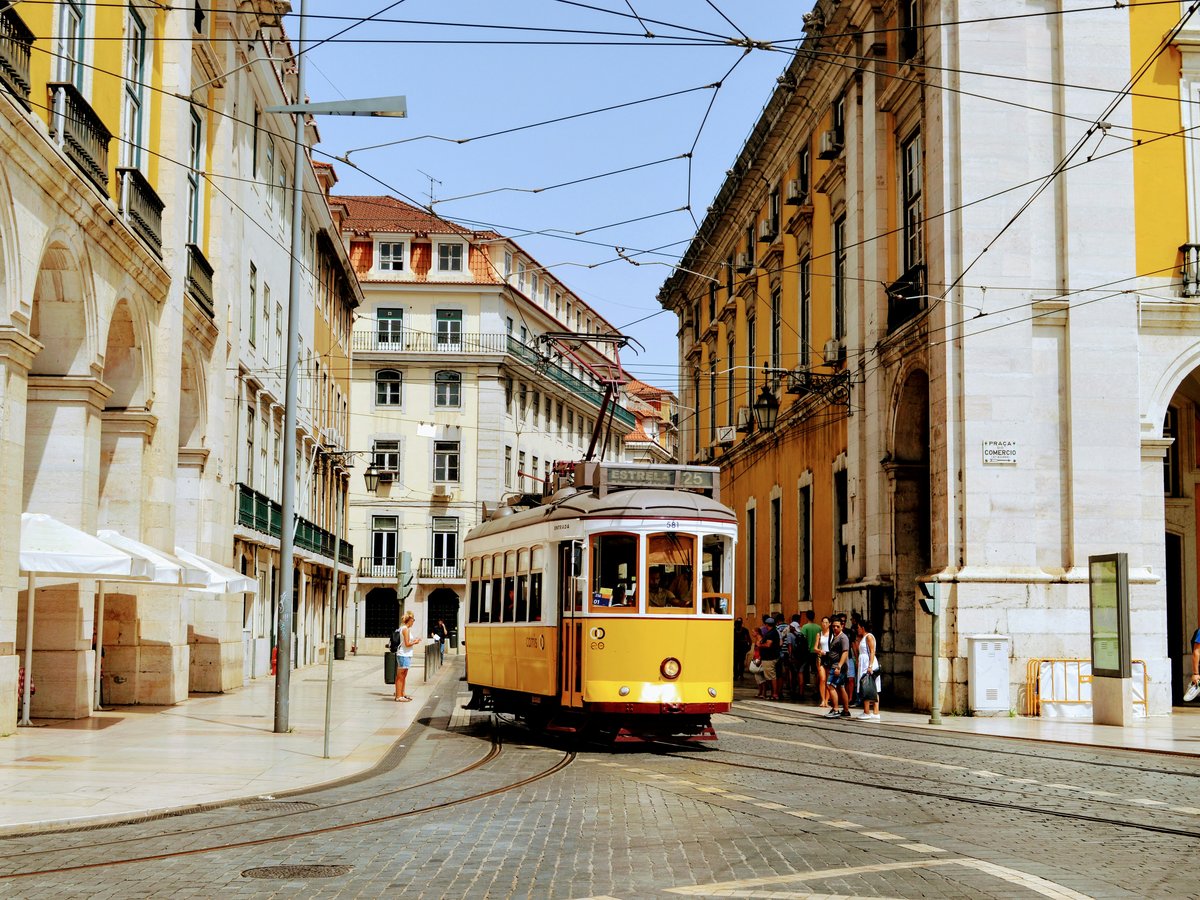
Skip Tram 28 between 10am and 5pm (pickpocket teams work the boarding crush between Martim Moniz and the Sé), skip laminated-menu restaurants on Rua Augusta, and never eat the couvert bread and olives without asking the price. The Belém waterfront sights sell out by 11am on weekends, so book timed entry or go Tuesday morning.
Read the full answer → -
What to pack
Broken-in shoes with grip: Lisbon's calçada portuguesa cobblestones are polished smooth and turn slick in any rain. Pack layers for 15–28°C swings between shaded alleys and sun-blasted miradouros, a crossbody bag for Tram 28 pickpocket territory, and a 230V Type F adapter. Skip the umbrella: buy one at any Continente for €3.
Read the full answer → -
Where to stay
Baixa-Chiado for first-timers: flat streets, Metro access at Baixa-Chiado station, and you're ten minutes on foot from both Rossio and the Tagus waterfront. Budget €80–140 for a decent hotel; €150–250 for a renovated apartment with a river view. Alfama has the atmosphere but the cobblestone hills will punish your suitcase on arrival day.
Read the full answer →
Deep guides for Lisbon
Curated lists for Lisbon
accommodation
-
Best boutique hotels
Lisbon's neighborhoods differ more by altitude and transit line than by distance, and where you sleep determines whether your mornings start with cobblestone climbs or waterfront flats. The historic core clusters around Baixa's pedestrian grid and the Old Town's Alfama slopes, where tram lines and miradouro views set the tone. North of the center, business corridors like Campolide and Entrecampos trade atmosphere for metro convenience and lower nightly rates. East along the Tagus, the Parque das Nacoes waterfront delivers modern infrastructure and convention-district scale, while Olivais serves the airport corridor and little else. Mid-range rates span from $101 at the residential fringe to $195 on the Nacoes waterfront, and review scores stay tight across that range, most sitting between 8.6 and 9.3. The useful question is not which neighborhood is best, but which one matches the trip: first-timers and fado seekers belong in Baixa or the Old Town, transit-focused travelers benefit from the northern metro corridor, and convention or aquarium visitors land naturally at Parque das Nacoes.
See the picks → -
Best hostels
Lisbon's hostel scene spreads across four distinct pockets, each with its own pace and price floor. The grid streets of Baixa put you at the center of the transit web, where trams and metro lines converge beneath the Arco da Rua Augusta. West along the river, Belém trades density for breathing room and monument-scale open space. The Old Town climbs the hills above Baixa in narrow lanes where laundry lines cross between buildings and fado bars stay open past midnight. Ratings across all four areas sit above 8.5 on Trip.com, and nightly prices for a hostel bed start under $20 in the densest quarters. The differences are not about quality; they are about what you want outside your door. Pick Baixa for flat walking and fast connections, the Old Town for atmosphere and altitude, or Belém for the quiet end of the waterfront. Each area below names a specific hostel that anchors the budget tier, with its rating and price, so you can compare the floor before you compare the rooms.
See the picks → -

Best luxury hotels
Lisbon's luxury hotel tier concentrates in the Baixa district, where the city's grid meets the slope toward the Tagus. The properties split into two camps: converted palaces that wear their history without apology, and contemporary builds that lead with rooftop pools and design-forward interiors. Both sit within the same walkable core, which means the address alone never separates them; the real question is what happens inside the building after you check in. Nightly rates span a wide range, guest ratings cluster toward the top of the scale, and the gap between good and exceptional is narrow but real. The 12 properties below are ranked by specificity of character: how much of the building's identity you could not replicate by booking its neighbor. Every fact is sourced and cited. Every opinion is ours.
See the picks → -
Where to stay
Lisbon stacks its neighborhoods on steep hillsides and a broad riverfront, and where you sleep determines whether you walk downhill to tile-fronted churches or ride the metro to a waterfront expo park. The city's hotel inventory clusters hardest in the Baixa grid, the flat, walkable rectangle between Rossio and the Tagus, but the price spread runs wide enough that a $19 hostel bed and a $456 suite share the same postal code. Beyond the center, the old town's winding Alfama lanes and the Lapa ridge offer a quieter version of the city, while Parque das Nações trades history for modern towers and a direct rail line to the airport. Neighborhoods like Campolide and Entrecampos sit on the metro but outside the tourist radius, which keeps rates honest. Belém stretches west along the river toward the monastery and the pastéis, and Alcântara fills a former industrial waterfront between the two. The practical question is not which neighborhood has the best hotels, but which one puts the version of Lisbon you came for within walking distance of your door.
See the picks →
attractions
-
Best free attractions
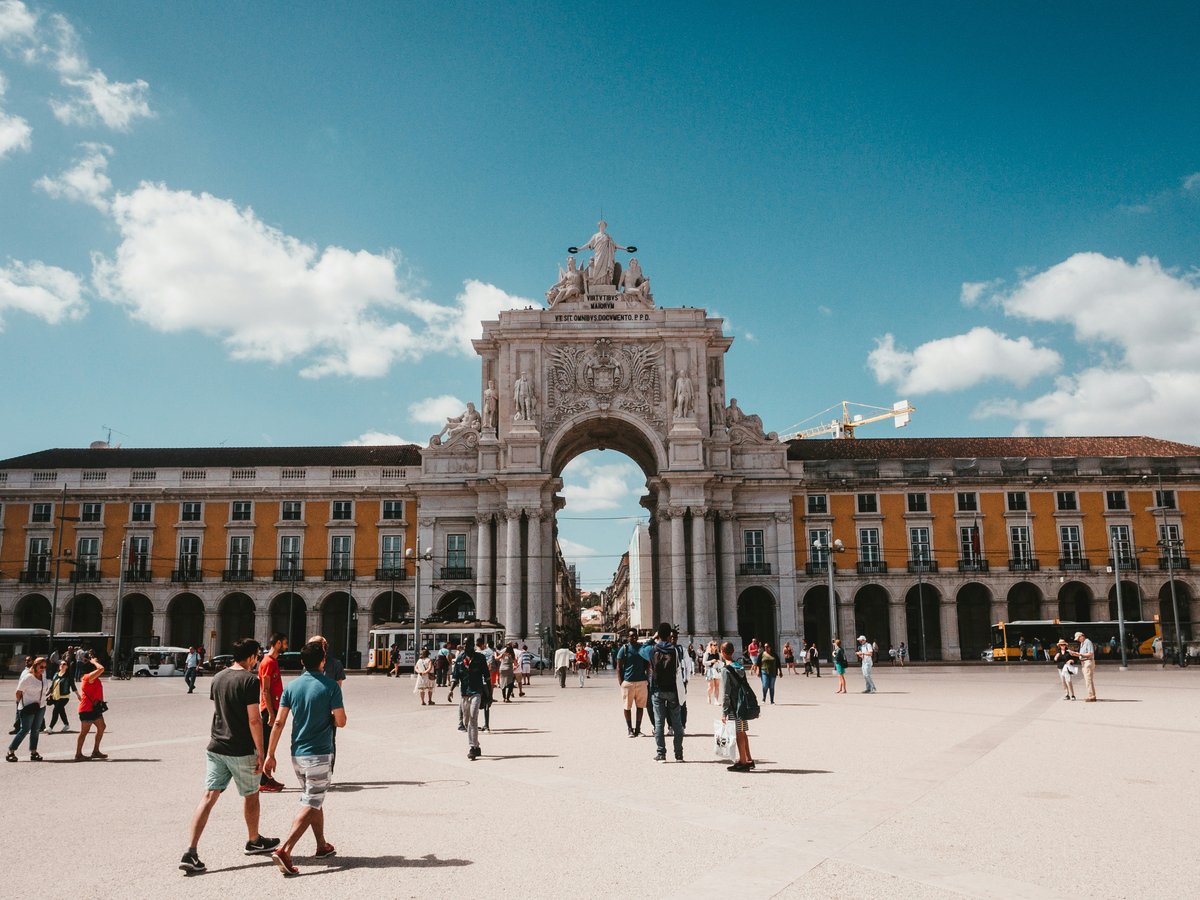
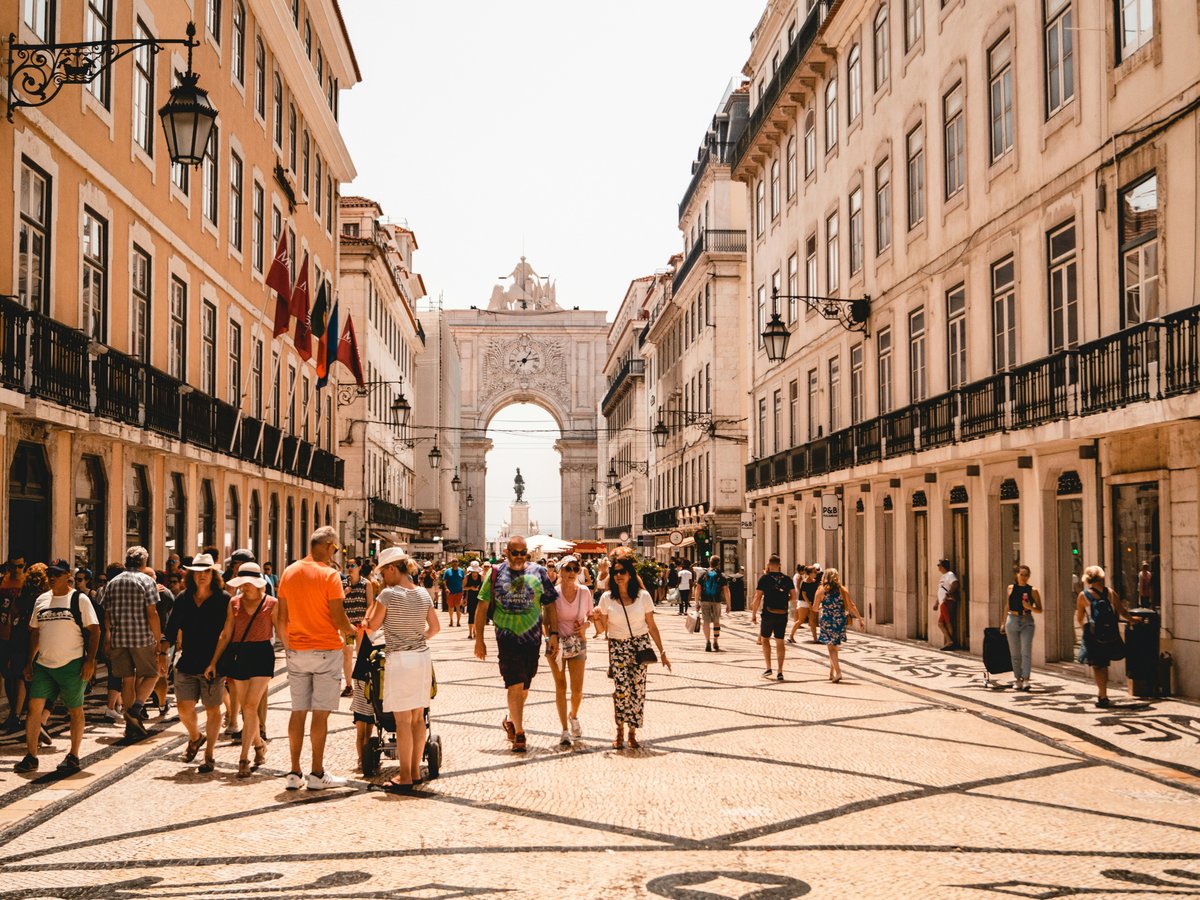
Lisbon gives a great deal away to anyone willing to walk, and this list is built for that walker: someone with time, good shoes and no wish to spend a morning in a queue. It leans toward the city's open squares and green spaces, because those are where public life plays out in the open, and seven squares appear here in consequence, from Praça do Comércio, a National Monument of Portugal, to Praça de Espanha. Five parks and gardens join them, among them a botanical garden dating from 1878 and a tropical garden that carries the same National Monument designation. The squares ask nothing of you but your attention. The gardens keep hours, and the winter timetable cuts the day short: the Jardim Botânico de Lisboa closes at 17:00 between 1 October and 31 March, so check the times given below before you set out. Where a place has no street number, we give the map coordinates instead: type them into your phone and you will arrive exactly where we mean.
See the picks → -
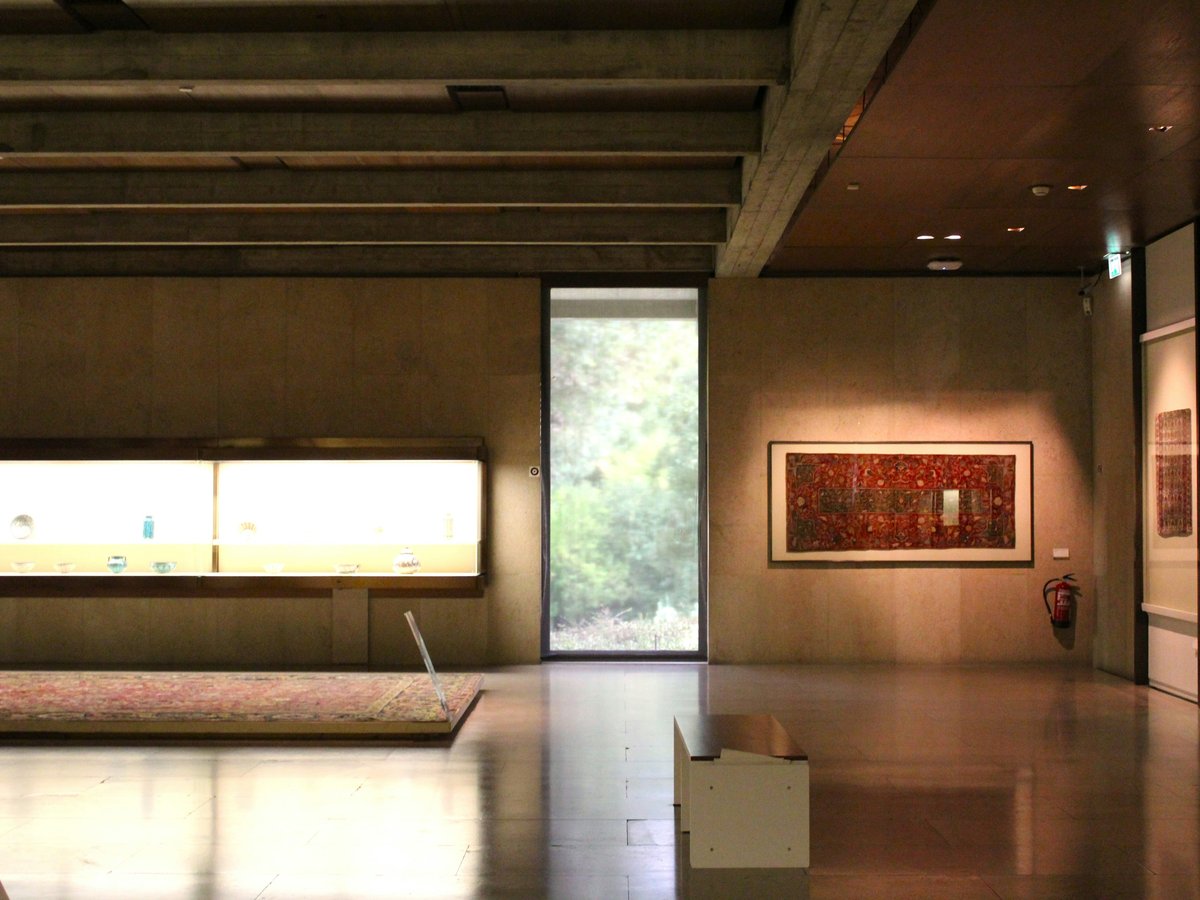
Best museums
Lisbon's museums span large national collections and houses built for contemporary work, and this list covers both ends of that range. The oldest institution here, the National Museum of Ancient Art, dates from 1884, while the youngest, the Museum of Art, Architecture and Technology, opened in 2016. Between them you will find tiles, carriages, the navy, archaeology, and a museum given over entirely to Fado music. One entry sits outside the city: Quinta da Regaleira is a heritage estate near Sintra, and it earns its place here because the trip is worth making. Many of the state museums keep a Tuesday-to-Sunday week from 10:00 to 18:00, so plan your days around that before you find yourself at a locked door. We put this together for visitors who would rather give two hours to one collection than twenty minutes to six, and for anyone who wants to know when a place is open before walking across town to get there.
See the picks → -
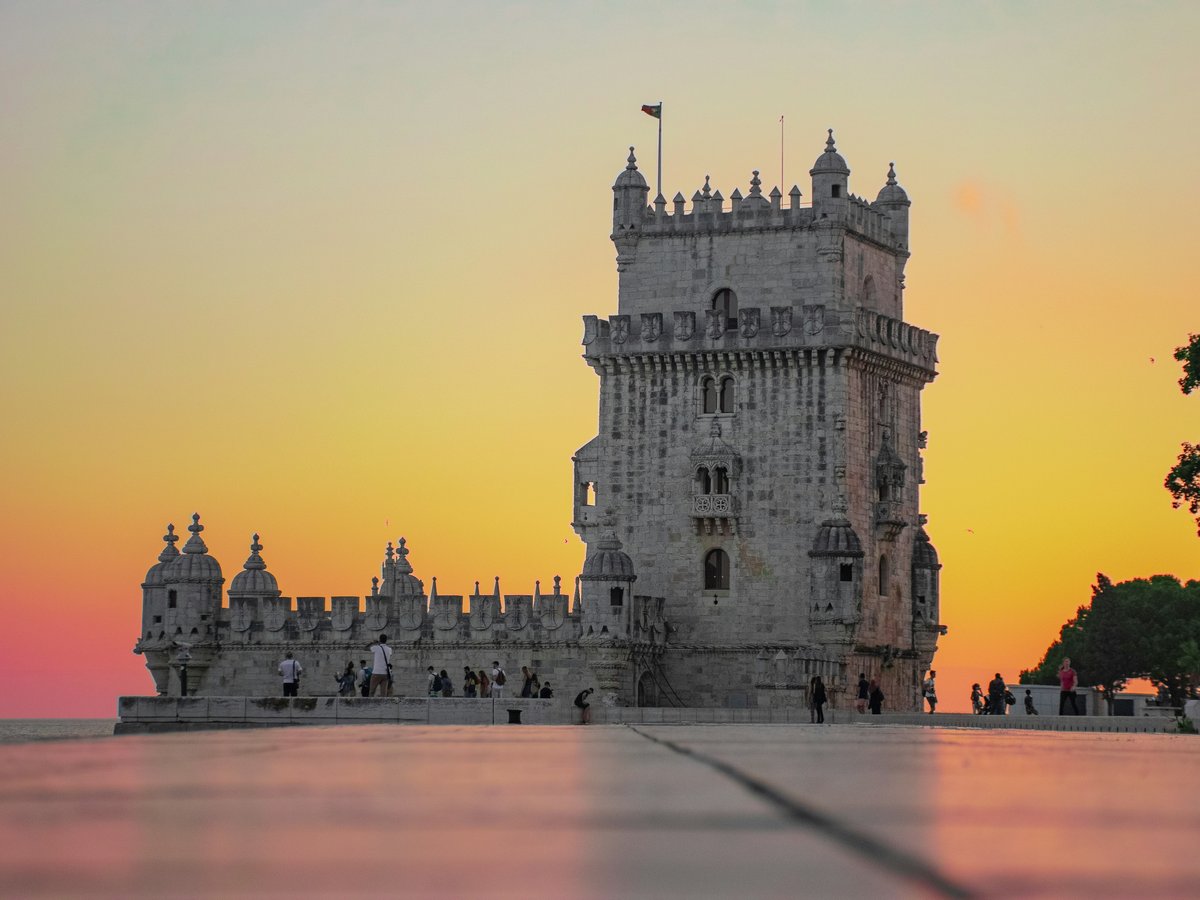
Must-see attractions
Lisbon's essential sights span eight centuries, and this list follows that whole arc rather than the postcard version, opening with a cathedral dating from 1150 and closing with a tower dating from 1998. Between those points you get a Moorish castle, a fortified tower within a UNESCO World Heritage Site, an opera house dating from 1793, and a historic aqueduct. One entry, Pena Palace, sits outside the city in Sintra, but it earns its place here because few visitors to Lisbon skip it, and they shouldn't. We've put this together for the traveler who wants the important places in a sensible order, with the hours that decide a day. Several of them close on Mondays, so the hours below matter more than any ranking. Read each entry for the detail that changes your plan: when to arrive, what to check first, and what to ignore. The famous names are here because they deserve to be. The less obvious ones are here because a city is more than its oldest stones.
See the picks →
food
-
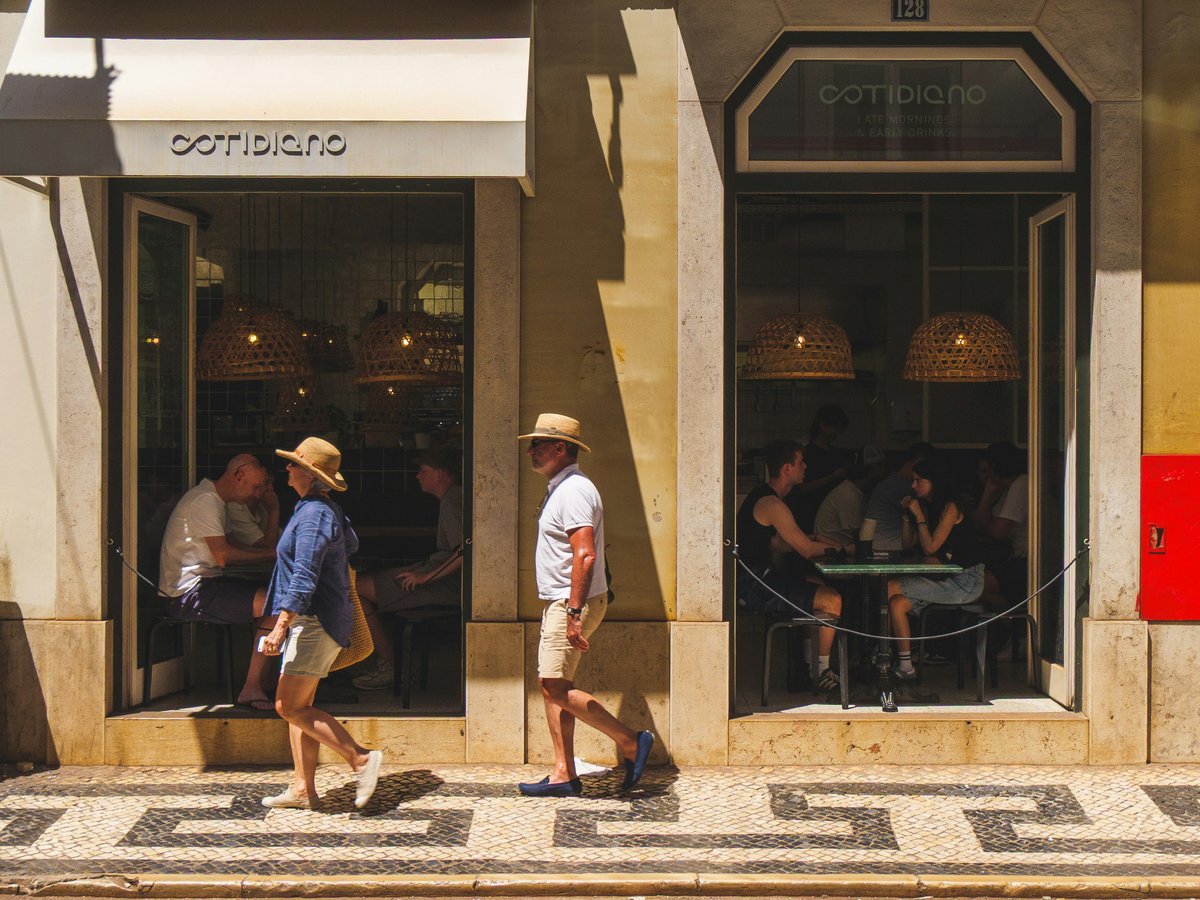
Best cafes
Lisbon's cafe map is not one thing. It is a bagel counter in Estefânia, a Danish roastery on the tram-scraped stones of Alfama, a brunch room off Príncipe Real, a French bakery on Rua Augusta, a cereal-and-pancake room in Bairro Alto, and a handful of local pastelaria-adjacent kitchens that open at 06:00 and do not close until the trams stop. What follows is a working list for a visitor who wants to eat and drink where the day happens, not where a guidebook told a coach to stop. Skip the queue-photograph cafes on the tourist axes; the coffee is better two streets over and the room is quieter. The addresses below cluster in Bairro Alto, Chiado, Estefânia and Alfama, with one outlier at Rua Augusta for a reason. Read the hours: a Lisbon cafe that closes at 15:00 on a Sunday is a cafe for the neighbourhood, not the itinerary. Come hungry, come early, and order a second coffee.
See the picks → -
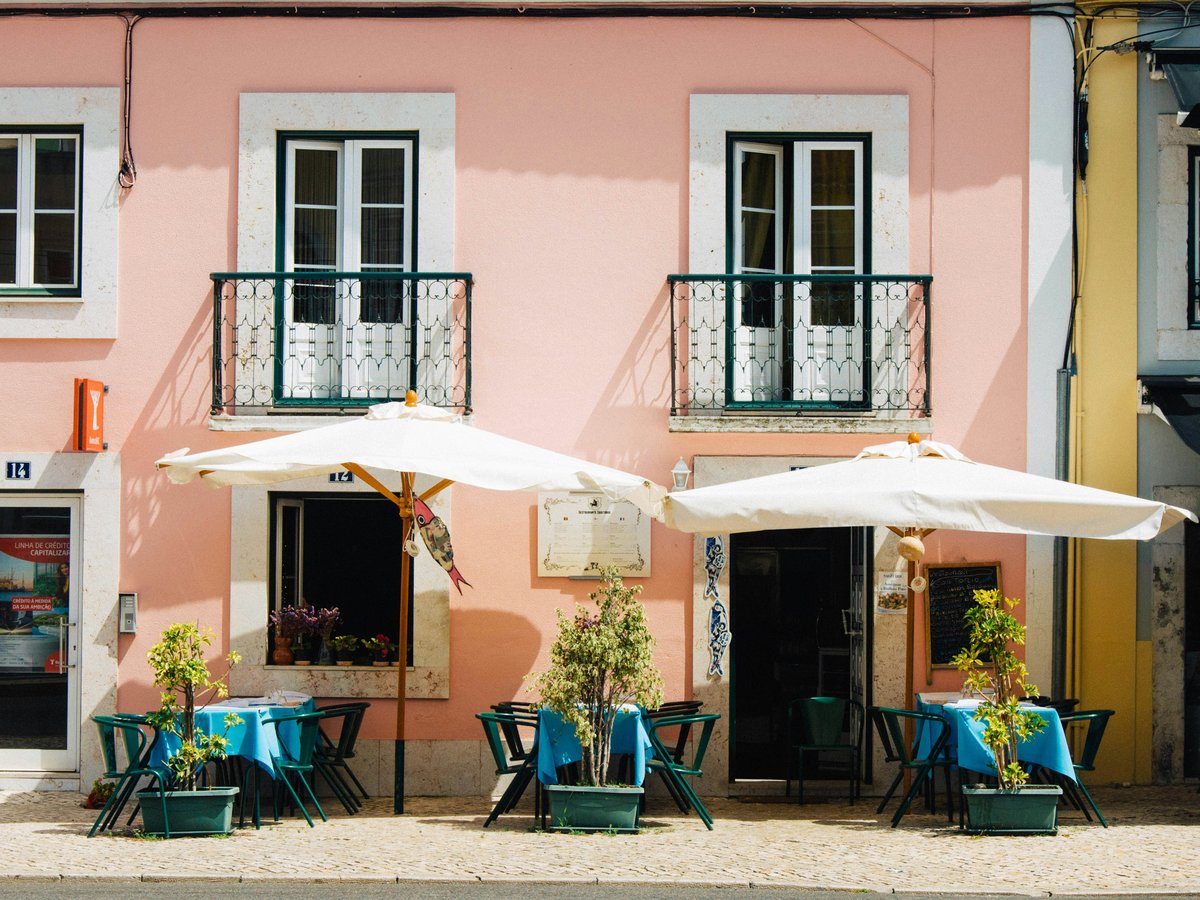
Best restaurants
Lisbon eats late, eats slowly, and rewards the visitor who wanders off the tram-line tourist trail. The twelve restaurants below sit almost entirely in the tight grid of streets running north from Avenida da Liberdade through Anjos and Arroios: a working part of town where lunch service still starts at 12:00 and the room fills with people who work nearby. The list is deliberately un-Instagrammed: a vegetarian dining room that has quietly held its ground for decades, an Ethiopian-Lebanese counter run out of a corner on Rua dos Anjos, a seafood cervejaria whose queue is its menu, and a scatter of small Portuguese, Asian and Levantine kitchens whose only shared trait is that locals book them. Skip the pastel-de-nata queues on Rua Augusta and the fado-with-dinner tourist traps; the cooking that argues for Lisbon happens uphill, in rooms that seat forty and answer their own phone. Every address, hour and telephone number below is cited to the bundle; the opinions are the editor's.
See the picks →
Browse by traveler type
- For foodies
Lisbon for foodies
- For families with kids
Lisbon for families
- For digital nomads
Lisbon for digital nomads
- For solo travelers
Lisbon for solo travelers
- For couples
Lisbon for couples
- For budget travelers
Lisbon on a budget
- For luxury travelers
Lisbon for luxury travelers
- For first-timers
Lisbon for first-time visitors
Book experiences in Lisbon
 Free cancellation
 True 4Hour Private Tuk Tuk Tour: Discover Lisbon with a Local!
Day trip: 4 hours, free cancellation.
via Viator Free cancellation
 Sintra and Cascais Small-Group Day Trip from Lisbon
Day trip: 8 hours, free cancellation.
via Viator Free cancellation
 Best of Lisbon Small-Group Guided Walking Tour
City tour: free cancellation.
via Viator Free cancellation
 Private Lisbon Sightseeing Tuk-Tuk Tour: Alfama, Belém & More
Day trip: free cancellation.
via Viator Free cancellation
 Small Group Tour to Sintra, Pena Palace, Cabo Roca and Cascais
Day trip: 8 hours, free cancellation.
via Viator Free cancellation
 Lisbon Highlights: Private Tuk Tuk Tour Adventure Sightseeing
Day trip: free cancellation.
via Viator Free cancellation
 Porto, Nazaré & Óbidos in One Day: Full-Day Tour from Lisbon
Day trip: 13 hours, free cancellation.
via Viator Free cancellation
 Guided Tour to Sintra, Pena, Regaleira, Cabo da Roca and Cascais
City tour: 10 hours, free cancellation.
via Viator Free cancellation
 Sintra to Cascais : 2 Palaces, 7 Sites, Small Group 10 Hour Tour
Day trip: 10 hours, free cancellation.
via Viator Free cancellation
 Fátima, Nazaré and Óbidos Small-Group Day Trip from Lisbon
Day trip: 9 hours, free cancellation.
via Viator Free cancellation
 2 Hour Lisbon Sunset and Wine Sailing Tour
Cruise: 2 hours, free cancellation.
via Viator Free cancellation
 Sintra, Pena Palace, Regaleira, Cabo Roca, Cascais, Small-group
Day trip: free cancellation.
via ViatorBrowse by interest
Compare Lisbon with
Find a flight to Lisbon
Live fares to Lisbon appear here once cookies are accepted.
Last verified by automated review (v1.7.1) on . What is automated review?