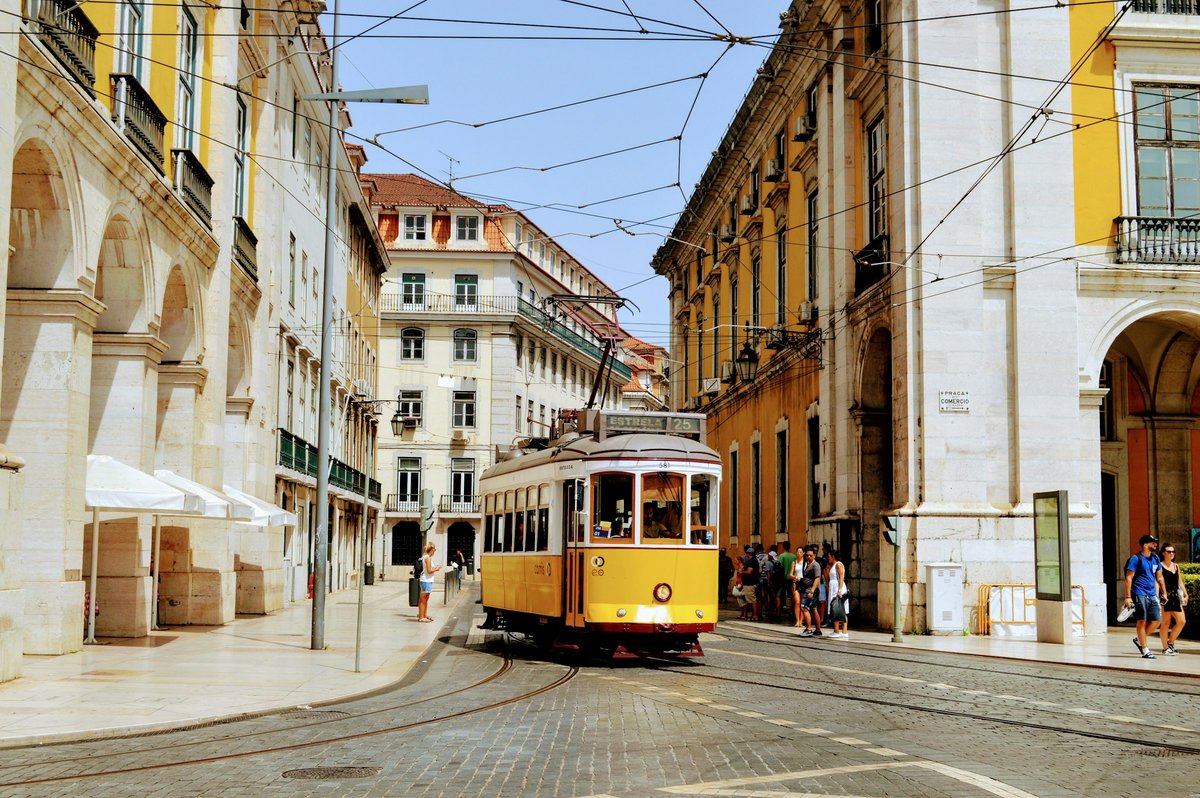
Lisbon's museums are not organised for a single afternoon or a single audience. The city holds one of Europe's most complete private art collections a short walk from a state museum of pre-modern European painting, and both sit within a taxi ride of a house dedicated to a single sung art form. What follows is 12 museums arranged by weight of collection and singularity of subject, from the Calouste Gulbenkian at Avenida de Berna 45A to the film archive on the same axis of the city. The list favours institutions with a defined argument: tile, fado, Portugal's long conversation with China. Some sit in the centre, near the Rua Augusta axis; one is across the estuary in Barreiro, and earns the ferry ride. Skip the reflex of ticking off only the headline names; the smaller specialist rooms often pay back the hour more honestly. Every address, phone number and website below is drawn from the venue's own record, and every factual claim carries a citation you can check.
-
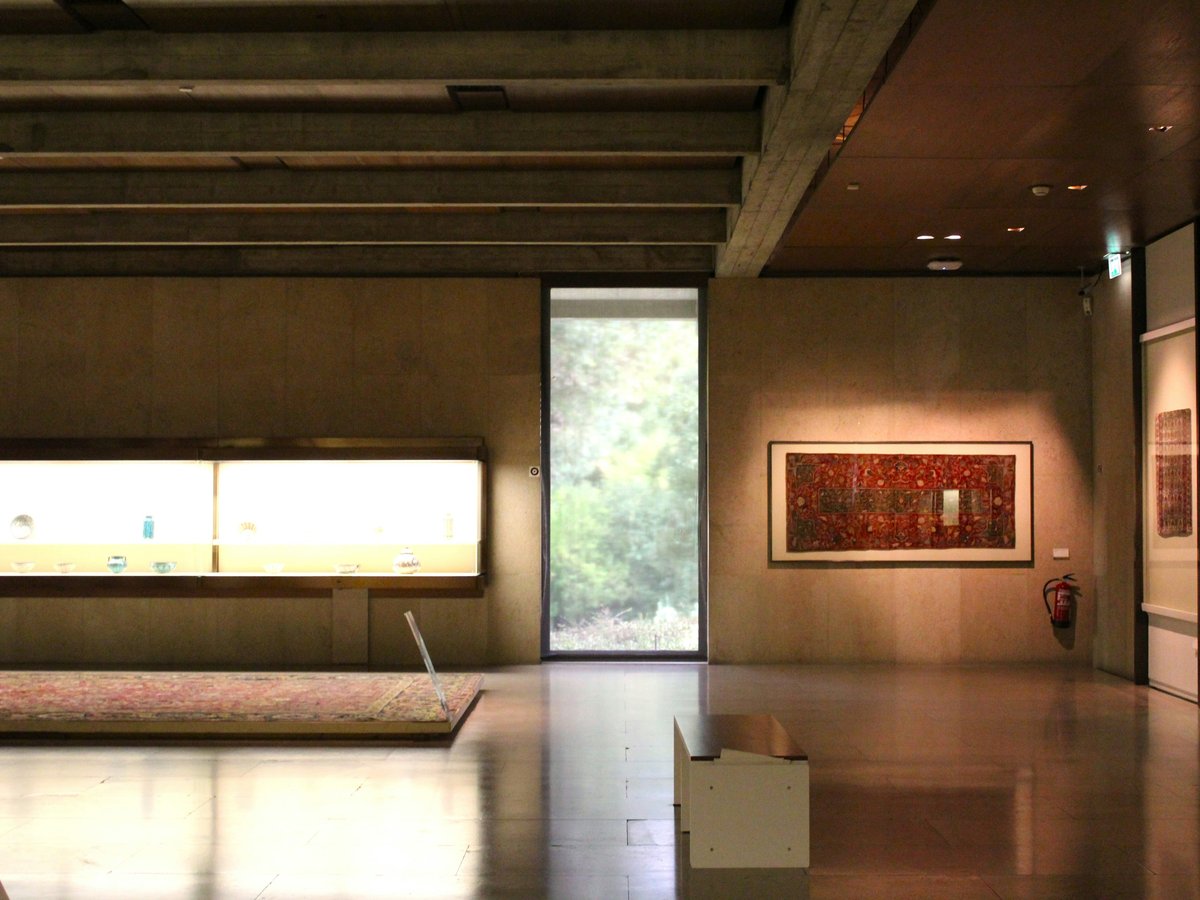
1 Calouste Gulbenkian Museum
Avenida de Berna 45AOne of the great single-collector art museums in Europe, held together as its founder assembled it
At Avenida de Berna 45A, the Calouste Gulbenkian Museum sits at 38.7367, -9.1542 on the city's grid, an art museum in Lisbon that reads as one person's argument about beauty. Skip the impulse to treat this as a single-hour visit; the collection rewards two, and the garden between the rooms is part of the case. The house line, +351 21 782 3000, connects to a switchboard that knows its own schedule, and the official record at gulbenkian.pt/museu/ is the one to check before you go. Do not skim: the ticket is small, the rooms are quiet, and the Wikidata anchor Q211262 confirms the entity you are looking at is exactly this museum and not a namesake elsewhere.
-
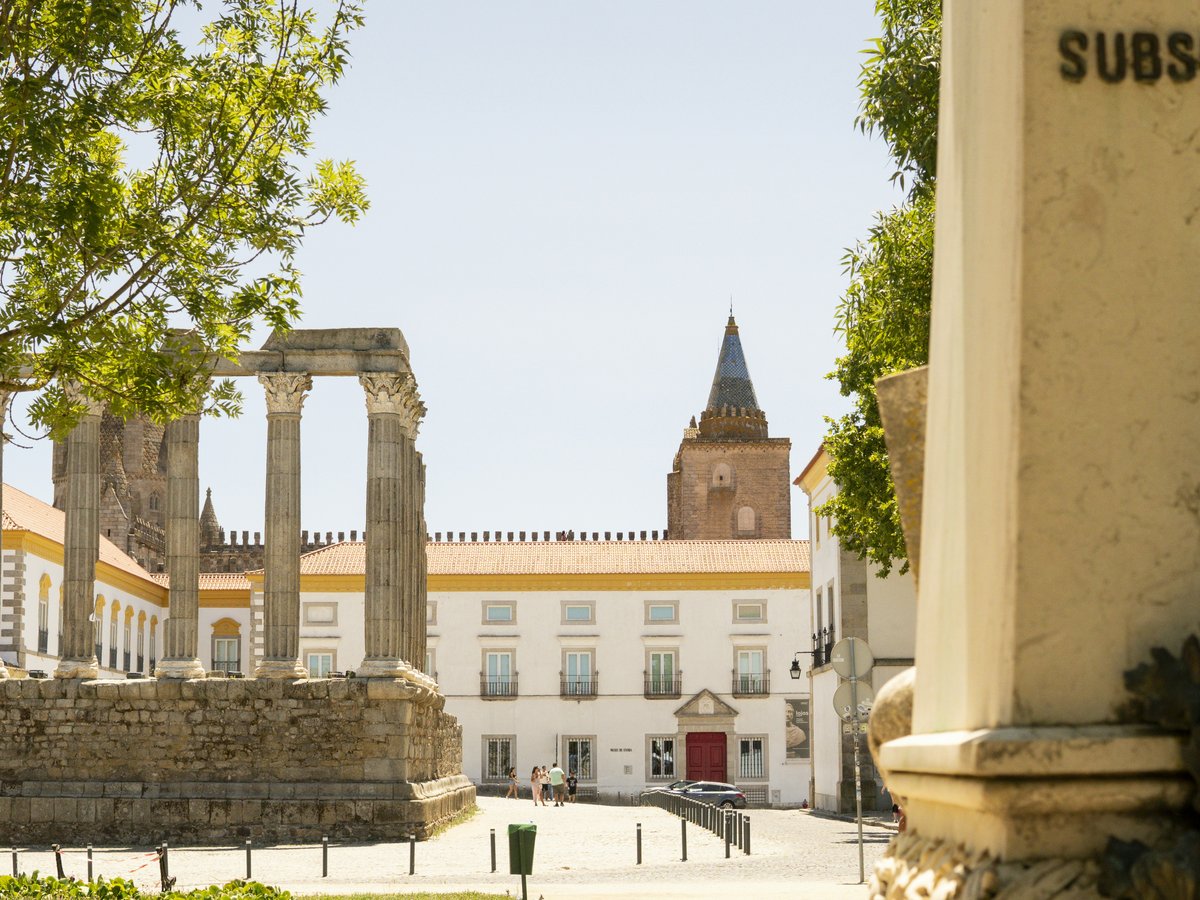
2 National Museum of Ancient Art
Rua das Janelas Verdes 1249 - 017The state collection of pre-modern Portuguese and European painting, in a palace on the river slope
The address itself is instructive: Rua das Janelas Verdes 1249 - 017, a street name that promises windows and delivers a museum in Lisboa that most short visits never open. Go for the pre-modern rooms and stay for the view; do not try to pair this with two other museums in the same afternoon. Coordinates 38.7053, -9.1607 place it on the river side of the city, away from the tram-tourist axis, and the switchboard at +351 21 391 2800 answers with the current schedule. Check mnarteantiga-ipmuseus.pt before you set out; the site holds the exhibition calendar. The entity you want is Q212459, not another national museum sharing part of the name.
-
3 Fado Museum
Largo do Chafariz de Dentro, núm. 1A museum organised around a single sung art form, in the neighbourhood that raised it
From the door at Largo do Chafariz de Dentro, núm. 1, the Fado Museum makes a specific promise: this is a museum dedicated to Fado music, and it argues the case with recordings, portraits and instruments rather than with atmosphere. Skip the tourist fado halls that ring the old town on the same evening; come here first, then decide which voice you want to hear live. The location at 38.7111, -9.1276 is walkable from the river, and the museudofado.pt calendar lists the temporary exhibitions and concerts worth planning around. The Wikidata anchor Q1954395 fixes the entity so you are not searching for a similarly named archive. An hour is enough; two, if a listening booth catches you.
-
4 Centro de Arte Moderna Gulbenkian
Rua Dr. Nicolau Bettencourt, 1050-078, Lisboa, PortugalThe 20th- and 21st-century half of the Gulbenkian estate, in its own pavilion in the same garden
Cross the garden from the older museum and the case shifts: Rua Dr. Nicolau Bettencourt, 1050-078, Lisboa, Portugal is where the Centro de Arte Moderna Gulbenkian, another art museum in Lisbon, argues the modern side of the same estate. Visit both wings on one ticket rather than choosing; the garden between them is the honest transition. Coordinates 38.7355, -9.1540 put it a few doors from the older collection at Berna 45A, and the schedule at gulbenkian.pt/cam/ tells you which rooms are open on the day you arrive. The Wikidata entity Q1054339 confirms this is the modern-art centre of the foundation and not a different institution sharing part of the name. Give it a full 90 minutes.
-
5 Design Museum
Rua Augusta, 24A museum of 20th-century design and fashion on the city's most walked axis
Rua Augusta, 24 is a difficult address to give to a museum, because the street is where most visitors walk and most of them do not stop. That is the point: the Design Museum sits here, a museum in Lisbon that occupies the axis rather than hiding from it. Skip the souvenir shops the surrounding blocks specialise in, and use the door on this stretch instead. The location at 38.7091, -9.1367 is exactly where the grid says, and mude.pt lists the current exhibition and any building works. The Wikidata anchor Q1954392 pins the entity so you do not end up at a namesake abroad. If you have one hour on Rua Augusta, spend it here rather than the queue for a rooftop.
-
6 Calouste Gulbenkian Foundation headquarters
Av. de Berna, 45AThe foundation building itself, a cultural monument that anchors both museums in the same garden
The building at Av. de Berna, 45A is not only an address you have already visited for the collection; it is a cultural heritage monument in Lisboa in its own right, and worth reading as architecture before you re-enter for the art. Do not try to see it in the same hour as the museum; take a coffee in the garden, look at the concrete lines, and come back. The coordinates 38.7374, -9.1540 mark the foundation footprint a short pace north of the museum wing, and the top-level site gulbenkian.pt lists concerts, lectures and access notes. The Wikidata entity Q17390197 refers specifically to the headquarters, not the collection, which matters when you plan an evening event on top of a museum afternoon.
-
7 Macau Scientific and Cultural Centre Museum
Rua da Junqueira, nº 30 1300-343 LisboaPortugal's main museum of Chinese artefacts, argued through the specific lens of Macau
Out at Rua da Junqueira, nº 30 1300-343 Lisboa, the Macau Scientific and Cultural Centre Museum makes a case no other room in the city can: it is Portugal's main museum dedicated to Chinese artefacts in Lisbon, organised through the country's centuries-long conversation with Macau. Go for the porcelain rooms and stay for the maps; skip the assumption that this is a small ethnographic detour, because it is not. The address at 38.7008, -9.1825 puts it on the river road west of the centre, on the same axis as the more famous Belém sights, and the exhibition calendar lives at cccm.pt. The Wikidata anchor Q17167651 fixes the entity precisely so you don't confuse it with a Macau-based counterpart.
-
8 National Azulejo Museum
Coordinates 38.7244, -9.1139The national collection of the tile tradition that lines the city's walls
The coordinates alone tell you the setting: 38.7244, -9.1139 places the National Azulejo Museum east of the tourist core, a museum in Lisbon that treats the country's blue-tile tradition as a serious historical subject rather than a photo prop. Skip the reflex of only photographing tiled façades on the walk in; a morning here changes what you notice on every wall afterwards. The site museudoazulejo.gov.pt is the one to check for temporary shows and closures, and the Wikidata entity Q2313815 confirms you are looking at the national museum, not a private tile shop trading on the name. Two hours is a reasonable minimum; more if the church interior draws you in.
-
9 Espaço Memória
Rua 17, nº 10, Parque Empresarial do Barreiro, 2831-904 BarreiroA 2014 municipal memory space in Barreiro, across the estuary, worth the ferry
Rua 17, nº 10, Parque Empresarial do Barreiro, 2831-904 Barreiro is on the far side of the estuary from the city, and that is the point of the trip. Espaço Memória is a 2014 municipal memory museum in Barreiro e Lavradio, Barreiro, Portugal, organised around an industrial past most tourist itineraries never mention. Do not try to pair this with a central museum on the same afternoon; the ferry is the visit. The coordinates 38.6651, -9.0652 put it across the water south of the city, and the municipal page at cm-barreiro.pt/conhecer/espaco-memoria carries the current opening notes. The Wikidata anchor Q111219458 confirms the entity, so you can plan without guessing.
-
10 Chiado Museum
Coordinates 38.7089, -9.1411The city's contemporary art museum in the heart of the shopping quarter
At 38.7089, -9.1411, the Chiado Museum is embedded in the streets most day-visitors walk without pausing, an art museum in Lisbon that argues the modern and contemporary case against the weight of everything older around it. Visit on a weekday morning, when the shopping crowd has not yet arrived and the rooms are quiet. Skip the outdoor cafés on the same block and use the hour here instead. The site museuartecontemporanea.pt lists the exhibitions and any building access notes, and the Wikidata anchor Q2745620 pins the entity so you don't end up at a similarly named gallery. A focused visit is 60 minutes; a thorough one, closer to 90.
-
11 National Archaeology Museum
Coordinates 38.6973, -9.2071The state archaeology collection, out on the monument-heavy axis west of the centre
The coordinates 38.6973, -9.2071 place the National Archaeology Museum west of the centre, on the axis lined with the country's most photographed monuments. The building belongs to that architectural set rather than sitting apart from it. Visit here on the same morning as the neighbouring monument, and drop the assumption that archaeology is a niche stop; the collection is the point of the block. Check museunacionalarqueologia.gov.pt for closures and the current exhibition before setting out; a building this old occasionally closes rooms for conservation. The Wikidata entity Q1954384 fixes exactly which building you are visiting, which matters given how many institutions share this address.
-
12 Cinemateca Portuguesa
Coordinates 38.7209, -9.1488The national film archive, with a working screening room and a serious programming calendar
At 38.7209, -9.1488, the Cinemateca Portuguesa sits on the uphill grid north of the centre, a film archive in Lisbon that is also a working cinema. Skip the multiplex on your last evening in the city and read the programme instead; a restoration in the small room is a different experience from anything else on the list. Go for the retrospectives and the printed schedule, and stay for the bar upstairs when the programme runs late. The current calendar lives at cinemateca.pt, and it is the site to check because seats are limited. The Wikidata anchor Q1092464 confirms the entity as the national archive, not a commercial cinema trading on part of the name. One film, one drink, and the museum list closes honestly.
Last verified by automated review (v1.7.2_accom-wave-245-20260903062137) on . What is automated review?