What should I avoid in Lisbon?
Skip Tram 28 between 10am and 5pm (pickpocket teams work the boarding crush between Martim Moniz and the Sé), skip laminated-menu restaurants on Rua Augusta, and never eat the couvert bread and olives without asking the price. The Belém waterfront sights sell out by 11am on weekends, so book timed entry or go Tuesday morning.
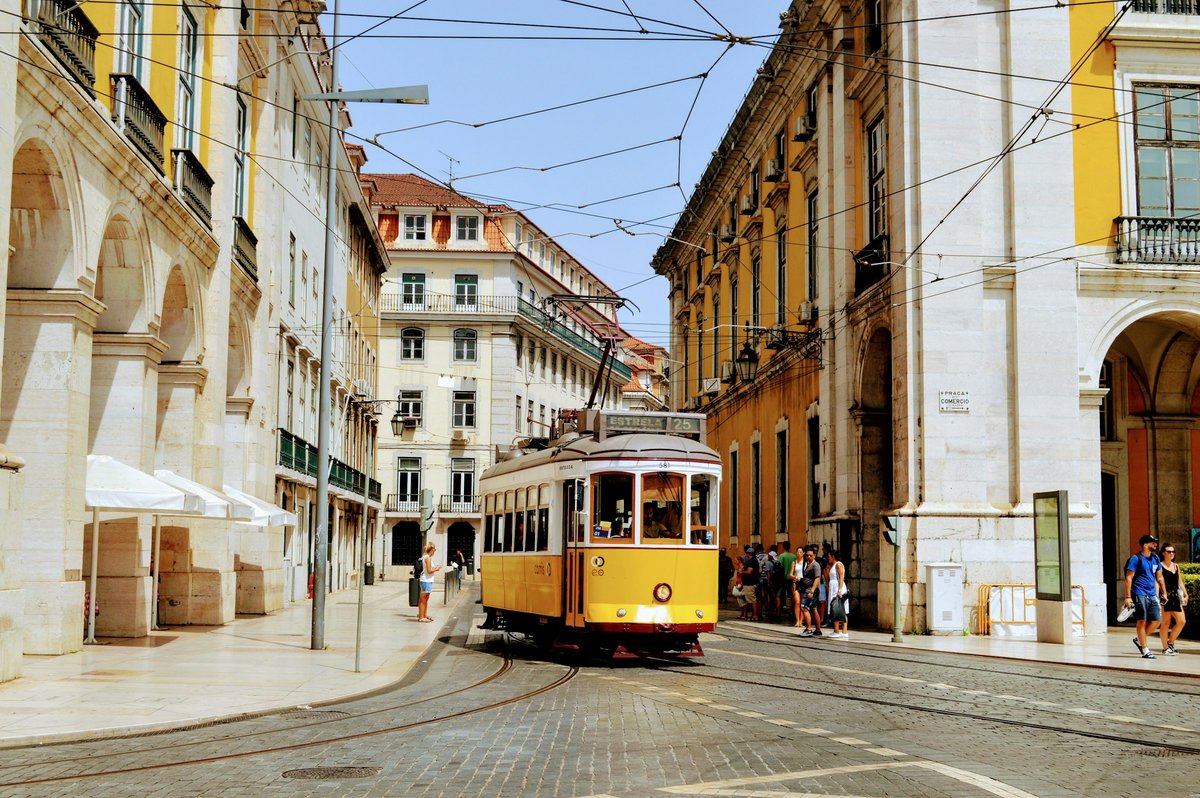
Tram 28 is Lisbon's single biggest tourist trap. The route between Martim Moniz and Campo de Ourique passes through Alfama and Graça, and every guidebook says to ride it. Between 10am and 5pm, the car holds around 55 people and 200 are waiting at each stop. Pickpocket teams work the boarding crush at Martim Moniz and the Sé stop. They bump you at the door. Your phone leaves your pocket. If you want the yellow-tram experience, catch it at 8am from Campo de Ourique heading east, when the car is half-empty and morning light warms the cracked azulejo facades along Rua da Graça. The Carris day pass runs €6.80 and covers all trams, but the metro at €1.65 per trip on a Viva Viagem card gets you anywhere faster. Mind you, the metro doesn't reach Belém. Take tram 15E from Praça da Figueira or the Cascais line from Cais do Sodré. Tuk-tuks in Alfama charge €30 to €50 for a 20-minute loop covering 800 meters you could walk in 15 minutes.
Every sit-down restaurant in Lisbon puts bread, butter, olives, and sometimes sardine paste on your table before you order. This is the couvert. It is not free. Prices run €1 to €3 per item at neighborhood places, but tourist-facing spots on Rua Augusta and around Praça do Comércio charge €5 to €8 for the same lukewarm basket. Wave it away with "não, obrigado" and they take it back without offense. The laminated-menu restaurants between Rossio and Rua Augusta, the ones with a man outside waving you in, serve microwaved bacalhau for €18 that tastes like reheated cardboard. Walk 3 blocks east into Mouraria, and a proper prego steak sandwich at O Velho Eurico costs €5.50 with a cold Sagres draft for €2. Time Out Market in Cais do Sodré is worth visiting, but go at 11am or after 3pm. The weekend lunch crush between noon and 2pm means standing with a €14 plate of ceviche and no seat for 20 minutes.
The Belém waterfront bunches three major sights into 1.2 kilometers. Belém Tower, built in 1515, Padrão dos Descobrimentos, completed in 1960, and the Jerónimos Monastery sit along the same stretch of Rua de Belém. Weekend queues at the monastery reach 90 minutes by 11am. Book timed tickets online at least 2 days ahead, or visit Tuesday through Thursday before 10am. Pastéis de Belém, the original pastel de nata shop operating since 1837, tends to have a 30-minute line past its blue-tiled doorway most afternoons. The smell of caramelized custard pulls you in, but Manteigaria on Rua do Loreto in Chiado makes pastéis that are nearly as good, warm from the oven with a crackling burnt-sugar top, and the wait rarely exceeds 5 minutes. The Santa Justa Elevator in Baixa charges €5.30 for a 45-meter ride. The free viewpoint at the Carmo Convent terrace, reached from the top of Chiado, gives you the same panorama.
Hash sellers approach tourists in Rossio, Martim Moniz, and along the upper stretch of Rua Augusta several times per day. The product is usually pressed bay leaves or oregano. Ignore and keep walking. At Restauradores, clipboard-carrying people ask you to sign a "petition for the deaf" or similar cause. Once you sign, they press for a €10 to €20 cash donation. Around the Sé, occasional teams run the dropped-ring or friendship-bracelet routine. Lisbon scores 8.2/10 for solo-traveler safety (see the TTDI Solo-Safety Index), and none of these scams are dangerous. They target people who look lost or hesitant. Walk with purpose through Rossio and they move on. At Humberto Delgado Airport, unlicensed drivers offer flat fares of €25 to €30 into center. The metered taxi to Baixa-Chiado runs €12 to €15, and the Aerobus Line 1 costs €4 to Cais do Sodré with stops at Marquês de Pombal.
Lisbon's seven hills are not metaphorical. The climb from Baixa up to Castle of Saint George gains about 80 meters over slick, rounded calcário cobblestones that turn greasy in rain. Wear shoes with real grip. Between June and September, afternoon temperatures push past 35°C with almost no shade on the exposed hillside paths through Alfama. Carry at least a liter of water on any walk through the old quarters in summer. The wind off the Tagus hits hard in winter. It funnels through the Rua Augusta arch corridor into Praça do Comércio at a steady 30 km/h on bad days. Rain falls regularly between October and March, with November averaging 114mm. To be fair, April and early October still bring occasional downpours, but mornings tend to clear and warm by 10am.
Tourist traps to skip
- Tram 28 between 10am and 5pm, when pickpocket teams work the boarding crush at Martim Moniz and the Sé
- Laminated-menu restaurants on Rua Augusta with greeters pulling you inside from the sidewalk
- Tuk-tuk rides through Alfama at €30 to €50 for 800 meters of cobblestones
- Pastéis de Belém's 30-minute queue when Manteigaria in Chiado rarely exceeds 5 minutes
- Time Out Market in Cais do Sodré at weekend lunch peak between noon and 2pm
- Santa Justa Elevator at €5.30 when the Carmo Convent terrace viewpoint is free
- Jerónimos Monastery and Belém Tower without pre-booked timed tickets on weekends
- Couvert bread and olives at tourist-facing restaurants near Praça do Comércio charged at €5 to €8 per item
Common scams
- Hash sellers in Rossio and Martim Moniz selling pressed bay leaves as cannabis
- Clipboard charity-petition scam at Restauradores pressuring €10 to €20 cash donations
- Dropped-ring and friendship-bracelet teams working around the Sé cathedral
- Pickpocket teams targeting the Tram 28 boarding crush at Martim Moniz
- Unlicensed taxi drivers at Humberto Delgado Airport quoting flat fares of €25 to €30 when the meter reads €12 to €15
Seasonal hazards
- Summer temperatures above 35°C on shadeless Alfama hillside paths between June and September
- Slick calcário cobblestones on Lisbon's hills become dangerously greasy during rain
- Strong Tagus wind funneling through Baixa corridors in winter at sustained 30 km/h
- November averages 114mm of rainfall with frequent downpours from October through March
Last verified by automated review (v1.7.2) on . What is automated review?